





— Blogs —
—Products—
 Consumer hotline +8618073152920
WhatsApp:+8615367865107
Address:Room 102, District D, Houhu Industrial Park, Yuelu District, Changsha City, Hunan Province, China
Product knowledge
Time:2025-02-14 16:12:21 Popularity:1935
Agricultural weather station fertilizer decisions need weather observations and agronomic information. Rain, wind and temperature help a farm assess application conditions and interpret field records. They do not measure the crop's nutrient requirement or establish a fertilizer dose. Specify the decision the station will support before choosing sensors or connecting a dosing controller.
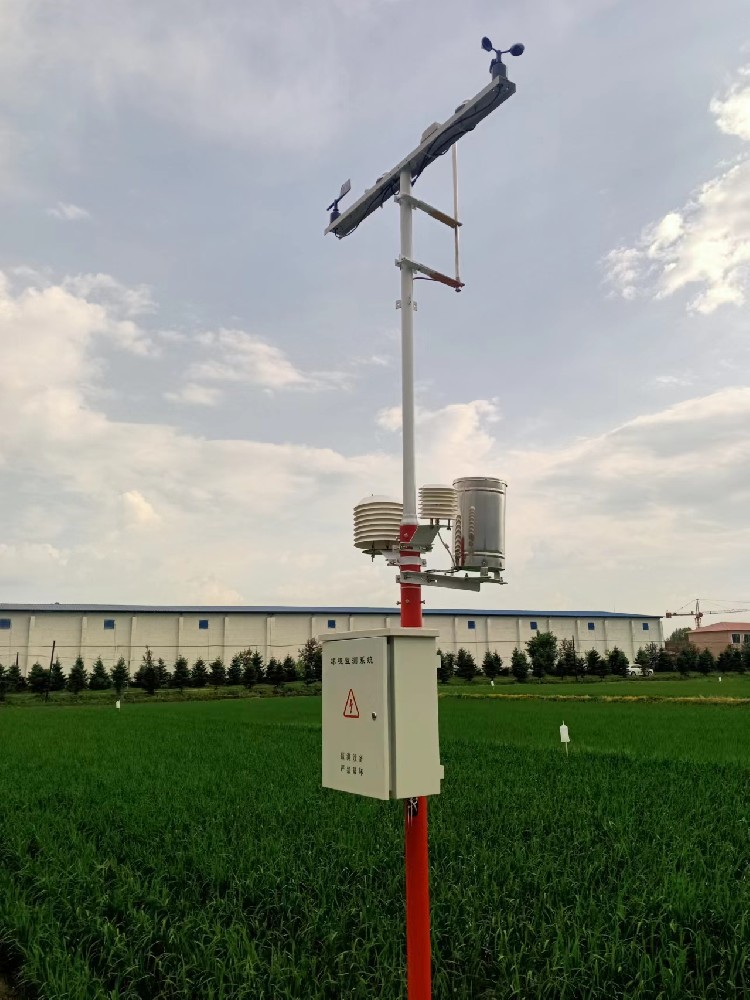
A precision-agriculture proposal can combine weather monitoring, soil probes and a fertigation unit on one drawing. These components perform different jobs. The weather station observes the environment. Soil measurements describe selected conditions at the probe locations. An injector delivers a configured treatment. None of those functions, individually, establishes how much nitrogen, phosphorus or potassium a crop requires.
The nutrient plan needs appropriate crop, soil and management information, interpreted through a suitable agronomic process. Weather records can help explain why an application was postponed or why field conditions changed afterward. They should not be presented as a replacement for nutrient assessment. A dashboard can display a fertilizer recommendation only when the method and required inputs have been defined separately.
| Farm question | Useful station information | Additional information needed |
|---|---|---|
| Are current conditions suitable for an application? | Local wind, rainfall and air conditions | Application method, product requirements, field assessment and operating rules |
| What nutrient rate should be applied? | Weather context for crop development and recent field conditions | Crop requirement, nutrient assessment, previous inputs and the agronomic method |
| What happened after treatment? | Time-aligned rain and environmental records | Actual treatment time, location, dose and subsequent field observations |
| Did the injector deliver the intended quantity? | Weather records cannot establish delivery | Appropriate delivery measurements and equipment checks |
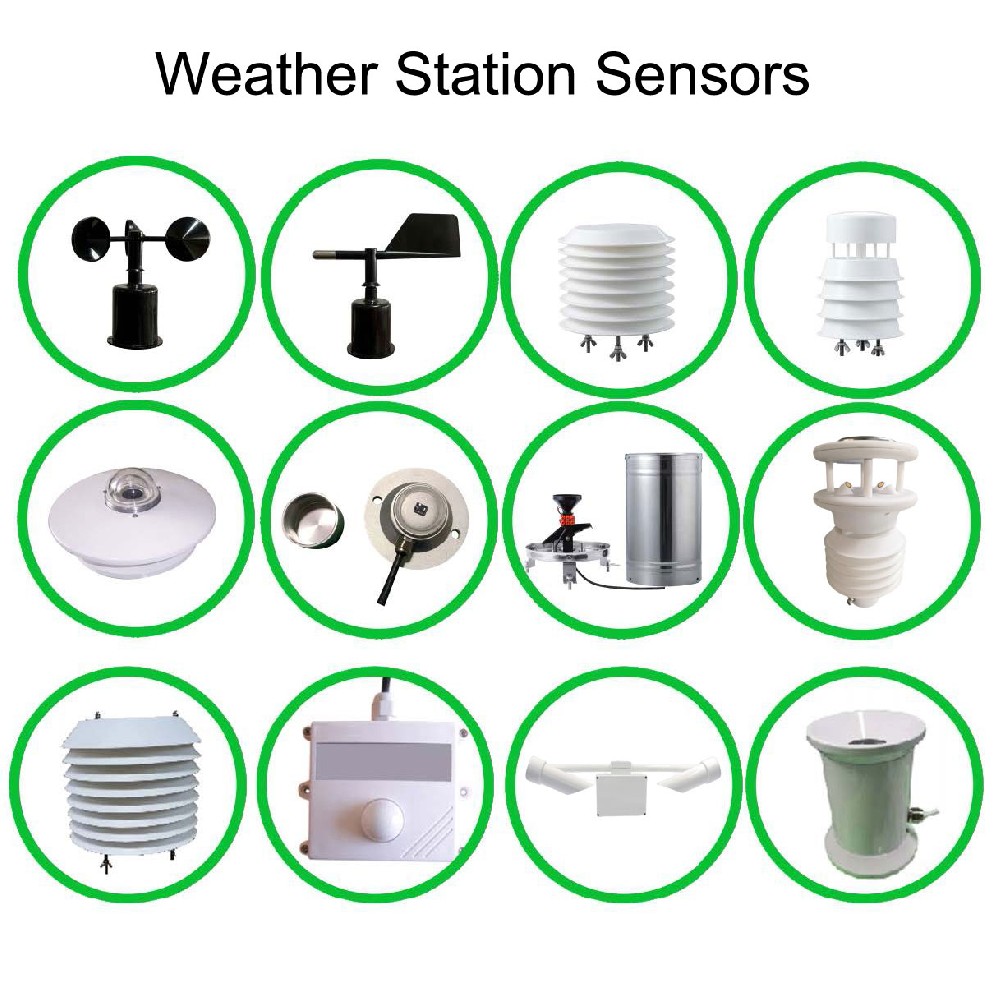
The NiuBoL NBL-W-LBTH supplies atmospheric temperature, relative humidity and pressure observations. These describe the air at the station. They are not leaf nutrient measurements or a measurement of moisture throughout the root zone. A pressure trend does not turn the package into a local rainfall forecast.
| Component | Technical specification | Meaning for fertilizer decisions |
|---|---|---|
| NBL-W-LBTH | Air temperature -40 to 80 C, +/-0.5 C; RH 0-100%, +/-5% RH; DC 12-24 V | Atmospheric context at the observation point, not nutrient demand |
| NBL-W-SS | 0-45 m/s or 0-70 m/s version; 0.1 m/s resolution; IP65 | Local wind speed; the application procedure determines how it is used |
| NBL-W-DS | 0-360 degrees; +/-3 degrees; IP65 | Direction at the installed reference and exposure |
| NBL-W-RS | 0.2 mm resolution; 0-4 mm/min intensity range; operating temperature 0-50 C | Collected liquid precipitation, not runoff or nutrient loss |
Order the selected electrical outputs explicitly. RS485 Modbus RTU versions can connect to a compatible logger, PLC or RTU after their registers and units are mapped. A weather channel reaching the controller does not establish that a fertilizer-control algorithm, valve interlock or suitable dosing instrument is included.
A field team may use wind observations when planning an application whose method is sensitive to drift or distribution. The required wind statistic, sensor exposure and operating limit must come from the actual application requirements. Do not use a sensor's maximum measuring range as an acceptable application threshold.
Rainfall needs equally careful interpretation. Record when rain occurred relative to treatment, rather than using a daily total alone. The same total falling before or after application describes different sequences. Rain measured at the station also does not establish infiltration, runoff or nutrient movement on every field. Those outcomes depend on the field and need appropriate observation or assessment.
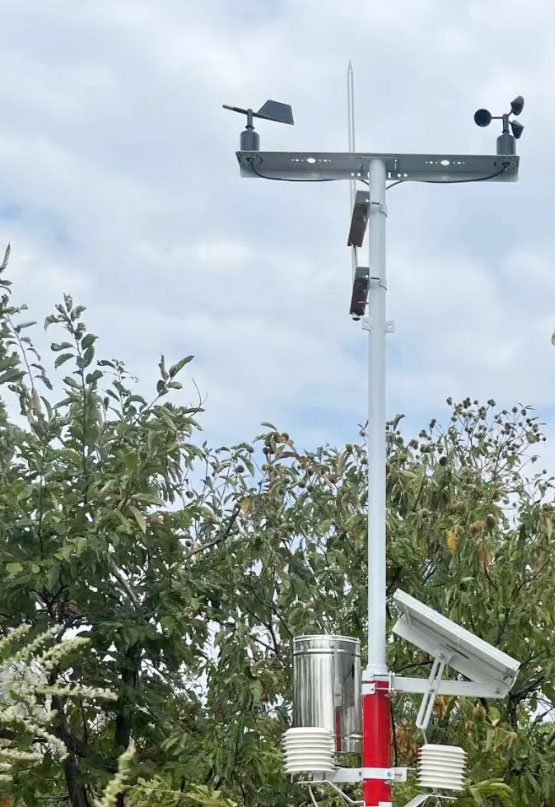
Keep treatment identity, field or management zone, application method, actual start and finish times and the recorded quantity together. Link these to the relevant station and time zone. If the weather station is outside the treated block, retain that location difference instead of implying that every reading was taken within the crop.
The TG462 / TG462S acquisition device can provide compatible sensor acquisition and networking. Combining its records with a farm-management application requires agreed fields, timestamps and a receiving interface. MQTT, TCP/UDP and Modbus gateway functions do not define a fertilizer recommendation or a complete farm-management workflow.
For a useful demonstration, select an actual treatment record and retrieve the surrounding weather observations. Check that missing data remain visible and that the application times are not confused with upload times. This is more informative than a screen containing several current readings with no treatment history.
A lower fertilizer purchase or a higher yield after installing a station is not, by itself, evidence that the station caused the change. Crop area, treatment rates, weather, cultivar and other management changes may also differ. Any savings claim needs a defined comparison and actual application and production records.
For procurement, ask which observation changes which decision, who makes that decision and which additional instruments are required. An observation-only station may be appropriate when an agronomist reviews the data. Automated dosing is a different scope requiring a defined control method and validation; it should not be implied by the phrase smart agriculture.
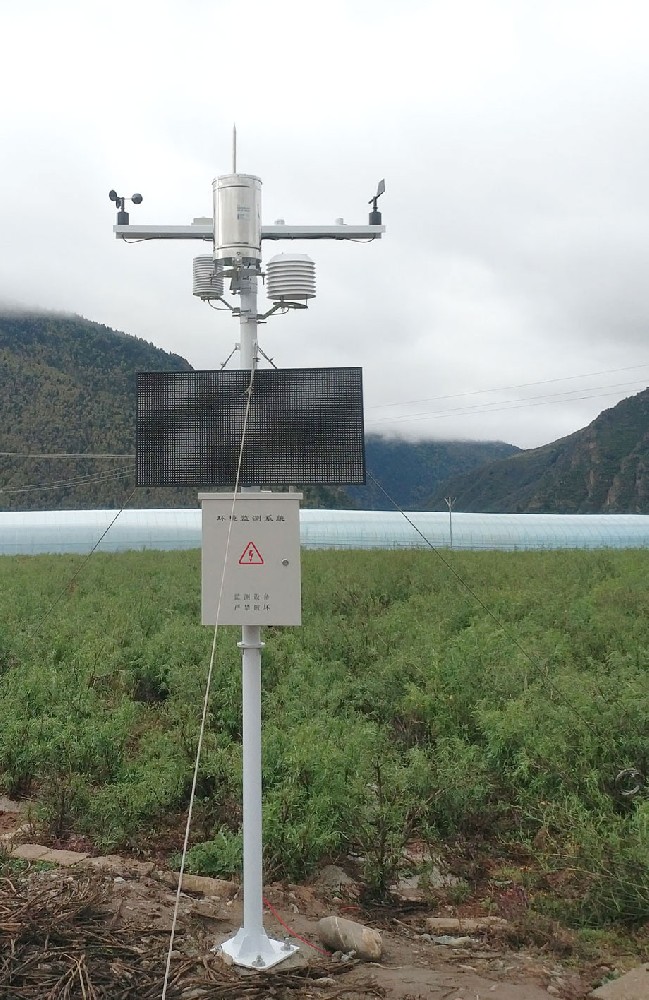
Not from standard weather channels alone. A recommendation needs the applicable agronomic method and its crop, nutrient and management inputs. Confirm those separately from the sensor package.
No. It describes a moisture quantity at a probe location. It cannot be relabelled as a nitrogen, phosphorus or potassium concentration or used alone to establish nutrient demand.
No. A rain gauge measures collected precipitation. Estimating nutrient loss requires an appropriate field assessment or model with additional inputs; a rainfall total alone does not quantify runoff or leaching.
Compatible RS485 Modbus RTU instruments can provide observations after electrical and register checks. The PLC program, dosing measurements and control protections remain separate engineering requirements.
Describe the crop, management zones, application method, decision to be supported and existing software or controller. Identify whether the requirement is observation, advisory analysis or control. NiuBoL can then review the relevant sensing and acquisition configuration.
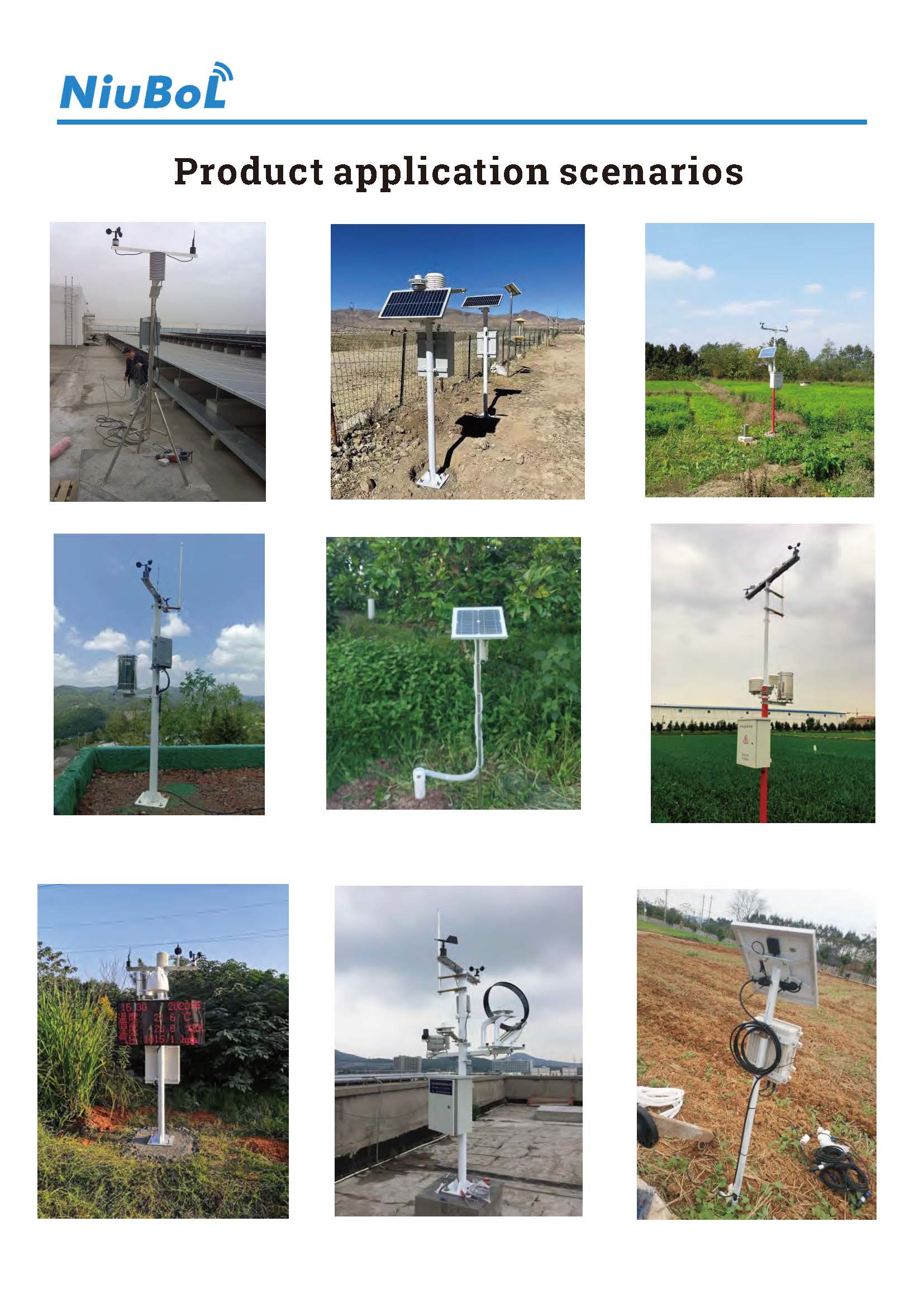
Agricultural weather station fertilizer decisions are strongest when weather context and nutrient assessment remain distinct. Select the channels needed for the application question, retain treatment timing and avoid treating rainfall or soil moisture as a nutrient measurement. That produces a useful monitoring scope without promising an unsupported dosing or yield result.
Prev:Cup vs Ultrasonic Anemometer Maintenance: Plan the Actual Service Work
Next:Agricultural Weather Station Data Access: Keep Records When Accounts Change
Related recommendations
Sensors & Weather Stations Catalog
 Agriculture Sensors and Weather Stations Catalog-NiuBoL.pdf
Weather Stations Catalog-NiuBoL.pdf
Agriculture Sensors Catalog-NiuBoL.pdf
Water Quality Sensor Catalog-NiuBoL.pdf
Related products
 Combined air temperature and relative humidity sensor
 TDR Soil Moisture & Temperature Sensor for irrigation| RS485 |4-20mA| NBL-S-THR
 Soil pH sensor RS485 soil Testing instrument soil ph meter for agriculture |NBL-S-PH
 Wind Speed sensor Output Modbus/RS485/Analog/0-5V/4-20mA
 Tipping bucket rain gauge for weather monitoring auto rainfall sensor RS485/Outdoor/stainless steel
 Pyranometer Solar Radiation Sensor 4-20mA/RS485


Screenshot, WhatsApp to identify the QR code
WhatsApp number:+8615367865107
(Click on WhatsApp to copy and add friends)

