





— Blogs —
—Products—
 Consumer hotline +8618073152920
 WhatsApp:+8615367865107
Address:Room 102, District D, Houhu Industrial Park, Yuelu District, Changsha City, Hunan Province, China
Product knowledge
Time:2026-01-25 17:41:01 Popularity:690
In smart city construction and industrial environmental engineering, the accuracy of particulate matter monitoring directly impacts project acceptance quality and long-term compliance. For system integrators (SI) and environmental engineering contractors, facing a wide array of monitoring devices on the market, avoiding low-price, low-quality consumer-grade probes and selecting PM2.5 sensors and PM10 sensors with long lifespan and high consistency is key to ensuring reliable data in IoT monitoring platforms.
As a PM2.5 sensor manufacturer, NiuBoL is committed to providing industrial-grade NBL-W-PM series integrated sensors. This article details the selection standards for industrial-grade dust monitoring equipment from the perspectives of technical principles, engineering selection, and system integration.
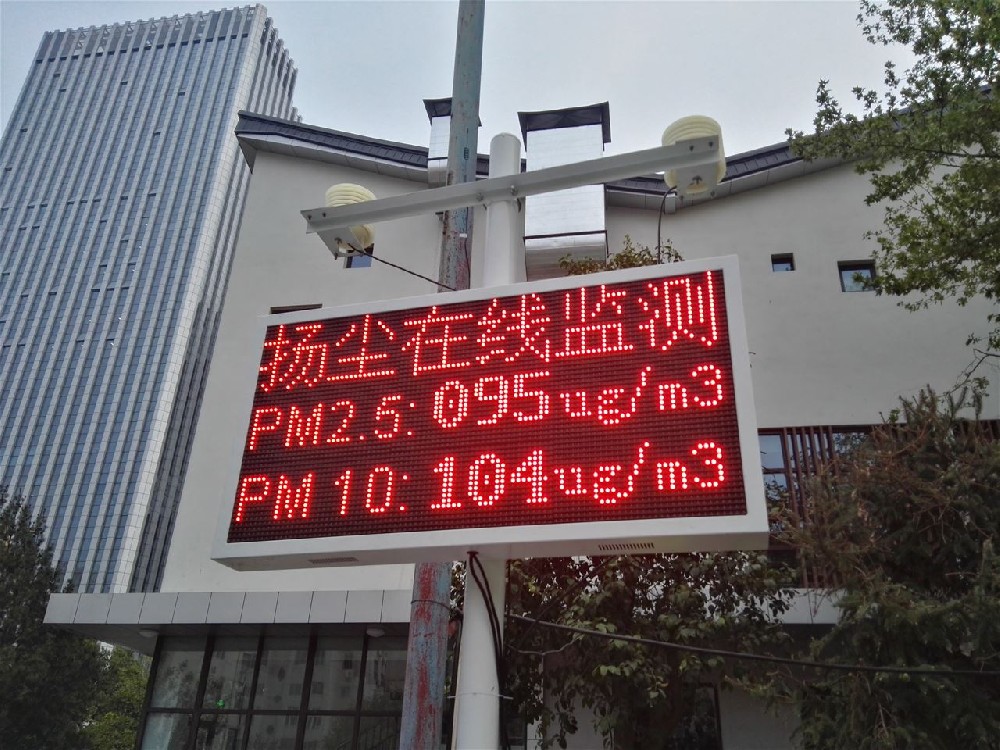
In the B2B engineering field, traditional infrared detection technology has been gradually phased out due to low resolution and high susceptibility to environmental interference. NiuBoL's full range of pm2.5 dust sensors adopts industrial-grade laser scattering principle (Laser Scattering).
1. Imported Laser and Photosensitive Components
The NBL-W-PM sensor features an imported laser generator. When particulate matter passes through the sampling airway, the laser scatters, and photosensitive components capture the intensity and frequency of scattered light. Through professional algorithms, the sensor can sensitively detect particles as small as 0.3 μm in diameter. Compared to low-cost products, the core advantage of industrial-grade lasers lies in their sustained stable light output, ensuring zero drift after thousands of hours of operation.
2. Built-in Fan and Airflow Consistency
Active suction design is standard for industrial-grade sensors. NiuBoL sensors integrate high-performance, long-life fans to ensure constant sampling flow. This not only improves response speed but also guarantees that monitoring data truly reflects the real-time state of the atmospheric environment in complex outdoor conditions.
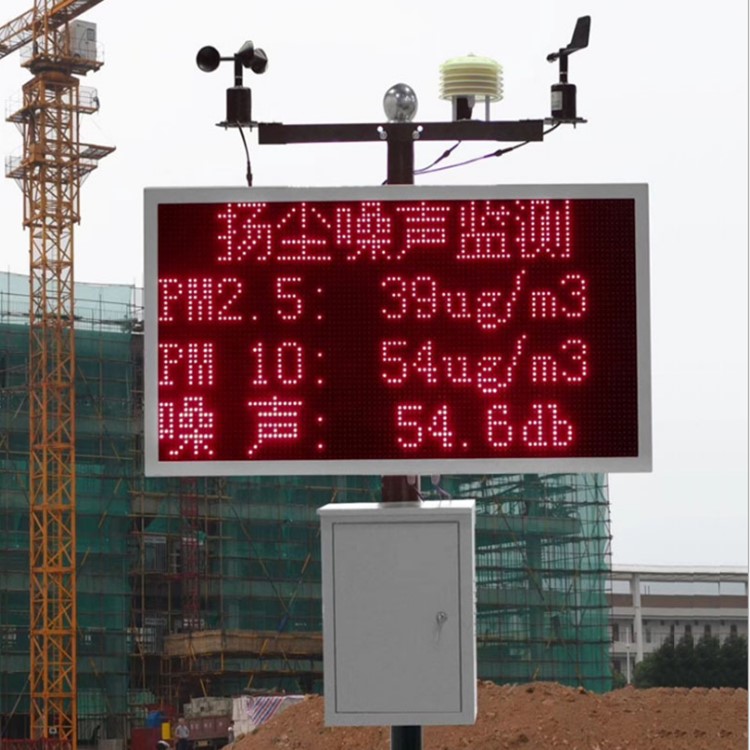
For engineering purchasers, the technical parameter table (Datasheet) is the sole standard for evaluating system compatibility. Below are the core engineering parameters of NiuBoL sensors:
| Parameter | Technical Specification | Industrial Application Value |
|---|---|---|
| Measurement Range (PM2.5) | 0-1000 μg/m³ | Covers full scenarios from clean rooms to heavy industrial pollution zones |
| Measurement Range (PM10) | 0-2000 μg/m³ | Meets high-concentration requirements for municipal construction dust monitoring |
| Minimum Detectable Particle | 0.3 μm diameter | Precisely captures fine particulate matter, improving monitoring granularity |
| Relative Error | ±15% or ±10 μg/m³ (25℃, 50% RH) | Ensures high consistency in multi-point deployments |
| Communication Interface | RS485 (Modbus RTU) | Standard industrial bus, easy integration with PLC and gateways |
| Power Supply Voltage | DC 12V-24V | Compatible with mainstream industrial power systems |
| Power Consumption | 350 mW | Extremely low power, suitable for solar-powered remote sites |
| Operating Environment | Temperature: -20℃~+60℃; Humidity: 0~99% RH | Adapts to all-weather harsh outdoor environments |
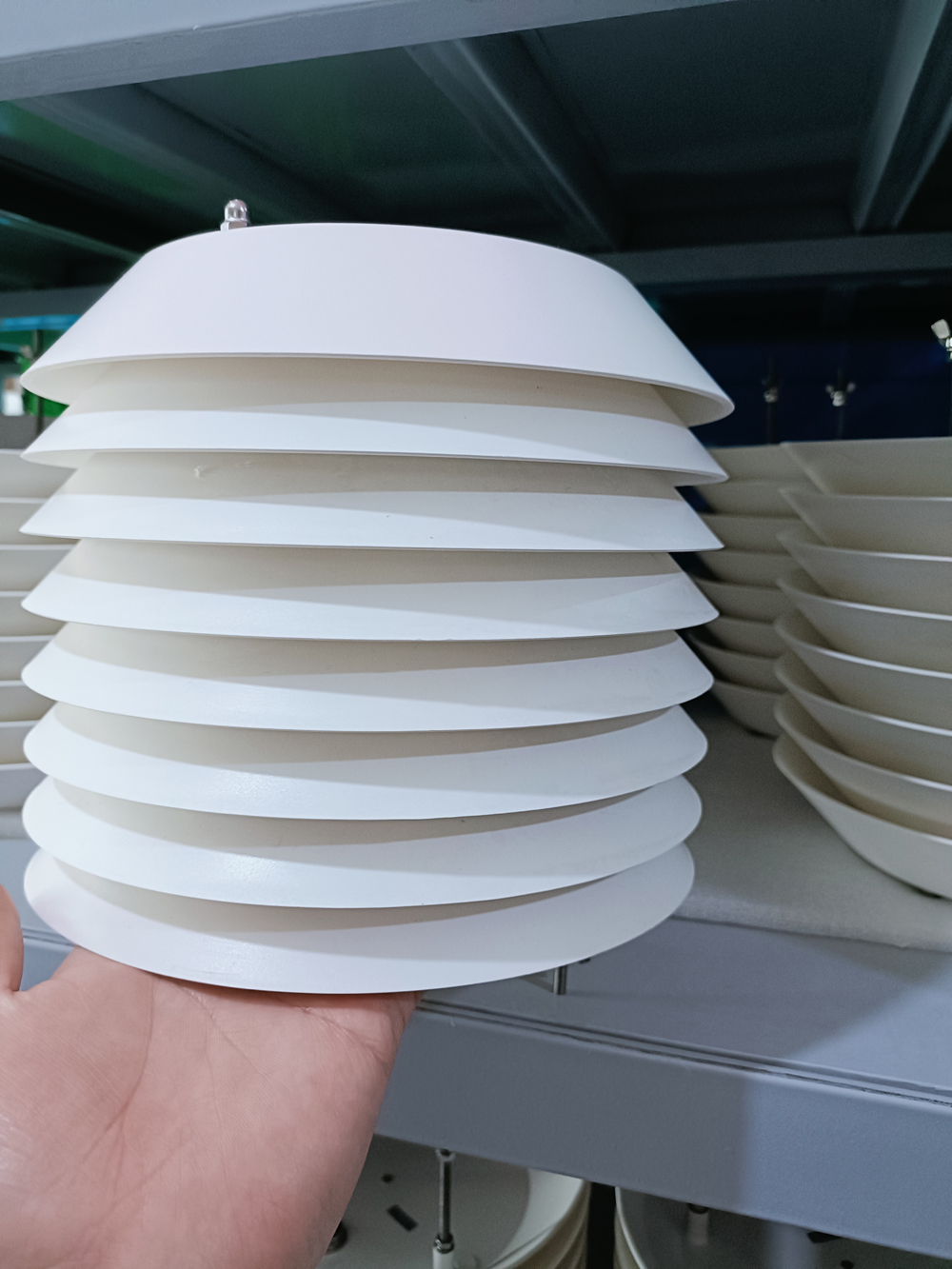
When designing pm10 sensors integration solutions, system integrators must consider signal anti-interference capability and topology flexibility.
1. RS485 Signal Stability and Bus Integration
NiuBoL sensors output standard RS485 signals. In environmental engineering projects, sensors are often installed at the top of monitoring poles, far from control cabinets. The differential signal characteristics of RS485 ensure lossless data transmission over distances exceeding 1000 meters. Additionally, the Modbus protocol supports multi-device connectivity, allowing one gateway to simultaneously connect multiple sensors such as dust, temperature/humidity, and wind speed, greatly simplifying wiring logic.
2. Application Scenarios Specific to Municipal Engineering
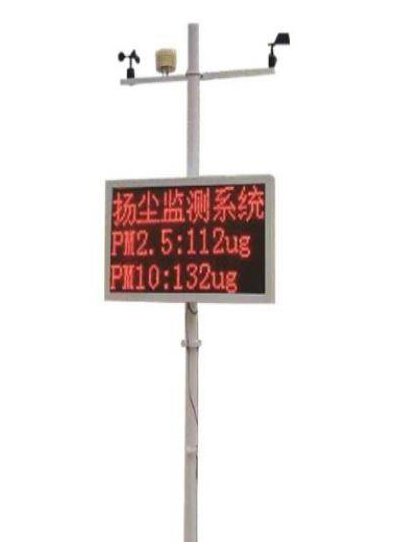
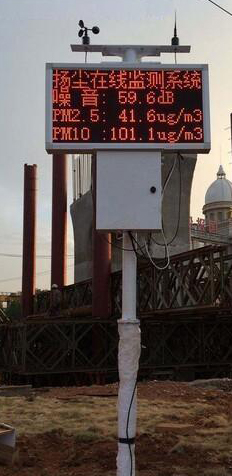
Construction site dust monitoring system: Combined with video surveillance and automatic spraying systems, when PM10 concentration exceeds preset thresholds, PLC automatically triggers dust suppression spraying.
Urban smart streetlight integration: Sensors integrated into streetlight poles, uploading real-time data to municipal cloud platforms to form city “micro-station” level air quality maps.
Industrial park fugitive emission monitoring: Installed at factory boundaries and sensitive points to monitor particulate matter diffusion trends.
In B2B procurement decisions, pm2.5 sensor price should not be the only consideration. System integrators should focus on Total Cost of Ownership (TCO).
Initial Cost vs. Maintenance Cost: Cheap consumer-grade sensors often experience laser tube degradation or fan failure after 3-6 months of outdoor operation. Frequent on-site replacement costs far exceed the price difference in procurement.
Data Consistency Risk: In municipal acceptance projects, excessive data deviation across monitoring points can directly prevent project delivery. NiuBoL sensors undergo strict factory calibration to ensure cluster consistency in large-scale deployments.
As a professional PM10 sensor manufacturer, we deeply understand project-specific needs:
Output signal customization: Beyond standard RS485, TTL or other analog signals can be customized as required.
Wide voltage power adaptation: Supports 12V-24V wide voltage, compatible with various battery or industrial grid power supplies.
Cable and encapsulation: Standard 2.5 m high-quality shielded cable, with customizable length and enhanced anti-corrosion encapsulation based on engineering needs.
Bulk supply: We maintain a complete inventory management system, supporting efficient replenishment and large-volume supply for engineering projects.
1. What is the expected lifespan of NiuBoL sensors' lasers?
Our industrial-grade laser modules have an expected lifespan exceeding 20,000 hours in continuous operation mode. By setting intermittent sampling mode, service life can be extended to 3-5 years.
2. Will data be biased high in high-humidity environments (e.g., after rain or foggy days)?
The laser scattering principle has certain physical sensitivity to water mist. In environmental engineering integration solutions, we recommend integrators combine with NiuBoL temperature/humidity sensors and apply humidity compensation algorithms in software to ensure data authenticity.
3. Does the sensor require periodic airway cleaning?
Yes. Due to active sampling by the built-in fan, large particles may accumulate in the airway over long-term operation. It is recommended to use dry compressed air to purge the inlet and outlet every 6-12 months maintenance cycle.
4. How is the relative error of ±15% reflected in engineering acceptance?
±15% refers to the maximum error across the full range (0-1000 μg/m³). In typical urban environments (0-150 μg/m³), sensor consistency is usually far better than this standard, fully meeting municipal environmental monitoring secondary station or micro-station requirements.
5. Can this sensor directly connect to a wireless DTU?
Yes. As long as the DTU supports RS485 transparent transmission or Modbus protocol forwarding, the NBL-W-PM can easily connect to various cloud platforms.
6. What is the core advantage of laser PM2.5 sensors compared to infrared sensors?
Laser sensors offer higher resolution (can distinguish 0.3 μm and 2.5 μm), while infrared sensors typically only sense particles above 1.0 μm with extremely unstable readings. In industrial-grade projects, laser sensors are the only compliant choice.
In bidding for environmental engineering and IoT solutions, the quality of underlying sensors determines the professional reputation of engineering firms. The NiuBoL NBL-W-PM series PM2.5 sensors and PM10 sensors, with their industrial-grade laser principle, precise range coverage, and excellent RS485 communication stability, have become the trusted first choice for global integrators.
Preparing an environmental monitoring project?
Contact NiuBoL to obtain the latest technical selection manual and B2B bulk procurement solutions. We not only provide hardware but also deliver the underlying hardcore technical support that empowers your system solutions.
Related recommendations
Sensors & Weather Stations Catalog
 Agriculture Sensors and Weather Stations Catalog-NiuBoL.pdf
Weather Stations Catalog-NiuBoL.pdf
Agriculture Sensors Catalog-NiuBoL.pdf
Water Quality Sensor Catalog-NiuBoL.pdf
Related products
 Combined air temperature and relative humidity sensor
 TDR Soil Moisture & Temperature Sensor for irrigation| RS485 |4-20mA| NBL-S-THR
 Soil pH sensor RS485 soil Testing instrument soil ph meter for agriculture |NBL-S-PH
 Wind Speed sensor Output Modbus/RS485/Analog/0-5V/4-20mA
 Tipping bucket rain gauge for weather monitoring auto rainfall sensor RS485/Outdoor/stainless steel
 Pyranometer Solar Radiation Sensor 4-20mA/RS485

Screenshot, WhatsApp to identify the QR code
WhatsApp number:+8615367865107
(Click on WhatsApp to copy and add friends)

