





— Blogs —
—Products—
 Consumer hotline +8618073152920
 WhatsApp:+8615367865107
Address:Room 102, District D, Houhu Industrial Park, Yuelu District, Changsha City, Hunan Province, China
Product knowledge
Time:2026-01-25 17:39:41 Popularity:650
With the acceleration of urbanization and increasingly stringent environmental regulations, system integrators, IoT solution providers, general engineering contractors, and project contractors have a growing demand for reliable outdoor air quality monitoring equipment. PM2.5 and PM10, as core monitoring indicators, are directly related to environmental compliance, public health early warning, and the construction of smart city big data platforms.
As a manufacturer specializing in industrial-grade environmental sensors, NiuBoL's NBL-W-PM series uses laser scattering principle for integrated PM2.5 + PM10 sensors. With high stability, self-calibration capability, and industrial-grade weather resistance, it is widely used in municipal grid monitoring, industrial park dust control, construction site online monitoring, and other B2B projects. This article, from the perspective of system integration, provides selection key points, integration considerations, cost-performance analysis, and bulk supply advantages to help engineering teams efficiently implement projects.
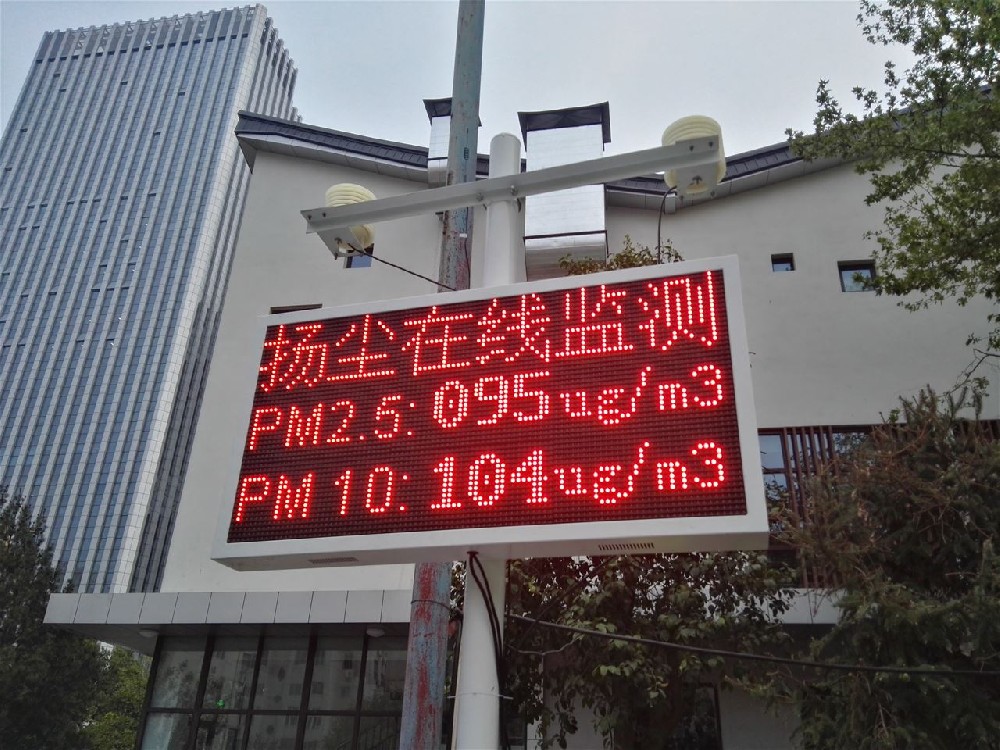
China's "Ambient Air Quality Standard" (GB 3095-2012) and subsequent revisions clearly stipulate annual average concentration limits for PM2.5 (Level I: 15 μg/m³, Level II: 35 μg/m³) and PM10 (Level I: 40 μg/m³, Level II: 70 μg/m³) in ambient air. Smart city, industrial park, and construction site projects typically require equipment data to be accessible to ecological and environmental department monitoring platforms and to comply with technical specifications such as HJ 653-2013 and HJ 1078-2019 for automatic particulate matter monitoring.
For system integrators, sensor selection should prioritize:
Data traceability and comparability
Long-term stability (to avoid increased maintenance costs from frequent calibration)
Output protocol compatibility (for easy integration with SCADA, MQTT, Modbus platforms)
The NiuBoL NBL-W-PM series maintains relative error within ±15% or ±10 μg/m³ (under 25℃, 50% RH conditions), effectively supporting compliant data reporting and reducing risks during project acceptance.
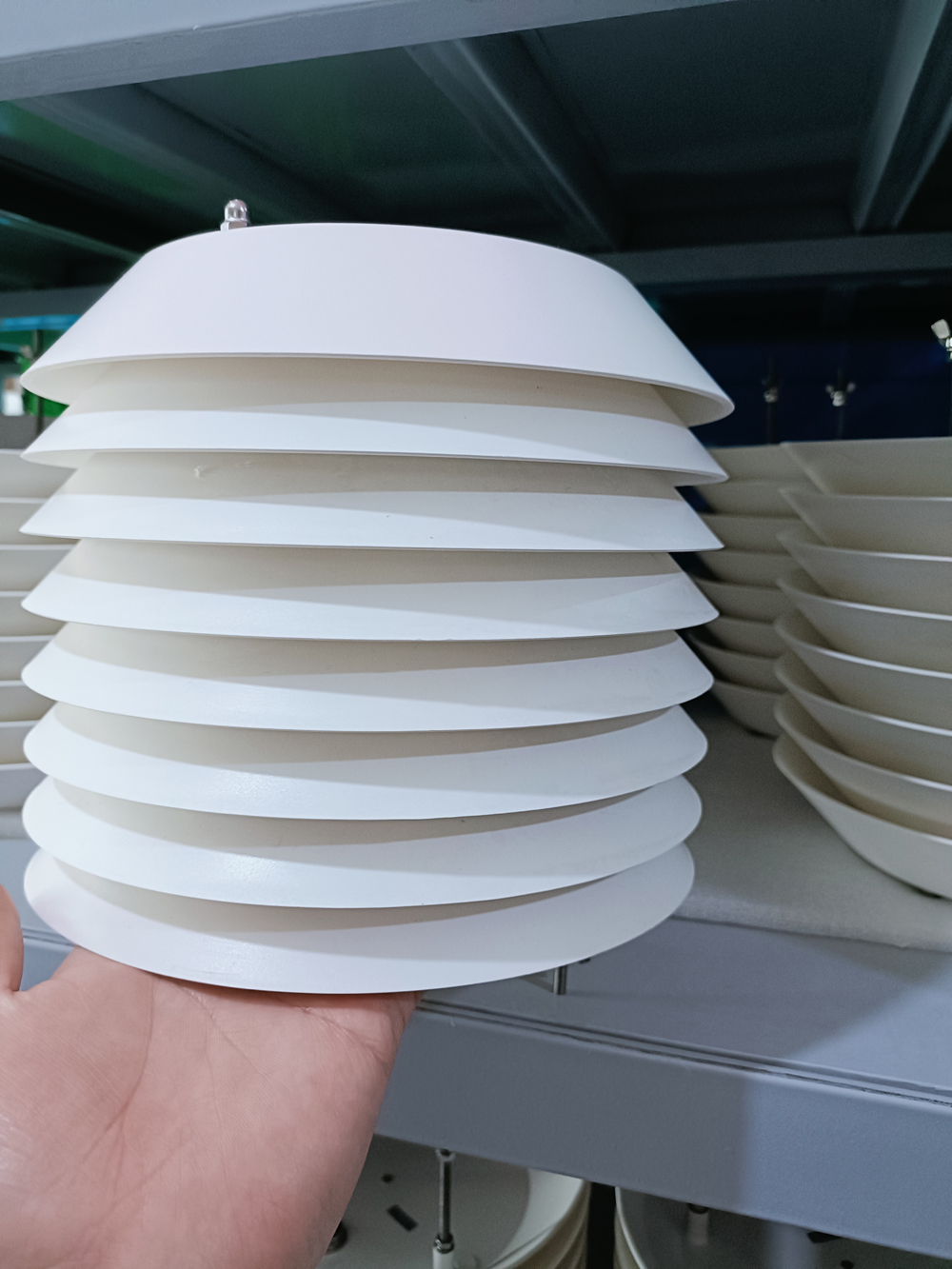
The NiuBoL NBL-W-PM uses imported lasers + high-sensitivity photoelectric components, based on the laser scattering principle for real-time detection of particles above 0.3 μm. Measurement ranges cover:
PM2.5: 0–1000 μg/m³
PM10: 0–2000 μg/m³
Key advantages include:
Built-in micro fan to ensure constant airflow and prevent particle deposition causing reading drift
Automatic calibration algorithm effectively compensates for temperature range -20℃~+60℃ and humidity 0~99% RH variations
Power consumption only 350 mW, suitable for solar-powered or low-power IoT nodes
Compared to traditional gravimetric or β-ray methods, laser scattering offers faster response time (<10 seconds), making it ideal for real-time monitoring and early warning scenarios. In industrial sites (such as steel mills, building material markets) or municipal road dust monitoring, this series maintains long-term data consistency and significantly reduces on-site maintenance frequency.
| Parameter | Specification |
|---|---|
| Measurement Range | PM2.5: 0–1000 μg/m³ PM10: 0–2000 μg/m³ |
| Relative Error | PM2.5, PM10: ±15% or ±10 μg/m³ maximum error (under 25℃, 50% RH conditions) |
| Minimum Detectable Particle | 0.3 μm diameter |
| Power Supply | DC 12V–24V (other voltages customizable) |
| Output Type | RS485 (Modbus RTU protocol, default) Other types customizable (e.g., 4–20mA, 0–5V) |
| Cable Length | Standard: 2.5 m Customizable lengths available |
| Operating Temperature | -20℃ ~ +60℃ |
| Operating Humidity | 0~99% RH (non-condensing) |
| Power Consumption | 350 mW |
The above parameters are standard configurations. NiuBoL supports customization based on actual project needs (e.g., voltage range, output protocol, protection rating upgrade to IP67, etc.).
In B2B procurement, PM2.5 sensor price is often the primary concern, but pursuing low cost alone can lead to sharply increased later maintenance expenses. Industrial-grade sensors require comprehensive evaluation of:
Mean Time Between Failures (MTBF)
Protection Rating (IP65 or higher)
Lifespan of laser and optical components (typically 5–7 years)
The NiuBoL NBL-W-PM offers competitive tiered pricing in bulk purchases (obvious discounts starting from 100 units) while guaranteeing industrial-grade lifespan and low drift characteristics. The low-power design further reduces overall system energy consumption, especially suitable for remote sites or distributed grid deployments.
It is recommended that integrators include Total Cost of Ownership (TCO) in price comparisons: covering initial procurement, installation and commissioning, periodic calibration, spare parts replacement, etc. Choosing reliable industrial-grade products often results in lower overall ownership costs over 3–5 years.
Modern environmental monitoring nodes typically integrate PM2.5/PM10 with meteorological five parameters (temperature, humidity, wind speed/direction, atmospheric pressure) or even noise and VOC, forming highly integrated data acquisition units.
The NBL-W-PM sensor supports:
Power Supply: DC 12–24V (compatible with common industrial site power supplies)
Output: RS485 (Modbus RTU protocol default), customizable 4–20mA, 0–5V, etc.
Cable: Standard 2.5 m, extendable or with waterproof connectors per project needs
Integration advantages:
Seamless docking with weather stations to form standard six-parameter or eight-parameter air quality stations
Supports edge computing nodes, uploading data to the cloud via LoRaWAN, NB-IoT, or 4G
Modular design for hot-swappable maintenance, reducing system downtime
In smart city projects, such integrated nodes enable rapid deployment to form high-density monitoring networks, supporting pollution source tracing, hotspot early warning, and big data analysis.
Municipal grid monitoring: Deploy nodes on main urban roads, residential areas, schools, etc., connected to city-level platforms for real-time AQI calculation and publication.
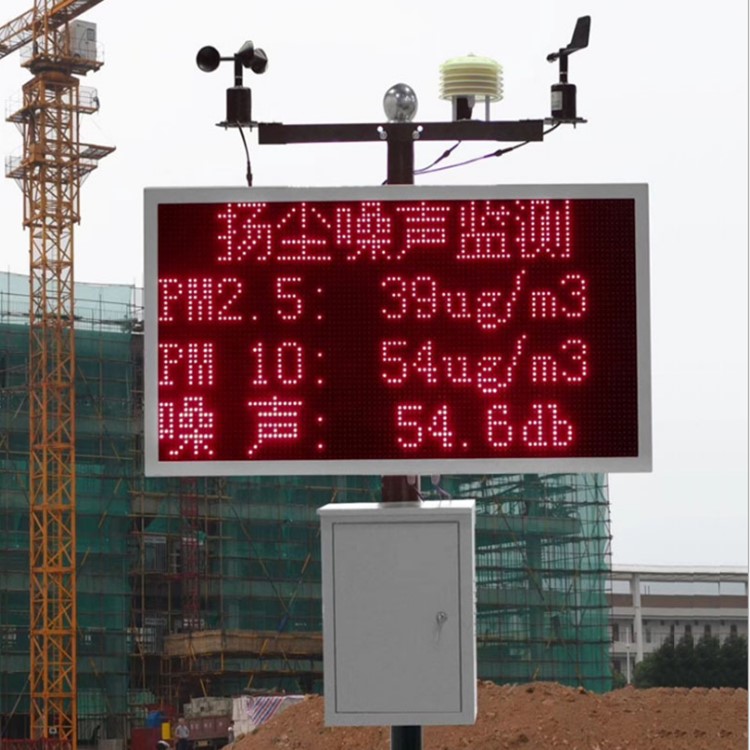
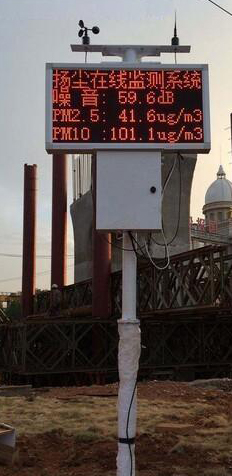
Construction site dust control: Linked with spraying systems to automatically trigger dust suppression when PM10 exceeds limits, meeting housing and urban-rural development department online monitoring requirements.
Industrial park emission monitoring: Installed at factory boundaries and sensitive points for internal environmental management and external regulatory reporting.
Traffic pollution monitoring: Deployed at highway service areas and tunnel entrances, combined with wind direction data to analyze motor vehicle exhaust diffusion patterns.
NiuBoL sensors have been validated by multiple system integrators in the above scenarios, with strong RS485 interface compatibility for quick integration into mainstream PLCs, gateways, and cloud platforms.
Evaluate in the following order during selection:
Environmental Adaptability: Does the operating temperature -20~+60℃ and humidity 0~99% RH cover on-site extreme conditions?
Range and Accuracy: Do PM2.5/PM10 ranges meet peak value requirements? Does the error comply with specifications?
Detection Limit: Minimum detectable 0.3 μm particles — does it meet fine particulate monitoring needs?
Interface and Protocol: Is RS485 mainstream? Need for customized analog output?
Power Consumption and Supply: Support for wide voltage input and low-power design?
Bulk Pricing and Lead Time: Does MOQ, discount tiers, and delivery schedule match project timeline?
Installation Location: Avoid direct exposure to exhaust outlets or strong light sources; recommend 1.5–3 m height
Power Management: Configure voltage stabilization modules to prevent voltage fluctuations from affecting laser lifespan
Following the above practices can significantly improve long-term system stability and data credibility.
NiuBoL supports:
OEM private labeling (client LOGO printing, housing customization)
Interface customization (adding LoRa, 4–20mA output, etc.)
Bulk supply (minimum order 50 units, better discounts for 500+ units)
Fast delivery (standard products within 1 week, customized within 1–2 weeks)
Strict factory testing (temperature-vibration cycling, EMC testing, etc.)
These services help integrators gain differentiated competitive advantages in bidding while reducing supply chain risks.
Q1: What is the typical lifespan of industrial-grade PM2.5/PM10 sensors in outdoor environments?
A: 3–5 years under normal conditions. Built-in fan + self-calibration function effectively extends optical component lifespan.
Q2: What are the advantages and disadvantages of laser scattering vs. β-ray methods?
A: Laser scattering offers faster response and less maintenance, suitable for real-time monitoring; β-ray provides stronger traceability but involves more complex equipment and higher costs.
Q3: Can the NBL-W-PM industrial PM2.5 and PM10 sensor connect to third-party IoT platforms?
A: Supports standard Modbus RTU for easy integration with IoT cloud platforms; protocol documentation available.
Q4: What factors affect bulk purchase pricing for PM2.5 sensors?
A: Primarily depends on quantity, customization level, and extended warranty inclusion. Obvious discounts start from 50–100 units.
Q5: Does it support wireless communication?
A: Standard RS485, optional LoRa module for wireless or remote sites without cabling.
The selection and integration of industrial-grade PM2.5 sensors, PM10 sensors, and outdoor air quality monitoring equipment directly determine project compliance, data quality, and long-term operational efficiency. The NiuBoL NBL-W-PM series, with high cost-performance, strong compatibility, and industrial-grade reliability, has become a stable partner for numerous system integrators.
If you are advancing smart city projects, online dust monitoring, industrial environmental governance, or similar initiatives, welcome to contact the NiuBoL engineering team. We can provide technical solution discussions and bulk quotes tailored to project needs. We look forward to partnering with you to build more reliable and intelligent environmental monitoring systems.
Related recommendations
Sensors & Weather Stations Catalog
 Agriculture Sensors and Weather Stations Catalog-NiuBoL.pdf
Weather Stations Catalog-NiuBoL.pdf
Agriculture Sensors Catalog-NiuBoL.pdf
Water Quality Sensor Catalog-NiuBoL.pdf
Related products
 Combined air temperature and relative humidity sensor
 TDR Soil Moisture & Temperature Sensor for irrigation| RS485 |4-20mA| NBL-S-THR
 Soil pH sensor RS485 soil Testing instrument soil ph meter for agriculture |NBL-S-PH
 Wind Speed sensor Output Modbus/RS485/Analog/0-5V/4-20mA
 Tipping bucket rain gauge for weather monitoring auto rainfall sensor RS485/Outdoor/stainless steel
 Pyranometer Solar Radiation Sensor 4-20mA/RS485

Screenshot, WhatsApp to identify the QR code
WhatsApp number:+8615367865107
(Click on WhatsApp to copy and add friends)

