





— Blogs —
—Products—
 Consumer hotline +8618073152920
 WhatsApp:+8615367865107
Address:Room 102, District D, Houhu Industrial Park, Yuelu District, Changsha City, Hunan Province, China
Product knowledge
Time:2026-03-08 14:53:49 Popularity:418
In the field of water environment monitoring, refined management of surface water and groundwater has become a core component of smart city construction. The water environment, as a complex dynamic equilibrium system encompassing surface water (rivers, lakes, reservoirs) and groundwater (shallow and deep layers), has its quality and flow data's real-time accuracy directly impacting disaster prevention, mitigation, and water resource scheduling decisions.
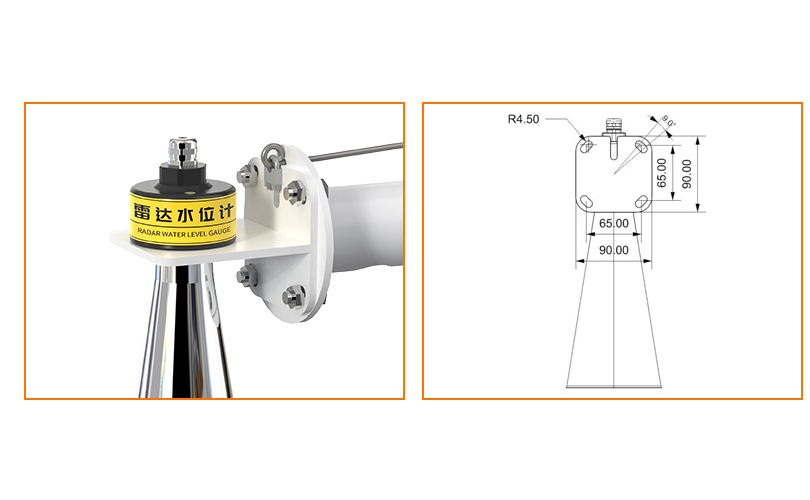
For system integrators (SI) and IoT solution providers, building a stable, low-power, and easily integrable flow and water quality monitoring system under complex conditions such as high sediment content, abundant floating debris, or upstream/downstream of dams is key to enhancing project competitiveness. NiuBoL is committed to providing industrial-grade sensing terminals, fusing non-contact microwave technology with underwater acoustic Doppler technology, to create closed-loop digital monitoring solutions for industry partners.
Water quality monitoring is not only an investigation of substances other than water molecules but also a quantification of ecosystem health. NiuBoL water quality detection instruments support free combinations of heavy metals and inorganic salts, meeting different requirements of environmental quality standards and pollutant discharge standards.
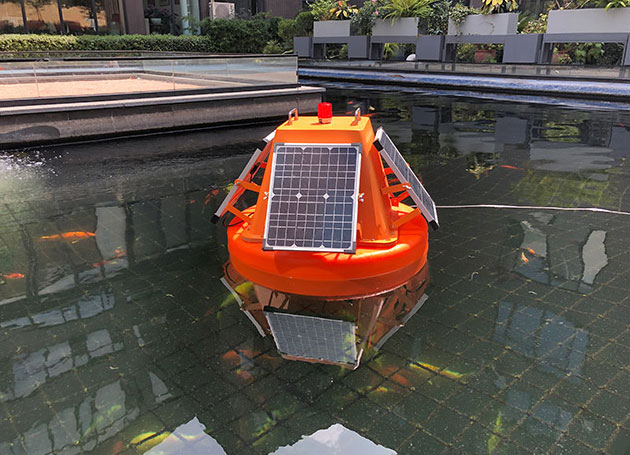
| Indicator Category | Covered Parameters | Engineering Value of Application |
|---|---|---|
| Physical Indicators | Turbidity, Chroma, Suspended Solids (SS) | Assess water clarity and sediment load |
| Inorganic Salts | Residual Chlorine, Total Chlorine, Chlorine Dioxide | Drinking water safety and industrial circulating water sterilization monitoring |
| Nutrients/Toxicity | Ammonia Nitrogen, Nitrite, Nitrate, Cyanide | Assess agricultural runoff pollution and industrial discharge toxicity |
| Heavy Metals | Copper, Hexavalent Chromium, Manganese, Iron, Zinc, Aluminum | Tracing heavy metal pollution in mining areas and electric drainage stations |
| Core Comprehensive Indicators | COD, Hardness, Phosphate, Sulfate | Comprehensively characterize water quality and chemical oxygen demand |
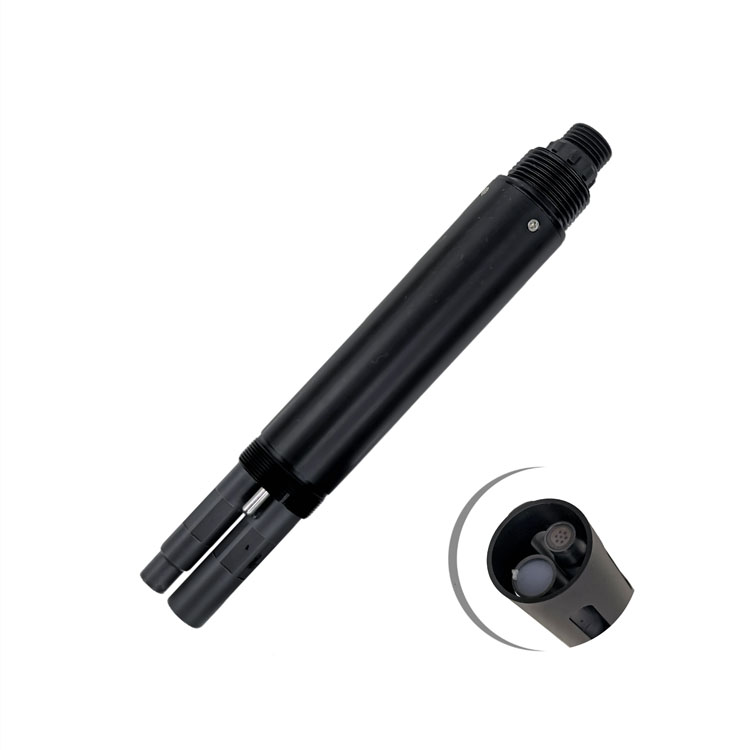
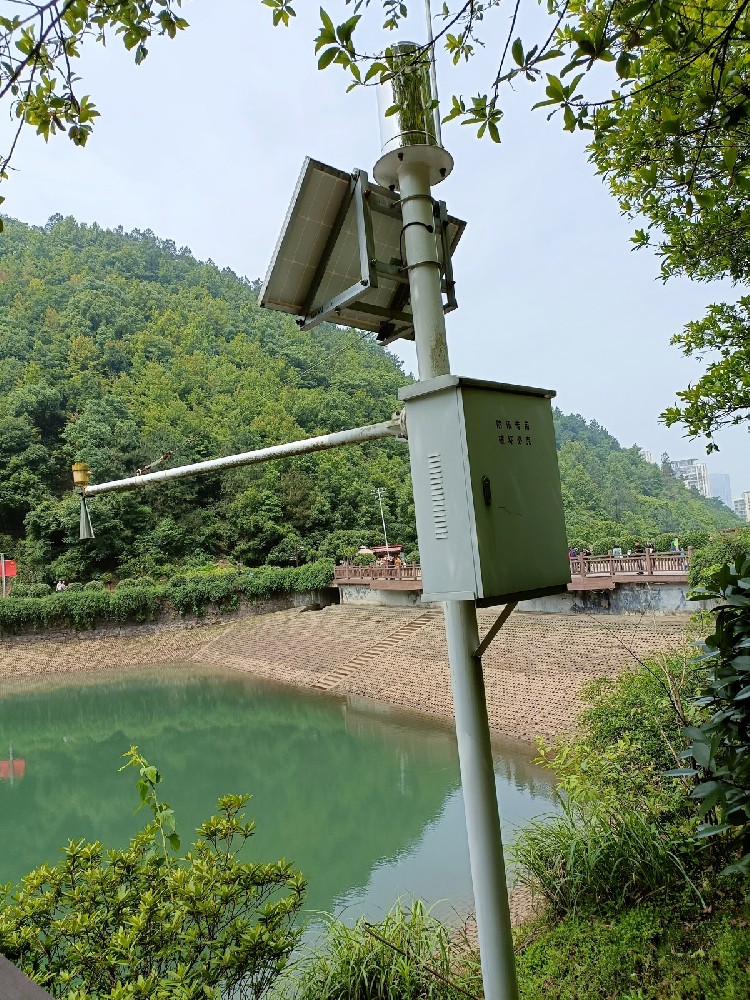
In river sections affected by water conservancy project regulation, traditional current meter methods can no longer meet high-frequency monitoring needs. NiuBoL online flow monitoring system adopts a "shore-based + underwater" combined architecture to solve flow measurement challenges under extreme conditions.
1. Shore-based Non-Contact Radar Velocity Measurement System
Based on microwave Doppler effect, measures surface flow velocity in a non-contact manner.
Anti-interference: Unaffected by floating debris on water surface, sediment content, or river pollutants.
High reliability: In extreme environments such as floods and disasters, the equipment does not need to enter water, avoiding damage due to physical impact.
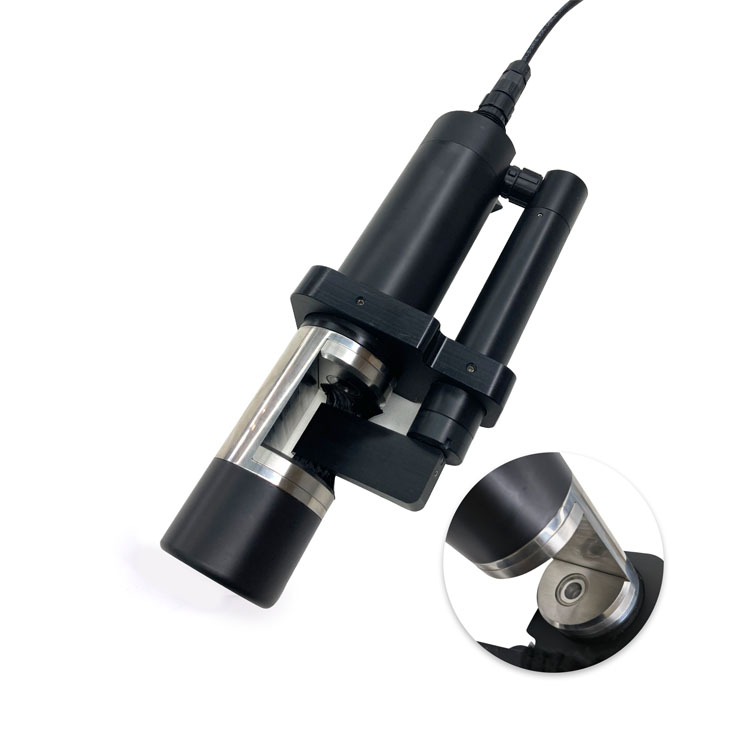
2. Underwater Horizontal Acoustic Doppler Current Profiler (H-ADCP)
Uses acoustic Doppler principle to monitor flow velocity distribution at specific underwater layers.
Depth perception: Obtains cross-sectional flow velocity profile data through multi-unit measurement.
Intelligent verification: Cross-comparison with radar wave surface velocity, comprehensive intelligent analysis through built-in algorithms.
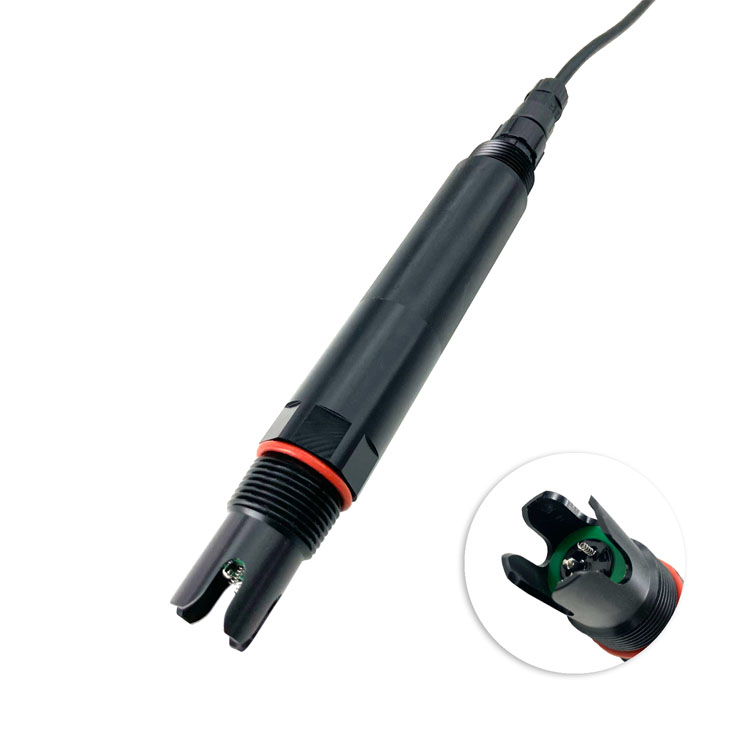
| Parameter Item | Technical Specifications | Advantage Description |
|---|---|---|
| Measurement Principle | Radar Microwave (24GHz) / Acoustic Doppler (ADCP) | Dual-system complementarity, eliminating monitoring blind spots |
| Velocity Range | 0.02 ~ 20m/s | Meets measurement requirements for dry periods and extreme flood peaks |
| Water Level Range | 0.1 ~ 40m (expandable) | High-precision pressure or radar water level gauge |
| Flow Accuracy | ±2% ~ ±5% | Combined with cross-section modeling, data complies with national hydrological regulations |
| Communication Interface | RS485 / RS232 (Modbus-RTU) | Easy integration into various RTUs or PLCs |
| Protection Rating | IP68 (underwater part) / IP67 (shore-based part) | Industrial-grade sealing, supports long-term outdoor operation |
| Operating Temperature | -40℃ ~ +85℃ | Covers cold regions and high-temperature/high-humidity environments |
1. Irrigation Canal and Open Channel Flow Monitoring
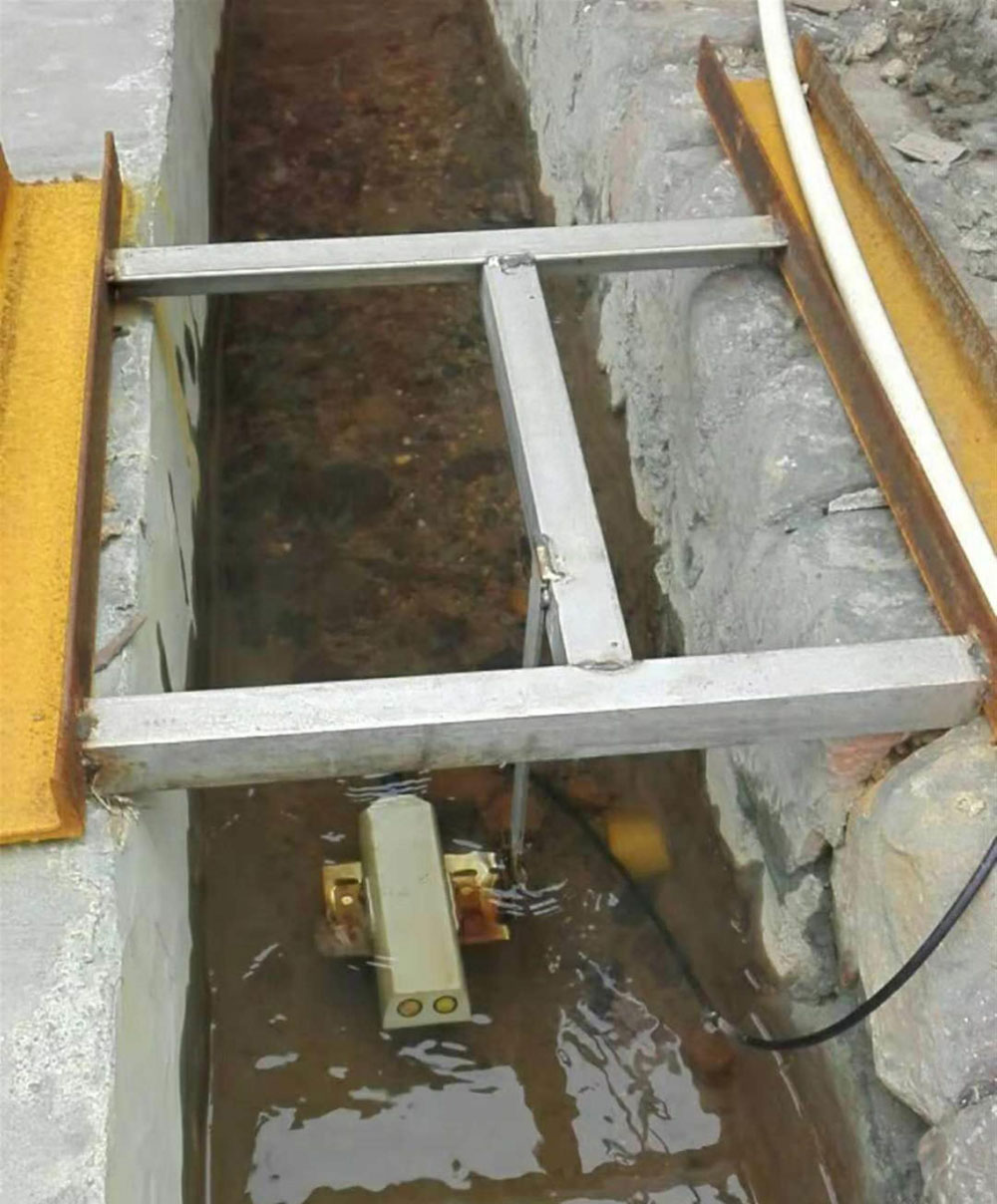
In agricultural water price comprehensive reform projects, NiuBoL flow meters enable precise metering at the end of irrigation district canal systems. Due to the compact size and easy maintenance of the system, it is particularly suitable for large-scale deployment in remote U-shaped channels or rectangular channels.
2. Urban Underground Drainage Pipe Network
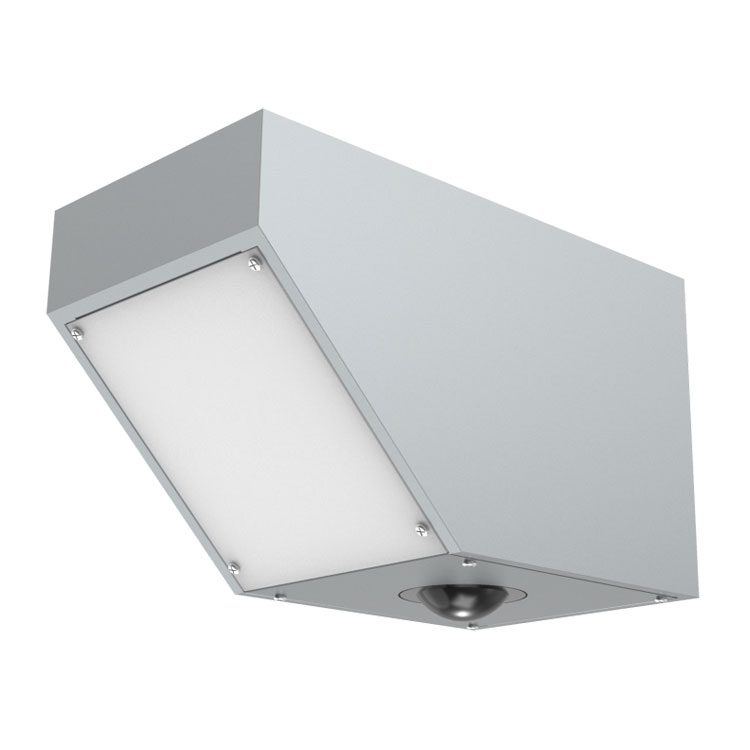
For characteristics of large water level fluctuations and high impurity content in underground pipe networks, non-contact radar flow meters can be installed in inspection wells to monitor pipe network load in real time, providing key data support for urban flood control and early warning.
3. Reservoir Dam Flow Scheduling
In upstream and downstream of reservoir dams in water storage projects, the combined flow measurement system enables 24-hour continuous observation of discharge flow, providing scientific basis for ecological replenishment and power scheduling.
Q1: How to choose between radar wave flow meter and ultrasonic flow meter for river channel measurement?
A1: Radar wave is non-contact measurement, suitable for river sections with turbulent flow, high sediment, or prone to flash floods; ultrasonic (time-of-flight method) usually requires underwater transducer installation, suitable for clear water quality, stable water level closed channels or large-diameter pipelines.
Q2: Will underwater ADCP cause data failure due to sediment deposition?
A2: NiuBoL's combined system has self-diagnostic function. When underwater sensor signal attenuates due to deposition, the system automatically switches to shore-based radar wave main mode and compensates calculation through water level-velocity empirical formula.
Q3: Does the water quality monitor support on-site multi-parameter expansion?
A3: Yes. NiuBoL instruments adopt modular design, allowing integrators to flexibly add monitoring modules such as residual chlorine, total phosphorus, heavy metals according to site needs, with unified collection via RS485 bus.
Q4: Is non-contact measurement greatly affected by surface waves and rainfall?
A4: NiuBoL adopts advanced signal processing algorithms to filter out rainfall echo interference. For waves caused by strong winds, the system has built-in smoothing filtering mechanism to ensure stability of velocity calculation.
Q5: How does the flow meter perform at extremely low velocities (less than 0.05m/s)?
A5: At extremely low velocities, Doppler frequency shift of radar echo is small. At this time, the system usually cooperates with H-ADCP or static pressure water level gauge to calculate head difference to maintain measurement accuracy.
Q6: How to solve remote data transmission problems in remote areas?
A6: NiuBoL transmitters can be equipped with 4G/5G or LoRa remote transmission terminals, supporting breakpoint continuation and local storage to ensure data is not lost under unstable communication signals.
Q7: What is the calibration cycle for water quality monitoring equipment?
A7: Depends on on-site water pollution degree. Generally, heavy metals and inorganic salt modules are recommended for calibration with standard solutions every 3-6 months.
Q8: Does system installation have special requirements for river cross-sections?
A8: To ensure representativeness of velocity calculation, it is recommended to select straight river sections with uniform flow. Upstream should have a straight section of 5-10 times water surface width, downstream 2-5 times.
Water environment monitoring is a systematic project. From multi-parameter perception of water quality to real-time online monitoring of flow, each piece of data is the core of the smart water affairs architecture. With deep expertise in microwave technology, acoustic technology, and chemical sensors, NiuBoL provides system integrators with highly reliable and highly compatible hardware foundations.
In the future construction of water ecological civilization, NiuBoL will continue to iterate environmental sensing technology to help project contractors achieve higher-dimensional digital asset value.
If you need installation guidance for specific cross-sections, water quality parameter register address tables, or complete integration solutions, please contact the NiuBoL industrial marketing support team.
Prev:NiuBoL Radar Water Level Gauge: Full Engineering Guide for Installation, Operation, and Maintenance
Related recommendations
Sensors & Weather Stations Catalog
 Agriculture Sensors and Weather Stations Catalog-NiuBoL.pdf
Weather Stations Catalog-NiuBoL.pdf
Agriculture Sensors Catalog-NiuBoL.pdf
Water Quality Sensor Catalog-NiuBoL.pdf
Related products
 Combined air temperature and relative humidity sensor
 Soil Moisture Temperature sensor for irrigation|NBL-S-THR
 Soil pH sensor RS485 soil Testing instrument soil ph meter for agriculture |NBL-S-PH
 Wind Speed sensor Output Modbus/RS485/Analog/0-5V/4-20mA
 Tipping bucket rain gauge for weather monitoring auto rainfall sensor RS485/Outdoor/stainless steel
 Pyranometer Solar Radiation Sensor 4-20mA/RS485

Screenshot, WhatsApp to identify the QR code
WhatsApp number:+8615367865107
(Click on WhatsApp to copy and add friends)

