





— Blogs —
—Products—
 Consumer hotline +8618073152920
 WhatsApp:+8615367865107
Address:Room 102, District D, Houhu Industrial Park, Yuelu District, Changsha City, Hunan Province, China
Product knowledge
Time:2026-01-22 10:25:22 Popularity:628
In the context of water conservancy informatization and irrigation district modernization, precise real-time flow monitoring of channels and rivers has become a key link in improving water resource utilization efficiency and ensuring flood safety. The NiuBoL open channel flow monitoring system, leveraging high-frequency radar sensing technology and non-contact measurement advantages, provides a highly reliable, low-maintenance automated solution for main channels, irrigation districts, and river hydrological monitoring.
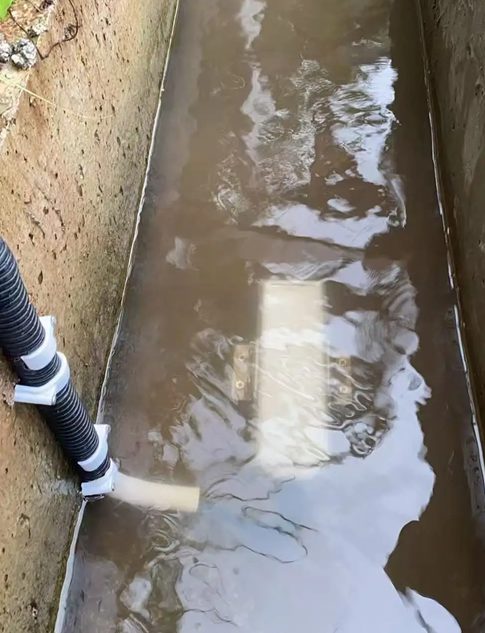
Open channels are widely present in farmland irrigation, urban drainage, and industrial water diversion systems. Unlike pressure pipelines, open channel flow is gravity-driven with a free surface. Traditional velocity meters or water level gauges often face large measurement blind zones and sensor vulnerability to damage when dealing with complex sediment environments or channels with substantial domestic garbage.
The NiuBoL open channel flow monitoring system enables uninterrupted full-process flow recording. Its core values include:
Agricultural irrigation decision-making: Providing precise water distribution data at diversion points for irrigation districts, ensuring fair water resource allocation and preventing drought.
Facility operation and maintenance: Detecting channel siltation, leakage, or blockage in real time through data, extending facility service life.
Flood control and disaster mitigation early warning: Real-time tracking of water level and flow changes during flood season, providing scientific support for river navigation and flood dispatching.
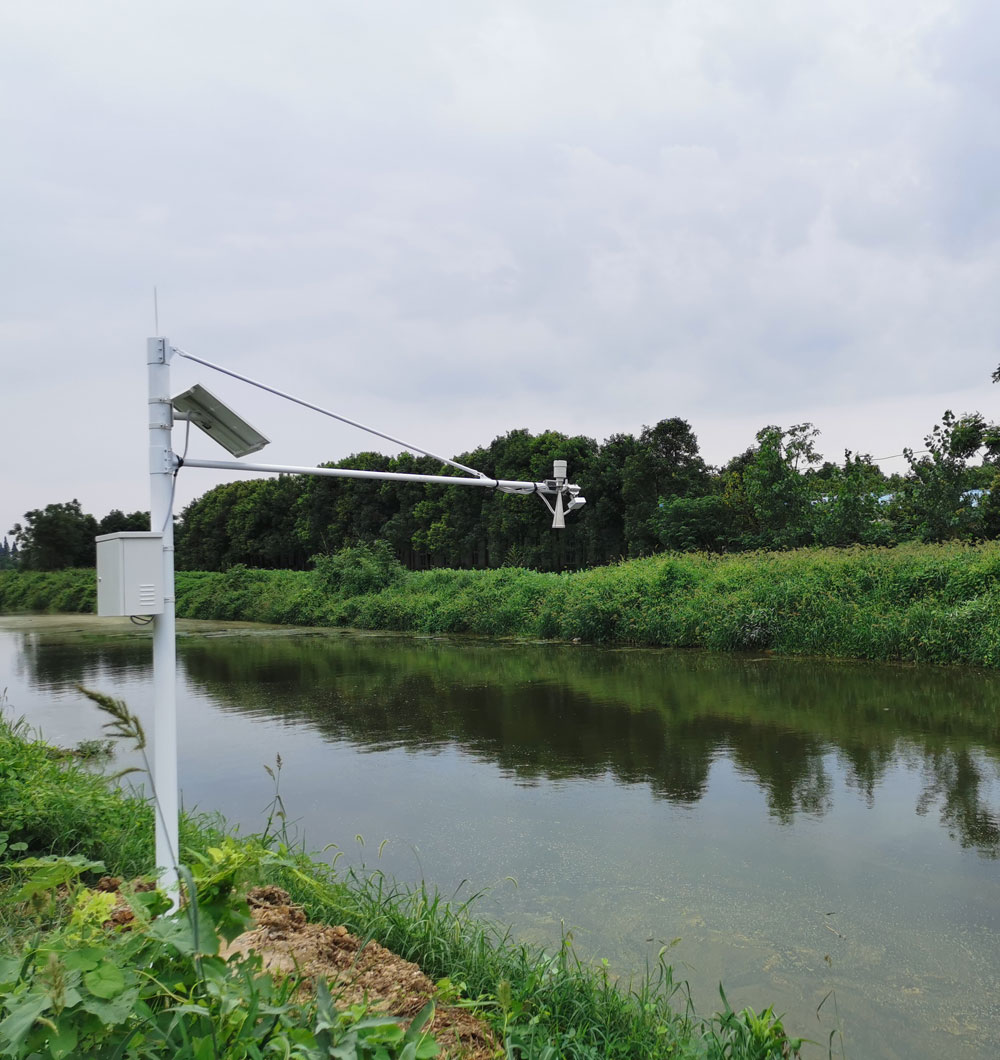
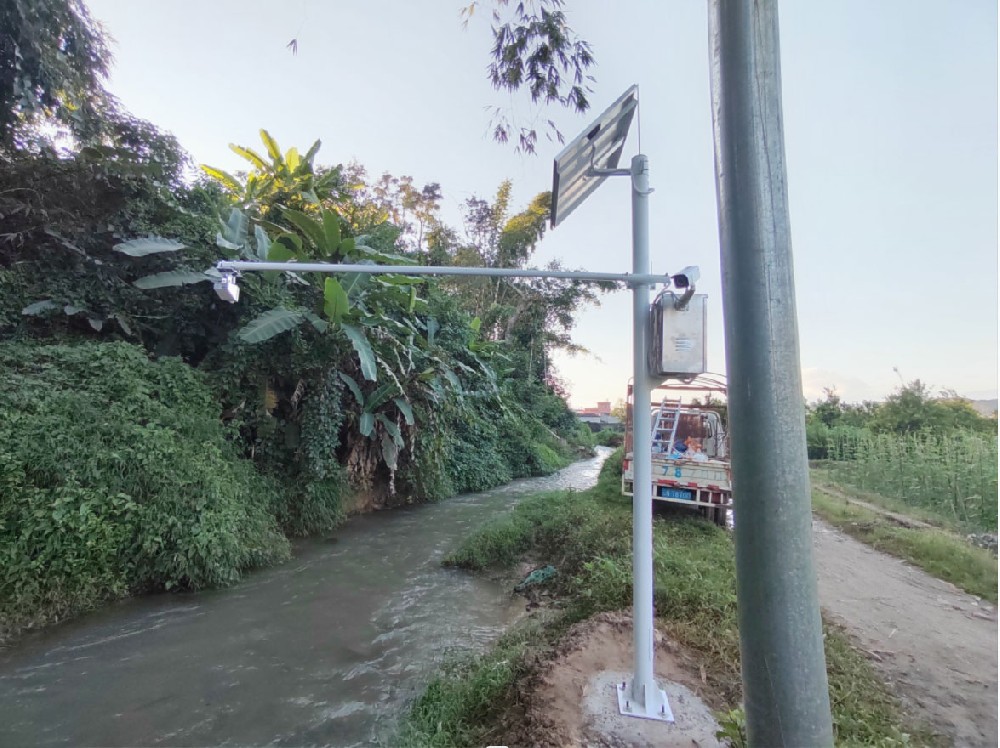
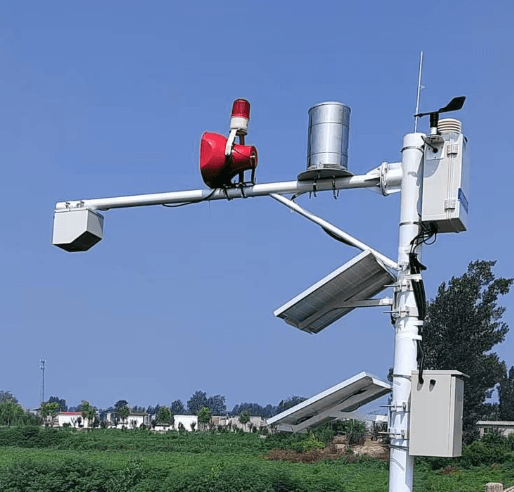
The NiuBoL open channel flow monitoring system is not a single sensor but a collaborative overall architecture, mainly consisting of the following five components:
Radar water level/velocity/flow three-in-one sensor: The brain of the system, responsible for perceiving physical quantities.
Remote Telemetry Unit (RTU): Responsible for data acquisition, protocol conversion, and local logic control.
Solar power supply system: Composed of 60W solar panel and 30Ah battery, ensuring 24/7 uninterrupted power supply in the field.
Pole and mechanical bracket: Adopting hot-dip galvanized spray coating process to ensure structural stability in outdoor environments.
Lightning protection and grounding system: Providing comprehensive protection against induced lightning strikes for electronic equipment in open outdoor areas.
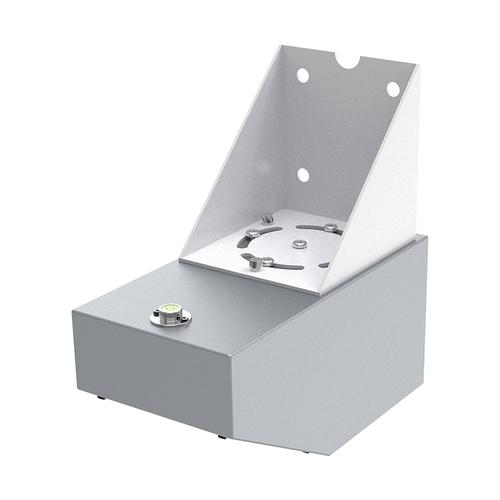
The extremely high stability of this system stems from its non-contact measurement approach.
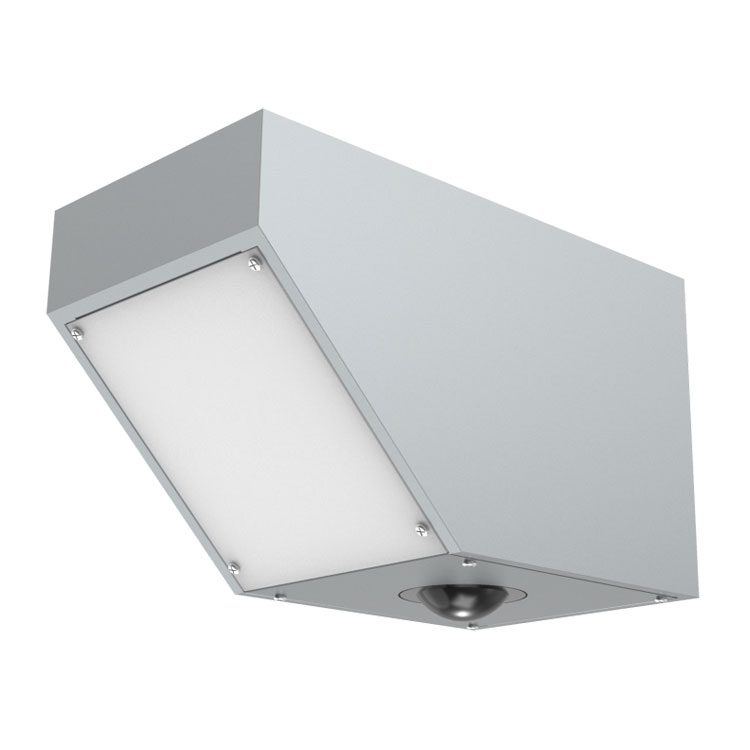
Based on the Doppler effect, the velocity radar transmits 24GHz microwave signals and calculates surface flow velocity by receiving the frequency shift of echoes reflected from the water surface. This method is unaffected by sediment content, weeds, floating debris, or chemical pollution.
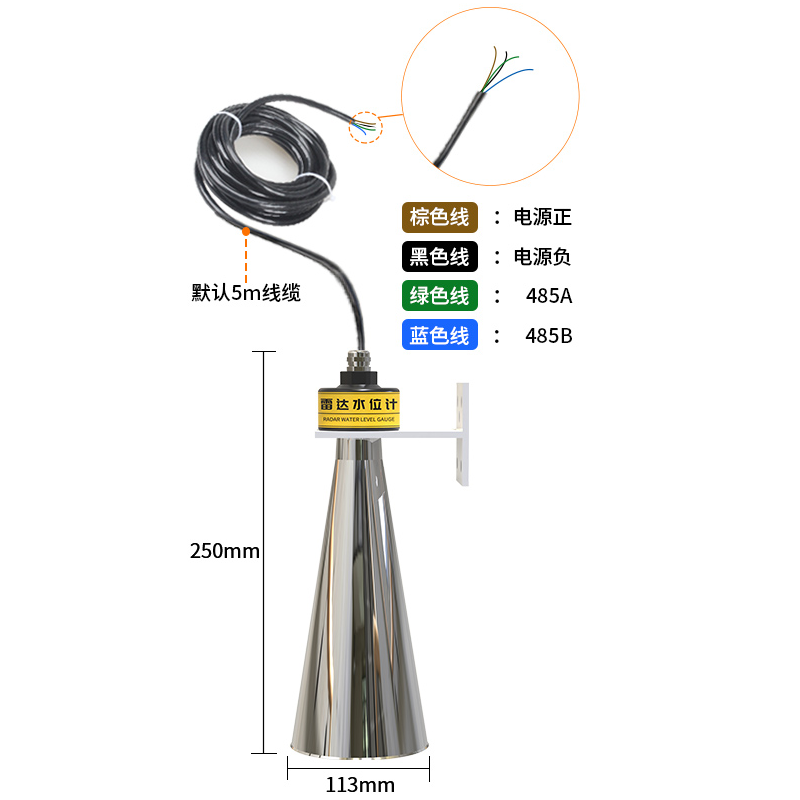
Adopting high-frequency pulse radar technology (76-81GHz), the sensor is suspended above the channel via a cross arm, calculating water level height using the round-trip time difference of electromagnetic waves. Compared to traditional ultrasonic water level gauges, radar technology is immune to temperature variations or fog interference, achieving accuracy of ±1mm.
After collecting surface flow velocity, the system calculates the average cross-sectional flow velocity using built-in hydraulic models. Combined with real-time water level data and preset cross-section geometric parameters (rectangular, U-shaped, or trapezoidal), real-time flow is computed using the following formula:
Flow = Average velocity × Wetted cross-sectional area × Correction coefficient
The correction coefficient is precisely calibrated according to the actual installation environment (channel roughness, slope, etc.).
| Parameter Item | Technical Performance/Specification |
|---|---|
| Power Supply Voltage | DC 10-30V |
| Maximum Power Consumption | 1.3W (acquisition mode) |
| Velocity Measurement Frequency/Range | 24.00GHz / 0.1 ~ 20m/s |
| Velocity Measurement Accuracy/Resolution | ±2% / 0.01m/s |
| Ranging Frequency/Range | 76-81GHz / 0.1 ~ 65m |
| Ranging Accuracy/Resolution | ±1mm / 1mm |
| Communication Interface | RS485 (supports Modbus-RTU protocol) |
| Ambient Temperature | -40℃ to +80℃ |
| Protection Rating | IP67 |
All-weather maintenance-free: Since the sensor has no contact with the water body, it completely eliminates physical damage from sediment deposition, biological fouling, and acid/alkali corrosion.
High-precision data output: High-frequency water level radar above 76GHz achieves millimeter-level ranging resolution, particularly suitable for plain channel systems with small water level fluctuations.
Wide voltage compatibility: 10-30V wide voltage input perfectly matches solar systems, maintaining stable operation even during battery voltage fluctuations in extreme weather.
Powerful communication capability: Supports standard Modbus-RTU protocol, enabling integration with NiuBoL cloud platform or long-range transmission to third-party systems via LoRaWAN.
Strong multi-scenario adaptability: Maintains accurate measurement in slow-flow drainage ditches, high-velocity flood discharge channels, and high-sediment channels such as those in the Yellow River basin.

1. Modern Smart Irrigation District Construction
In large-scale irrigation districts, equitable water distribution in main and branch channels is critical. The NiuBoL open channel flow monitoring system can automatically accumulate daily and monthly water usage, providing a foundation for water rights trading and water-saving incentive mechanisms.
2. River Channel Flow Automated Monitoring
The system simultaneously monitors water level, velocity, flow, and rainfall. During flood warning operations, it provides real-time flow change feedback, enabling flood control offices to make evacuation decisions before flood peaks arrive.
3. Industrial Wastewater Discharge Supervision
For enterprises with open channel discharge outlets (chemical plants, printing & dyeing factories, etc.), the system enables 24-hour monitoring of drainage flow, ensuring regulatory compliance and effectively combating illegal discharge and leakage.
Q1: The radar velocity meter measures surface velocity. How is it converted to average velocity?
A: The NiuBoL system has built-in correction coefficient models for different channel cross-sections. According to hydrological standards, average velocity is typically 0.85–0.9 times surface velocity. During initial installation, we calibrate the correction coefficient using on-site measured data to ensure flow data accuracy.
Q2: Will large areas of duckweed or floating garbage on the water surface interfere with measurement?
A: Small amounts of floating debris do not interfere with radar echoes. Extremely severe duckweed coverage may absorb radar signals, but in most flowing water surfaces, radar technology can accurately extract flow frequency through spectral analysis.
Q3: How does the system handle winter ice cover?
A: If the channel is completely frozen, the radar water level gauge measures the ice surface height. The non-contact design prevents sensor damage from ice pressure. Once ice and snow melt, the system automatically resumes normal flow monitoring.
Q4: How long can the solar power system sustain operation?
A: In a fully charged state with no sunlight, the battery can support continuous RTU and sensor operation for 15–20 days. With a 60W solar panel, supply-demand balance can be maintained even during northern winters.
Q5: Can rainfall be monitored simultaneously?
A: Yes. The NiuBoL open channel flow monitoring system supports external connection to a tipping bucket rain gauge, achieving integrated monitoring of water level, flow, and rainfall (“water-rain condition integration”).
Q6: Can data be viewed on a mobile phone APP?
A: Yes. Data is uploaded to the NiuBoL cloud platform via RTU, allowing users to view real-time curves, historical records, and alarm information on web browsers or mobile APPs.
The NiuBoL open channel flow monitoring system combines high-frequency microwave technology with intelligent data processing, overcoming many limitations of traditional flow measurement methods in field environments. Its non-contact, high-precision, and low-maintenance characteristics make it an indispensable technical foundation for smart water conservancy and smart irrigation district construction. Whether for wide rivers or narrow drainage channels, NiuBoL can provide you with detailed, transparent, and real-time hydrological data support.
Related recommendations
Sensors & Weather Stations Catalog
 Agriculture Sensors and Weather Stations Catalog-NiuBoL.pdf
Weather Stations Catalog-NiuBoL.pdf
Agriculture Sensors Catalog-NiuBoL.pdf
Water Quality Sensor Catalog-NiuBoL.pdf
Related products
 Combined air temperature and relative humidity sensor
 TDR Soil Moisture & Temperature Sensor for irrigation| RS485 |4-20mA| NBL-S-THR
 Soil pH sensor RS485 soil Testing instrument soil ph meter for agriculture |NBL-S-PH
 Wind Speed sensor Output Modbus/RS485/Analog/0-5V/4-20mA
 Tipping bucket rain gauge for weather monitoring auto rainfall sensor RS485/Outdoor/stainless steel
 Pyranometer Solar Radiation Sensor 4-20mA/RS485

Screenshot, WhatsApp to identify the QR code
WhatsApp number:+8615367865107
(Click on WhatsApp to copy and add friends)

