





— Blogs —
—Products—
 Consumer hotline +8618073152920
 WhatsApp:+8615367865107
Address:Room 102, District D, Houhu Industrial Park, Yuelu District, Changsha City, Hunan Province, China
Product knowledge
Time:2026-04-20 14:51:21 Popularity:412
With the intensive development of the pharmaceutical and chemical industry, the wastewater discharged during production has become one of the most challenging tasks in the environmental protection engineering field due to its high load, strong toxicity, and extremely complex composition. For system integrators and engineering contractors, a deep understanding of the physical and chemical characteristics of the wastewater is the logical starting point for designing highly reliable treatment systems.
Before constructing the treatment process flow, the core characteristics of the wastewater must be analyzed through precise online monitoring data. Pharmaceutical and chemical wastewater usually exhibits the obvious “three highs and one many” characteristics:
Due to the extensive use of acid-base adjustment and neutralization reactions in the pharmaceutical and chemical manufacturing process, the wastewater produced has extremely high salinity, and the total salinity of wastewater in some sections even exceeds 100,000 mg/L.
Ionic Concentration Suppression: Extremely high concentrations of Cl⁻ and SO₄²⁻ ions produce high osmotic pressure, causing microbial cells to lose water and undergo plasmolysis.
Biochemical System Failure: Studies have shown that when Cl⁻ concentration exceeds 2,000 mg/L, microbial activity is limited; when it exceeds 8,000 mg/L, it will cause large-scale death of microorganisms and sludge bulking, rendering conventional biochemical methods completely ineffective.
The chemical oxygen demand (COD) and five-day biochemical oxygen demand (BOD₅) of pharmaceutical wastewater far exceed those of general industrial wastewater.
Dissolved Oxygen Depletion: If such wastewater is directly discharged into water bodies, it will rapidly deplete dissolved oxygen, causing aquatic organisms to die due to hypoxia.
Nutrient Imbalance: The wastewater contains a wide variety of organic substances, and the carbon, nitrogen, and phosphorus ratios are often in a serious imbalance, increasing the difficulty of biochemical treatment commissioning.
The wastewater contains a large amount of residual pharmaceutical intermediates, solvents, and by-products.
Biological Toxicity: It contains nitrogen heterocycles, aromatic amines, phenols, cyanides, etc. These substances are not only difficult for microorganisms to degrade but also act like “invisible killers” threatening the ecological safety of receiving water bodies and human drinking water environments.
Degradation Barriers: Many synthetic drugs have strong chemical stability and high hydrophobicity, requiring specific advanced oxidation processes to break chains and transform them.
In response to the above characteristics, NiuBoL recommends adopting the comprehensive process route of “quality-based pretreatment + enhanced biochemical + advanced purification”, utilizing intelligent online monitoring to achieve efficient linkage of each unit.
Evaporation and Crystallization (MVR/Multi-Effect Evaporation): For high-salt mother liquor, evaporation technology is used to extract inorganic salts and reduce TDS to the range tolerated by the biochemical system.
Advanced Oxidation (Fenton/Micro-Electrolysis): Strong oxidation technology is used to destroy complex organic molecules, improve the B/C ratio of wastewater, and enhance biodegradability.
UASB/IC Anaerobic Reactor: Handles ultra-high concentration organic loads and reduces operating costs through the methanogenesis process.
MBR Membrane Bioreactor: Combines membrane separation technology to maintain high sludge concentration and ensure near-zero effluent suspended solids.
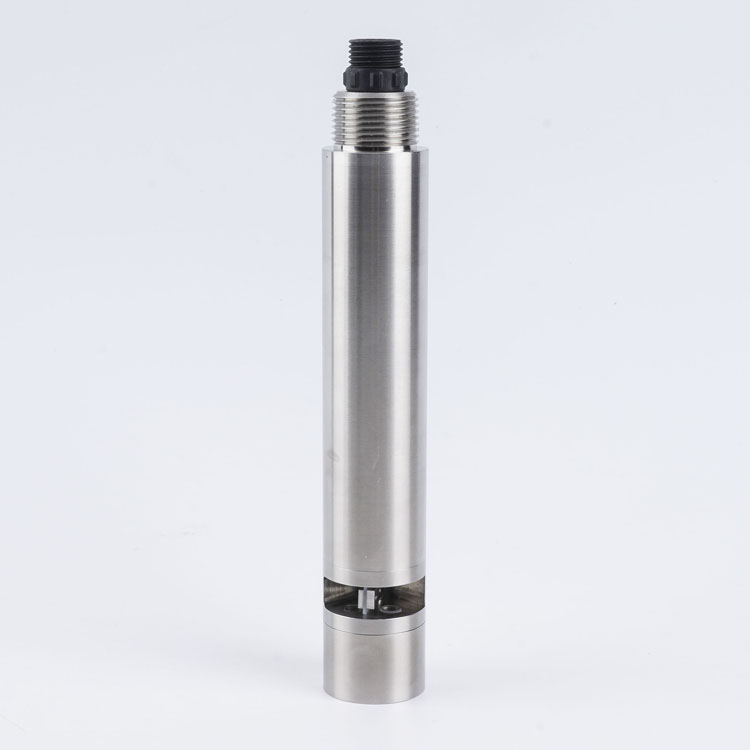
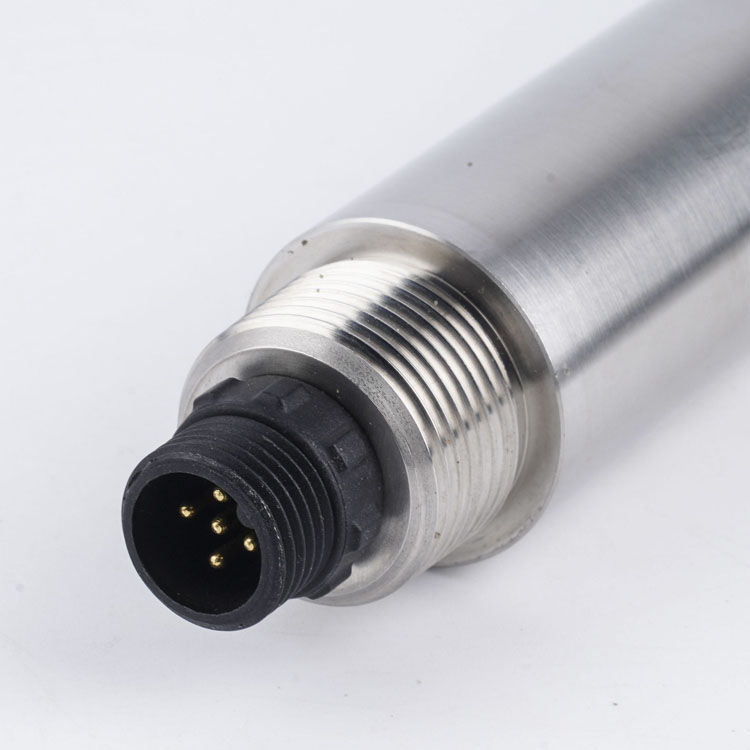
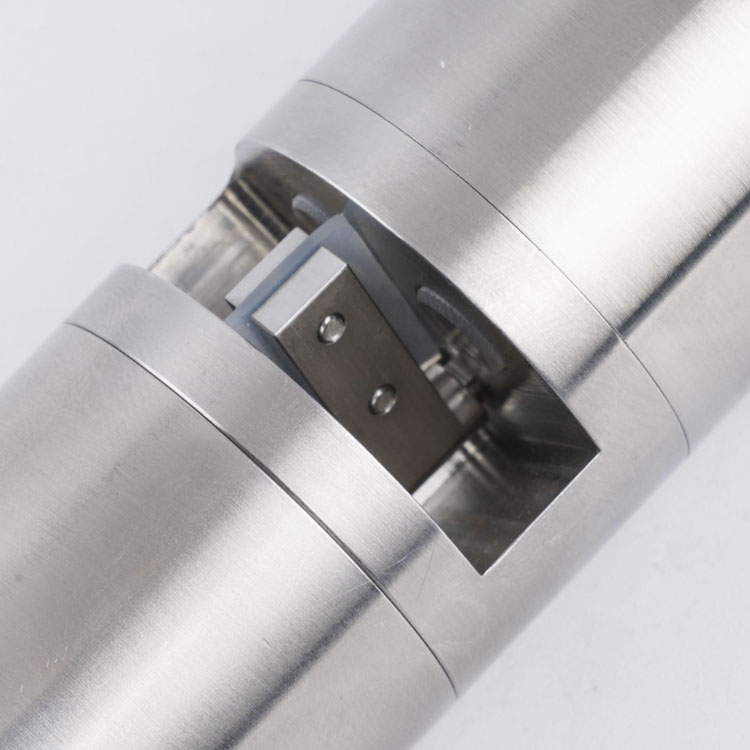
In B2B engineering projects, real-time monitoring data is the “eye” of the automation control system. NiuBoL provides industrial-grade sensor components for partners, supporting the RS485 (Modbus-RTU) protocol to ensure long-term stable system operation.
| Key Monitoring Parameter | Sensor Type | Range/Accuracy | Industrial Application Value |
|---|---|---|---|
| COD | Ultraviolet Absorption Method (UV254) | 0–1000 mg/L (customizable) | Real-time monitoring of organic load fluctuations |
| Conductivity/TDS | Industrial Inductive Type | 0–2000 ms/cm | Monitor desalination efficiency and prevent shock loads |
| pH/ORP | Industrial Composite Electrode | 0–14 pH / ±0.1 | Core control for automated neutralization dosing |
| Ammonia Nitrogen (NH3-N) | Ion Selective Electrode Method | 0.1–1000 mg/L | Evaluate conversion efficiency of denitrification process |
| Dissolved Oxygen (DO) | Fluorescence Method (Membrane-Free) | 0–20 mg/L | Optimize aerobic aeration and save power consumption |
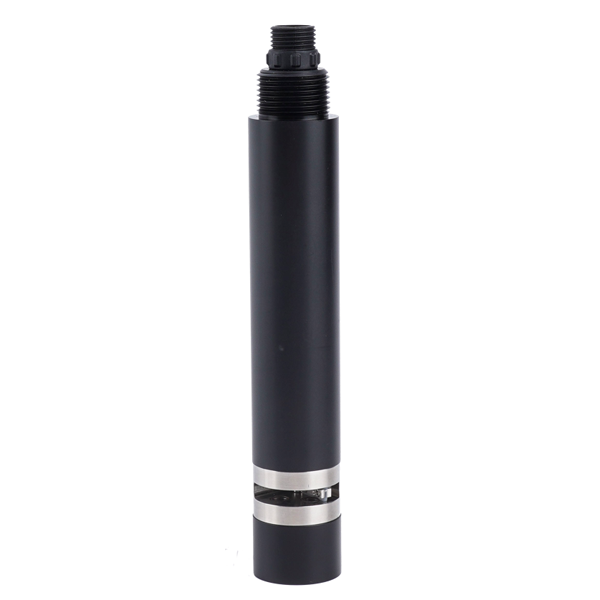
A: An MVR or multi-effect evaporation system must be placed before the biochemical section. NiuBoL conductivity sensors can monitor residual salt after desalination online to ensure that the water quality entering the biochemical tank does not affect bacterial activity.
A: Yes. High-concentration antibiotics have bacteriostatic properties. It is recommended to first use iron-carbon micro-electrolysis or ozone oxidation to open the drug molecule rings, reduce biological toxicity, and then perform biochemical treatment.
A: Pharmaceutical wastewater has complex composition, and electrochemical membrane sensors are easily contaminated and passivated by chemical substances. Fluorescence sensors require no membrane replacement and are pollution-resistant, with extremely low maintenance costs.
A: RS485 uses differential signal transmission and has extremely strong anti-electromagnetic interference capability, making it suitable for long-distance wiring in chemical plants integrated into central PLC control cabinets.
A: Real-time COD monitoring allows integrators to detect influent anomalies at the first time, promptly switch to accident regulation tanks, and prevent the entire biochemical system from collapsing due to high-load impact.
A: Through real-time feedback control of dosing pumps using pH and ORP sensors, excessive dosing of alkali or oxidant is avoided, significantly reducing operating costs and chemical sludge.
A: Yes. Through the NiuBoL gateway, RS485 signals can be converted to 4G/5G or cloud protocols, facilitating remote operation and maintenance by engineering companies.
A: Generally, after deep double-membrane treatment, its conductivity and COD indicators must meet the circulating cooling water make-up standard.
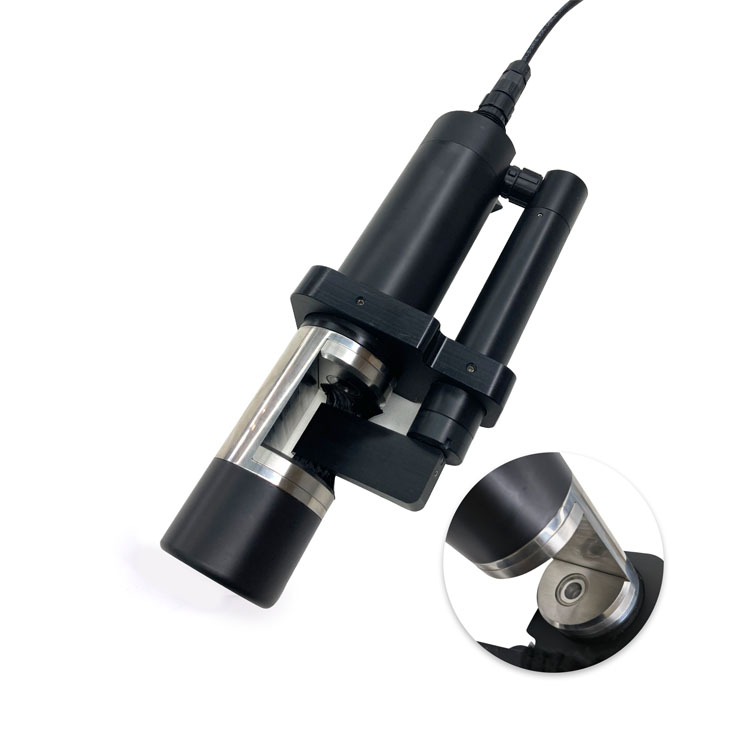
The treatment of pharmaceutical and chemical wastewater not only requires scientific process routes but also relies on precise monitoring feedback. NiuBoL is committed to providing partners with full solutions from the perception layer to the data layer. By deeply analyzing the basic characteristics of wastewater and combining automated online monitoring technology, engineering contractors can build a more stable, green, and regulation-compliant treatment platform for pharmaceutical enterprises, achieving a win-win of economic and ecological benefits.
 NBL-NHN-302 Industrial-grade Multi-parameter Online Ammonia Nitrogen Sensor.pdf
NBL-RDO-206 Online Fluorescence Dissolved Oxygen Sensor.pdf
NBL-COD-208 Online COD Water Quality Sensor.pdf
NBL-CL-206 Water Quality Sensor Online Residual Chlorine Sensor.pdf
Related recommendations
Sensors & Weather Stations Catalog
Agriculture Sensors and Weather Stations Catalog-NiuBoL.pdf
Weather Stations Catalog-NiuBoL.pdf
Agriculture Sensors Catalog-NiuBoL.pdf
Water Quality Sensor Catalog-NiuBoL.pdf
Related products
 Combined air temperature and relative humidity sensor
 Soil Moisture Temperature sensor for irrigation|NBL-S-THR
 Soil pH sensor RS485 soil Testing instrument soil ph meter for agriculture |NBL-S-PH
 Wind Speed sensor Output Modbus/RS485/Analog/0-5V/4-20mA
 Tipping bucket rain gauge for weather monitoring auto rainfall sensor RS485/Outdoor/stainless steel
 Pyranometer Solar Radiation Sensor 4-20mA/RS485

Screenshot, WhatsApp to identify the QR code
WhatsApp number:+8615367865107
(Click on WhatsApp to copy and add friends)

