





— Blogs —
—Products—
 Consumer hotline +8618073152920
WhatsApp:+8615367865107
Address:Room 102, District D, Houhu Industrial Park, Yuelu District, Changsha City, Hunan Province, China
Product knowledge
Time:2025-03-24 21:06:07 Popularity:1786
Small weather station components include the instruments, acquisition equipment, mounting, power and the required data access. These may be separate devices or combined assemblies. A complete quotation should identify which parts and services are included; a sensor list or dashboard image alone does not define a functioning station.
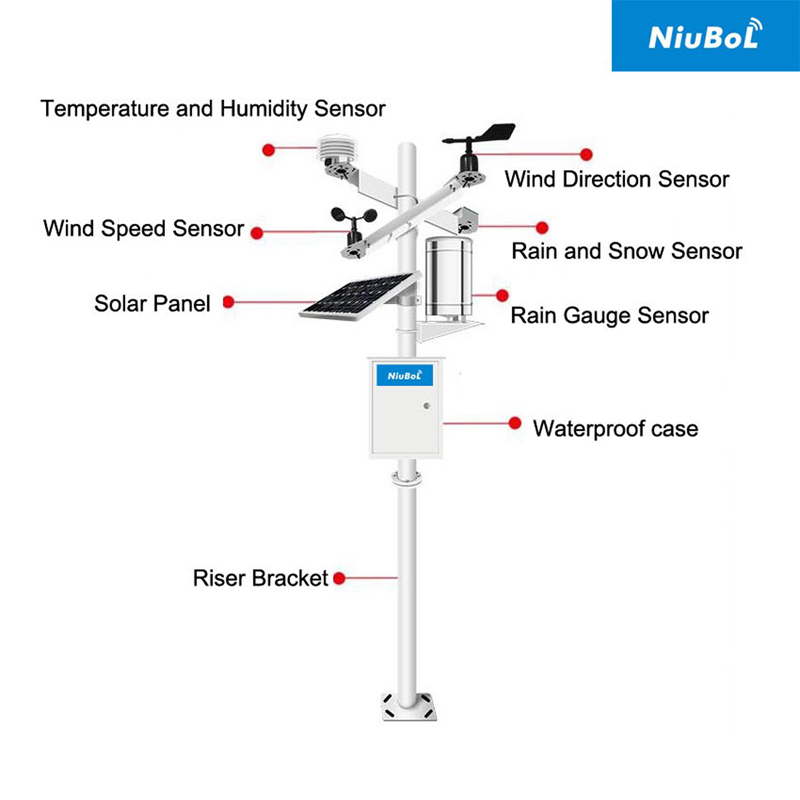
Consider a rain measurement. The gauge detects increments, an acquisition input counts or reads them, the logger timestamps the result and a local display or remote application presents it. Each step needs a compatible connection and a defined behavior. If the gauge is supplied without a suitable input, its presence on the equipment list does not create a usable rainfall record.
The same logic applies to air, wind and radiation. Begin with the required observations, then identify the receiving equipment and how users obtain the records. A teaching station with a local display, an agricultural installation reporting to an existing irrigation platform and a remote research station retaining data locally can share sensors while needing different supporting components.
| Component group | What to identify | Potential omission |
|---|---|---|
| Sensors | Model, measured quantity, output version, cable and mounting parts | Assuming all instruments shown in a photograph are included |
| Acquisition | Required analog, pulse or digital inputs and channel configuration | Supplying a logger that cannot accept one of the selected outputs |
| Local access | Display, service connection and data retrieval method | Treating a display option as standard equipment |
| Remote communication | Modem or network interface, antenna, server protocol and regional compatibility | Leaving subscriptions or server integration undefined |
| Power | Supply, battery, charging equipment and the loads included in sizing | Quoting a solar panel without the required storage and protection |
| Mechanical installation | Mast, brackets, enclosure and responsibility for foundations and erection | Assuming site construction is included in an equipment price |
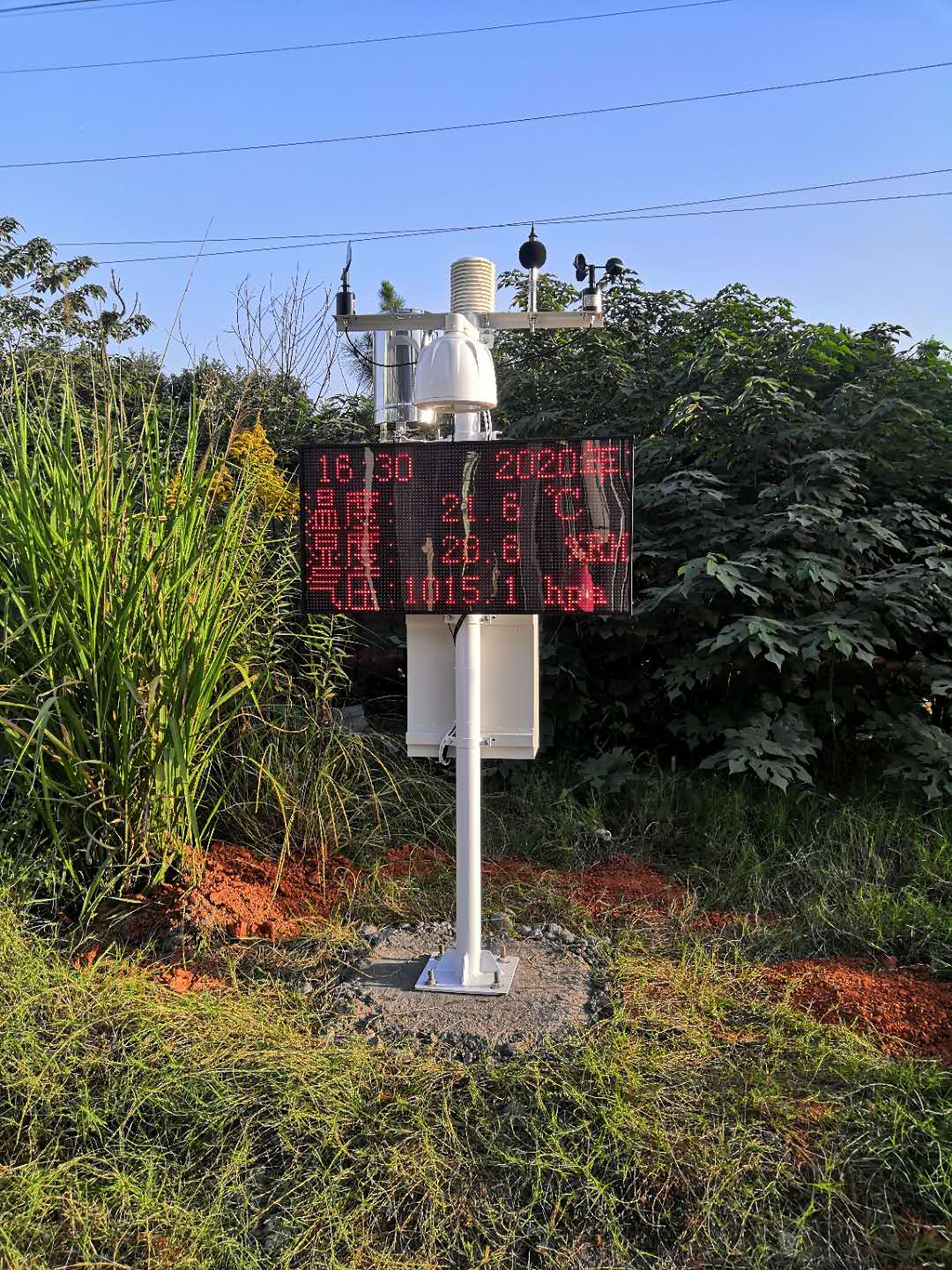
A modular station can combine NBL-W-SS wind speed, NBL-W-DS wind direction, NBL-W-LBTH air temperature, humidity and pressure, NBL-W-RS rainfall and an appropriate radiation instrument. That is an example configuration, not a mandatory package. Soil, leaf wetness and other measurements need their own instruments and installation arrangements.
Specify range and interface together. The NBL-W-LBTH is available with RS485 Modbus RTU or 4-20 mA output. The selected version determines its connection to the receiver. Likewise, an image showing wind cups and a vane does not identify whether the purchased instruments use analog, pulse or digital outputs.
| Example component | Relevant parameter | Selection implication |
|---|---|---|
| NBL-W-LBTH | Air temperature -40 to +80 degrees C; humidity 0-100% RH; pressure 10-1200 hPa; 12-24 V DC | One assembly provides three air parameters; confirm the ordered interface. |
| NBL-W-RS | 0.2 mm rainfall increment; operating temperature 0 to +50 degrees C | Match the rain input and do not assume unheated frozen-precipitation capability. |
| NBL-W-SS / NBL-W-DS | Separate wind speed and direction sensors; IP65 | Include both when both measurements are required, with suitable field connections. |
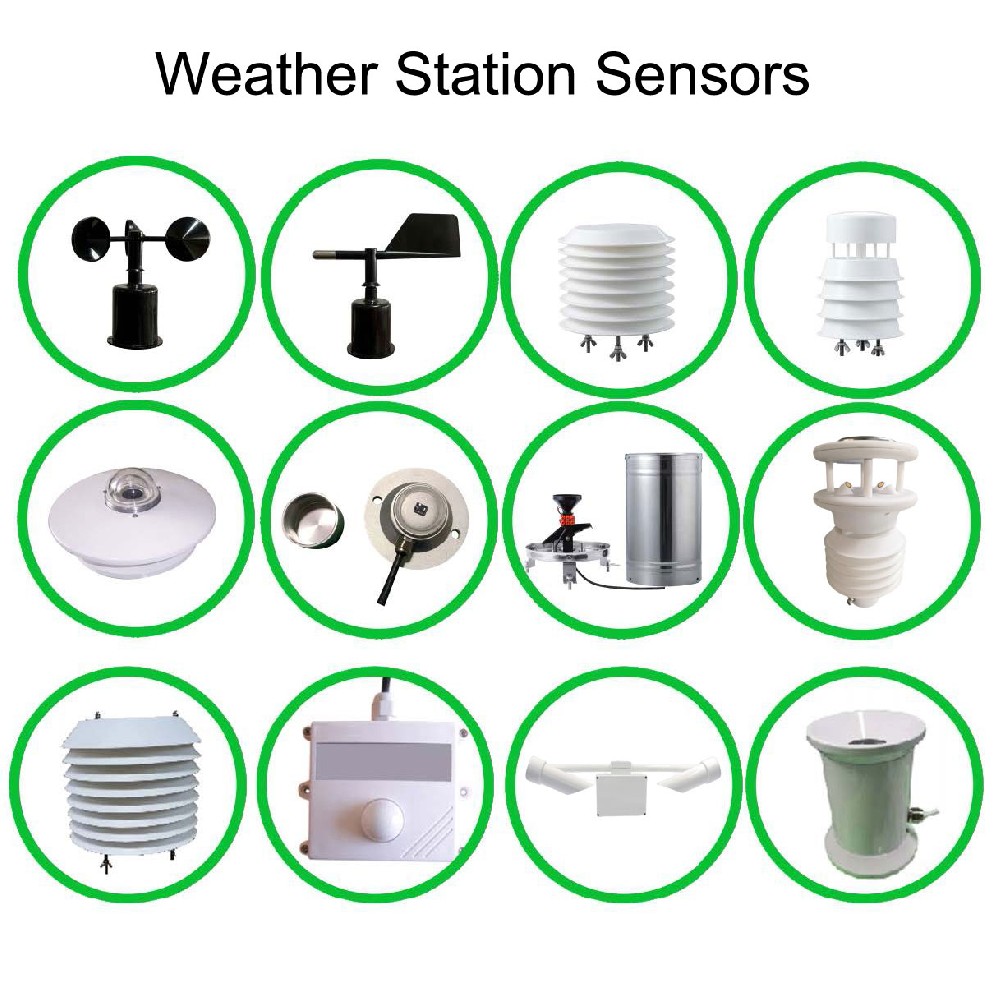
An acquisition device may read, convert, timestamp, store and transmit data in one unit. Calling these functions "processor," "data logger" and "IoT gateway" does not mean that each requires a separate enclosure. Conversely, a communication gateway that forwards serial messages should not be assumed to contain a complete historical recording application.
The NiuBoL TG462/TG462S family provides three RS485 ports, eight 12-bit analog inputs and two Ethernet interfaces. These hardware resources help define a station, but analog modes, sensor decoding and outgoing records still need configuration. A digital input must also be verified for the particular rain pulse and expected counting requirements rather than assumed suitable from the input count.
TG462 has 256 MB standard flash with a 1 GB option, while TG462S has 1 GB and a local touchscreen. Available storage is not a guaranteed number of retained days: the record format, interval, other software and storage management affect retention. Confirm restart recovery and offline-record behavior if they are necessary to the project.

A local screen can be useful for maintenance without providing remote access. Cellular or Ethernet communication can move data without providing a hosted dashboard. The server application, user accounts, retention, exports and alarm delivery are separate functions that should appear in the agreed scope. Optional channels in a dashboard illustration are not evidence that their sensors are supplied.
For an existing customer platform, provide the required protocol and data structure before selecting the gateway configuration. RS485 Modbus RTU describes the field sensor link; it is not automatically the format accepted by a remote server. MQTT topics, credentials, payload fields and communication intervals, where used, require configuration and testing with the destination.
For schools, a local presentation may be the main deliverable. For remote research, recoverable historical records may matter more. For farm operations, timely delivery and clear stale-data indication may be necessary. State which use applies so that the equipment and software quote can be compared on the same basis.
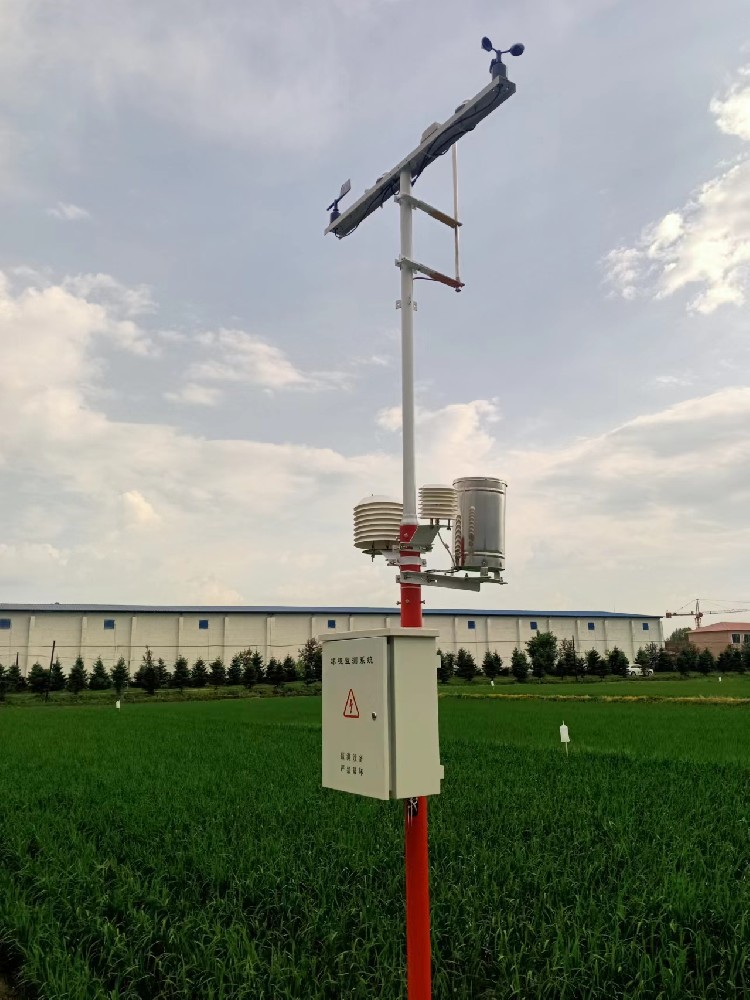
A solar panel does not establish autonomy on its own. List all loads, including the logger, modem, display, sensors and any heating or tracking equipment. Specify the required operating conditions and outage duration, then size the power system accordingly. Equipment power, battery capacity and local solar availability must be considered together; a photograph cannot establish the correct panel size.
The TG462/TG462S logger itself is IP30 and needs a suitable outdoor enclosure. Wind sensor IP65 does not transfer to a cabinet or cable joint. Include gland sizes, strain relief, mounting space and safe service access. Mast height, foundation design and lightning protection depend on the installation, and should not be silently included or excluded from a "complete station" price.
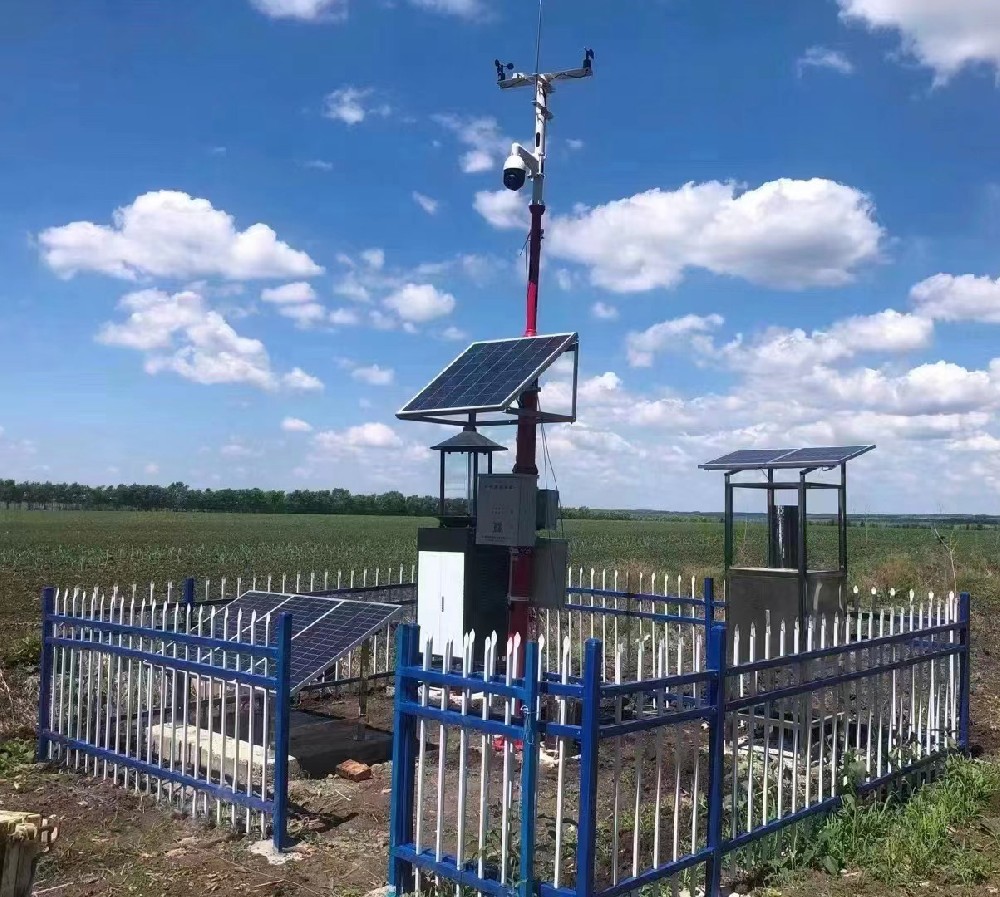
Separate equipment supply, configuration, civil works, installation, commissioning and ongoing services. Identify who establishes the sensor orientation, verifies the rain factor, checks the communication destination and provides the station configuration record. A contractor installing the mast may not be responsible for a customer's server integration unless that work is agreed.
Before accepting the package, observe a changing measurement at the final destination, verify units and timestamps, and test the agreed response to communication loss. Confirm access to the required records and configuration files. This provides a practical check that the supplied components form the intended monitoring system, rather than merely powering up as independent devices.
Not necessarily. One device may perform both functions and provide communication. Identify the required functions and interfaces, then check whether the proposed device covers them without unnecessary additional equipment.
Only the agreed itemized configuration defines the supply. Confirm models, outputs, cables and brackets individually. General station photographs often illustrate configurations with additional measurements.
It may, if it has suitable inputs and the required decoding, timing, storage and communication functions. Compare those requirements before removing the logger from the package; a PLC reading live values may still lack the required archive.
A modem provides a communication path, not necessarily a complete service. Confirm network subscription, server connection, application access and any recurring charges or customer-managed infrastructure.
Provide the measurement list, site conditions, preferred interfaces, receiving system, local-display requirement and power arrangement. Identify whether installation and software services are needed so that equipment-only and complete-project proposals are not compared as equivalent.
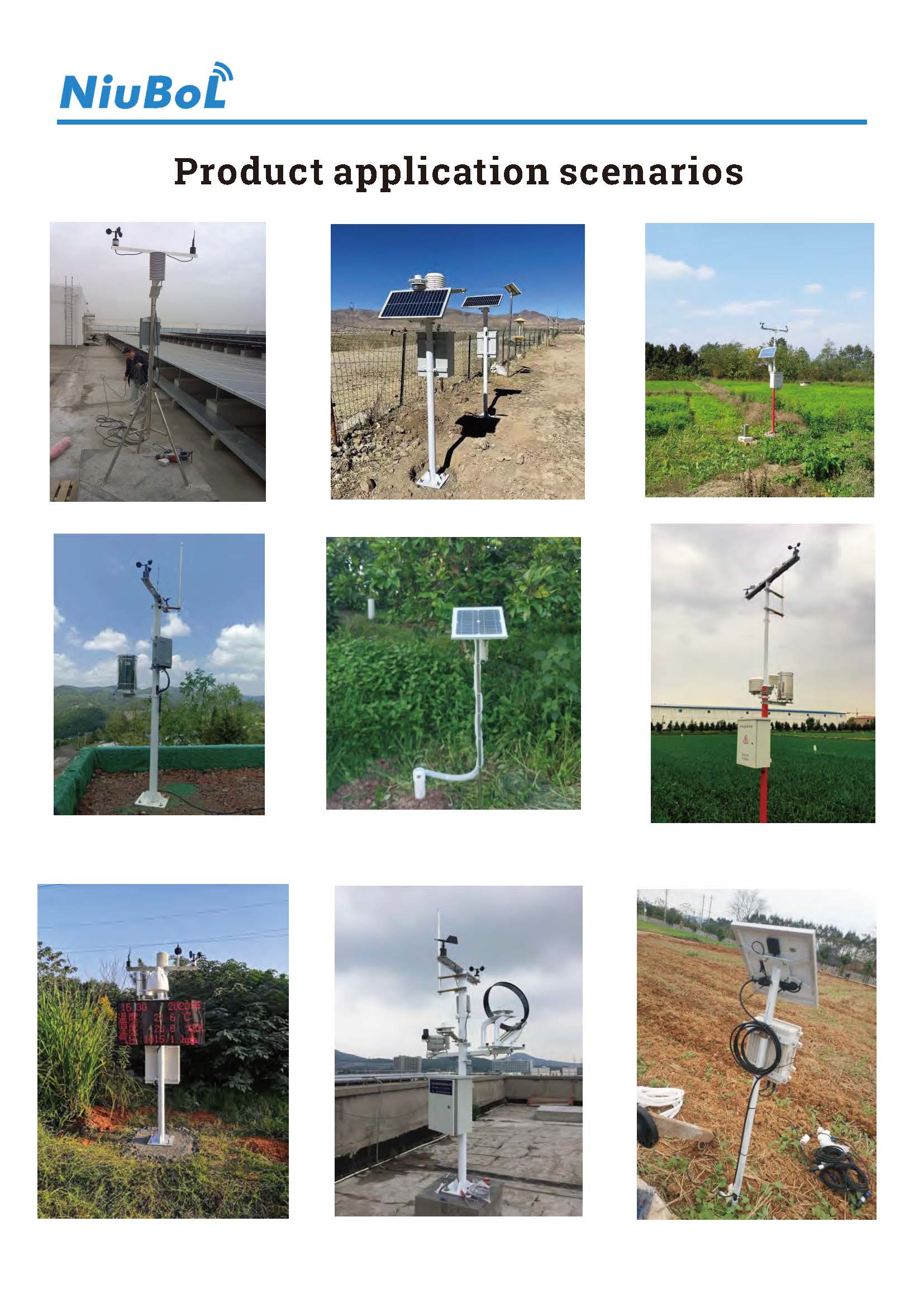
Small weather station components should be selected as a connected measurement chain. Identify what is measured, how it is acquired, where records are accessed and who provides the supporting installation. An itemized NiuBoL configuration allows the buyer to distinguish required hardware from optional sensors, software and site work before committing to the order.
Prev:Automatic Rainfall Station Alarms: Define Windows, Validity and Delivery
Next:Small Weather Station Data Errors: Isolate the Fault Before Correcting Values
Related recommendations
Sensors & Weather Stations Catalog
 Agriculture Sensors and Weather Stations Catalog-NiuBoL.pdf
Weather Stations Catalog-NiuBoL.pdf
Agriculture Sensors Catalog-NiuBoL.pdf
Water Quality Sensor Catalog-NiuBoL.pdf
Related products
 Combined air temperature and relative humidity sensor
 TDR Soil Moisture & Temperature Sensor for irrigation| RS485 |4-20mA| NBL-S-THR
 Soil pH sensor RS485 soil Testing instrument soil ph meter for agriculture |NBL-S-PH
 Wind Speed sensor Output Modbus/RS485/Analog/0-5V/4-20mA
 Tipping bucket rain gauge for weather monitoring auto rainfall sensor RS485/Outdoor/stainless steel
 Pyranometer Solar Radiation Sensor 4-20mA/RS485


Screenshot, WhatsApp to identify the QR code
WhatsApp number:+8615367865107
(Click on WhatsApp to copy and add friends)

