





— Blogs —
—Products—
 Consumer hotline +8618073152920
 WhatsApp:+8615367865107
Address:Room 102, District D, Houhu Industrial Park, Yuelu District, Changsha City, Hunan Province, China
Product knowledge
Time:2025-12-23 14:08:41 Popularity:920
In agricultural production and ecological management, the most difficult to judge yet most critical variable is always underground.
Whether crops are truly short of water, whether irrigation water is effectively absorbed, how much soil moisture is replenished by one rainfall—these questions, if judged only by experience, often lead to water resource waste, yield fluctuations, or even soil degradation.
The significance of soil moisture monitoring stations is not “measuring a value,” but making the underground environment visible in a long-term, continuous, and interpretable way.
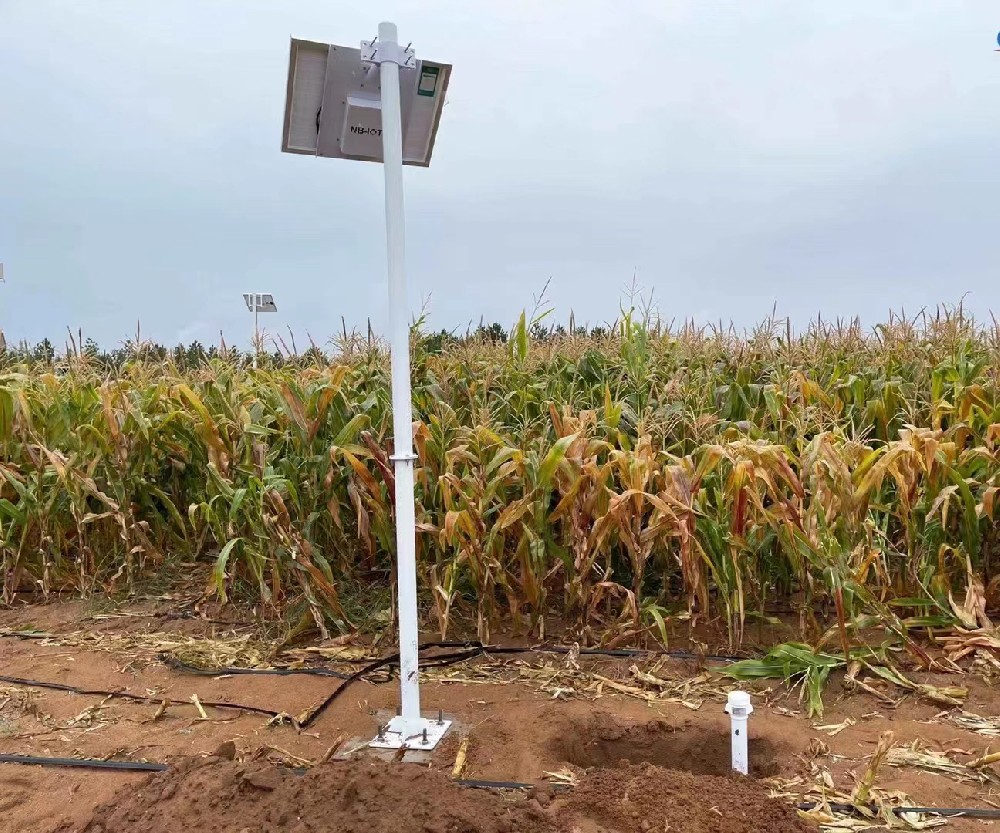
A soil moisture monitoring station is a comprehensive monitoring system used for continuous monitoring of soil moisture status and related environmental factors.
“Soil moisture” is not equivalent to “water content” but a dynamic concept, usually including:
Real-time level of soil moisture content
Moisture distribution between different soil layers
Moisture change trends over time
Coupling relationships between moisture and temperature, salinity, nutrients
NiuBoL soil moisture monitoring station transforms these originally dispersed and invisible information into continuous data streams through sensors, data acquisition systems, and wireless communication networks, providing reliable basis for agricultural management and ecological decision-making.
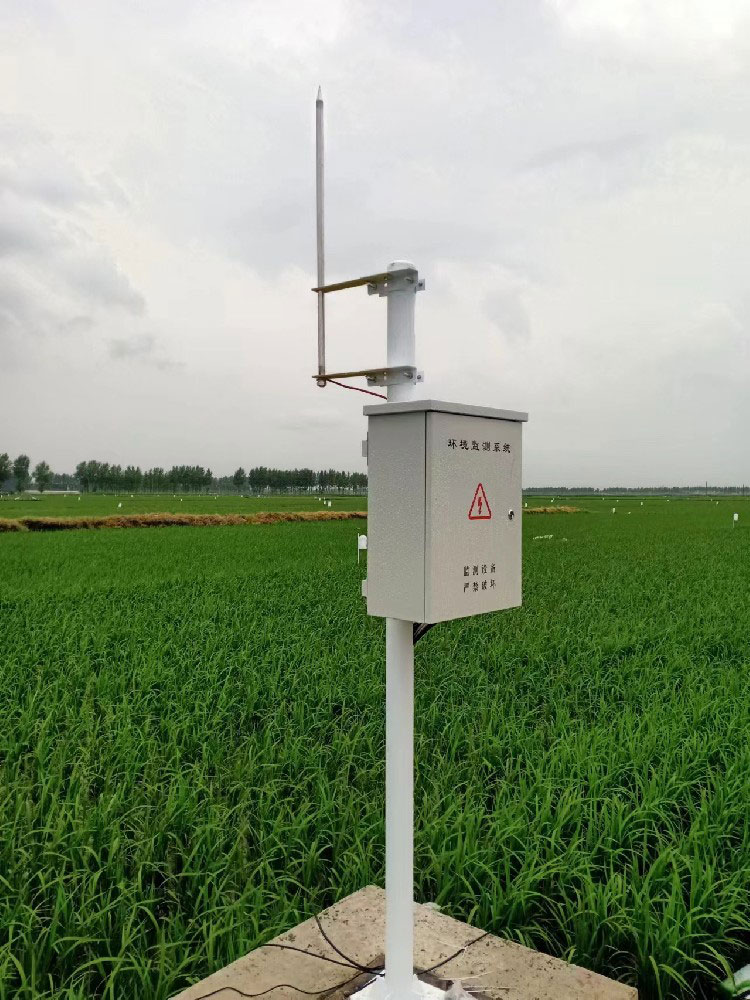
Soil Moisture Measurement Principle (FDR)
NiuBoL adopts soil moisture measurement technology based on FDR (Frequency Domain Reflectometry).
This technology is based on a clear physical fact:
The dielectric constant of water is much higher than soil minerals and air.
When the sensor emits high-frequency electromagnetic signals into soil, soils with different water contents respond differently to signals; by analyzing signal changes, soil volumetric water content can be inverted.
This method has the following engineering advantages:
Does not destroy soil structure, suitable for long-term burial; sensitive to short-term moisture changes; adaptable to different soil types through calibration.
Multi-Parameter Collaborative Measurement Logic
In real environments, single moisture data is often insufficient.
Therefore, NiuBoL systems usually synchronously monitor the following parameters:
Soil Temperature: Affects root water absorption capacity and microbial activity;
Conductivity (EC): Reflects dissolved salt concentration in soil;
pH Value: Used to judge acid-base changes and improvement needs;
Nitrogen, Phosphorus, Potassium (NPK): Reflects relative changes in fertility trends;
These data together constitute “background information” of soil physicochemical state, making moisture changes interpretable rather than isolated numbers.
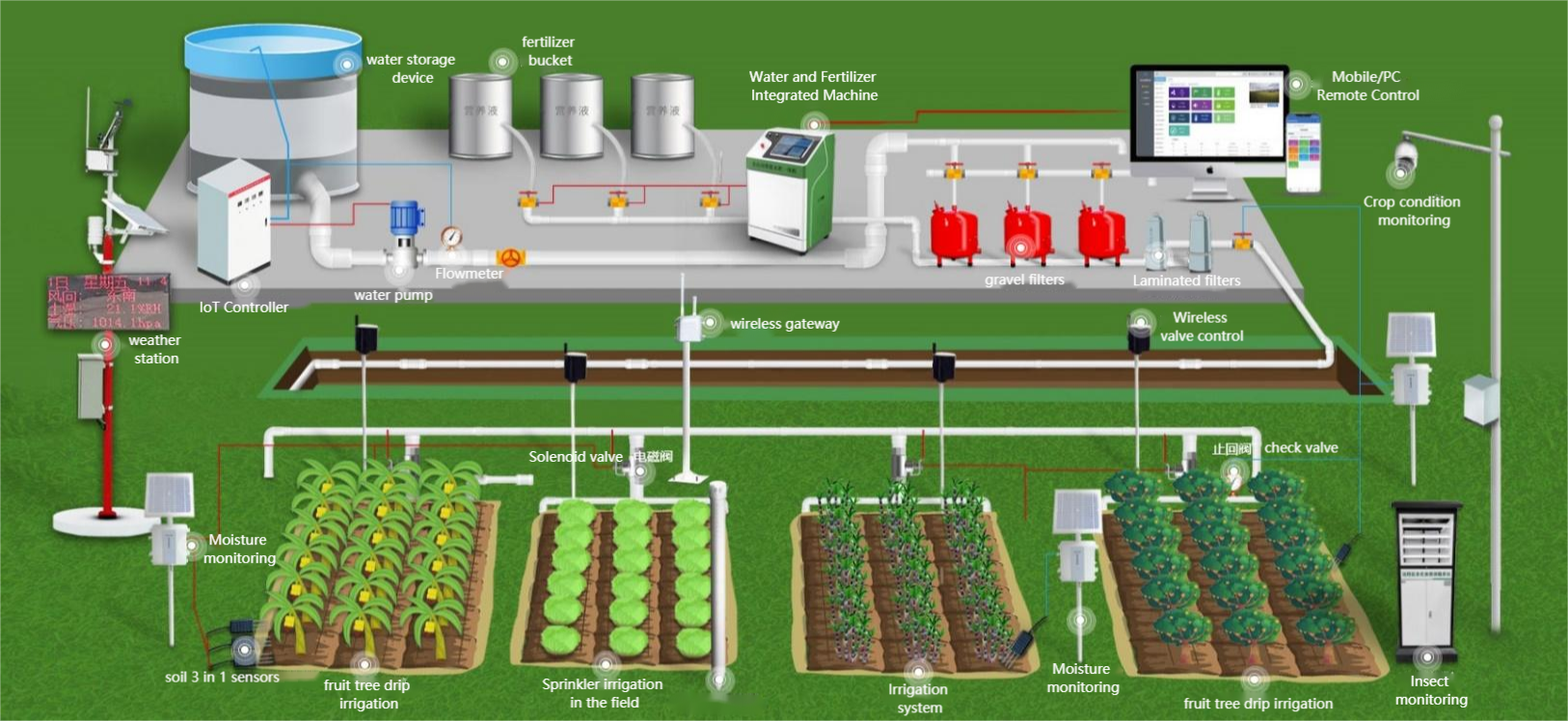
Soil and Meteorological Sensor System
NiuBoL soil moisture monitoring station adopts modular design, flexibly configurable according to project needs:
Soil moisture / temperature integrated sensor
Soil EC and pH sensor
Soil NPK sensor (trend monitoring type)
Air temperature humidity, light, wind speed, wind direction sensors
Tipping bucket rain gauge
Through collaborative monitoring of soil parameters and meteorological data, can determine whether moisture changes are caused by irrigation, rainfall, or evapotranspiration.
Data Logger (Acquisition Host)
The data logger is the core control unit of the entire system, with main responsibilities including:
Multi-channel sensor data acquisition and management
Modbus RTU protocol communication
Local data caching and breakpoint resume
Remote configuration of sampling cycle and parameters
In case of network abnormality or signal interruption, data remains safely stored and automatically retransmitted after communication recovery.
Data Communication and Platform System
Depending on different deployment environments, the system supports:
4G Communication: Suitable for most farmland and irrigation areas
LoRaWAN Communication: Suitable for mountainous areas, forest farms, and other areas without public network
After data uploaded to cloud platform, can achieve:
Real-time data monitoring
Historical curves and trend analysis
Threshold alarms and event recording
Data export and third-party system docking
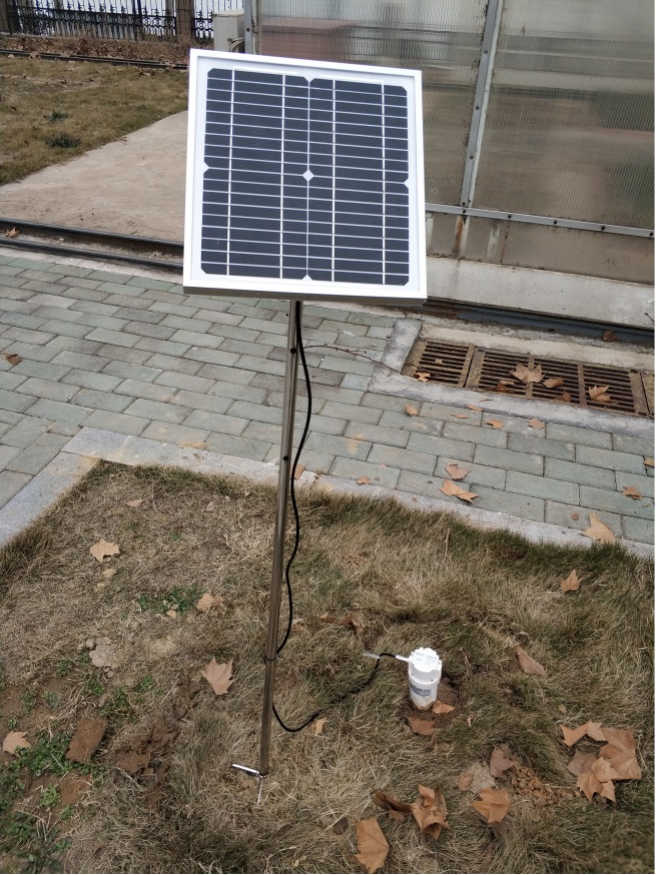
Precise Irrigation Decision-Making
By real-time mastering moisture status of different soil layers, irrigation no longer relies on experience judgment but regulates based on actual water demand.
This not only reduces water waste but also avoids root hypoxia and nutrient loss due to over-irrigation.
Drought Monitoring and Warning
Through long-term data trend analysis, can identify risks of continuous soil moisture decline in advance, gaining valuable time for agricultural production and water resource scheduling.
Water-Fertilizer Integration and Salinity Management
Moisture is the main carrier for fertilizer migration.
Combined with EC and NPK data, can optimize fertilization timing and water-fertilizer ratio, reducing salinity accumulation and environmental risks.
Soil Health Assessment
Continuous data accumulation can be used to assess:
Changes in soil water storage capacity, salinization risks, long-term effects of improvement measures.
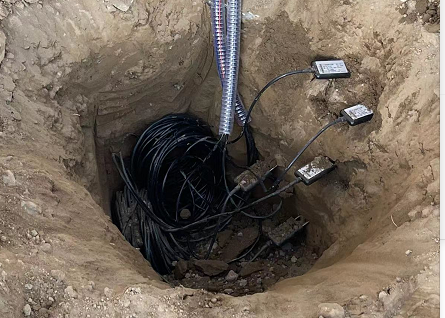
Soil moisture monitoring stations are not “equipment installed in fields to view data”; their true value lies in long-term, continuous operation changing decision-making methods. In different application scenarios, their core role focus varies.
Farmland and Economic Crop Planting Areas
In field crops, orchards, tea gardens, and other planting scenarios, managers care most about:
Whether crop root layer is in effective water absorption range;
Whether moisture after irrigation or rainfall truly enters root zone;
Water demand differences between different plots;
By deploying sensors in multiple soil layers, monitoring stations can clearly reflect dynamic moisture changes in soil profiles, helping managers judge if irrigation is “effective” rather than “appears watered.”
Core value in such applications: Stable yield, reduced invalid water use, lowered risk of human experience misjudgment.
Greenhouses and Facility Agriculture
Facility agriculture environments are controllable, but precisely because “controllable,” dependence on data is higher.
In greenhouses or sheds, soil moisture highly couples with:
Temperature regulation;
Ventilation and evapotranspiration rate;
Water-fertilizer integration system operation strategy;
Soil moisture monitoring stations in such scenarios act more as feedback sensing units:
Not working in isolation but providing real-time basis for irrigation systems, water-fertilizer systems, and environmental control systems.
Once moisture data missing, entire system degrades to “timed control,” losing precise regulation significance.
Forest Farms, Grasslands, and Ecological Restoration Areas
In forestry and ecological restoration scenarios, soil moisture monitoring goals are not pursuing “highest yield” but focusing on:
Whether soil water storage capacity improving
Whether vegetation restoration truly enhancing moisture retention capacity
Impact degree of drought or extreme climate on soil moisture
Through long-term data accumulation, can quantitatively evaluate actual effects of ecological engineering rather than judging only by vegetation coverage rate.
In such scenarios, monitoring stations bridge research and management.
Irrigation Areas and Water Resource Management Projects
In large irrigation areas or cross-regional water resource management, soil moisture data significance transcends single plots.
It can serve as:
Basis for irrigation system formulation, important reference parameter for water resource scheduling, data support for drought assessment and warning,
Compared to pure meteorological data, soil moisture directly reflects “whether water truly absorbed by land,” extremely critical link in water resource management.
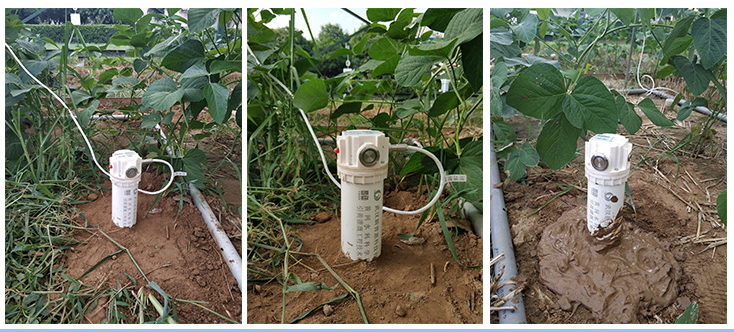
Many soil moisture projects have “unusable data”; problems often not in sensors but deployment methods themselves.
Layered Measurement, Not “Burying One Point”
Soil moisture shows obvious layering in vertical direction.
Therefore, single-point measurement often cannot reflect true state.
NiuBoL recommends soil profile layered monitoring in engineering practice:
Surface Layer (about 10 cm): Reflects evaporation and short-term rainfall impact
Middle Layer (20–30 cm): Reflects conventional irrigation response
Root Layer (40–60 cm or deeper): Determines whether crops truly “drink water”
Only through multi-layer data comparison can judge if moisture absorbed, retained, or quickly lost.
Installation Coupling Quality Determines Measurement Reliability
Soil moisture sensors highly sensitive to installation quality.
If air gaps between probe and soil, directly cause measurement deviation.
Engineering usually adopts:
Drilling then backfilling with thick mud slurry, slowly pushing sensor in to ensure tight fit with undisturbed soil, avoiding “dry insertion” or loose backfill—this step often overlooked but decisive for long-term data usability.
Representative Station Site Selection
Monitoring stations should not be installed in:
Obvious low-lying water accumulation areas
Areas with frequent human disturbance
Near roads or drainage ditches
Site goal not “most convenient” but most representative of average state for the plot.
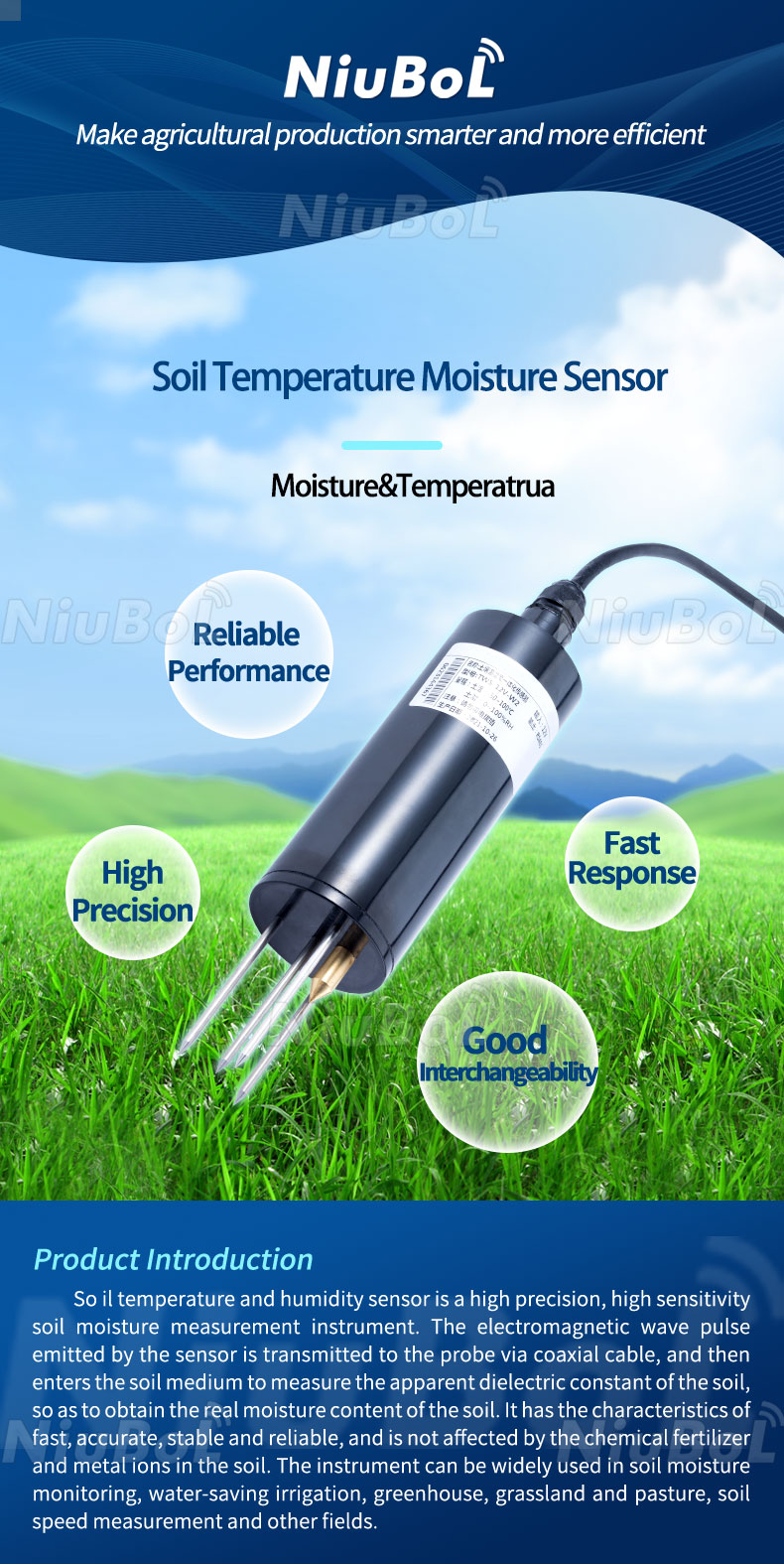
A truly valuable soil moisture monitoring station must have long-term operation capability.
Daily Operation Characteristics
Under normal conditions, during system operation:
No frequent manual intervention needed, data acquisition and upload automatic, abnormal situations discoverable via platform warnings—this makes monitoring stations suitable for unattended or personnel-dispersed areas.
Service Life and Maintenance Cycle
Underground soil sensors adopt fully sealed industrial design; without mechanical damage, service life usually reaches 5–8 years,
Daily maintenance mainly focuses on power system and communication status checks; compared to frequent equipment replacement, this long-term stable operation capability is key to controllable overall system cost.
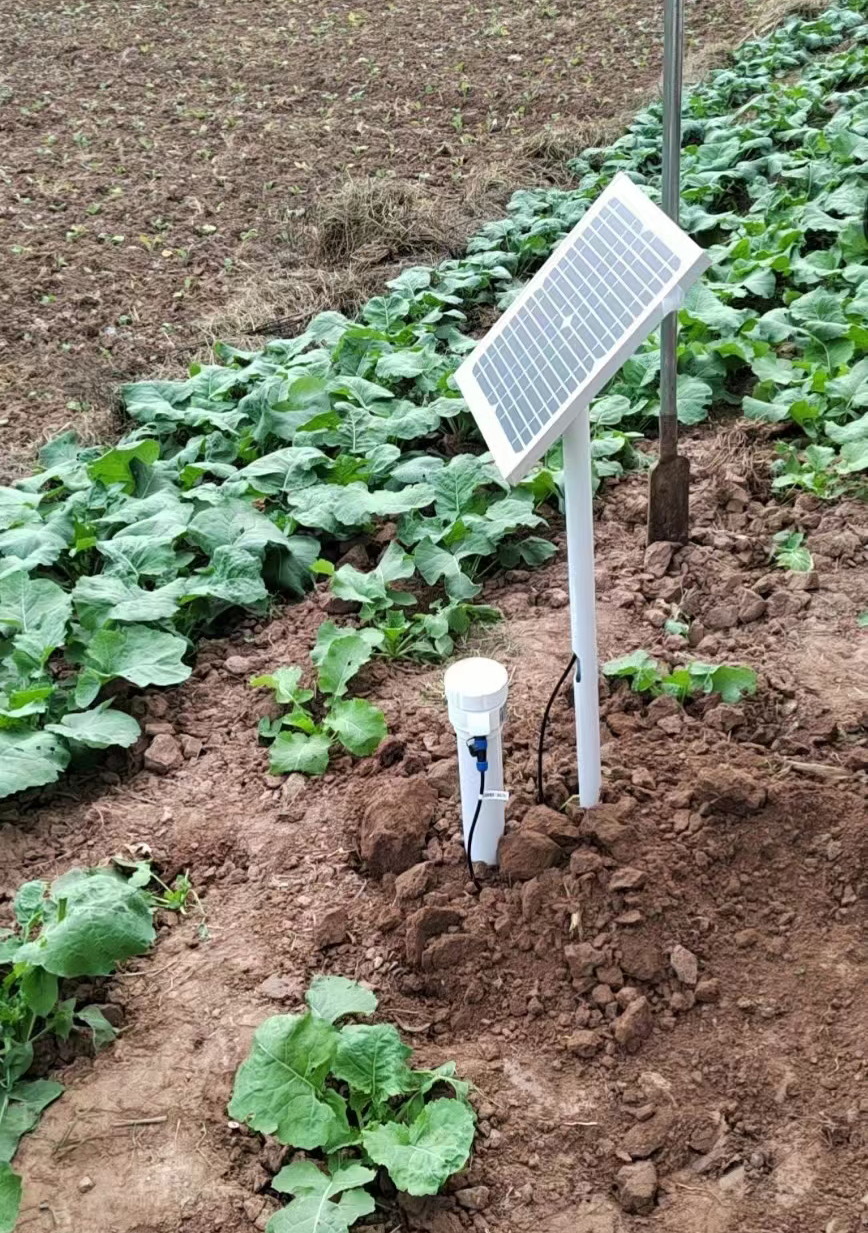
The true value of soil moisture monitoring stations lies not in parameter quantity or single measurement precision but in continuous, stable, traceable data capability.
NiuBoL soil moisture monitoring stations, through:
Multi-parameter collaborative perception system, standardized data acquisition and communication architecture, engineering design for long-term operation,
transform underground soil environment from “invisible, unjudgable” to “monitorable, analyzable, decidable.” In the context of deepening smart agriculture, water resource management, and ecological governance, systems capable of long-term outputting credible data are essentially infrastructure. This is the significance of soil moisture monitoring stations' existence.
1.NBL-S-THR Soil Temperature Moisture Sensor datasheet
 NBL-S-THR-Soil-temperature-and-moisture-sensors-Instruction-Manual-V4.0.pdf
2. NBL-S-TMC Soil Temperature Moisture EC Sensor datasheet
NBL-S-TMC-Soil-temperature-and-moisture-conductivity-sensor.pdf
3. NBL-S-TM Soil Temperature Moisture Sensor datasheet
NBL-S-TM-Soil-temperature-and-moisture-sensor-Instruction-Manual-4.0.pdf
4. NBL-S-TMCS Soil Temperature, Moisture, Conductivity and Salinity Integrated Sensor
NBL-S-TMCS-Soil-Temperature-Humidity-Conductivity-and-Salinity-Sensor.pdf
NBL-S-TMM-Tubular-Multi-Layer-Soil-Moisture-Sensor-Meter.pdf
Related recommendations
Sensors & Weather Stations Catalog
Agriculture Sensors and Weather Stations Catalog-NiuBoL.pdf
Weather Stations Catalog-NiuBoL.pdf
Agriculture Sensors Catalog-NiuBoL.pdf
Water Quality Sensor Catalog-NiuBoL.pdf
Related products
 Combined air temperature and relative humidity sensor
 TDR Soil Moisture & Temperature Sensor for irrigation| RS485 |4-20mA| NBL-S-THR
 Soil pH sensor RS485 soil Testing instrument soil ph meter for agriculture |NBL-S-PH
 Wind Speed sensor Output Modbus/RS485/Analog/0-5V/4-20mA
 Tipping bucket rain gauge for weather monitoring auto rainfall sensor RS485/Outdoor/stainless steel
 Pyranometer Solar Radiation Sensor 4-20mA/RS485

Screenshot, WhatsApp to identify the QR code
WhatsApp number:+8615367865107
(Click on WhatsApp to copy and add friends)

