





— Blogs —
—Products—
 Consumer hotline +8618073152920
 WhatsApp:+8615367865107
Address:Room 102, District D, Houhu Industrial Park, Yuelu District, Changsha City, Hunan Province, China
Product knowledge
Time:2026-08-12 09:06:00 Popularity:164
Air temp sensor selection is mainly an installation-quality decision. The sensor may have a suitable measuring element, but poor exposure, direct solar heating, wall reflection, exhaust air, cable water ingress or unstable mounting can make the delivered data unsuitable for weather and environmental monitoring projects. For project buyers, the practical target is stable ambient air temperature data that can be accepted by the owner, read by the controller and maintained by site staff.
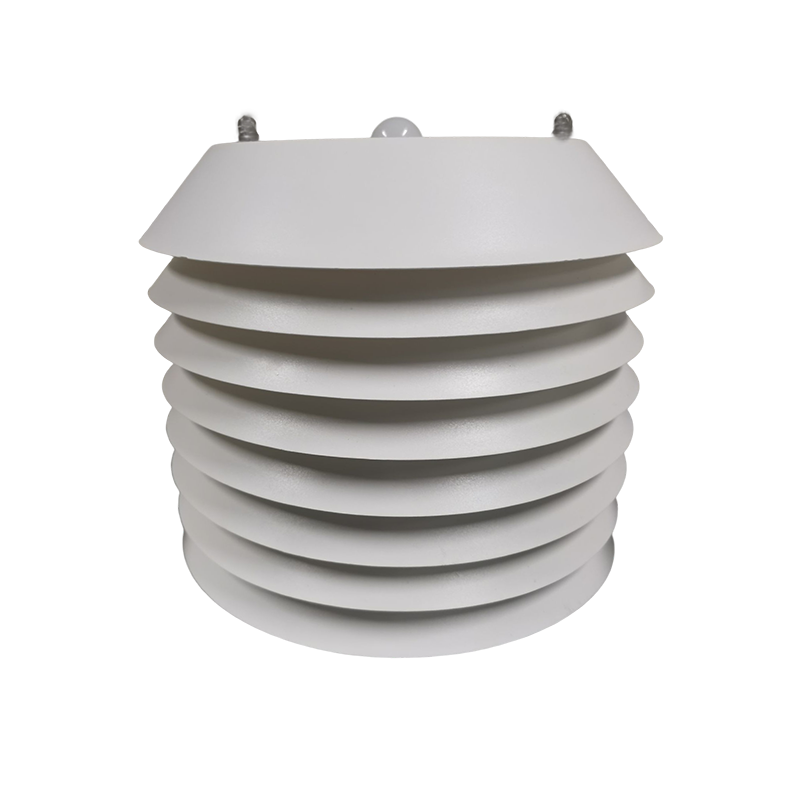
This guide reviews the air temperature point from the field engineering side: where the sensor is mounted, how radiation error is reduced, how the signal enters the station, and what evidence should be collected during commissioning.
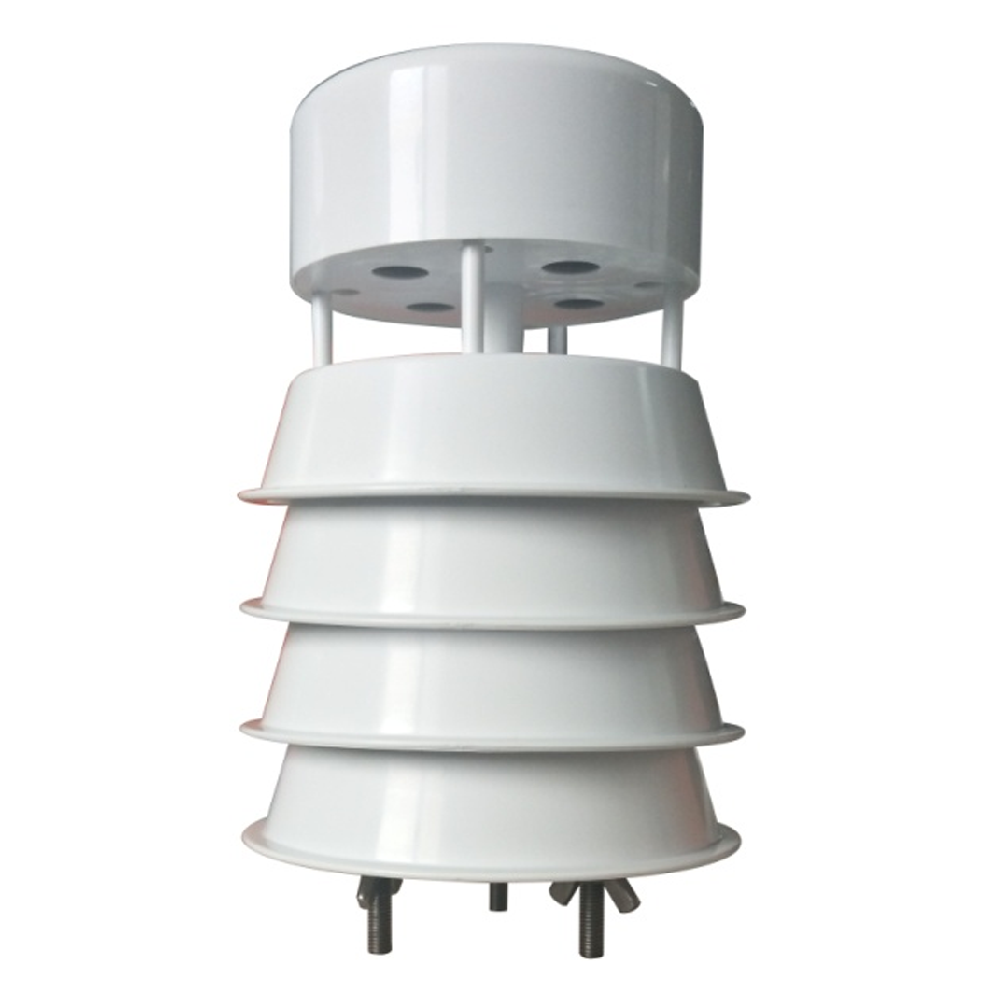
An air temperature sensor should measure representative air, not the temperature of a wall, cabinet, roof surface or metal bracket. The installation should avoid direct exhaust, reflected heat, irrigation spray, stagnant corners and locations where maintenance staff cannot reach the sensor safely. In outdoor weather stations, the sensor is usually installed with a radiation shield or as part of an integrated station head.
For greenhouse, industrial yard and environmental station projects, the buyer should state the monitoring height, nearby heat sources, airflow condition and whether the value will be used for alarms, reports or control logic. These details define the acceptable installation package.
| Item | Typical project check | Why it matters |
|---|---|---|
| Sensor position | Representative airflow and service access | Avoids biased readings caused by walls, roofs or equipment heat |
| Radiation protection | Shielded or integrated outdoor structure | Reduces solar heating error in daytime records |
| Power supply | DC 12-24 V or station power design | Matches outdoor cabinet and gateway supply |
| Output | RS485 Modbus RTU, analog or compatible logger input | Determines PLC, RTU, data logger and gateway integration |
| Operating climate | Commonly -40 to +80 deg C depending on model | Must match regional weather and enclosure design |
| Cable route | Shielded cable, waterproof joints and strain relief | Improves signal stability after rain and maintenance visits |
Temperature error often comes from radiation and mounting, not from the sensing element alone. A shield should allow air exchange while reducing direct sunlight and long-wave heating from nearby surfaces. If the sensor is installed inside a compact weather station, confirm that the station design gives the temperature channel adequate ventilation.
The mounting bracket should remain stable in wind and should not conduct heat from a hot metal surface into the sensor body. Cable entry should point downward where possible, and outdoor junctions should be sealed without trapping water inside the connector.
For station projects, the communication path should be confirmed before ordering. RS485 Modbus RTU is commonly used when multiple field sensors connect to a logger or gateway. The buyer should request baud rate, parity, device address, register map, scaling rule and engineering unit. Where an existing PLC accepts analog input only, the output range and scaling must be documented in the control drawing.
Data interval should match the decision process. A fast interval may be useful for control or alarms, while a longer interval may be sufficient for trend reports. The platform should store timestamps consistently so temperature data can be compared with humidity, wind, radiation or process signals.
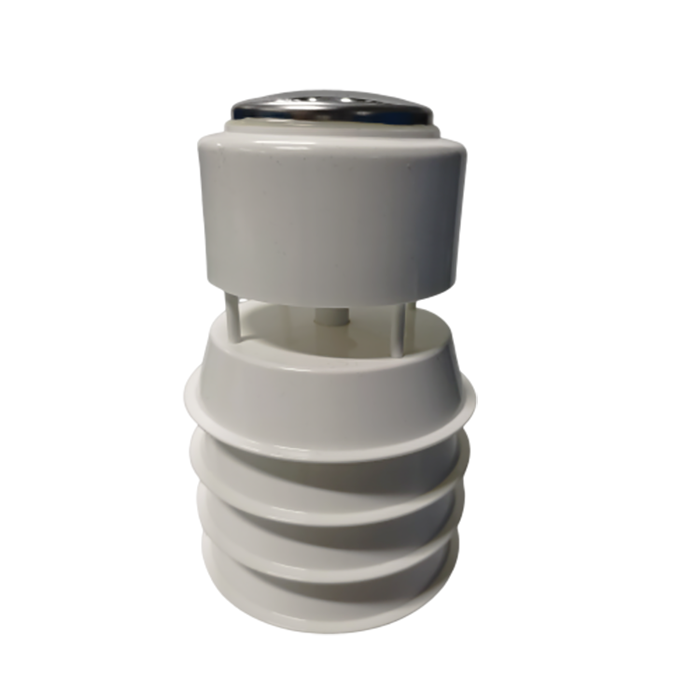
Weather station projects: confirm open exposure, shield condition, mast layout and distance from local heat sources. The acceptance record should include installation height and photos.
Greenhouse monitoring: compare sensor height with the crop zone and ventilation layout. A sensor near a heater, fan outlet or wet pad may not represent the growing area.
Industrial environmental monitoring: confirm whether the temperature value supports safety alarms, equipment protection or environmental reporting. The installation should avoid localized process heat unless the purpose is to monitor that heat source.
Commissioning should prove more than power-on status. Record a live reading, communication response, platform display, timestamp, unit, alarm rule and installation photo. If several stations are installed, compare readings under stable conditions to identify obvious exposure differences before handover.
The project file should also include maintenance instructions: how to inspect the shield, clean dust or insect blockage, check cable condition and verify the reading after severe weather.
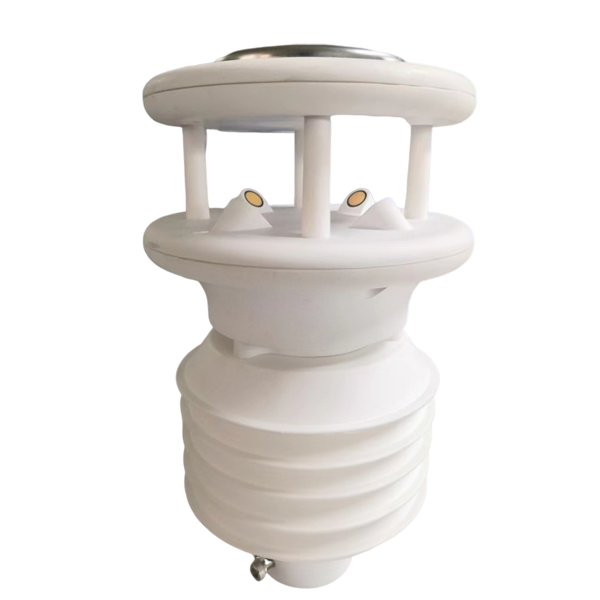
Confirm the measurement purpose, installation environment, signal output, power supply, cable route, data platform, maintenance access, and acceptance record. These details help the project team avoid field changes after procurement.
Match the communication interface, address plan, polling interval, unit display, alarm rule, and cabinet wiring with the existing gateway or controller. The integration document should be approved before site work starts.
Temperature, moisture, fouling, vibration, flow condition, cable distance, enclosure position, and service access can all affect long-term stability. The final selection should follow the real installation point, not only the catalog text.
The RFQ should include target parameter, range, output protocol, supply voltage, cable length, mounting method, enclosure requirement, quantity, project location, and any platform or data format requirement.
Acceptance should verify live value, unit, timestamp, wiring, address, platform channel, alarm action, photos, and the first stable data records. Keeping this evidence makes later operation easier to support.
Define cleaning, inspection, calibration or comparison method, spare parts, responsible team, and service interval according to the medium and site access. A clear plan reduces unexpected downtime.
Yes, but each site should use a consistent naming rule, address list, installation photo standard, and data template. This keeps commissioning and future expansion easier to manage.
NiuBoL can review the application condition, help match the sensor package, provide interface information, and support model selection for project teams that need reliable field data.
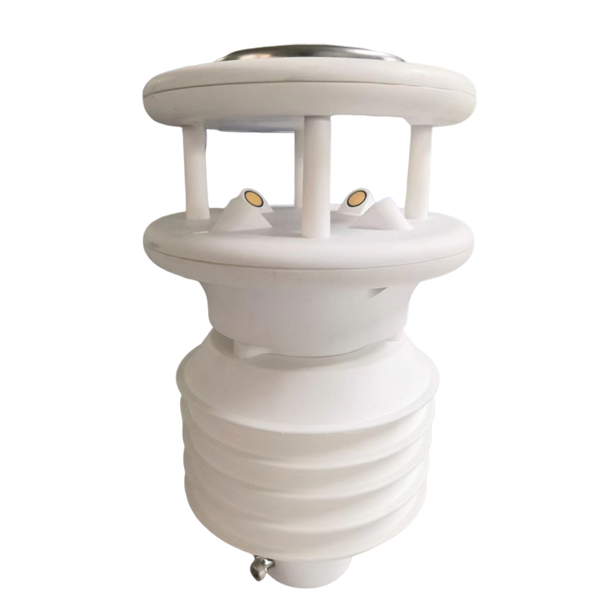
An air temp sensor should be specified together with exposure, radiation protection, communication interface, cable route and acceptance evidence. When these details are written into the project document, the delivered temperature data is easier to trust, integrate and maintain throughout the monitoring period.
Prev:Smart Irrigation Control Set: Soil Sensor Selection for Irrigation Projects
Next:Turbidity Measuring Instrument: Industrial Selection Guide for Online Monitoring Projects
Related recommendations
Sensors & Weather Stations Catalog
 Agriculture Sensors and Weather Stations Catalog-NiuBoL.pdf
Weather Stations Catalog-NiuBoL.pdf
Agriculture Sensors Catalog-NiuBoL.pdf
Water Quality Sensor Catalog-NiuBoL.pdf
Related products
 Combined air temperature and relative humidity sensor
 TDR Soil Moisture & Temperature Sensor for irrigation| RS485 |4-20mA| NBL-S-THR
 Soil pH sensor RS485 soil Testing instrument soil ph meter for agriculture |NBL-S-PH
 Wind Speed sensor Output Modbus/RS485/Analog/0-5V/4-20mA
 Tipping bucket rain gauge for weather monitoring auto rainfall sensor RS485/Outdoor/stainless steel
 Pyranometer Solar Radiation Sensor 4-20mA/RS485

Screenshot, WhatsApp to identify the QR code
WhatsApp number:+8615367865107
(Click on WhatsApp to copy and add friends)

