





— Blogs —
—Products—
 Consumer hotline +8618073152920
 WhatsApp:+8615367865107
Address:Room 102, District D, Houhu Industrial Park, Yuelu District, Changsha City, Hunan Province, China
Product knowledge
Time:2026-07-28 10:07:52 Popularity:214
An amperometric chlorine sensor can provide continuous residual chlorine data, but the measuring point is only reliable when flow, pH, pressure, membrane condition and calibration are controlled. This is why chlorine projects often fail at the installation detail rather than the sensor principle.
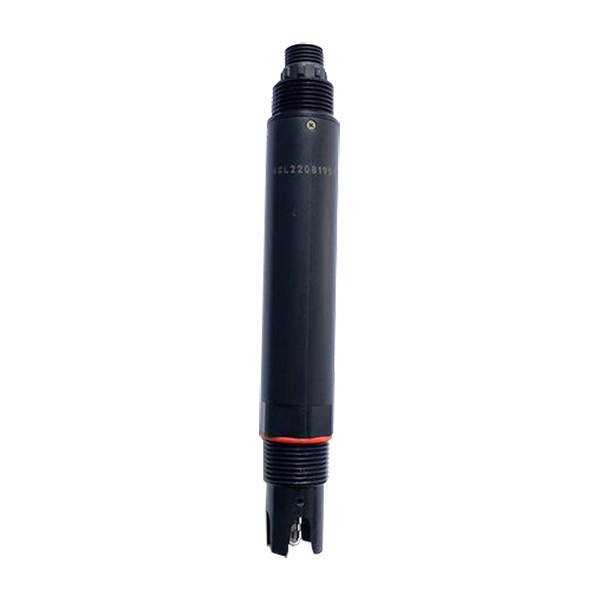
For drinking water, secondary water supply, swimming pools and disinfection skids, buyers should treat the chlorine probe, flow cell, pH compensation, controller and maintenance consumables as one package. A bare chlorine sensor probe price does not describe the project scope.
Amperometric chlorine sensors measure current related to chlorine concentration at the electrode surface. The method depends on stable sample delivery. Too little flow delays response; too much pressure can damage the membrane or create unstable readings.
pH also matters because free chlorine species change with pH. If the project needs free chlorine control, the buyer should confirm whether pH compensation is required and whether the site already has a pH sensor.
| Condition | Why it matters | Procurement action |
|---|---|---|
| Sample flow | A stable film of sample is needed across the membrane. | Specify flow cell or bypass line conditions. |
| pH range | Free chlorine response changes with pH. | Add pH monitoring or compensation when needed. |
| Pressure | Membranes and seals have limits. | Confirm maximum pressure and drainage route. |
| Consumables | Membrane caps and electrolyte affect long-term cost. | Ask for spare kit and replacement interval. |
In drinking water plants, residual chlorine monitoring helps verify disinfection after dosing and before distribution. In secondary water supply rooms, the sensor supports local alarms and remote supervision. In swimming pools, it supports dosing control together with pH measurement.
Industrial reuse water and food-processing utilities may also require chlorine monitoring, but these projects need more care because temperature, surfactants, color and chemical interference can affect the measurement environment.
The buyer should state whether the project is measuring free chlorine, combined chlorine or total chlorine. Different measurement goals may require different sensors or sample conditioning. Do not assume that every chlorine sensor measures the same chlorine species.
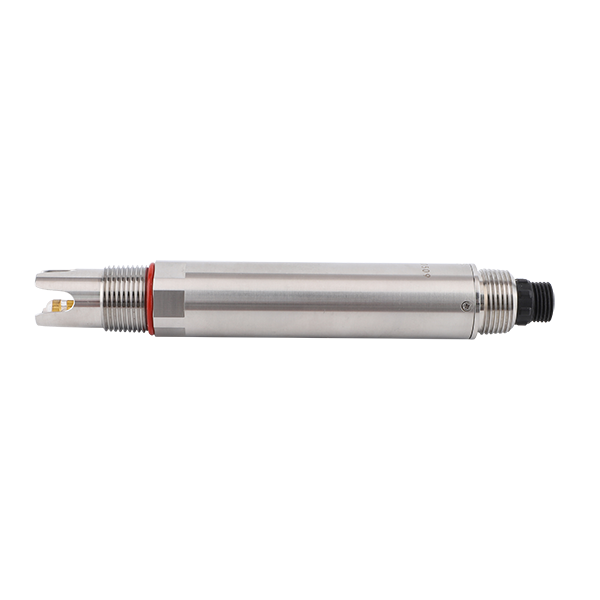
NiuBoL chlorine sensors can be planned as digital measuring points in a water quality cabinet. RS485 Modbus RTU is useful when residual chlorine, pH, temperature, turbidity and conductivity are all reported to one controller or remote platform.
For a dosing skid, the control logic may need analog output, relay control or a local controller. For municipal monitoring, the data may go to PLC, RTU or SCADA. Confirm the exact output before comparing price.
| Control point | Typical need | What to request |
|---|---|---|
| Dosing skid | Stable reading and local control signal. | Wiring diagram, scaling and response time. |
| Remote station | Digital data and alarm reporting. | Modbus map, cable limit and address plan. |
| Water plant panel | Integration with pH and flow data. | Controller compatibility and calibration workflow. |
| Distributor project | Repeatable replacement supply. | Spare membrane, electrolyte and labeling details. |
Chlorine sensors should not be sold as maintenance-free instruments. A realistic plan includes zero check, slope calibration against a trusted method, membrane inspection, electrolyte replacement where applicable and cleaning of the flow cell.
The site should also record reagent method readings or laboratory comparisons during acceptance. That record helps separate sensor drift from process variation. Without a comparison method, operators often adjust dosing based on incomplete evidence.
For remote projects, spare parts should ship with the first batch. Waiting for a membrane kit after readings drift can leave the dosing system blind for days.
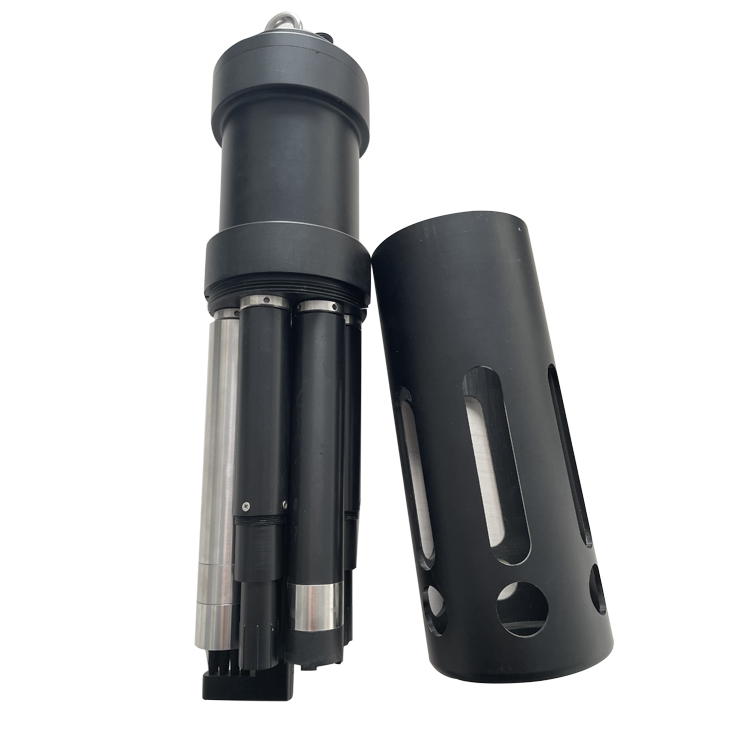
A good RFQ names the chlorine type, expected range, pH range, sample pressure, sample flow, temperature, installation method, output signal, quantity, controller requirement and local standard for comparison testing.
If the water contains surfactants, iron, manganese, organic load or strong color, say so. These conditions may not block the project, but they change the recommendation and the maintenance expectation.
Many residual chlorine projects should be designed around the sample line first. The sensor needs stable water contact, suitable pressure and clean drainage. If the bypass line traps bubbles or stops flowing at low demand, the chlorine reading can lag behind the actual process.
A flow cell also affects maintenance. Operators need to isolate, clean and restart the point without flooding the cabinet or introducing air into the membrane area. For small disinfection skids, this mechanical detail often decides whether the sensor is maintained correctly after handover.
| Flow-cell question | Why buyers should ask | Practical requirement |
|---|---|---|
| Is sample flow stable? | Unstable flow causes slow or noisy readings | Define bypass source and outlet route |
| Can pressure be controlled? | Excess pressure can damage membrane parts | Confirm pressure range and relief method |
| Is cleaning easy? | Operators avoid points that are hard to service | Provide isolation valves and safe access |
For automatic dosing, the quotation should say whether NiuBoL is supplying only the chlorine probe, or the probe plus controller, flow cell, pH sensor and output signal for the dosing equipment. This boundary prevents confusion during electrical commissioning.
Buyers should also ask which comparison method will be used at acceptance. A field colorimetric method or laboratory check gives the site a reference point. Without a comparison record, disagreement about chlorine readings is difficult to resolve.
Spare membrane caps, electrolyte where applicable and cleaning parts should be quoted for at least the first maintenance cycle. Waiting until the first drift event to order consumables creates avoidable downtime.
An amperometric chlorine sensor is suitable for continuous disinfection points where the site can provide stable sample flow, safe drainage, regular comparison testing and trained maintenance. Typical projects include drinking water treatment, secondary water supply, swimming pool circulation and controlled industrial water reuse.
It is not suitable when the sample line cannot remain stable, when pressure is uncontrolled, or when the buyer expects a sensor to replace every manual check without consumable maintenance. Chlorine measurement is chemical and mechanical at the same time; ignoring either side weakens the project.
For system integrators, the project should show the flow path on a drawing. Include inlet, outlet, pressure control, drain, isolation valve and sensor position. This drawing often prevents more commissioning problems than a long catalog description.
At handover, record the sensor output, pH value, sample flow condition, comparison test result, calibration date and controller scaling. These records make later service faster because the supplier can see whether the issue is sensor drift, flow condition or dosing change.
For distributors, keep spare membrane and electrolyte kits matched to the sold model. Selling the probe without matching consumables may win the first order and lose the repeat project when the customer cannot maintain the measuring point.
For small plants and packaged equipment suppliers, a practical purchase order should state whether the chlorine point is for monitoring only or for dosing control. Monitoring only may need display, alarm and record output. Dosing control also needs signal stability, control delay, safety limits and a clear manual override plan.
If the buyer serves multiple end users, ask for a short spare-part table with the quotation. The table should identify membrane, electrolyte, flow-cell parts and cable items by model. This prevents the service team from buying generic consumables that do not fit the supplied chlorine sensor.
For export projects, ask how the sensor and flow-cell parts are packed. Chlorine probes include small components that should not be mixed loosely with pipe fittings or cabinet parts. Clear packaging shortens installation time and reduces claims caused by damaged membranes or misplaced accessories.
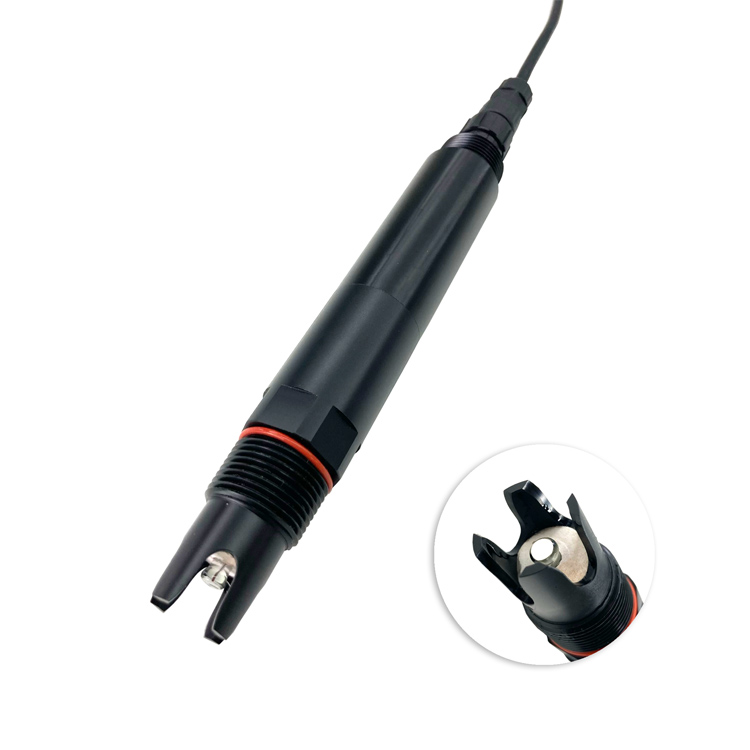
Q1: What is an amperometric chlorine sensor?
A: It is a residual chlorine measuring probe that uses electrode current to estimate chlorine concentration. It normally needs stable sample flow, correct pressure, pH awareness and regular calibration.
Q2: Does a chlorine sensor need a flow cell?
A: Many continuous chlorine points use a flow cell or bypass line because stable flow improves response and repeatability. Immersion installation is not suitable for every amperometric design.
Q3: Why does pH affect residual chlorine measurement?
A: Free chlorine exists in different chemical forms depending on pH. If pH changes, the sensor response and disinfection interpretation can change, so pH measurement or compensation may be needed.
Q4: Can the sensor be used for automatic dosing?
A: Yes, if the controller and output match the dosing system. The buyer should define control signal, alarm limits, safety interlocks and comparison-test procedures before using the reading for dosing.
Q5: What maintenance does a digital chlorine sensor need?
A: Maintenance can include cleaning, zero and slope checks, membrane replacement, electrolyte replacement and flow cell inspection. The exact schedule depends on water quality and the selected model.
Q6: What should I compare when checking chlorine sensor prices?
A: Compare sensor type, measured chlorine species, flow cell, controller, output signal, cable, consumables, calibration tools and technical documents. A low probe price may exclude necessary accessories.
Q7: Is RS485 Modbus RTU useful for chlorine monitoring?
A: It is useful when the project needs data logging, remote monitoring or multiple parameters on one bus. Ask for the Modbus register map and communication settings before integration.
Q8: What causes chlorine readings to drift?
A: Typical causes include membrane fouling, unstable sample flow, pressure variation, pH change, depleted electrolyte, air bubbles, chemical interference and missed calibration checks.
Q9: What project information should be sent for quotation?
A: Send water source, chlorine type, target range, pH range, pressure, flow, installation drawing, output requirement, quantity and whether a controller or flow cell is required.
Q10: When is a chlorine sensor not the right choice?
A: It may not be right when the sample cannot be delivered at stable flow, contains strong interfering chemicals, or the project cannot maintain consumables and comparison testing.
An amperometric chlorine sensor is useful only when the installation controls flow, pressure, pH and maintenance. Buyers should define the full sample path and calibration responsibility before comparing quotations.
NiuBoL can quote chlorine sensors as a probe, controller package or part of a wider water quality system. Clear site conditions will produce a clearer price and fewer commissioning problems.
Prev:Why Choose an Optical Dissolved Oxygen Sensor for Continuous Monitoring?
Next:Inline Turbidity Meter Installation: Pipe, Tank and Open-Channel Options
Related recommendations
Sensors & Weather Stations Catalog
 Agriculture Sensors and Weather Stations Catalog-NiuBoL.pdf
Weather Stations Catalog-NiuBoL.pdf
Agriculture Sensors Catalog-NiuBoL.pdf
Water Quality Sensor Catalog-NiuBoL.pdf
Related products
 Combined air temperature and relative humidity sensor
 TDR Soil Moisture & Temperature Sensor for irrigation| RS485 |4-20mA| NBL-S-THR
 Soil pH sensor RS485 soil Testing instrument soil ph meter for agriculture |NBL-S-PH
 Wind Speed sensor Output Modbus/RS485/Analog/0-5V/4-20mA
 Tipping bucket rain gauge for weather monitoring auto rainfall sensor RS485/Outdoor/stainless steel
 Pyranometer Solar Radiation Sensor 4-20mA/RS485

Screenshot, WhatsApp to identify the QR code
WhatsApp number:+8615367865107
(Click on WhatsApp to copy and add friends)

