





— Blogs —
—Products—
 Consumer hotline +8618073152920
 WhatsApp:+8615367865107
Address:Room 102, District D, Houhu Industrial Park, Yuelu District, Changsha City, Hunan Province, China
Product knowledge
Time:2026-07-23 14:33:42 Popularity:17
Conductivity channels often fail at the worst time, when maintenance windows are already full. Most projects treat conductivity like a simple reading, but electrode care is where reliability is built.
This article focuses on how to keep replacement and calibration predictable so the sensor can be part of a stable operating plan instead of a maintenance exception.
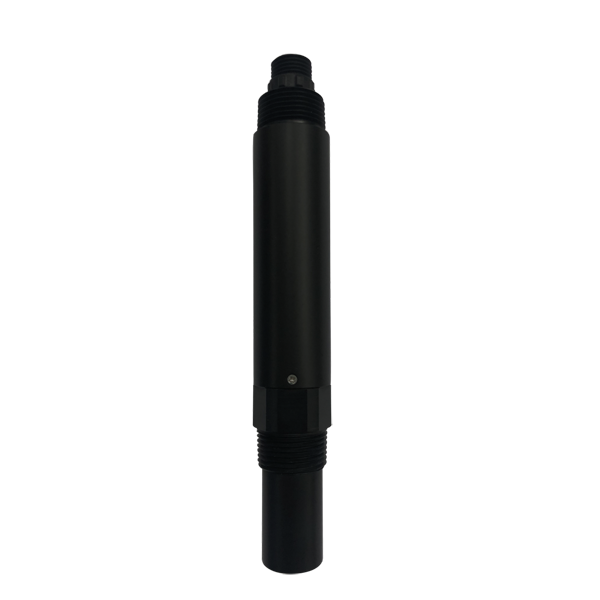
Two projects can use the same model and show different service costs. The difference is usually water chemistry and cleaning interval policy.
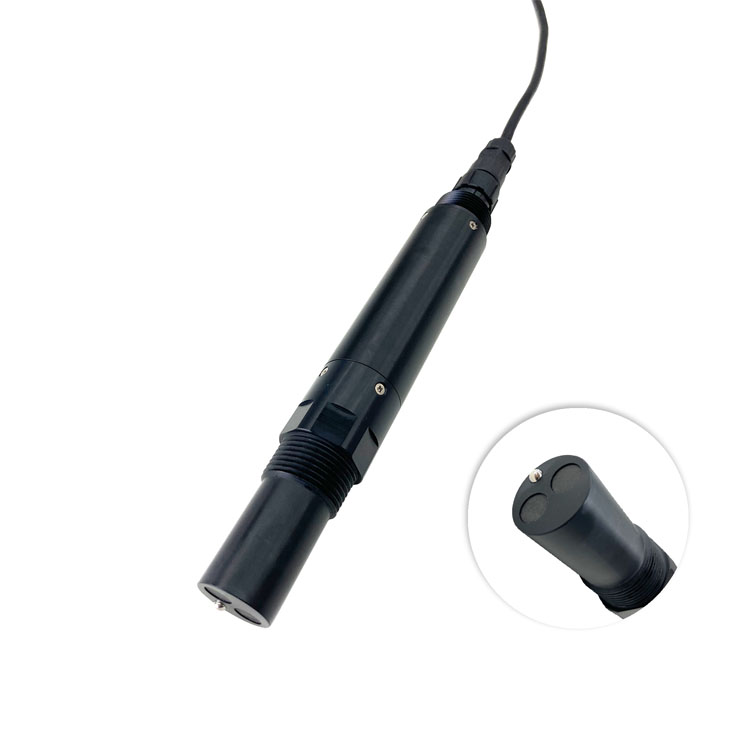
When contracts exclude calibration labor and consumables, operational teams pay hidden costs later and still face data uncertainty.
Use a fixed sequence: pre-cleaning, zero check, calibration standard, verification run and baseline lock. Skip one step and you lose continuity.
Keep the sequence in procurement documentation so third-party integrators follow the same quality baseline.
For fresh water, standard 0 to 5000 uS/cm class covers most production. For high-salinity or brackish water, salinity class reduces drift risk.
In highly variable chemistry, select higher resolution and stronger anti-fouling design if available.
Replacement lead time, connector kits and service response affect production continuity more than catalog price.
Ask for service level terms and keep one spare electrode in projects with high process sensitivity.
| Specification | Value | Project meaning |
|---|---|---|
| Measuring range | 0?0,0000+ uS/cm (model dependent) | Supports wide salinity and conductivity span |
| Resolution | 0.01 to 1.0 uS/cm | Choose by application stability needs |
| Accuracy | +/-1.5% FS, +/-0.3 degC | Useful for process tracking and control |
| Output | RS485 Modbus RTU | Direct integration into SCADA and PLC |
| Supply | 12 to 24 VDC | Common field power environment |
| Protection | IP68 and immersion mounting | Appropriate for outdoor or wet environments |
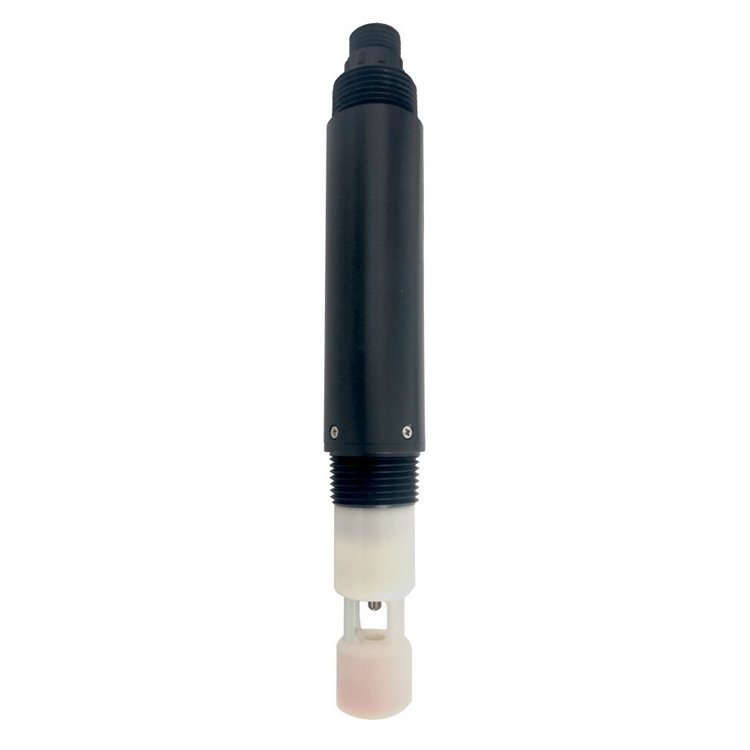
Field environment challenge: Calibration drift causes unstable conductivity alarm threshold
System integration plan: Place calibration in low-risk windows and align with water quality reference points.
User value: More stable conductivity trend and fewer manual overrides.
Field environment challenge: High salt and solids increase fouling frequency.
System integration plan: Use salinity-oriented model and schedule cleaning with feeding changes.
User value: Lower sensor downtime and consistent osmotic control.
Field environment challenge: Intermittent high conductivity spikes affect measurement stability.
System integration plan: Enable trend validation and avoid auto-scaling without manual approval.
User value: Better interpretation of abnormal events and easier OEE analysis.
In conductivity projects, field bus noise often comes from pump starts, so integration plans should define retry and debounce rules at PLC level.
Coordinate register conflict and maintenance windows before acceptance, then confirm electrode replacement logs are bound to the same alarm logic.
At handover, keep one register dictionary and one wiring map for each salinity line, and keep maintenance ownership explicit.
| Decision point | Practical recommendation |
|---|---|
| Material and chemistry | Match wetted material and medium, especially in high solids or salt |
| Calibration interval | Set interval by water quality trend, not by fixed date only |
| Communication | RS485 with fixed address and register document |
| Spare policy | Add electrode and cable spare in quotation |
| Maintenance scope | Include connector replacement and cleaning consumables |
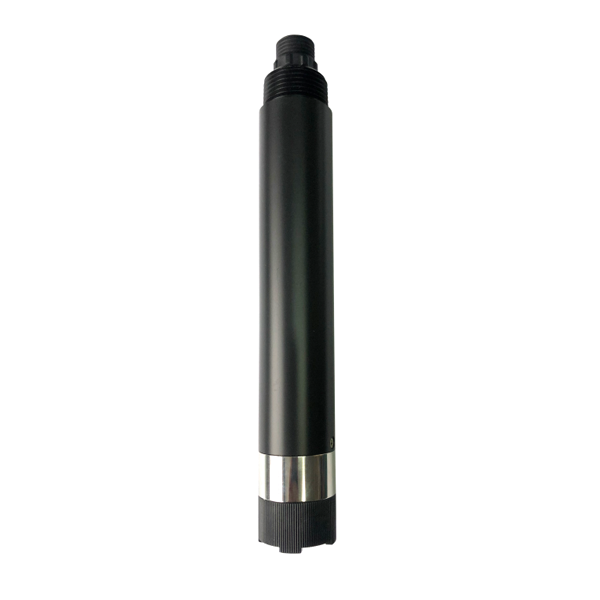
Depends on medium changes. Define a documented schedule and tighten it based on measured drift.
For some systems they can share one architecture, but not without explicit conversion method.
Only when you need traceability and future expansion. For one-point, analog may be enough.
Fouling pattern, salinity, and maintenance access are stronger drivers than usage months.
In critical systems, one full spare cable-electrode set is safer than none.
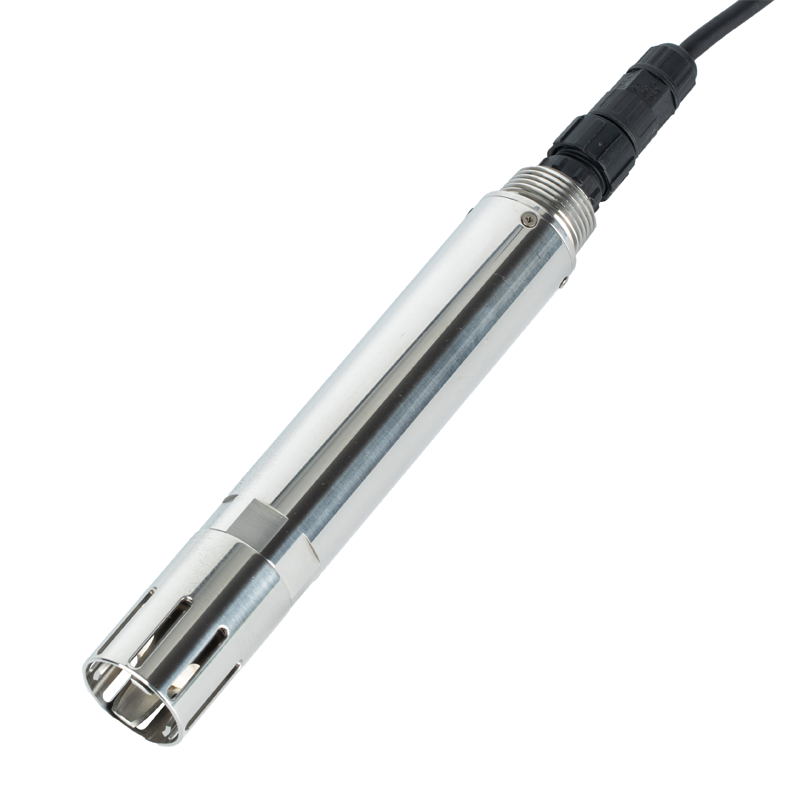
Use cleaning interval, drift trend and operating salinity. In short, if slope drift exceeds project tolerance, replace during scheduled shutdowns.
Ask for model-level approval and range extension first. If the line has high salts, request salt-specific recommendations in proposal output.
Include spare electrode, cleaning tools, calibration standard and installation labor; these items affect availability and are often omitted when only hardware is priced.
For conductivity projects, value is in stable operation windows and realistic calibration burden, not only range and display precision.
When comparing proposals, weight cleaning cycle, electrode storage, replacement interval and spare readiness equally with measurement specs.
Include calibration evidence in acceptance and ask for a field replacement workflow. That single requirement usually defines whether monthly control remains reliable.
Prev:Aquaponics Sensors: Build a Practical pH, DO, EC, Temperature Stack
Next:Online COD Analyzer Price: Seven Specification Points That Affect Your Quote
Related recommendations
Sensors & Weather Stations Catalog
 Agriculture Sensors and Weather Stations Catalog-NiuBoL.pdf
Weather Stations Catalog-NiuBoL.pdf
Agriculture Sensors Catalog-NiuBoL.pdf
Water Quality Sensor Catalog-NiuBoL.pdf
Related products
 Combined air temperature and relative humidity sensor
 Soil Moisture Temperature sensor for irrigation|NBL-S-THR
 Soil pH sensor RS485 soil Testing instrument soil ph meter for agriculture |NBL-S-PH
 Wind Speed sensor Output Modbus/RS485/Analog/0-5V/4-20mA
 Tipping bucket rain gauge for weather monitoring auto rainfall sensor RS485/Outdoor/stainless steel
 Pyranometer Solar Radiation Sensor 4-20mA/RS485

Screenshot, WhatsApp to identify the QR code
WhatsApp number:+8615367865107
(Click on WhatsApp to copy and add friends)

