





— Blogs —
—Products—
 Consumer hotline +8618073152920
WhatsApp:+8615367865107
Address:Room 102, District D, Houhu Industrial Park, Yuelu District, Changsha City, Hunan Province, China
Product knowledge
Time:2026-06-09 11:32:06 Popularity:449
Quick Answer: Swimming pool water quality monitoring should connect a clearly defined disinfectant measurement with pH, representative sample flow and an approved dosing-control arrangement. Turbidity and temperature add useful operating information; ORP is a separate oxidation measurement, not a direct chlorine concentration. Specify the chlorine species and reporting method before choosing a probe, then check the circulation sample and interlocks as carefully as the digital interface.
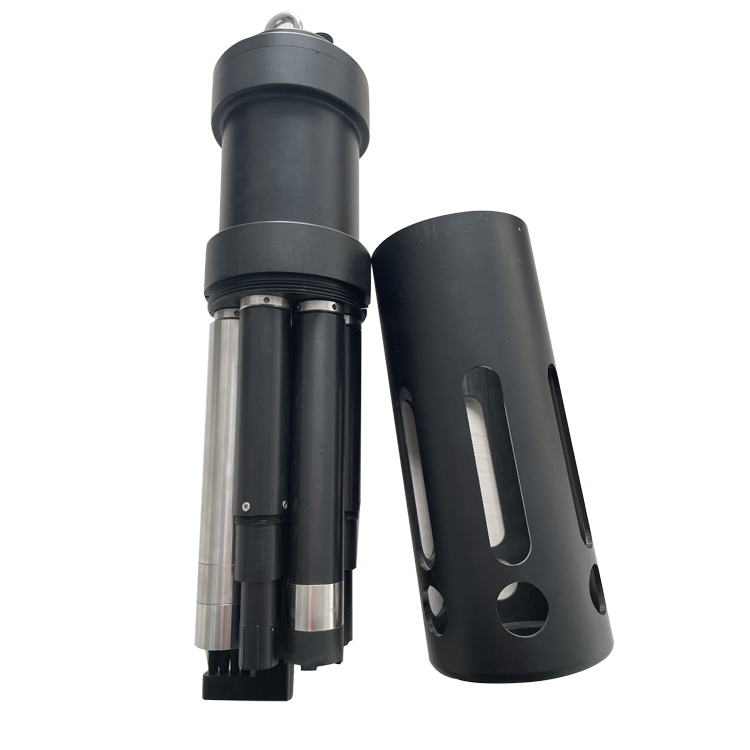
Commercial pool water management is a small but demanding water treatment project. Bather load, sunlight, temperature, filtration status and dosing rhythm can change water quality quickly, especially during peak operating hours.
A hotel pool with an existing dosing controller may need reliable replacement measurements and a building-management connection. A new public pool may need an integrated sample panel, controller and operating record. A facility with several separate circulation systems may need separate monitoring points. Combining every basin into one dashboard value would conceal differences between those water systems.
Decide which measurements support chemical control, which indicate filtration condition and which are retained for operator review. Do not add dissolved oxygen or ammonia merely because a multi-parameter assembly can accommodate them. Those measurements answer other water-management questions unless the pool project has a specific, justified requirement for them.
| Channel | Useful pool decision | Limit to preserve |
|---|---|---|
| Defined disinfectant residual | Review the disinfectant condition and the approved dosing response | HClO, DPD free chlorine and total chlorine are not interchangeable labels |
| pH | Support pool chlorine and pH monitoring and investigate changing chlorine response | Temperature compensation does not remove the water's chemical pH dependence |
| Temperature | Identify operating conditions and verify instrument suitability | It is not a measurement of disinfection effectiveness |
| Turbidity | Review clarity changes and filtration-related events | An optical reading does not identify pathogens or replace required visual checks |
| ORP | Provide oxidation-condition information or a validated controller input | A millivolt reading is not directly a concentration in mg/L |
| Sample and circulation flow status | Identify whether water is reaching the probe and whether chemical feeding is permitted | A pump command alone does not prove either flow |
Free chlorine terminology deserves particular care in stabilized pools. Hypochlorous acid, HClO or HOCl, is one chemical species. A DPD free-chlorine result is method-defined and, in water containing cyanuric acid, can include available chlorine associated with cyanurate. An electrode responding to HClO cannot simply have its channel renamed "DPD free chlorine" to make it match the operating log.
Specify the chlorine test definition required at this venue. The current Model Aquatic Health Code is guidance whose adoption varies by jurisdiction. Define the applicable pool requirements with the responsible operator or designer. Do not copy a concentration target from another venue or assume a model code is the local law.
For HClO sensor selection, establish the expected pH, temperature, chlorine chemistry and comparison method. An apparent disagreement with a DPD test can reflect different measurement definitions as well as instrument error. Investigate those definitions, sample timing and operating conditions before altering the calibration.
A multi-parameter housing does not solve this method question. Select each fitted measurement explicitly. An ammonium electrode, for example, measures a different nitrogen-related quantity and cannot replace a disinfectant channel. The probe body, threaded fitting or shared RS485 connection is not enough to identify what it measures.
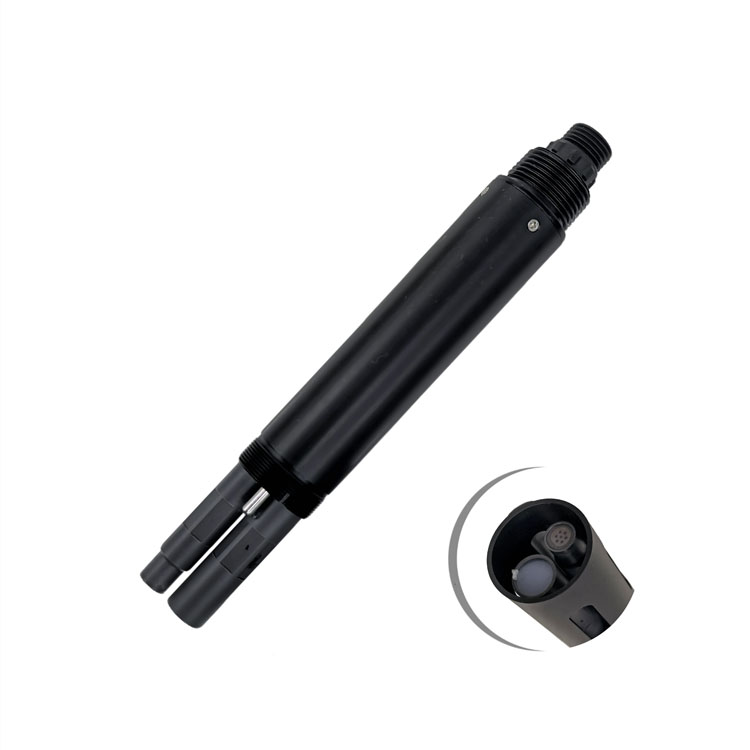
The NiuBoL NBL-WQ-CL residual chlorine sensor uses a constant-voltage measurement method. The base configuration below is a flow-cell instrument with an HClO range. These specifications should not be applied to every chlorine instrument, nor treated as a universal pool-disinfection range.
| Parameter | NBL-WQ-CL base configuration | Pool installation implication |
|---|---|---|
| Measurement and range | HClO; 0-2.000 mg/L | Confirm the required measurand and concentration basis before ordering |
| Resolution | 0.001 mg/L | Three decimal places do not establish the accuracy |
| Accuracy expression | +/-5% or +/-0.05 mg/L; temperature +/-0.5 degrees C | Agree the percentage basis and applicable error rule for acceptance |
| Water conditions | 5-50 degrees C; pH 4-9; pressure below 0.1 MPa | These are instrument limits, not pool operating setpoints |
| Sample flow | 30-60 L/h through the matching circulation cell | Measure and regulate the side-stream flow rather than relying on pump capacity |
| Response specification | Below 30 s | This does not include transport from a remote sampling point |
| Supply and consumption | Nominal DC 12-24 V, specified tolerance +/-10%; 0.2 W at 12 V | Use a compatible regulated supply; size the complete cabinet separately |
| Output | RS485 Modbus RTU | Map the actual concentration and status registers for the delivered version |
| Wetted construction and ingress rating | POM and fluoropolymer components; IP68 | Respect cell and pressure limits despite the probe ingress rating |
| Cable selection | Shielded cable with protected connections | Specify delivered length and jacket material; neither should be inferred from IP68 |
A chlorine range that looks numerically adequate can still be unsuitable if its output basis differs from the required pool test. Where the necessary measurement cannot be obtained or validated with this configuration, select an appropriate alternative analyzer rather than adjusting the label or assuming a compensation algorithm is included.
A sample panel should receive water representative of the circulation system being managed. Avoid drawing directly from a concentrated chemical injection plume. Identify the sampling point relative to treatment and chemical addition in the installation drawing, and check whether that location answers the intended control question.
Provide practical isolation, flow adjustment and a visible or measurable sample-flow indication. Reduce pressure appropriately where the sample supply can exceed the instrument limit. Prevent bubbles and inspect whether deposits or a partially closed valve are changing flow. A full cell can contain old water while the current pool water no longer reaches it.
Transport time, cell mixing, probe response and controller filtering all contribute to the observed delay. Test the installed intake-to-reading behavior instead of treating the below-30-second probe specification as the response of the complete installation. Long or stagnant sample tubing can make a fast digital channel unhelpful for a rapid operating change.
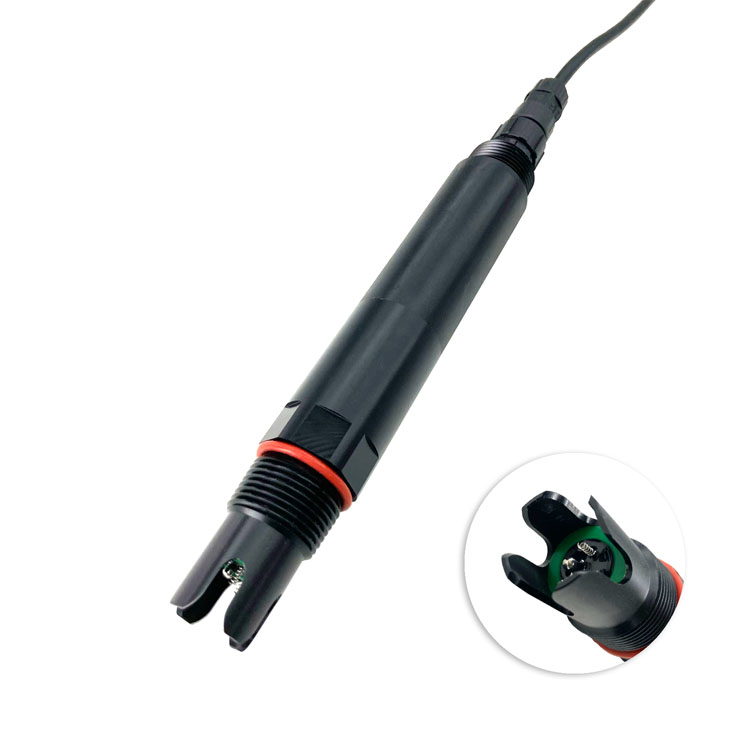
The pool dosing interlock should detect the relevant low-flow or no-flow condition and prevent chemical feeding according to the approved design. A remote alarm message is not a substitute for that local protection. The chemical-feeder interlock guidance addresses the risk created when chemicals continue to feed without adequate recirculation.
Distinguish loss of flow through the sample cell from loss of flow in the main circulation system. Either can make an automatic response unsafe or misleading, but they are different faults. Test the appropriate flow inputs, controller status and feeder inhibit using the site's commissioning procedure. Do not bypass an existing protective interlock to obtain a convenient dosing response.
For RS485 Modbus RTU integration, identify the device address, value format and concentration unit before connecting the dosing controller or gateway. A building management system may collect trends without having authority to change chemical settings. Separate those roles and restrict parameter writes. The local controller should have a defined response to stale values, sensor removal and power recovery.
ORP and free chlorine can be related under specified conditions, but there is no universal mV-to-mg/L conversion suitable for every pool. pH, water chemistry and other oxidizing or reducing substances influence the reading. Use ORP as its own measurement, or within a validated controller scheme, while retaining the required disinfectant tests.
When choosing a turbidity channel, examine the uncertainty near the desired clarity decision rather than the resolution alone. A probe with a broad wastewater range may provide useful trend information yet lack the performance needed near a low pool-water decision level. Confirm the test method, range and comparison criteria for the selected instrument.
Inspect and clean the appropriate sensing surface before changing calibration. Use qualified personnel and suitable standards for chlorine verification; do not improvise reagent preparation or combine maintenance chemicals. Compare online and manual results at compatible locations and times, and record any change in pH, temperature or stabilizer use that affects interpretation.
For a commercial pool monitoring quotation, provide the circulation drawing, disinfectant and stabilizer chemistry, required test definitions, normal and upset ranges, available sample pressure and flow, and the existing controller interface. Include flow-cell accessories, service valves, reference checks and interlock commissioning in the scope. A suitable sensor package should fit the pool's control arrangement rather than replacing it with an unverified generic station.
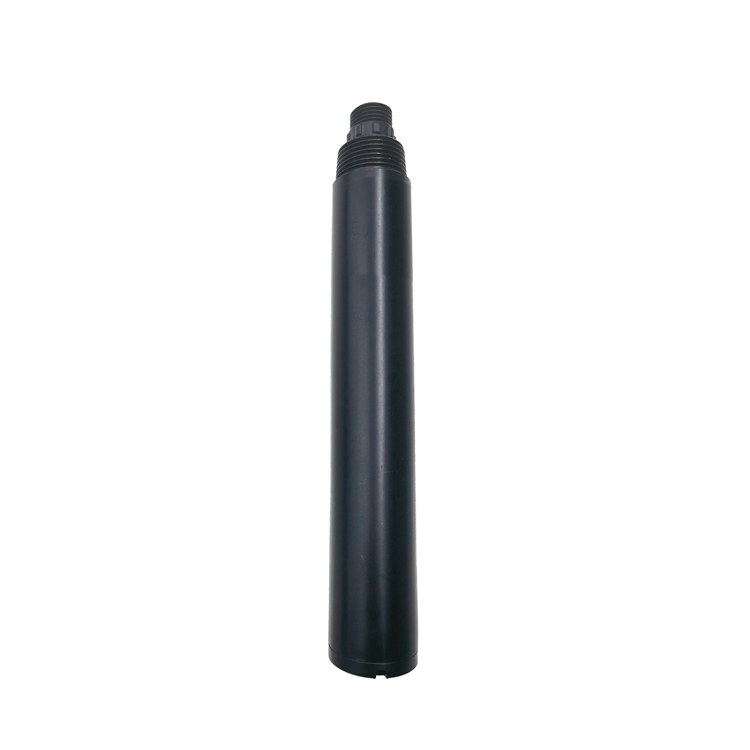
Start with the required disinfectant measurement, pH and temperature, together with sample and circulation status. Add turbidity or ORP where they answer a defined operational question. The disinfectant and venue requirements determine the final list.
Do not assume that equivalence. Its specified range is for HClO. Establish the reporting basis, compensation and comparison method, particularly with cyanuric acid present. Select another measurement approach if the required result cannot be validated.
No. ORP measures oxidation-reduction potential, not a unique chlorine concentration. It may be used by a suitable control scheme, but the facility still needs the disinfectant checks required by its operating requirements.
The cell establishes the water presentation and flow required by that measurement. IP68 describes ingress protection; it does not make an electrode independent of sample flow, pressure or chemical conditions.
The matching cell uses 30-60 L/h. Verify the actual side-stream flow at the installed panel. The main pool pump's rating is not the flow through the electrode cell.
The approved local controller and interlocks must define operation without the internet. Cloud data collection should not be the only protection against low flow, unavailable measurements or unsuitable feeding conditions.
No. Turbidity is an optical measurement. It can inform clarity and filtration review but does not identify pathogens or replace disinfection management and required verification.
Check measurement definition, range, flow cell, operating pressure, power, cable and register format. A connector that fits does not establish analytical or electrical interchangeability with the previous instrument.
No. It is useful only when its actual channels, limits and service arrangement fit the pool. Separate pH and chlorine instruments may be more suitable where sampling and maintenance requirements differ.
A useful pool monitoring system measures the required chemical quantities in representative circulating water and passes valid readings to an appropriate local controller. Resolve HClO versus the required chlorine test, establish sample flow and verify protective interlocks before relying on trends or remote displays. Those choices matter more than the number of channels in a probe housing.
Prev:MLSS Sludge Sensor Cleaning: Brush Cycles and Reading Validation
Next:Online Turbidity Sensor Control: Filter States and Valve Actions
Related recommendations
Sensors & Weather Stations Catalog
 Agriculture Sensors and Weather Stations Catalog-NiuBoL.pdf
Weather Stations Catalog-NiuBoL.pdf
Agriculture Sensors Catalog-NiuBoL.pdf
Water Quality Sensor Catalog-NiuBoL.pdf
Related products
 Combined air temperature and relative humidity sensor
 TDR Soil Moisture & Temperature Sensor for irrigation| RS485 |4-20mA| NBL-S-THR
 Soil pH sensor RS485 soil Testing instrument soil ph meter for agriculture |NBL-S-PH
 Wind Speed sensor Output Modbus/RS485/Analog/0-5V/4-20mA
 Tipping bucket rain gauge for weather monitoring auto rainfall sensor RS485/Outdoor/stainless steel
 Pyranometer Solar Radiation Sensor 4-20mA/RS485


Screenshot, WhatsApp to identify the QR code
WhatsApp number:+8615367865107
(Click on WhatsApp to copy and add friends)

