





— Blogs —
—Products—
 Consumer hotline +8618073152920
 WhatsApp:+8615367865107
Address:Room 102, District D, Houhu Industrial Park, Yuelu District, Changsha City, Hunan Province, China
Product knowledge
Time:2026-07-16 10:08:07 Popularity:20
A smart greenhouse control system is useful when growers need fewer checks, steadier irrigation and real-time production data. The buyer question is whether the system can measure the right variables and control equipment reliably.
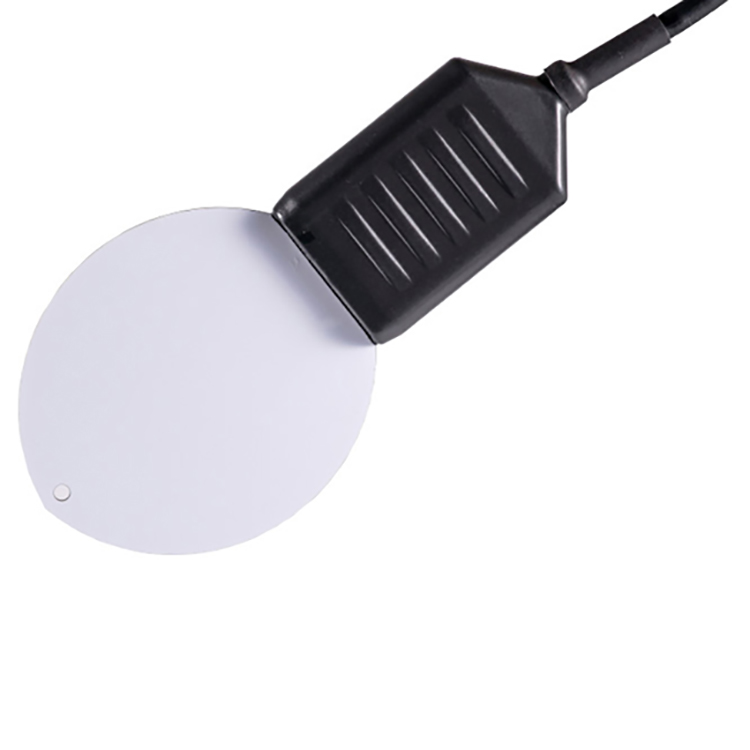
Greenhouse projects are shifting from manual environment checks to data-based climate and irrigation control. Traditional greenhouses often rely on workers to check temperature, judge irrigation timing and decide when to fertilize. That approach becomes costly and inconsistent when the greenhouse area expands or when night humidity, light and CO2 conditions change quickly.
A modern greenhouse system collects temperature, humidity, light intensity and other crop environment data, then sends the data to a platform through wired or wireless communication. Users can view the greenhouse on a PC or mobile APP, choose manual control or automatic control, and keep historical records for production review.
In a smart greenhouse control system project, sensors are only the field layer. A complete system includes data acquisition, power supply, communication, platform software, alarm rules and maintenance responsibility. This matters because many failed projects have correct sensors but weak data handling, poor installation or no response workflow.
| System Layer | Typical Device | Buyer Value |
|---|---|---|
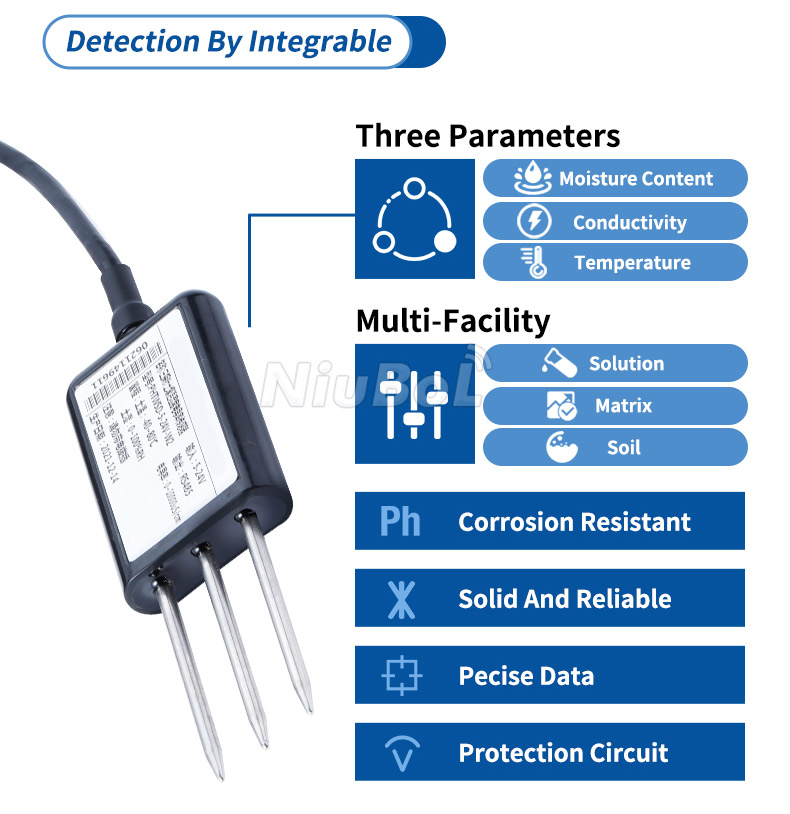
| Sensing layer | Temperature, humidity, light, CO2, soil moisture, soil EC and soil pH sensors | Provides crop environment data instead of relying on manual checks |
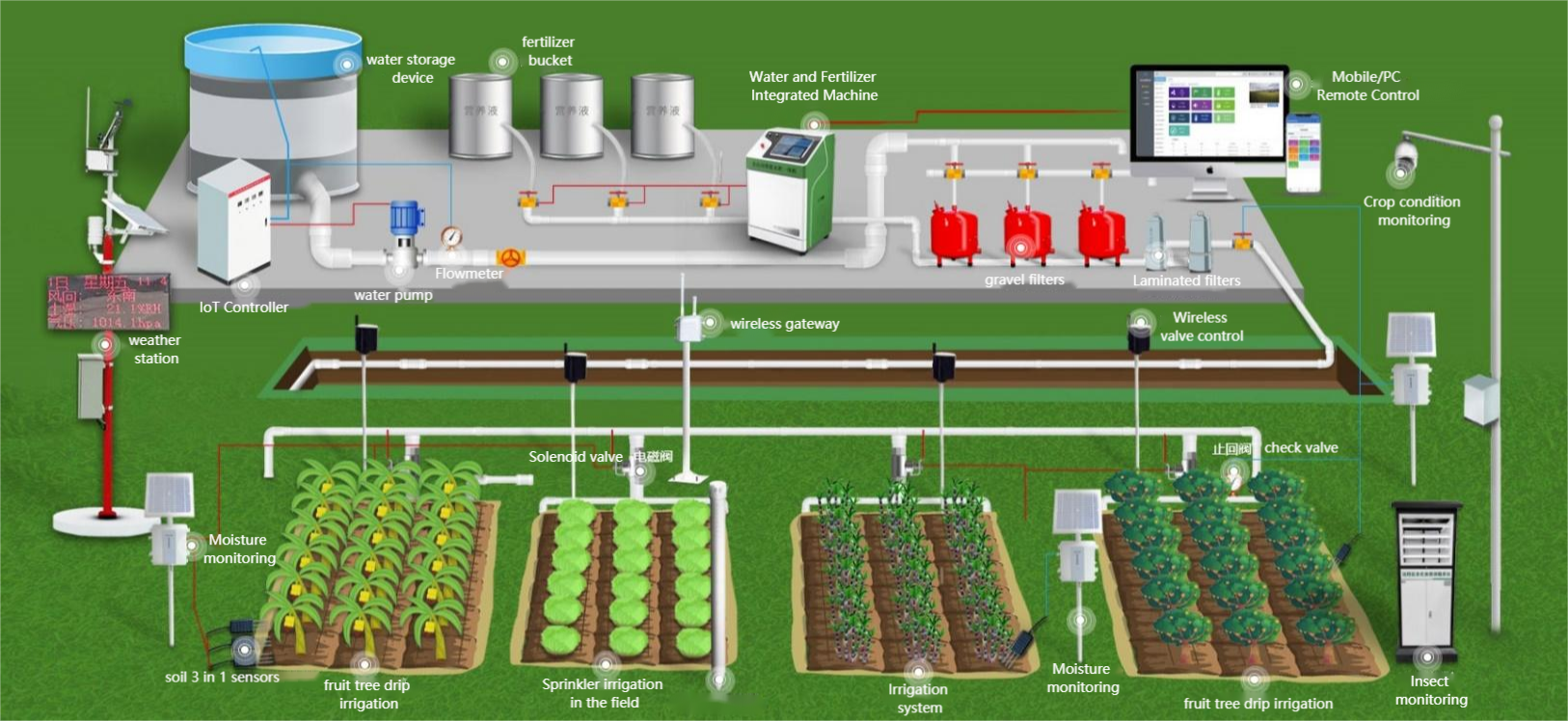
| Control layer | Ventilation, irrigation, shading, heating, fan and water fertilizer control | Turns monitoring data into repeatable greenhouse operation |
| Communication layer | RS485 / Modbus RTU, wireless gateway or Ethernet according to project design | Allows sensors and controllers to enter one platform |
| Platform layer | PC dashboard, mobile APP, cloud storage, alarms and historical curves | Supports remote management and production review |
| Power and cabinet | DC sensor power, protected terminals, relays and surge protection | Improves safety and maintainability in humid greenhouse environments |
For sensor-layer integration, RS485 with Modbus RTU is usually the practical interface because it gives system integrators a defined address, register and polling structure. The station host or gateway can then upload data through 4G, Ethernet or another configured method. Before ordering, buyers should confirm baud rate, device address, register map, engineering units, cable length and whether the platform can store historical records.
For projects that include control actions, such as greenhouse irrigation or construction site spray linkage, the buyer should define alarm thresholds, delay time, manual override and failure behavior. A control output is useful only when the operating rule is clear.
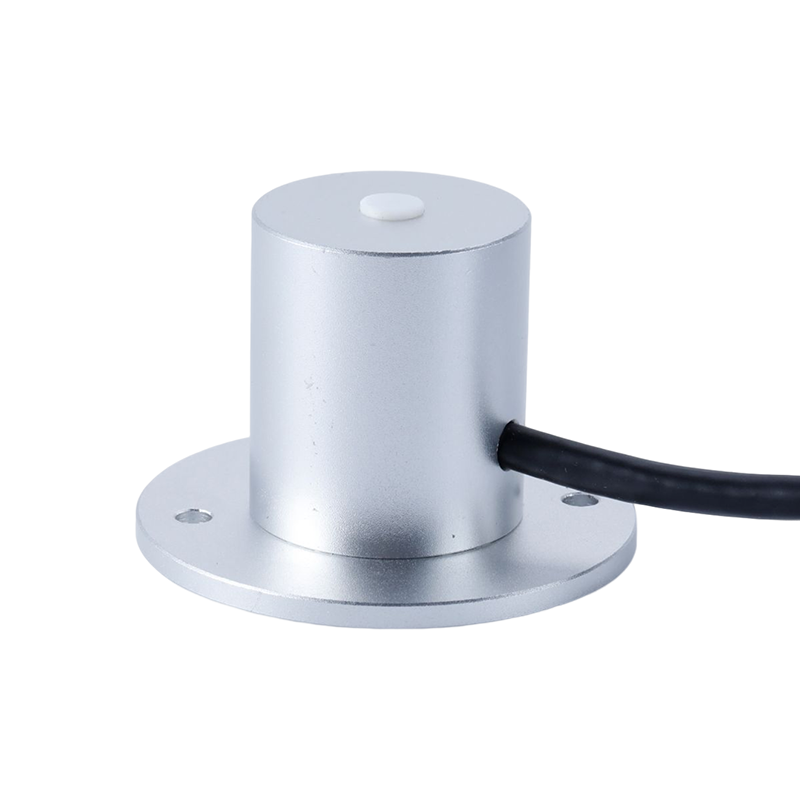
The practical value of automation is not replacing growers' experience. It is making that experience repeatable. A grower may know when the greenhouse feels too humid, but a system can record how often humidity exceeded a threshold, how long the fan operated, and whether irrigation happened before or after the humidity peak.
For vegetable production, humidity, temperature, light, soil moisture and CO2 can strongly influence growth, disease pressure and yield. Without a control system, the grower often reacts late. With sensors, platform alarms and actuator control, the greenhouse can move from reactive operation to scheduled, measurable management.
| Decision | Required Data | Possible Control Action |
|---|---|---|
| Ventilation | Temperature, humidity and CO2 | Fan, vent window or curtain control |
| Irrigation | Soil moisture, crop stage and schedule | Valve or pump control with manual override |
| Shading | Light intensity and temperature | Shade curtain control |
| Fertilization | Water flow, EC, pH and irrigation zone | Water fertilizer machine and zone valve coordination |
| Alarm | Threshold, duration and device status | APP, platform, SMS or local alarm depending on project |
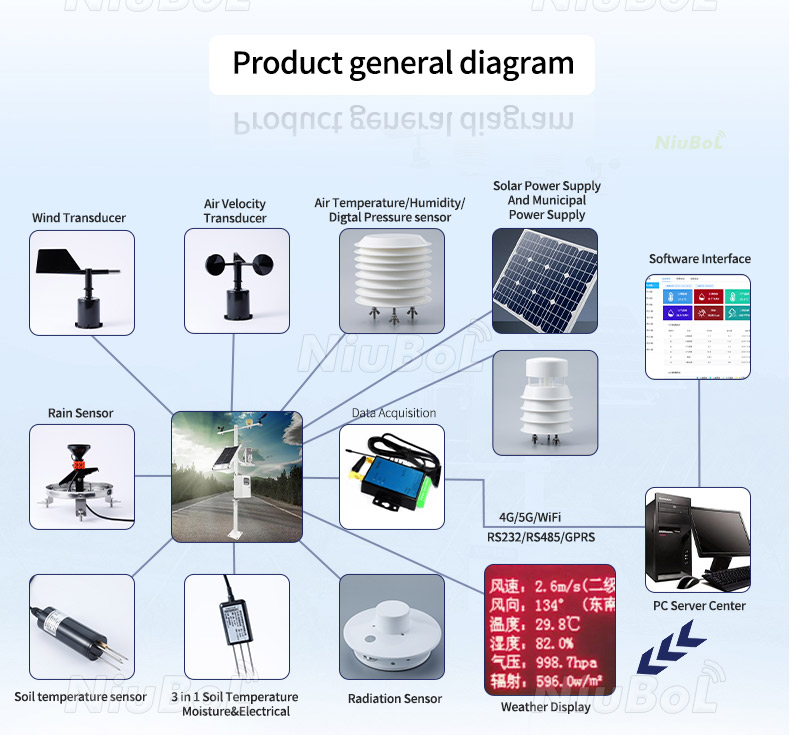
A smart greenhouse control system creates value when the buyer has repeated decisions that must be made at the right time. Examples include morning ventilation after high night humidity, irrigation before root-zone stress, shade control during strong noon radiation and CO2 management during protected cultivation. If the greenhouse staff still wants to make every decision manually, the first-stage project can focus on monitoring, alarms and data records instead of full automation.
For a greenhouse distributor or contractor, the important work is to divide the site into controllable zones. One greenhouse block may use the same crop, same irrigation line and same ventilation equipment, while another block may have different crop age or different shading. If both blocks are controlled by one rule, the system may look simple but produce unstable crop results. Zone planning is often more important than adding more sensors.
| Quotation Item | Why It Changes Cost | Information to Provide |
|---|---|---|
| Greenhouse area and zones | Determines sensor quantity, controller channels and cable length | Length, width, span count and crop layout |
| Actuator control | Fans, vents, curtains, pumps and valves require different relay or control outputs | Existing equipment voltage and control method |
| Communication | RS485 cable, gateway, wireless transmission and platform access have different installation costs | Distance, cabinet location and network condition |
| Platform functions | Data storage, alarm push, APP access and reports change software scope | Who needs access and what records must be exported |
| Installation service | Cabinet wiring, sensor mounting and commissioning are project work, not only product supply | Photos, drawings and expected installation schedule |
A practical acceptance test should simulate actual crop decisions. Do not only check whether the platform shows numbers. Trigger a high-temperature alarm, test manual fan control, test automatic rule recovery after power restoration and export one day of data. This separates a working greenhouse control system from a collection of installed devices.
Field challenge: Night humidity, daytime heat and light variation affect yield and disease risk.
System scheme: Use temperature, humidity, light, CO2, soil moisture and irrigation control with platform alarms.
User value: Operators can reduce manual checks and make ventilation or irrigation decisions from trend data.
Field challenge: Different varieties need stable climate and root-zone moisture.
System scheme: Use zone-based sensors and separate control rules for irrigation and shading.
User value: Managers can keep production more consistent across growing areas.
Field challenge: Experiments need repeatable data and historical export.
System scheme: Use calibrated sensors, stable data interval and exportable platform records.
User value: Researchers can connect growth results with environment data.
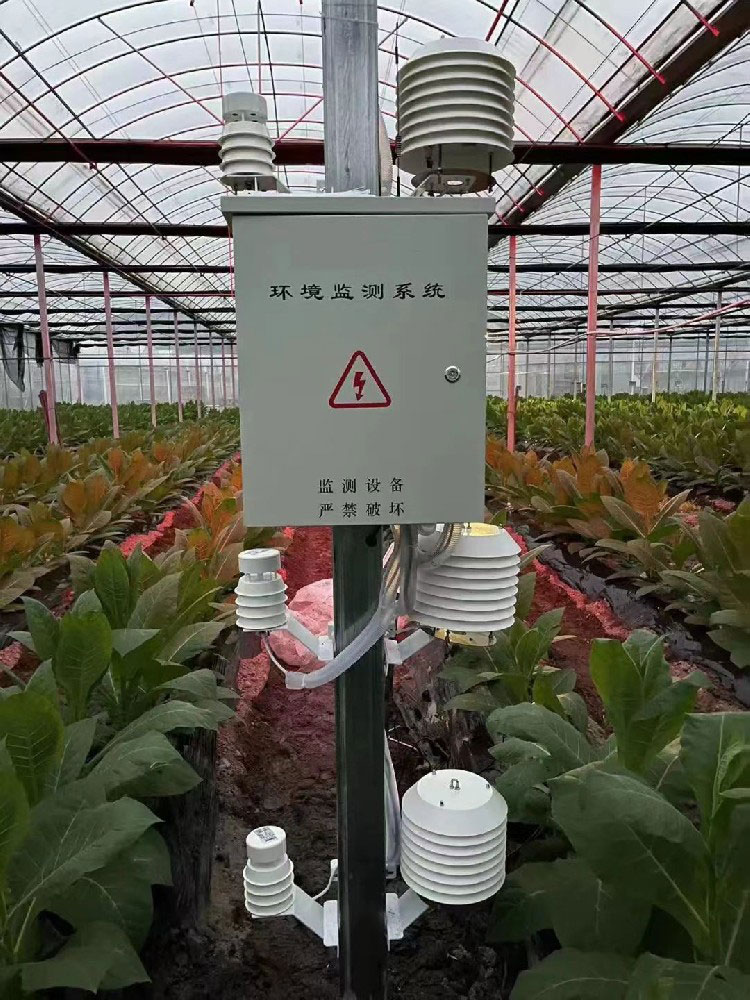
A smart greenhouse control system is suitable when the grower needs repeatable climate management, remote alarms, irrigation control or data-based production review. It is not the first purchase for a greenhouse with unstable water supply, no power plan, no operator responsibility or unclear crop management rules.
Buyers should compare basic monitoring, semi-automatic control and full integrated control. A basic system records data. A semi-automatic system adds alarms and manual remote operation. A full control system connects sensors to actuators such as fans, vents, curtains, irrigation valves and fertilizer machines.
Before quotation, buyers should provide application site, required parameters, number of monitoring points, power condition, communication method, platform requirement, installation photos, destination country and expected maintenance owner. Price is affected by sensor set, pole or bracket, power system, communication module, display, platform functions, cable length, camera, packaging and customization. For export projects, packaging, labels, manual language and spare-parts plan should also be confirmed.
Acceptance should include live values, platform upload, historical query, alarm threshold test, report export, image display if included, installation photos and one complete handover document. The document should record sensor model, station name, wiring, power supply, communication settings and maintenance schedule. This reduces future support cost for distributors and contractors.
For greenhouse automation projects, customization is common because crop type, greenhouse structure and existing equipment differ. Buyers should confirm whether the supplier can match sensor points, controller channels, cabinet layout and actuator interfaces to the real site. A standard monitoring kit may be enough for a demonstration greenhouse, but production greenhouses usually need drawings, address tables, cable routes and commissioning records.
Packaging should protect sensors, cabinets and mounting accessories separately. For long-distance shipment, ask for a packing list covering fragile sensors, brackets, controller cabinet, cables and spare accessories. After-sales support should include wiring diagrams, Modbus information, alarm-setting guidance and troubleshooting for sensor failure or communication loss.
When requesting a greenhouse quotation, attach a simple zone sketch if possible. Mark sensor points, valves, fans, vents, curtains, pumps and cabinet locations. This allows NiuBoL or a local integrator to judge whether the project needs one controller, several distributed controllers or a gateway-based architecture.
Ask for the final sensor list, wiring notes, platform scope, packing list and acceptance checklist before ordering. These documents reduce commissioning delays and make later maintenance easier for the buyer and the local service team.
A: A smart greenhouse control system is worth buying when the greenhouse has repeatable climate or irrigation decisions that affect crop quality, labor cost or disease risk. It is most useful for projects with fans, vents, curtains, pumps, valves or irrigation zones that can be controlled by rules. If the site only needs visibility, monitoring with alarms may be a better first stage.
A: The system reduces dependence on manual judgment by recording temperature, humidity, light, CO2, soil moisture and equipment status continuously. This helps operators see whether crop stress came from heat, poor ventilation, over-irrigation or delayed action. The value is not only automation; it is repeatable operation and traceable production data.
A: Temperature, humidity and light should normally be selected first because they affect ventilation, shading and crop stress directly. Soil moisture becomes important when irrigation timing is a key decision. CO2, soil EC and soil pH should be added when the project controls fertilization, water quality or intensive crop production.
A: RS485 / Modbus RTU should be planned by sensor address, cable route, baud rate, register map and gateway polling interval before installation. Long cable runs, mixed devices and weak wiring labels can make commissioning slow. For integrators, a clear address table is as important as the sensor list.
A: Monitoring shows live and historical data, while automatic control turns rules into actions such as ventilation, irrigation or shading. Automatic control should only be used when actuators are reliable and the grower has defined safe thresholds, delay times and manual override. Otherwise, monitoring plus alarms is safer.
A: The common failure is installing equipment before defining crop decisions. Other risks include one rule for several different zones, unclear actuator wiring, no manual override, no alarm responsibility and no acceptance test for power recovery. A working project needs both hardware and operating rules.
A: Buyers should provide greenhouse size, crop type, zone layout, existing fans or pumps, irrigation method, required sensors, power condition, network condition and desired control actions. Photos or a simple sketch help the supplier judge controller channels, cable length, cabinet position and platform scope.
A: Acceptance should test live sensor values, historical curves, actuator manual control, automatic rules, alarm push, data export and recovery after power interruption. The buyer should also receive wiring notes, Modbus information if needed, platform access and a basic troubleshooting checklist.
A smart greenhouse control system should be selected as a crop production tool, not as a generic automation package. Buyers get better results when they define crop decisions first, then choose sensors, controllers, communication and platform functions that support those decisions. NiuBoL greenhouse solutions can support practical climate, irrigation and production data management.
Prev:Agricultural IoT Pest Monitoring System Implementation Guide for Smart Farms
Next:Agricultural Weather Station Functions: What Farm Projects Should Monitor and Why
Related recommendations
Sensors & Weather Stations Catalog
 Agriculture Sensors and Weather Stations Catalog-NiuBoL.pdf
Weather Stations Catalog-NiuBoL.pdf
Agriculture Sensors Catalog-NiuBoL.pdf
Water Quality Sensor Catalog-NiuBoL.pdf
Related products
 Combined air temperature and relative humidity sensor
 Soil Moisture Temperature sensor for irrigation|NBL-S-THR
 Soil pH sensor RS485 soil Testing instrument soil ph meter for agriculture |NBL-S-PH
 Wind Speed sensor Output Modbus/RS485/Analog/0-5V/4-20mA
 Tipping bucket rain gauge for weather monitoring auto rainfall sensor RS485/Outdoor/stainless steel
 Pyranometer Solar Radiation Sensor 4-20mA/RS485

Screenshot, WhatsApp to identify the QR code
WhatsApp number:+8615367865107
(Click on WhatsApp to copy and add friends)

