





— Blogs —
—Products—
 Consumer hotline +8618073152920
 WhatsApp:+8615367865107
Address:Room 102, District D, Houhu Industrial Park, Yuelu District, Changsha City, Hunan Province, China
Product knowledge
Time:2026-07-28 10:07:56 Popularity:291
A water quality monitoring buoy is a field station, not only a floating shell with sensors. The project has to define parameters, power, telemetry, anchoring, anti-fouling, maintenance route and data ownership before the quotation can be accurate.

Monitoring buoys are useful for lakes, reservoirs, rivers, aquaculture zones, drinking-water sources and pollution warning points. They are less suitable where navigation impact, vandalism, ice, strong flood flow or maintenance access cannot be controlled.
The sensor package should follow the decision the buyer needs to make. A drinking-water source may focus on pH, DO, turbidity, conductivity, temperature and algae indicators. Aquaculture may need DO, temperature, pH, salinity and ammonia. Pollution warning may add COD, ORP or full-spectrum sensors.
Too many parameters can increase power load, maintenance and cost without improving decisions. Too few parameters can make the station unable to explain an alarm. The useful package is the one that connects a field condition to an operational response.
| Project purpose | Typical sensor package | Reason |
|---|---|---|
| Reservoir warning | pH, DO, turbidity, conductivity, temperature, algae indicator. | Detects abnormal water body changes. |
| Aquaculture area | DO, temperature, pH, salinity, ammonia. | Supports aeration and water exchange decisions. |
| River pollution | pH, conductivity, turbidity, COD or ORP. | Captures runoff and discharge events. |
| Research station | Multi-parameter package with defined logging interval. | Creates comparable long-term data. |
Solar panels and batteries must be sized for sensor load, telemetry interval, cleaning devices, local weather and maintenance interval. A buoy that works in a factory test can still fail on a cloudy week if the power budget is not calculated.
The RFQ should state data upload interval, sampling interval, expected sunlight condition, winter operation need and whether the site has 4G coverage. If communication is weak, the design may need larger storage, different antenna placement or another telemetry option.
Power and telemetry are often where project boundaries become unclear. Buyers should ask whether NiuBoL is quoting sensors only, the sensor package, or the whole buoy station including power and transmission.
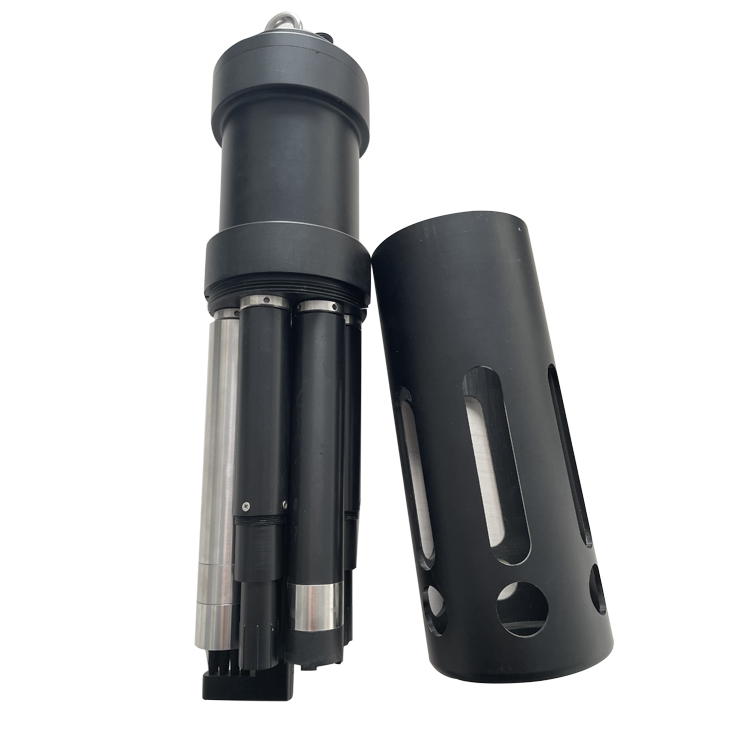
A monitoring buoy may send data through 4G, LoRa, radio, satellite or a project-specific gateway. The right choice depends on distance, coverage, data interval and platform ownership. RS485 Modbus RTU is commonly used inside the buoy or station cabinet for sensor communication.
The integrator should define how data moves from probe to logger, from logger to platform, and from platform to user. Alarm thresholds, offline storage and time synchronization should be part of the design.
| Architecture item | Question to answer | Project impact |
|---|---|---|
| Sensor bus | How many RS485 devices share the station? | Affects address plan and power budget. |
| Telemetry | Is 4G available at water level? | Affects antenna and communication method. |
| Sampling interval | How often is data needed? | Affects battery size and data cost. |
| Platform | Who owns the dashboard and data export? | Affects API and handover documents. |
Anchoring is not a minor accessory. Water depth, current, wind, water-level change, boat traffic and sediment condition determine anchor design. A poor anchor can move the buoy away from the monitoring point or damage cables.
Anti-fouling also needs planning. Optical windows, DO caps and protective guards can foul quickly in warm nutrient-rich water. The maintenance route should state cleaning interval, spare parts, boat access and safety responsibility.
A buoy is unsuitable for projects where nobody can service it. Remote monitoring still needs physical maintenance, especially after storms, algal bloom, debris impact or battery aging.
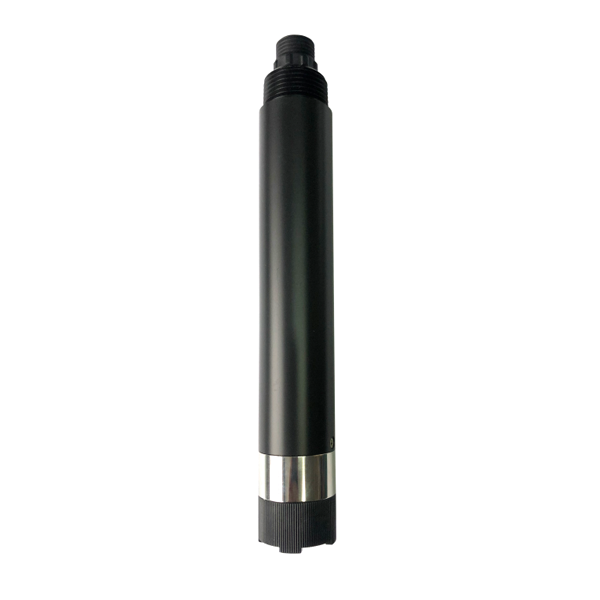
Send water body type, depth, current or flow condition, target parameters, data interval, power expectation, communication coverage, maintenance interval, anchoring constraints, climate, quantity and whether the project needs sensors only or a complete buoy.
A site map, photos and expected deployment season help. They allow the supplier to identify whether a standard water quality station is enough or whether custom power, telemetry and mechanical design are needed.
A buoy measures the water around its sensors, not the whole lake or river. Buyers should define whether the station represents surface water, a fish farming layer, a reservoir intake area or a pollution-risk zone. Sensor depth and anchor position follow that decision.
In stratified lakes or reservoirs, one depth may miss important changes below the surface. In shallow aquaculture ponds, one probe position may be enough if the water is well mixed. The design should match the water body, not a standard picture of a buoy.
| Water body | Placement concern | Buyer input |
|---|---|---|
| Reservoir | Intake relevance and stratification | Depth profile and intake location |
| River | Current, debris and representative flow | Flow direction and flood level |
| Aquaculture area | Stocking zone and aerator influence | Pond layout and operating depth |
A complete quotation should state whether it includes buoy body, sensor package, data logger, solar panel, battery, antenna, anchor, platform and installation support. If only sensors are included, the buyer should know which party owns waterproofing, power and telemetry.
For projects with public tenders, attach the parameter list, data interval and environmental conditions. For private aquaculture or reservoir projects, photos and a simple location map are often more useful than a long generic specification.
The spare plan should include cleaning parts, cables, sensor caps where applicable and battery replacement expectations. A buoy that cannot be serviced quickly loses its value during the exact events it was installed to detect.
A monitoring buoy is suitable where the water body is large enough, the station can be anchored safely, and the buyer needs continuous data from a location that cannot be monitored well from shore. It is also useful when sensor depth and water-body position are part of the data value.
It is unsuitable where boats may strike the station, floods may pull the anchor, ice may crush the buoy, or no team can service it. A shore-based cabinet, bridge-mounted station or fixed platform may be a safer design in those cases.
This choice should be made before the sensor list. The wrong platform can make good sensors unreliable or difficult to maintain.
For procurement, split the quotation into sensor package, buoy structure, power, telemetry, anchor, platform and service. This allows the buyer to decide whether NiuBoL supplies the complete station or only the water quality instruments.
Delivery planning should include packaging size, battery shipping rules, spare sensor protection and installation responsibility. Buoy projects are physical projects; freight and site handling are part of the purchase decision.
A buoy project also needs a maintenance budget. Cleaning visits, battery replacement, anchor inspection, sensor cap replacement and data platform checks should be planned before installation. Without that budget, the station may work during acceptance and fail during the first high-fouling season.
For government or contractor projects, define the handover documents: anchor layout, wiring drawing, sensor list, Modbus map, power budget, platform login, cleaning method and spare-part list. These documents make the buoy easier to maintain after the supplier leaves.
If the water body has strong public access, the design should consider visibility, labels and protection. Theft or accidental damage is not a sensor problem, but it can stop data collection just as completely as a failed probe.
For staged projects, begin with the parameters that drive action. DO, pH, turbidity and conductivity often form the first package; COD, algae or ammonia can be added when the site has the budget, maintenance route and data use case.
A buoy should also have a data-gap rule. If communication stops, the operator needs to know whether data is stored locally, how long the logger can hold it, and when a boat visit is required.
For long deployments, include seasonal access in the plan. A buoy that is easy to service in summer may be difficult during flood season, heavy wind or low-water conditions.
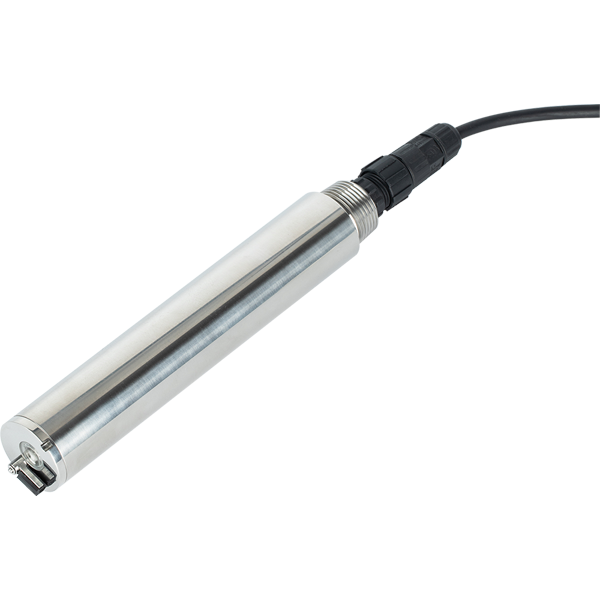
Q1: What is a water quality monitoring buoy?
A: It is a floating monitoring station that carries sensors, power, data logging, telemetry and anchoring hardware for continuous measurement in lakes, rivers, reservoirs or aquaculture areas.
Q2: Which sensors are commonly used on a monitoring buoy?
A: Common parameters include pH, dissolved oxygen, temperature, conductivity, turbidity, salinity, ammonia, chlorophyll, blue-green algae, COD or ORP depending on the project purpose. For an RFQ, include who supplies the logger, power system, data platform and on-water installation service.
Q3: How is data transmitted from a buoy?
A: Data can be transmitted by 4G, LoRa, radio, satellite or a project gateway. Inside the station, sensors commonly use RS485 Modbus RTU to connect to the logger.
Q4: What affects buoy power design?
A: Sensor quantity, sampling interval, data upload interval, telemetry method, cleaning devices, solar conditions, battery capacity and winter operation all affect power design. For an RFQ, include who supplies the logger, power system, data platform and on-water installation service.
Q5: When is a buoy not suitable?
A: A buoy may not be suitable in heavy navigation zones, ice conditions, extreme floods, vandalism-prone sites or locations where maintenance access is impossible. For an RFQ, include who supplies the logger, power system, data platform and on-water installation service.
Q6: What should be included in a buoy quotation?
A: The quote should separate sensors, logger, telemetry, solar power, battery, buoy body, anchor system, brackets, cables, platform and maintenance spare parts. For an RFQ, include who supplies the logger, power system, data platform and on-water installation service.
Q7: How often does a buoy need maintenance?
A: Frequency depends on fouling, season, sensor type and site risk. Warm nutrient-rich water may need more frequent cleaning than clean reservoir water. For an RFQ, include who supplies the logger, power system, data platform and on-water installation service.
Q8: Can NiuBoL quote sensors only for a buoy project?
A: Yes. If another contractor supplies buoy body and telemetry, NiuBoL can quote the sensor package and communication documents. State the integration boundary clearly. For an RFQ, include who supplies the logger, power system, data platform and on-water installation service.
Q9: What acceptance checks are practical?
A: Check sensor readings, Modbus communication, telemetry upload, battery charging, anchor position, waterproofing, timestamp accuracy and data export after deployment. For an RFQ, include who supplies the logger, power system, data platform and on-water installation service.
Q10: What information should be sent before selection?
A: Send location, water depth, flow or current, target parameters, communication coverage, power expectation, maintenance route, quantity and project boundary. For an RFQ, include who supplies the logger, power system, data platform and on-water installation service.
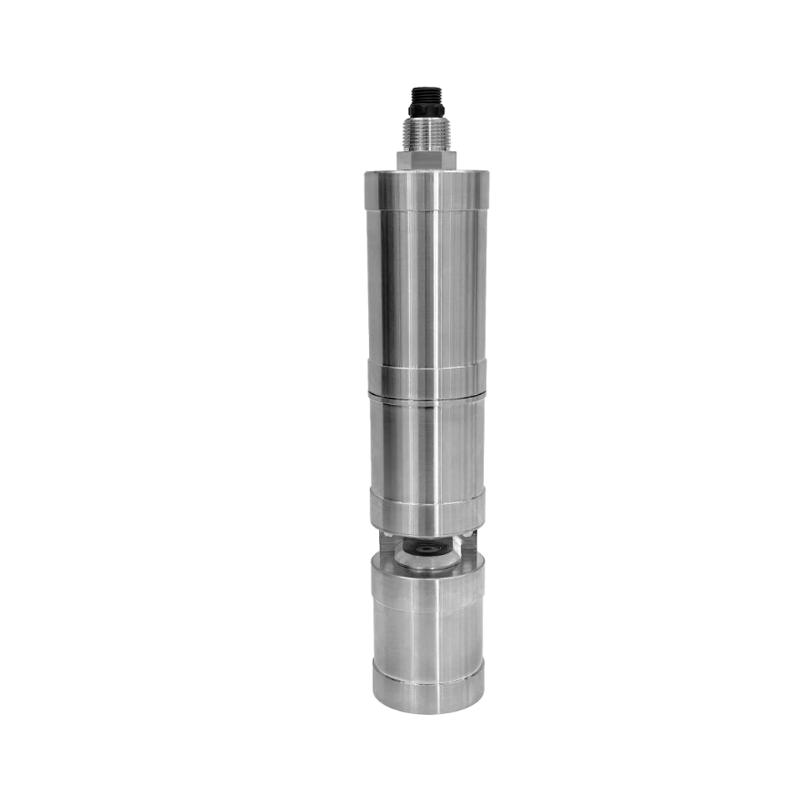
A monitoring buoy should be specified as a complete field station. Sensor choice, power budget, telemetry and anchoring all decide whether the system produces usable long-term data.
NiuBoL can support sensor packages or wider water quality buoy configurations. Clear water-body, communication and maintenance information will make the quotation more accurate and easier to compare.
Prev:BOD COD Sensor and TSS Package for Effluent Monitoring Systems
Next:Water Quality Probe Maintenance Schedule for Reliable Long-Term Data
Related recommendations
Sensors & Weather Stations Catalog
 Agriculture Sensors and Weather Stations Catalog-NiuBoL.pdf
Weather Stations Catalog-NiuBoL.pdf
Agriculture Sensors Catalog-NiuBoL.pdf
Water Quality Sensor Catalog-NiuBoL.pdf
Related products
 Combined air temperature and relative humidity sensor
 TDR Soil Moisture & Temperature Sensor for irrigation| RS485 |4-20mA| NBL-S-THR
 Soil pH sensor RS485 soil Testing instrument soil ph meter for agriculture |NBL-S-PH
 Wind Speed sensor Output Modbus/RS485/Analog/0-5V/4-20mA
 Tipping bucket rain gauge for weather monitoring auto rainfall sensor RS485/Outdoor/stainless steel
 Pyranometer Solar Radiation Sensor 4-20mA/RS485

Screenshot, WhatsApp to identify the QR code
WhatsApp number:+8615367865107
(Click on WhatsApp to copy and add friends)

