





— Blogs —
—Products—
 Consumer hotline +8618073152920
 WhatsApp:+8615367865107
Address:Room 102, District D, Houhu Industrial Park, Yuelu District, Changsha City, Hunan Province, China
Product knowledge
Time:2026-04-24 09:28:38 Popularity:462
Under strict environmental regulations and growing sustainability demands, wastewater treatment in the fur (leather) processing industry has become a core element of compliance and green manufacturing. Effective wastewater management begins with accurate, reliable monitoring. This document provides an in-depth technical guide on wastewater monitoring and treatment for fur processing plants, targeting system integrators, project contractors, and environmental engineering companies. It focuses on commercial procurement and solution deployment, detailing monitoring network architecture, key treatment technologies, and matched intelligent monitoring solutions.
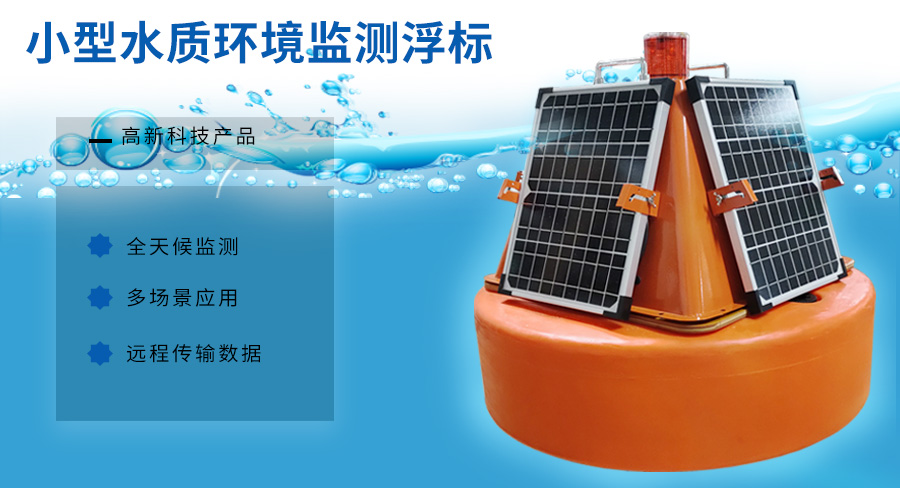
Fur processing involves complex operations: soaking, degreasing, unhairing, liming, tanning, dyeing, fatliquoring. The resulting wastewater is characterized by complex composition, high pollutant concentrations, deep color, and variable biodegradability. Main pollutants include high-concentration COD, BOD, SS, sulfides, chromium (Cr³⁺), ammonia nitrogen (NH₃-N), total nitrogen (TN), total phosphorus (TP), as well as oils/grease and surfactants.
This complexity poses severe challenges for wastewater monitoring: multi-point, multi-parameter, high-frequency monitoring becomes standard. Monitoring systems must not only meet end-of-pipe compliance but also serve process control, resource recovery, and cost optimization — requiring high professionalism, reliability, and intelligent data analytics.
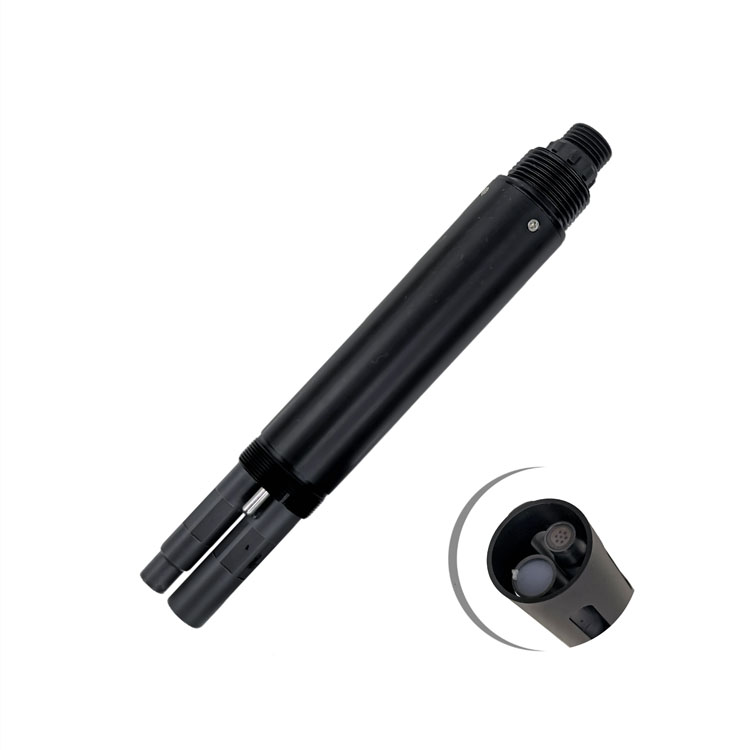
A compliant and efficient monitoring system for fur processing must be built on deep understanding of production processes. Below are three regulatory and process-critical monitoring points.
1. Total Wastewater Discharge Outlet
Core of environmental regulation, final responsibility for discharge compliance. Data reflects overall treatment effectiveness.
Monitoring Necessity: Mandatory under national/local discharge standards. Basis for total pollutant accounting and environmental tax calculation.
Key Parameters: pH, COD, NH₃-N, TP, TN, SS, flow. Also color, animal/vegetable oil, chloride (Cl⁻) as sector-specific indicators.
Solution Requirements: Typically requires certified online auto-monitoring system with real-time data transmission to environmental platform. Online monitoring for COD, NH₃-N, TP, TN, pH, flow is standard. Color, oil can combine online with high-frequency lab testing.
2. Workshop or Production Unit Discharge Outlet
Key for "graded control, segregated treatment", especially for toxic/recoverable substances like chromium and sulfide.
Monitoring Necessity: Enables separate collection and pretreatment of high-concentration or characteristic pollutant streams, reduces end-of-pipe load, and recovers valuable resources (e.g., chromium). Central to cleaner production and cost control.
Solution Requirements: Emphasizes real-time process control. For total chromium, use online chromium analyzers or rapid test platforms linked to plant control system, enabling automated dosing pump and recovery unit control. High reliability, corrosion resistance, and easy maintenance are critical.
3. Stormwater Discharge Outlet
Often overlooked, but serves as environmental risk "sentry" – preventing accidental or contaminated initial stormwater from entering environment directly.
Monitoring Necessity: Explicitly required by regulations to prevent illicit discharge via stormwater system. During heavy rain, surface runoff may carry significant pollutants.
Key Parameters: COD and SS are most common and effective early-warning indicators. Some strict areas may require NH₃-N, oil/grease.
Solution Requirements: Typically stormwater online monitoring system with auto-sampler. Set thresholds: when exceeded, automatically close stormwater discharge valve, divert polluted stormwater to emergency tank or treatment system, trigger alarm. Monitoring frequency increases during rainfall events.
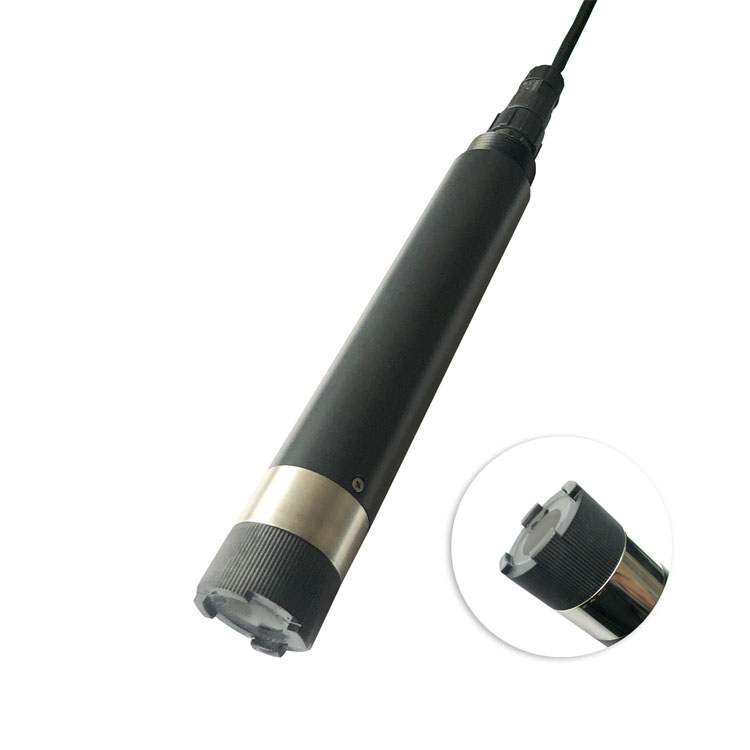
| Monitoring Point | Recommended Parameters | NiuBoL Product Series | Technology Principle | Range (Example) | Output & Protocol |
|---|---|---|---|---|---|
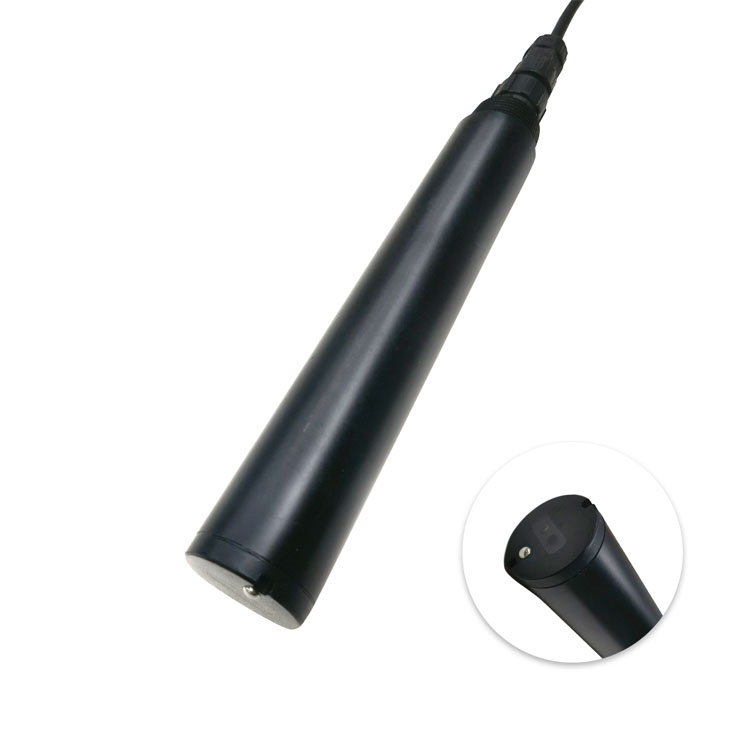
| Total Discharge Outlet | COD | NBL-COD-208 | UV254 absorption | 0-5000 mg/L | 4-20mA,RS-485/MODBUS |
| Total Discharge Outlet | Ammonia Nitrogen | NBL-NHN-206 | Ion Selective Electrode (ISE) | 0-100 mg/L | 4-20mA,RS-485/MODBUS |
| Stormwater Outlet | COD/Turbidity | NBL-COD-208 / NBL-ZS-206 | UV absorption / Scattered light | COD: 0-500 mg/L | 4-20mA,RS-485/MODBUS |
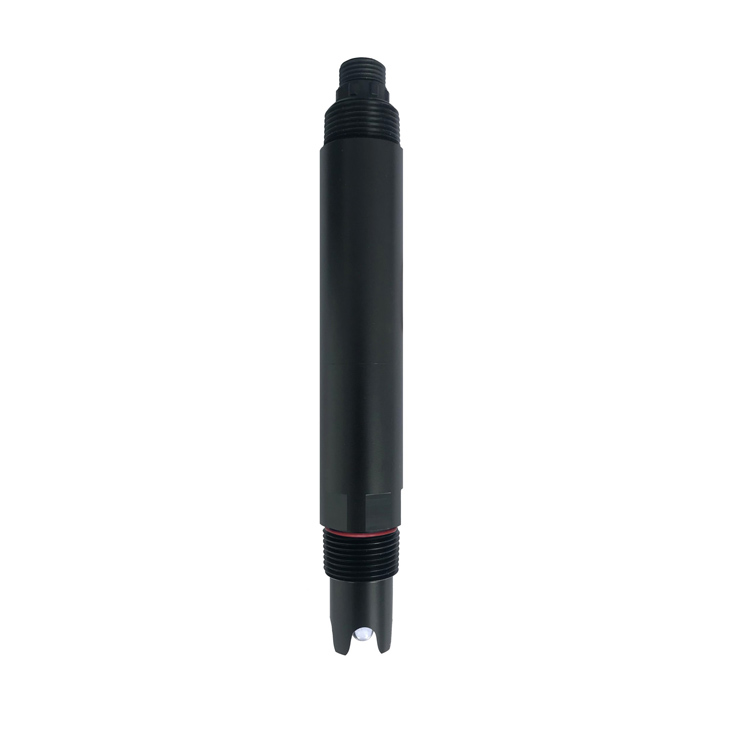
| Universal | pH/ORP | NBL-PHG-206 | Combination electrode | pH: 0-14 | 4-20mA,RS-485/MODBUS |
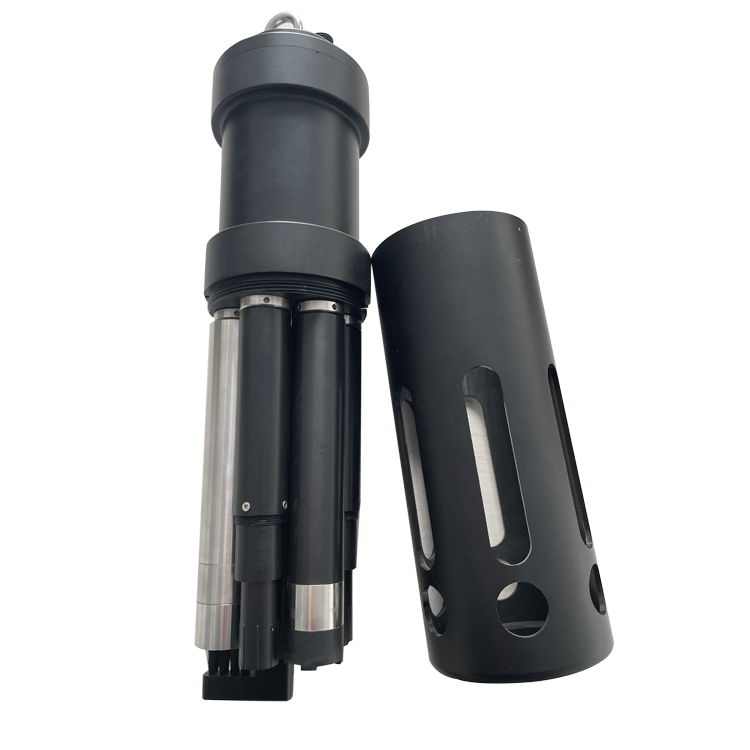
Monitoring is not just "eyes" — it is the "brain" of process control. Three mainstream recovery technologies tightly couple with monitoring:
Alkali Precipitation – Monitoring & Control: Add alkali (e.g., NaOH) to precipitate Cr³⁺ as Cr(OH)₃. Requires extremely precise pH control (typically 7.5-8.5). Low pH gives incomplete precipitation; high pH causes redissolution. Closed-loop control with online pH meter and automated dosing pump is fundamental. Total chromium monitoring of supernatant verifies recovery effectiveness.
Extraction – Monitoring & Optimization: Selective extraction of chromium ions using specific extractants under acidic conditions (pH ≈ 4.0). Core parameters: influent pH and total chromium concentration. pH directly affects extraction efficiency; influent chromium concentration determines extractant dosage and regeneration cycle. Online monitoring enables fine-tuned operation, higher chromium purity, lower operating cost.
Direct Recycling – Monitoring & Assurance: Filtered spent chromium liquor directly reused for next batch pickling or tanning. Highest requirement for water quality stability. Must strictly monitor total chromium concentration, pH, temperature, and impurities (oils/grease, proteins) before reuse. Online or rapid testing ensures recycled liquor meets process requirements, avoiding leather quality degradation from impurity accumulation. Monitoring data determines whether spent liquor needs "chromium replenishment adjustment" or "rejection treatment".
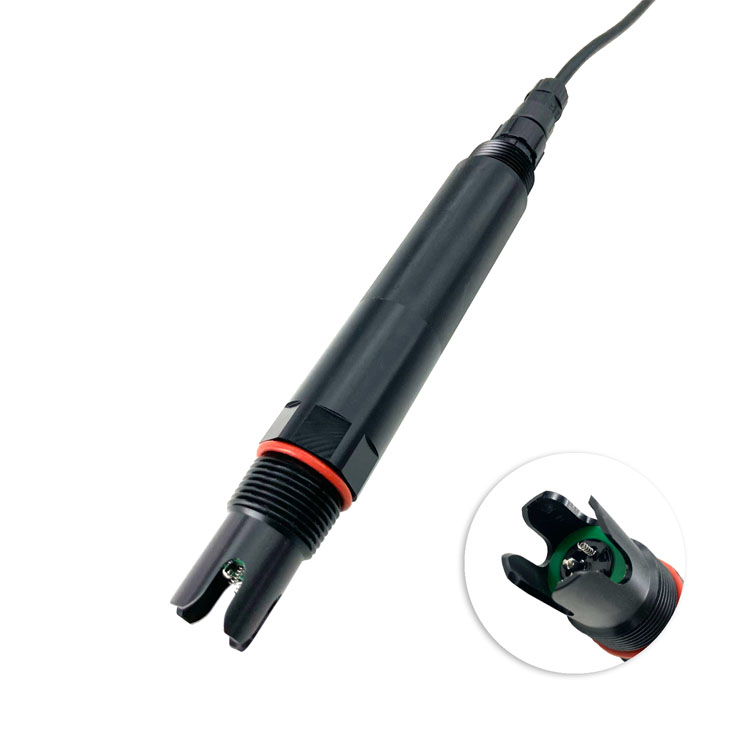
Representative sampling: Sampling point locations must ensure collection of well-mixed, representative samples. Avoid dead zones, turbulent zones, consider full-pipe flow.
Equipment matching: Given high color, high SS, scaling tendency of leather wastewater, select sensors with automatic cleaning (mechanical brushing, ultrasonic) and anti-fouling design. UV254 absorption suitable for high-concentration COD monitoring with periodic lab comparison.
System integration & communication: Monitoring system should seamlessly integrate into existing DCS, SCADA, or PLC. Support for MODBUS, PROFIBUS DP is basic. Ensure stable data upload to environmental regulatory platform.
Operation & calibration: Establish strict regular maintenance and calibration schedules. Complex instruments like online chromium analyzers require professional maintenance team or service contract with supplier to ensure long-term data validity and accuracy.

Q1: Besides the total outlet, which workshop discharge outlet gives the highest ROI for monitoring in a fur processing plant?
A: The chromium tanning wastewater outlet. Deploying online total chromium monitoring enables closed-loop control with chromium recovery (e.g., alkali precipitation), significantly increasing chromium recovery rate (over 95%), directly saving expensive chromium powder procurement costs, and substantially reducing end-of-pipe treatment load and hazardous waste disposal costs. Payback period is typically short.
Q2: For leather wastewater, which is more suitable: UV254 absorption or dichromate method for online COD monitoring?
A: UV absorption has advantages for process monitoring and early warning: fast response (seconds), no reagents, lower maintenance. However it measures COD-related value, requiring correlation curve and periodic calibration with lab standard method (dichromate). Dichromate method gives higher accuracy for compliance verification but has higher operating cost and produces waste. Recommendation: dichromate for compliance monitoring at total outlet, UV absorption for process control at workshop outlets.
Q3: Is online monitoring mandatory for stormwater outlets?
A: Regulations do not universally mandate online monitoring, but enforcement is trending stricter. Many local environmental bureaus require key discharge units to install stormwater online monitoring systems. From risk prevention and self-certification perspective, installing a stormwater monitoring system with auto-sampling and alarm interlock is wise — automatically closing valves and retaining evidence upon abnormal discharge.
Q4: For treated wastewater to be reused in production (e.g., cooling, floor washing), which additional parameters should be monitored?
A: Beyond routine compliance parameters, focus on conductivity (TDS), chloride (Cl⁻), hardness (Ca²⁺, Mg²⁺), and microbiological indicators (e.g., residual chlorine). High salinity and chloride can cause equipment corrosion and scaling; high hardness produces scale; reuse systems need microbial control. Establish stricter internal control standards based on reuse purpose.
Q5: How to monitor impurity accumulation in direct recycling of chromium liquor?
A: In addition to total chromium and pH, perform periodic (e.g., per batch) laboratory analysis of recycled chromium liquor for COD, oil/grease content, and protein content. Rising trends signal impurity accumulation. While online monitoring of these parameters is currently complex, rapid lab tests (e.g., oil/grease extraction, protein colorimetry) are effective process quality control measures.
Q6: When selecting an online monitoring equipment supplier, beyond price, what factors should be prioritized?
A: Focus on: ① Industry application cases, especially successful leather/fur sector references; ② Local technical support and maintenance capability (response time, spare parts inventory, engineer skill level); ③ Data quality — long-term stability, repeatability, accuracy; ④ System scalability — ease of adding new points/parameters.
Q7: How does the NiuBoL monitoring solution help integrators reduce total project cost?
A: NiuBoL provides integrated, modular solutions from sensors to data acquisition to cloud platform — reducing multi-brand integration compatibility risks and commissioning time. High reliability and low-maintenance design reduce long-term OPEX. Additionally, we provide integrator partners with in-depth technical training, solution design support, and joint marketing — enabling more efficient, lower-cost project delivery and enhanced customer satisfaction.
Summary: Wastewater management in fur processing plants is a system engineering endeavor — a scientific, precise, intelligent monitoring network is its foundation. From compliance at the total outlet, to resource recovery and process control at workshop outlets, to risk prevention at stormwater outlets — building a multi-tier monitoring system is the essential path to environmental compliance, cost reduction, efficiency improvement, and green manufacturing.
Deep integration of online monitoring technology with specific treatment processes (alkali precipitation, extraction, direct recycling) enables the leap from "end-of-pipe monitoring" to "process intelligence". For system integrators and engineering companies, designing and deploying such a comprehensive solution — covering hardware, data communication, and intelligent analytics — not only meets compliance requirements but also creates significant economic and management value (process optimization, risk early warning) for clients.
 NBL-RDO-206 Online Fluorescence Dissolved Oxygen Sensor.pdf
NBL-COD-208 Online COD Water Quality Sensor.pdf
NBL-CL-206 Water Quality Sensor Online Residual Chlorine Sensor.pdf
NBL-DDM-206 Online Water Quality Conductivity Sensor.pdf
Prev:Industrial Park Wastewater Treatment Technology & Smart Monitoring Solutions
Next:High-Concentration Ammonia Nitrogen Wastewater Monitoring: Technology & System Integration Guide
Related recommendations
Sensors & Weather Stations Catalog
Agriculture Sensors and Weather Stations Catalog-NiuBoL.pdf
Weather Stations Catalog-NiuBoL.pdf
Agriculture Sensors Catalog-NiuBoL.pdf
Water Quality Sensor Catalog-NiuBoL.pdf
Related products
 Combined air temperature and relative humidity sensor
 Soil Moisture Temperature sensor for irrigation|NBL-S-THR
 Soil pH sensor RS485 soil Testing instrument soil ph meter for agriculture |NBL-S-PH
 Wind Speed sensor Output Modbus/RS485/Analog/0-5V/4-20mA
 Tipping bucket rain gauge for weather monitoring auto rainfall sensor RS485/Outdoor/stainless steel
 Pyranometer Solar Radiation Sensor 4-20mA/RS485

Screenshot, WhatsApp to identify the QR code
WhatsApp number:+8615367865107
(Click on WhatsApp to copy and add friends)

