





— Blogs —
—Products—
 Consumer hotline +8618073152920
 WhatsApp:+8615367865107
Address:Room 102, District D, Houhu Industrial Park, Yuelu District, Changsha City, Hunan Province, China
Product knowledge
Time:2026-04-24 09:15:35 Popularity:431
As a typical industrial sector characterized by high water consumption and high pollution emissions, the textile dyeing and printing industry has long presented a significant challenge in environmental engineering. For system integrators and engineering contractors, understanding the complex composition of dyeing and printing wastewater and selecting appropriate monitoring and treatment processes are critical to ensuring projects are delivered in compliance with standards. This article will analyze the multi-stage treatment architecture and trends toward intelligent integration of dyeing and printing wastewater from a professional engineering perspective.
Printing and dyeing wastewater exhibits strong spatial and temporal heterogeneity. Pollutant composition depends directly on fiber type and processing technology.
1. Desizing Wastewater: High-concentration organic pollution. If sizing agent is starch, B/C ratio is high → easily biodegradable. If PVA, COD is high but BOD low → poor biodegradability, often requiring front-end oxidation.
2. Scouring Wastewater: Strong alkaline (pH 12+), high temperature, contains cellulose, grease, surfactants, deep brown color.
3. Mercerizing Wastewater: Alkali content as high as 3%–5%. Engineering often uses evaporation to recover NaOH, but residual discharge still has high COD and SS.
4. Dyeing & Printing Wastewater: Extremely high color, pollutants include dyes, auxiliaries, and pastes. COD/BOD ratio is imbalanced, potentially toxic to biological systems.
5. Alkali Reduction Wastewater (High-difficulty treatment): Byproduct of polyester microfiber simulation process, contains high concentration of terephthalic acid (TPA), COD up to 90,000 mg/L — a typical high-concentration refractory organic wastewater.
Adsorption & Filtration (Activated carbon, diatomite, coal cinder): Effective for dissolved organics and specific dyes. Limitation: If influent BOD5 > 200 mg/L, activated carbon is economically infeasible. Integration suggestion: use as color polishing step in tertiary treatment. For anionic dyes, select silica polymer or modified kaolin as targeted adsorbent.
Coagulation/Flocculation & Dissolved Air Flotation (PAC or ferrous sulfate): Charge neutralization and bridging. Advantages: mature process, high decolorization for hydrophobic dyes. Disadvantages: high sludge production, difficult dewatering. For high automation, requires precise chemical dosing control (PLC).
Advanced Oxidation Processes (AOPs): Ozone: effective for most dyes (limited for vat dyes, pigments). Engineering design: intermittent operation to optimize O3 utilization. Photocatalytic oxidation: high decolorization rate but limited by energy consumption and large-area deployment cost — mostly for high-value reuse projects.
Anaerobic-Aerobic (A/O) Combined Process: For refractory dyes, anaerobic tank (hydrolysis acidification) breaks large molecules into smaller ones, improving biodegradability.
Design reference parameters: Equalization tank HRT 8–10h; Anaerobic tank HRT 3–5h; Aerobic tank HRT 6–8h. Advantages: sludge production near self-balanced, high operational stability, suitable for COD 800–1000 mg/L comprehensive wastewater.
Rotating Biological Contactor (RBC): Combines attached and suspended growth. By returning surplus sludge to the RBC system, COD removal can be enhanced above 70%.
For high-concentration alkali reduction wastewater, system integrators should adopt "acid precipitation pretreatment + combined biochemical" strategy: 1) Acid neutralization: adjust pH to 4–6 to precipitate terephthalic acid (TPA). 2) Physical separation: recover powdered TPA via PE filter to reduce load on downstream biological system. 3) Combined treatment: after pretreatment, effluent COD drops below 1400 mg/L before entering integrated treatment system.
Under Industry 4.0 trends, wastewater treatment is no longer a black-box operation. System integrators need high-precision online sensors to achieve full closed-loop control. NiuBoL industrial-grade sensor series provide a reliable data foundation for environmental engineering projects.
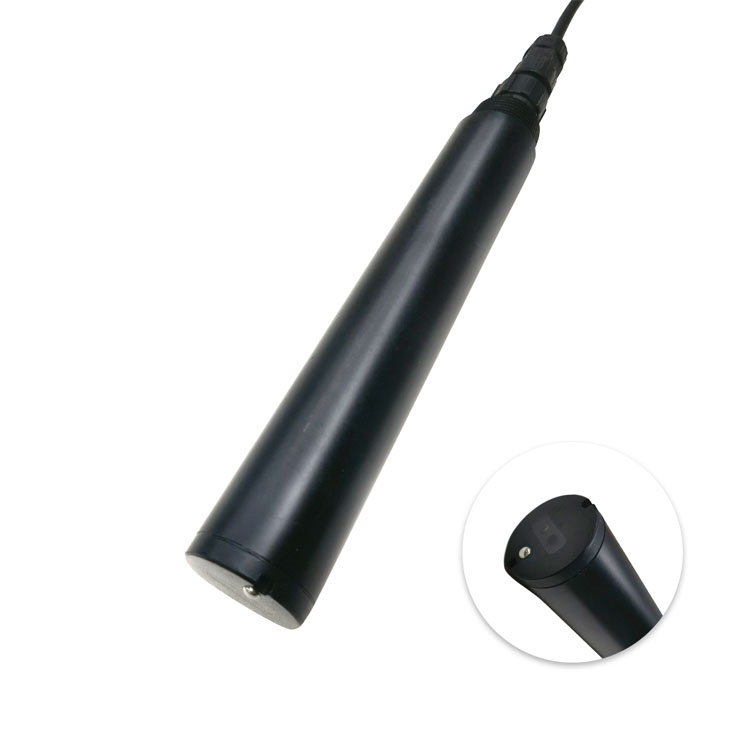
| Device Name | Measurement Parameter | Communication Protocol | Application Point |
|---|---|---|---|
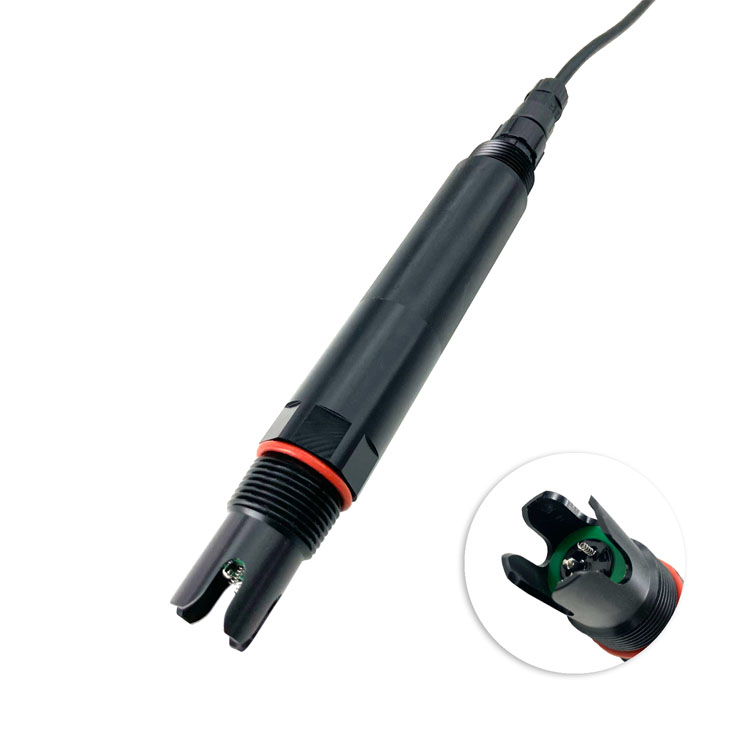
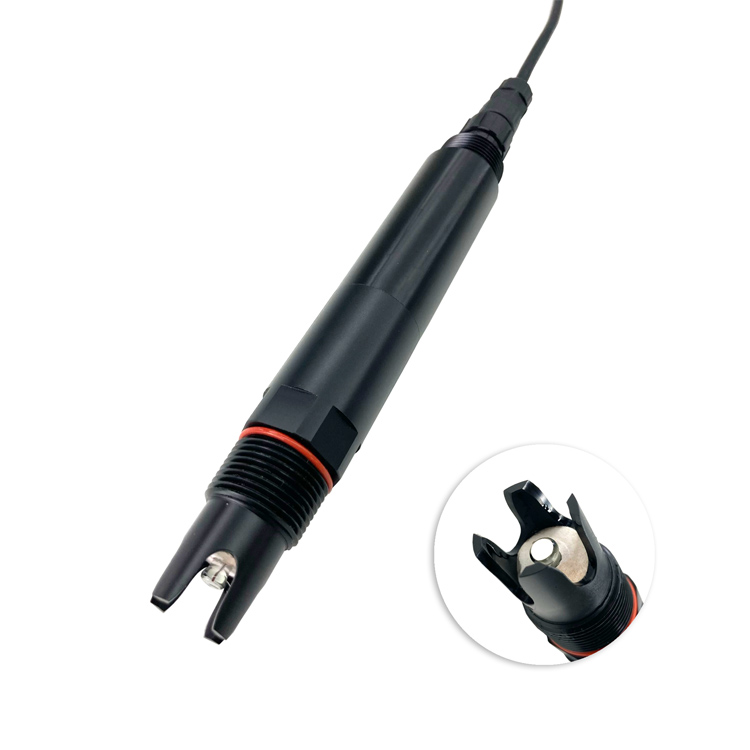
| NBL-PHG-206 Online pH Meter | 0-14 pH | RS485 (Modbus RTU) | Desizing/scouring/acid precipitation control |
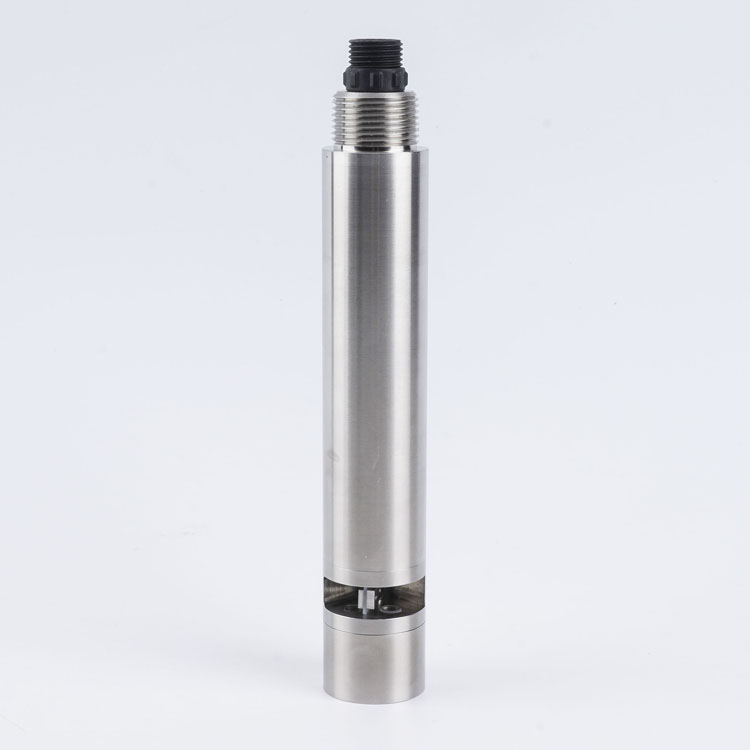
| NBL-COD-208 Online Monitor | 0-2000/5000 mg/L | RS485 / 4-20mA | Influent/effluent assessment & early warning |
| NBL-NHN-206 Online Ammonia Sensor | 0-100/1000 mg/L | RS485 (Modbus RTU) | Nitrification/denitrification process monitoring |
| NBL-TSS-406-A Suspended Solids Sensor | 0-2000 mg/L | RS485 (Modbus RTU) | Coagulation sedimentation tank effluent monitoring |
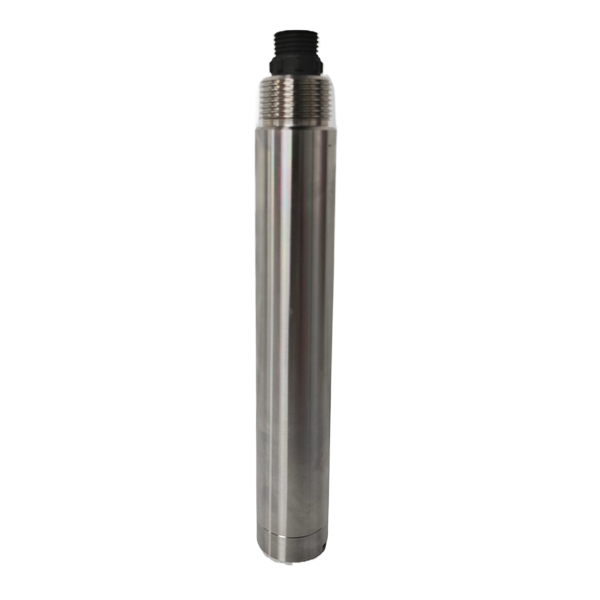
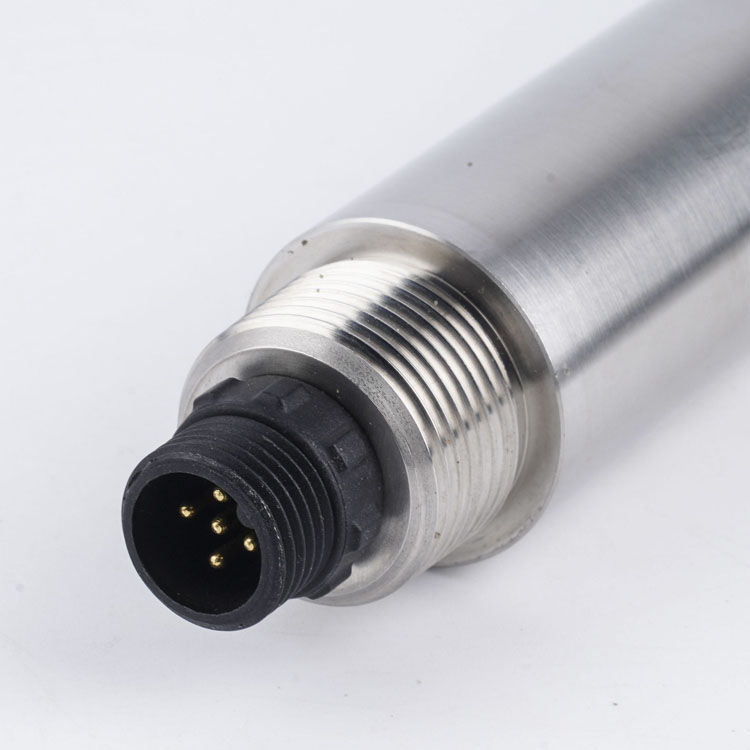
| NBL-RDO-206 Dissolved Oxygen Sensor | 0-20 mg/L | RS485 (Modbus RTU) | Aerobic tank aeration energy optimization |
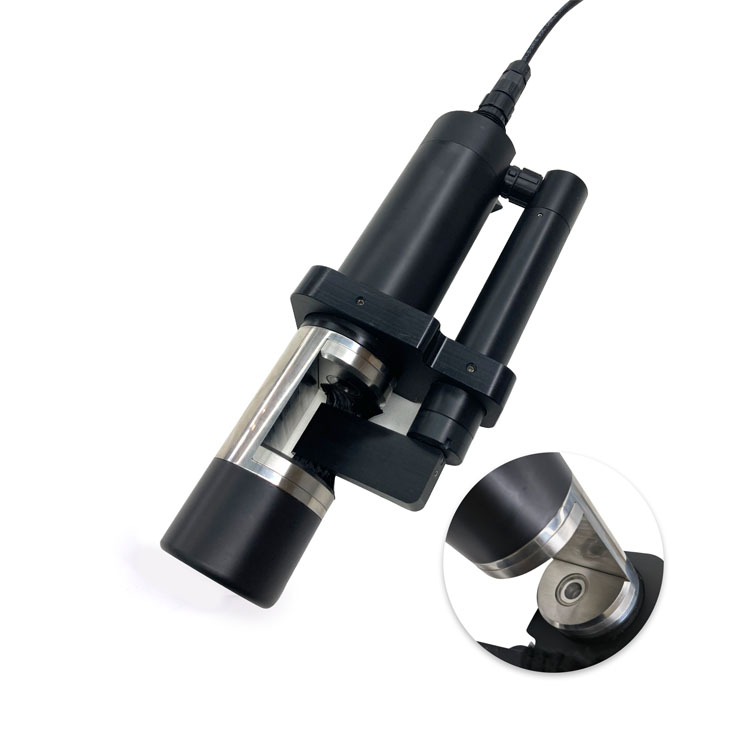
Sensor anti-interference: Printing and dyeing wastewater contains high levels of surfactants and dyes. Sensor probes require self-cleaning (e.g., NiuBoL ultrasonic or automatic wiper design) to prevent membrane fouling.
Corrosion-resistant design: High-alkali process monitoring requires alkali-resistant housing materials (POM or 316L stainless steel).
Protocol integration: All NiuBoL devices support Modbus RTU protocol, directly compatible with industrial touchscreens, PLCs, or IoT gateways.
Q1: Why does decolorization efficiency drop significantly after one year of operation?
A: Usually due to saturated adsorbent not replaced, or activated sludge poisoned by shock loads (e.g., undetected alkali reduction wastewater discharge). Recommendation: add front-end online COD early warning system.
Q2: Under pH 12 strong alkaline conditions, ordinary pH sensors have very short lifespan. How to solve?
A: Must use industrial-grade strong-alkali pH electrode together with NiuBoL automatic cleaning assembly to reduce electrode polarization and scaling.
Q3: Is TPA recovered from alkali reduction wastewater acid precipitation valuable?
A: Yes. Terephthalic acid can be recycled as chemical raw material, but recovery purity is key. System design must consider PE filter precision.
Q4: How to ensure RS485 communication stability in complex industrial environments?
A: Use shielded twisted pair cables and add signal isolators for long-distance transmission. NiuBoL sensors have built-in ESD protection for improved electromagnetic compatibility.
Q5: Compared to traditional laboratory analysis, what accuracy can online sensors achieve?
A: NiuBoL ammonia sensor achieves ±10% of reading — fully sufficient for industrial process control and feedback dosing.
Q6: How to reduce chemical costs for printing & dyeing wastewater treatment?
A: Use online pH and turbidity monitoring to feed signals into PLC for PID-controlled chemical dosing, avoiding manual overdosing (typically saving 15% or more).
Q7: What causes sludge flotation in the anaerobic tank?
A: May be due to excessive gas production from high organic loading, or insufficient HRT. Monitor volumetric loading via online flow meters and water quality sensors.
Q8: Do NiuBoL sensors support remote cloud viewing?
A: Yes. Through NiuBoL dedicated industrial gateway, data can be transmitted to cloud platform in real time, supporting mobile/PC real-time viewing and alarm notifications.
Summary: Printing and dyeing wastewater treatment is a multi-process coupled system engineering. From a system integrator perspective, core competitiveness lies not only in advanced biological treatment processes, but also in using high-reliability monitoring equipment (such as NiuBoL sensor series) to build intelligent feedback loops. Through preventive control, process innovation, and refined management, both industrial profitability and environmental compliance can be achieved.
 NBL-RDO-206 Online Fluorescence Dissolved Oxygen Sensor.pdf
NBL-COD-208 Online COD Water Quality Sensor.pdf
NBL-CL-206 Water Quality Sensor Online Residual Chlorine Sensor.pdf
Prev:Future Insights: Trends & Tech Solutions in Water Treatment
Next:Industrial Park Wastewater Treatment Technology & Smart Monitoring Solutions
Related recommendations
Sensors & Weather Stations Catalog
Agriculture Sensors and Weather Stations Catalog-NiuBoL.pdf
Weather Stations Catalog-NiuBoL.pdf
Agriculture Sensors Catalog-NiuBoL.pdf
Water Quality Sensor Catalog-NiuBoL.pdf
Related products
 Combined air temperature and relative humidity sensor
 Soil Moisture Temperature sensor for irrigation|NBL-S-THR
 Soil pH sensor RS485 soil Testing instrument soil ph meter for agriculture |NBL-S-PH
 Wind Speed sensor Output Modbus/RS485/Analog/0-5V/4-20mA
 Tipping bucket rain gauge for weather monitoring auto rainfall sensor RS485/Outdoor/stainless steel
 Pyranometer Solar Radiation Sensor 4-20mA/RS485

Screenshot, WhatsApp to identify the QR code
WhatsApp number:+8615367865107
(Click on WhatsApp to copy and add friends)

