





— Blogs —
—Products—
 Consumer hotline +8618073152920
 WhatsApp:+8615367865107
Address:Room 102, District D, Houhu Industrial Park, Yuelu District, Changsha City, Hunan Province, China
Product knowledge
Time:2026-04-24 09:19:55 Popularity:390
As China’s industrialization accelerates, various industrial parks are driving economic growth while simultaneously placing significant pressure on environmental management. In particular, industrial wastewater discharge accounts for nearly half of total sewage discharge. Due to its complex composition, high toxicity, and poor biodegradability, it represents one of the key challenges in water resource protection. Wastewater treatment in industrial parks has evolved from a simple matter of environmental compliance into a systematic engineering endeavor involving resource recovery, operational cost control, and smart management.
This article begins by examining the classification and characteristics of industrial park wastewater, systematically introduces mainstream treatment processes, and, by integrating smart monitoring and data management, explores how to efficiently deploy solutions in projects to meet increasingly stringent environmental regulations and client demands.
Classification
Industrial wastewater can be classified from different dimensions:
By pollutant nature: inorganic wastewater, organic wastewater, heavy metal wastewater, radioactive wastewater, etc.
By industrial sector: chemical, metallurgical, coal, petroleum, light industry, food, etc.
By source and pollution degree: domestic sewage, cooling water, washing wastewater, industrial process wastewater, surface runoff (rainwater).
Characteristics
Industrial park wastewater exhibits the following typical features:
Complex composition: different products and processes across enterprises lead to wide variation in pollutant types.
High concentration fluctuations: production periodicity and process variations cause unstable water quality and flow.
High toxicity and recalcitrant compounds: contains phenols, heavy metals, organic solvents, and other bio-inhibitory substances.
Significant temperature and pH variations: affect biological activity and chemical reaction efficiency of the treatment system.
These characteristics determine that no single treatment process can meet the needs of all parks. Combined processes with intelligent monitoring are essential for stable compliance and resource recovery.
1. Biochemical Treatment Technology for Mixed Chemical Wastewater
Biochemical treatment is the most widely adopted method, including combinations of aerobic and anaerobic processes.
Aerobic processes: activated sludge, SBR, BAF — suitable for organic wastewater with good biodegradability.
Anaerobic processes: complete and partial anaerobic digestion — used as pretreatment for high-concentration organic wastewater to reduce COD and improve biodegradability.
2. Gravity Sedimentation
Mainly used for inorganic wastewater such as cement and ceramics. Removes 80%-90% of suspended particles, with coagulants like PAM to enhance colloidal removal. Advantages: low CAPEX and OPEX. Limitation: only suitable for larger inorganic suspended solids, cannot remove dissolved pollutants.
3. Hydrolysis Acidification + A/O + Ozonation + Submerged Aerobic Biofilter + Cloth-Media Filter
This combined process targets refractory organic wastewater (e.g., coal chemical):
Hydrolysis acidification: breaks down macromolecular organics into smaller molecules, improving biodegradability.
A/O process: anoxic/aerobic combination for nitrogen removal.
Ozonation: destroys refractory organic structures.
Submerged aerobic biofilter: further degrades organics.
Cloth-media filter: removes residual suspended solids.
4. Freezing Treatment and Membrane Treatment
Freezing treatment: separates pollutants via low-temperature crystallization, suitable for certain specialty chemical wastewaters.
Membrane treatment: MF, UF, NF, RO to separate different particle sizes — enables desalination, concentration, and reuse. Advantages: high effluent quality, potential for ZLD. Challenges: membrane fouling control and OPEX optimization.
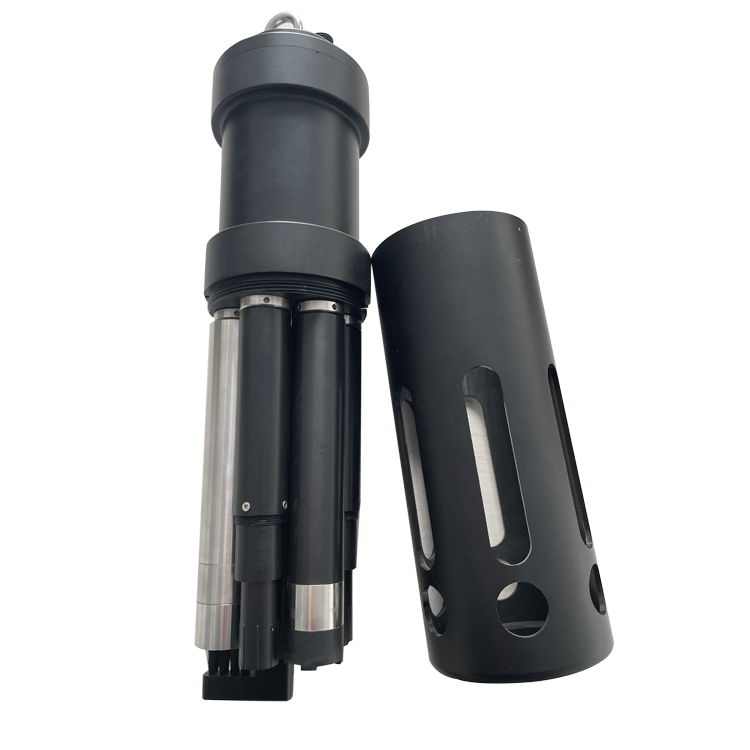
Regardless of treatment process, stable water quality monitoring and data feedback are core to efficient system operation.
Key Monitoring Parameters
Routine indicators: pH, COD, BOD₅, SS, ammonia nitrogen, total nitrogen, total phosphorus, conductivity.
Priority pollutants: heavy metals (Cr⁶⁺, Mn²⁺), phenols, oils/grease.
Process parameters: flow rate, temperature, DO, ORP.
Advantages of Intelligent Monitoring
Real-time early warning: detects shock loads or process abnormalities promptly.
Process integration: linked control with chemical dosing, aeration, membrane cleaning systems.
Data traceability: meets regulatory reporting and audit requirements.
Operational optimization: reduces chemical, energy, and operating costs through data analytics.

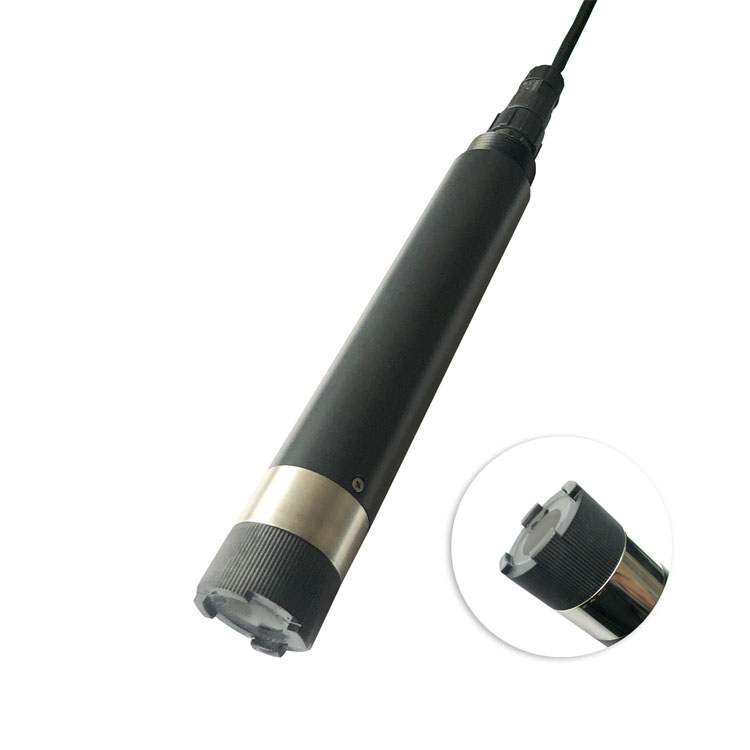
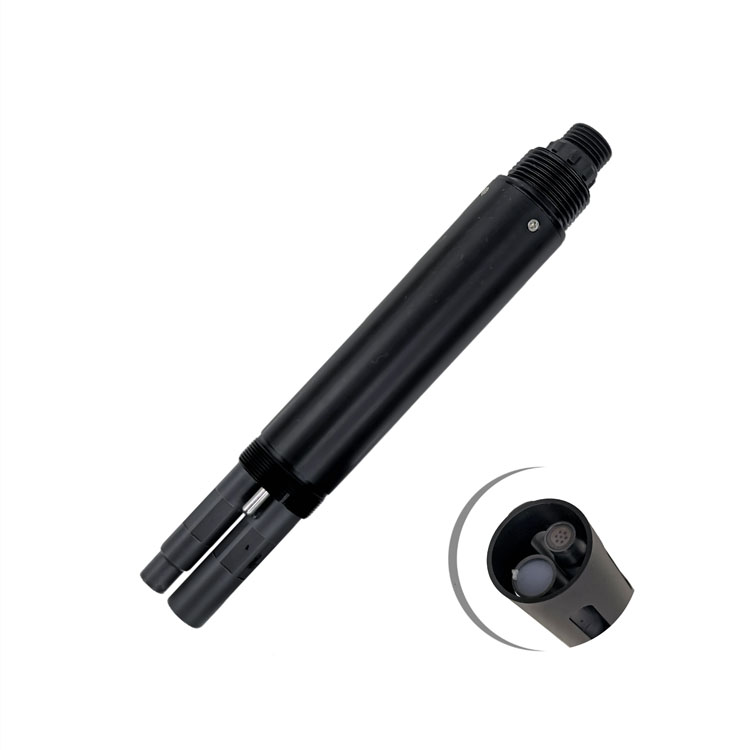
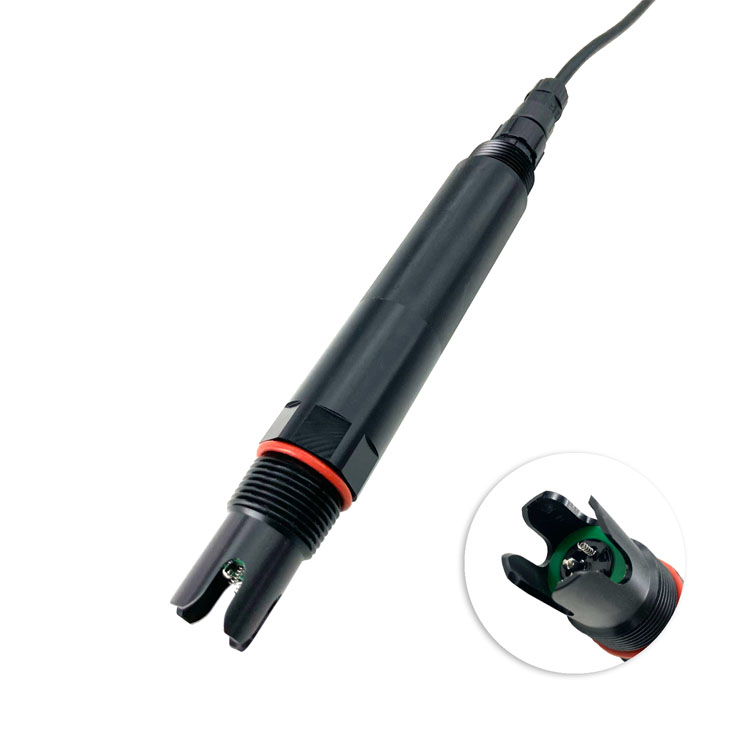
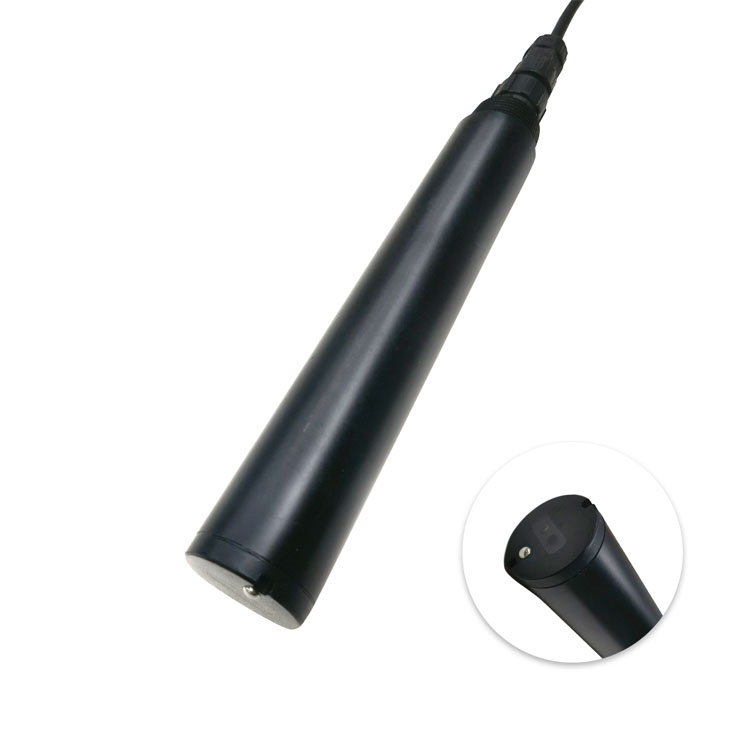
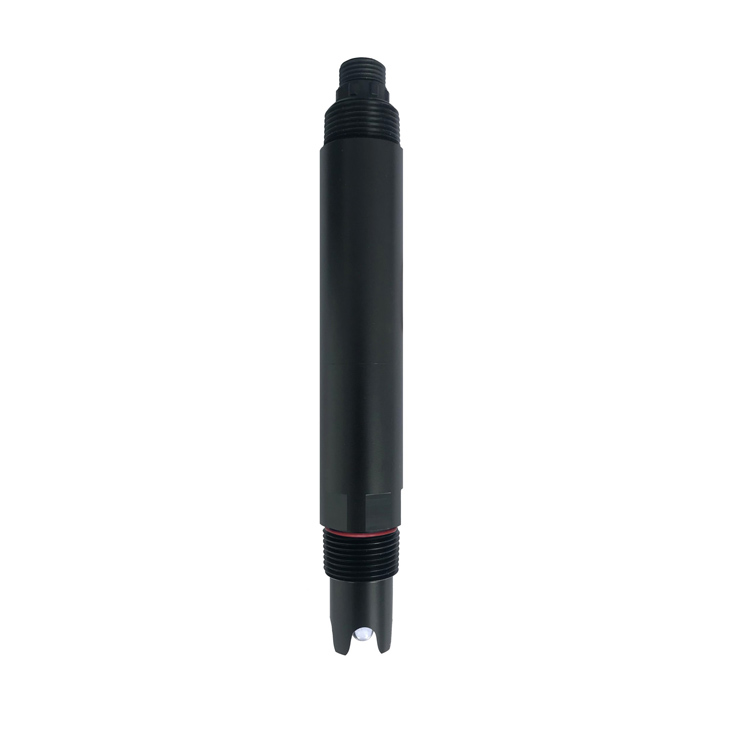
| Monitoring Location | Parameters | NiuBoL Model | Measurement Principle | Range | Output Protocol |
|---|---|---|---|---|---|
| Inlet | pH, COD, Ammonia | NBL-PHG-206/NBL-COD-208 | Combination electrode / UV254 / ISE | pH 0-14; COD 0-5000 mg/L; NH₃-N 0-100 mg/L | 4-20mA, RS-485 MODBUS |
| Bioreactor | DO, ORP, Temperature | NBL-RDO-206/NBL-ORP-406-A | Membrane electrode / Platinum electrode | DO 0-20 mg/L; ORP -1000~+1000 mV | 4-20mA, RS-485 MODBUS |
| Discharge Point | TP, TN, Flow | NBL-TPN500/NBL-NHN-406-A | Colorimetric / Electromagnetic flowmeter | TP 0-10 mg/L; TN 0-50 mg/L; Flow custom | 4-20mA, RS-485 MODBUS |
Separate collection: different wastewater types should have independent collection networks to avoid interference.
Process adaptation: tailor treatment train based on park industrial structure.
Equipment selection: corrosion resistance, anti-fouling capability, and automation level are critical.
Regulatory compliance: ensure discharge standards and data reporting meet national and local requirements.
Operation & maintenance: establish regular calibration, maintenance, and fault response mechanisms.
Q1: Why can't industrial park wastewater treatment rely on a single process?
A: Because multiple enterprises with diverse processes produce widely varying pollutant profiles. A single process cannot address all removal requirements; combined processes provide complementary treatment.
Q2: What are the influent requirements for biochemical treatment?
A: Influent must control toxic substance concentrations, temperature, and pH to maintain microbial activity.
Q3: Where do the main operating costs of membrane treatment lie?
A: Primarily in membrane replacement, cleaning chemicals, and energy consumption — optimized operation reduces costs.
Q4: Can intelligent monitoring systems replace manual sampling?
A: Not completely, but they can reduce manual sampling frequency while improving data density and response speed.
Q5: How to treat high-salinity wastewater?
A: Common approaches include membrane concentration, evaporative crystallization, or dilution by mixing with lower-salinity wastewater.
Q6: What are the main challenges for water reuse in industrial parks?
A: Primarily control of refractory organics, salts, and trace heavy metals.
Q7: How to select monitoring points?
A: Monitoring points should be placed at inlet, key process stages, and discharge point to achieve full-process control.
Q8: What are the advantages of the NiuBoL monitoring solution?
A: Integrated design, industrial-grade protection, compatibility with multiple communication protocols — easy integration with existing control systems.
Summary: Industrial park wastewater treatment is a comprehensive engineering endeavor involving process technology, equipment selection, and intelligent management. Through rational wastewater classification and collection, scientific process combinations, and full-process intelligent monitoring, stable compliance can be achieved while improving water reuse rates and reducing operating costs. For system integrators and engineering companies, selecting mature wastewater treatment processes and reliable monitoring equipment suppliers is key to successful project delivery and long-term stable operation.
 NBL-RDO-206 Online Fluorescence Dissolved Oxygen Sensor.pdf
NBL-COD-208 Online COD Water Quality Sensor.pdf
NBL-CL-206 Water Quality Sensor Online Residual Chlorine Sensor.pdf
NBL-DDM-206 Online Water Quality Conductivity Sensor.pdf
Prev:Industrial Printing & Dyeing Wastewater Treatment: Process Characteristics to System Integration
Next:Fur & Leather Processing Wastewater Monitoring Guide: Points, Technologies & Solutions
Related recommendations
Sensors & Weather Stations Catalog
Agriculture Sensors and Weather Stations Catalog-NiuBoL.pdf
Weather Stations Catalog-NiuBoL.pdf
Agriculture Sensors Catalog-NiuBoL.pdf
Water Quality Sensor Catalog-NiuBoL.pdf
Related products
 Combined air temperature and relative humidity sensor
 Soil Moisture Temperature sensor for irrigation|NBL-S-THR
 Soil pH sensor RS485 soil Testing instrument soil ph meter for agriculture |NBL-S-PH
 Wind Speed sensor Output Modbus/RS485/Analog/0-5V/4-20mA
 Tipping bucket rain gauge for weather monitoring auto rainfall sensor RS485/Outdoor/stainless steel
 Pyranometer Solar Radiation Sensor 4-20mA/RS485

Screenshot, WhatsApp to identify the QR code
WhatsApp number:+8615367865107
(Click on WhatsApp to copy and add friends)

