





— Blogs —
—Products—
 Consumer hotline +8618073152920
 WhatsApp:+8615367865107
Address:Room 102, District D, Houhu Industrial Park, Yuelu District, Changsha City, Hunan Province, China
Product knowledge
Time:2025-12-10 15:01:38 Popularity:686
Weather conditions are the only direct and uncontrollable external factor determining PV plant power generation. Therefore, accurate, real-time meteorological environmental data is the core parameter for PV plant performance evaluation and fault diagnosis.
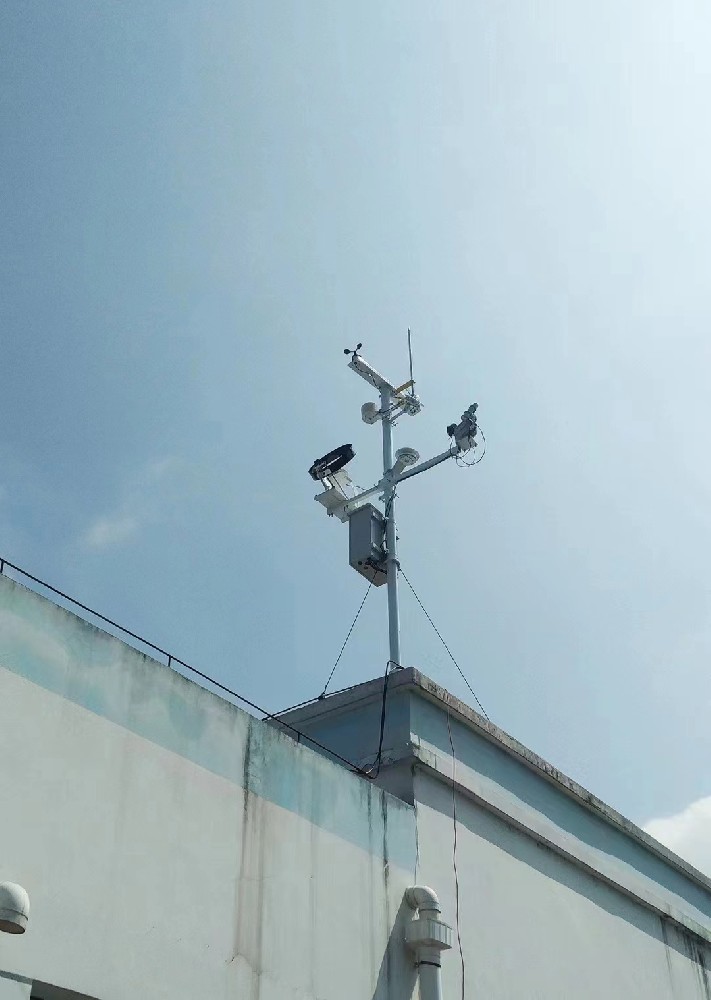
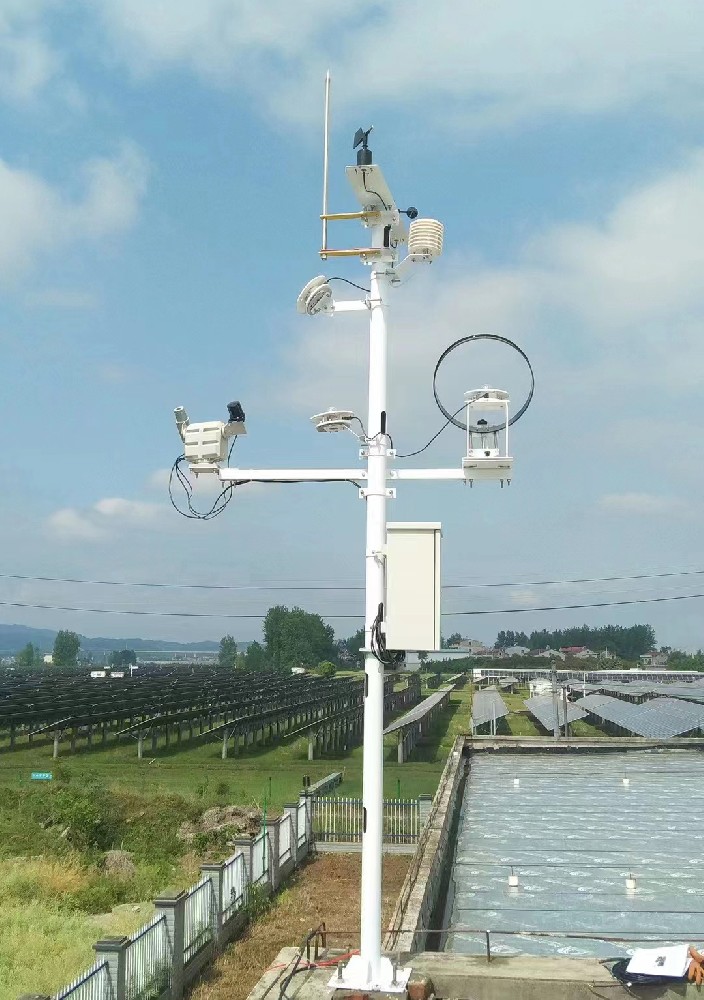
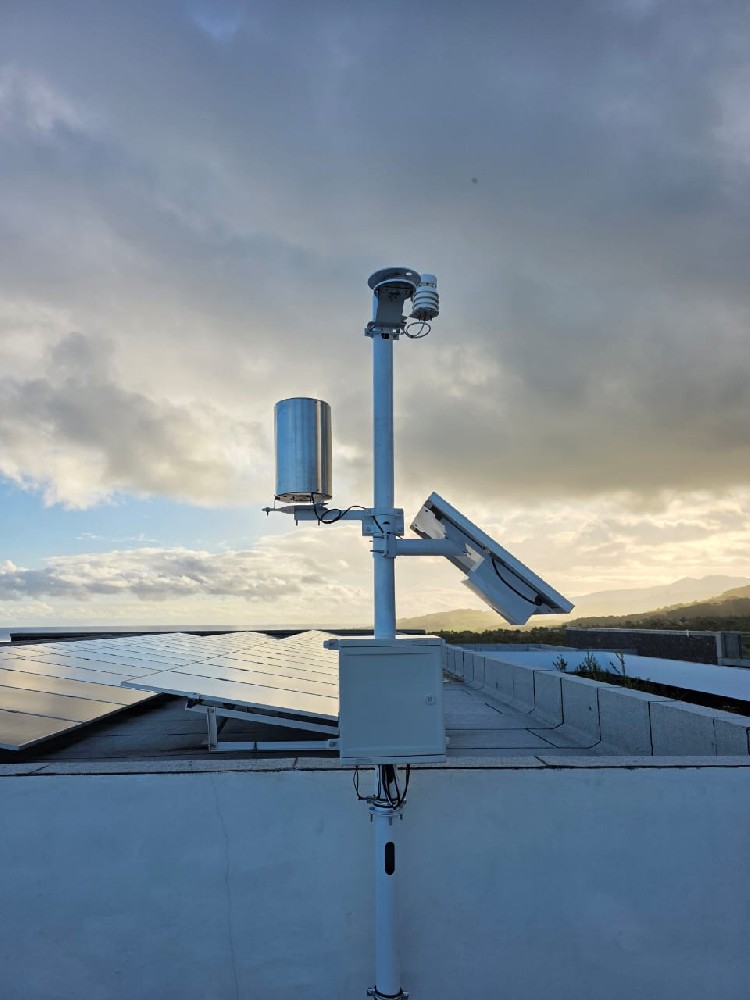
A photovoltaic weather station is an integrated meteorological monitoring system specifically designed for photovoltaic power generation. It consists of a series of high-precision sensors, data loggers, mounting structures, and power supply equipment. Its core functions include:
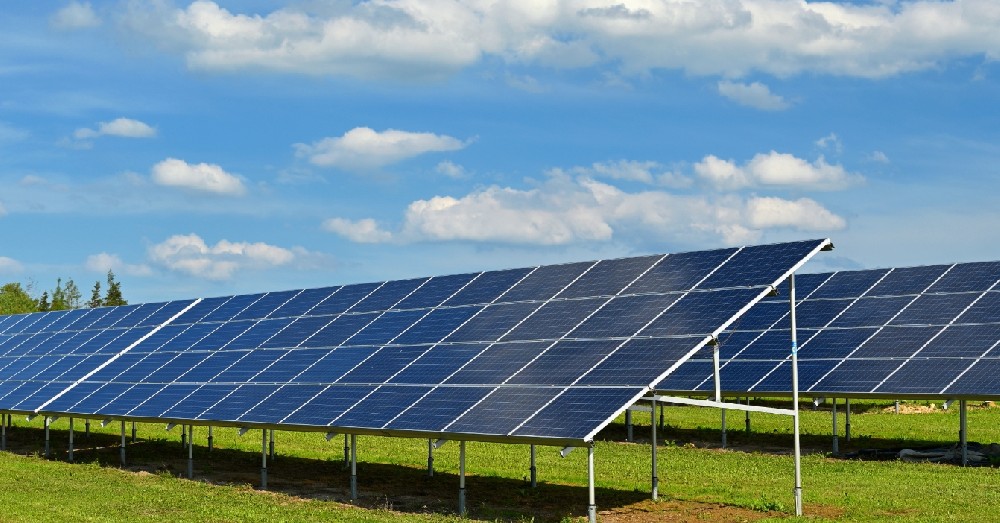
Performance Ratio (PR) Calculation: Provides accurate irradiance and temperature data to calculate key evaluation indicators such as plant Performance Ratio (PR), plant efficiency, and effective operating hours.
Fault Tracing and Diagnosis: When actual generation is below expectations, weather station data (e.g., excessively high module temperature, severe dust pollution, insufficient radiation) serves as a scientific basis to determine whether the issue is due to external environmental factors or internal equipment faults.
Grid Scheduling and Forecasting: Supplies real-time meteorological input to SCADA systems or inverter control systems to optimize grid scheduling and short-term generation forecasting.
NiuBoL’s photovoltaic weather station is a multi-element integrated system primarily monitoring the following key meteorological elements:
Power Generation Efficiency Determinants: Total solar radiation (horizontal and tilted), PV module temperature, dust pollution level.
Safety and Environmental Elements: Ambient temperature, ambient humidity, wind speed, wind direction, atmospheric pressure.
These sensors are connected via a dedicated data logger to the plant’s SCADA system or inverter control system, enabling data display, recording, analysis, and control.
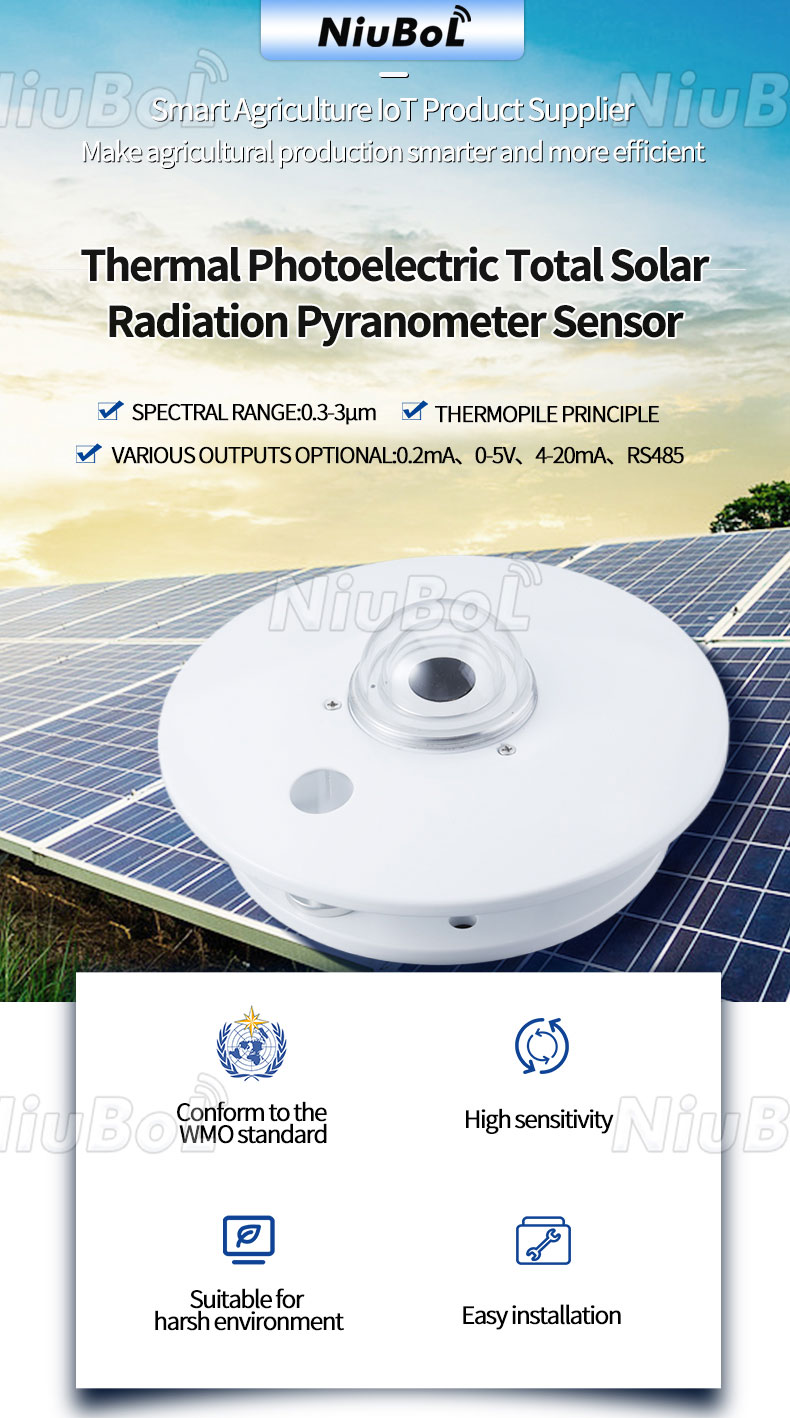
1. Total Solar Radiation Sensor (NBL-W-HPRS)
Solar radiation intensity is the most critical input parameter for PV plants.
Principle: Thermopile Effect
NBL-W-HPRS is based on thermopile design. The sensing element consists of a multi-junction thermopile with a high-absorption black coating. When solar radiation hits the coating:
• Hot junctions (on the coating surface) absorb radiation and heat up
• Cold junctions (inside the sensor) remain relatively cool
• The temperature difference generates an electromotive force (Seebeck effect) proportional to solar irradiance
Key Advantages: NiuBoL incorporates circuit temperature compensation protection, effectively reducing the impact of ambient temperature changes on thermopile performance, ensuring measurement accuracy across seasons and climates.
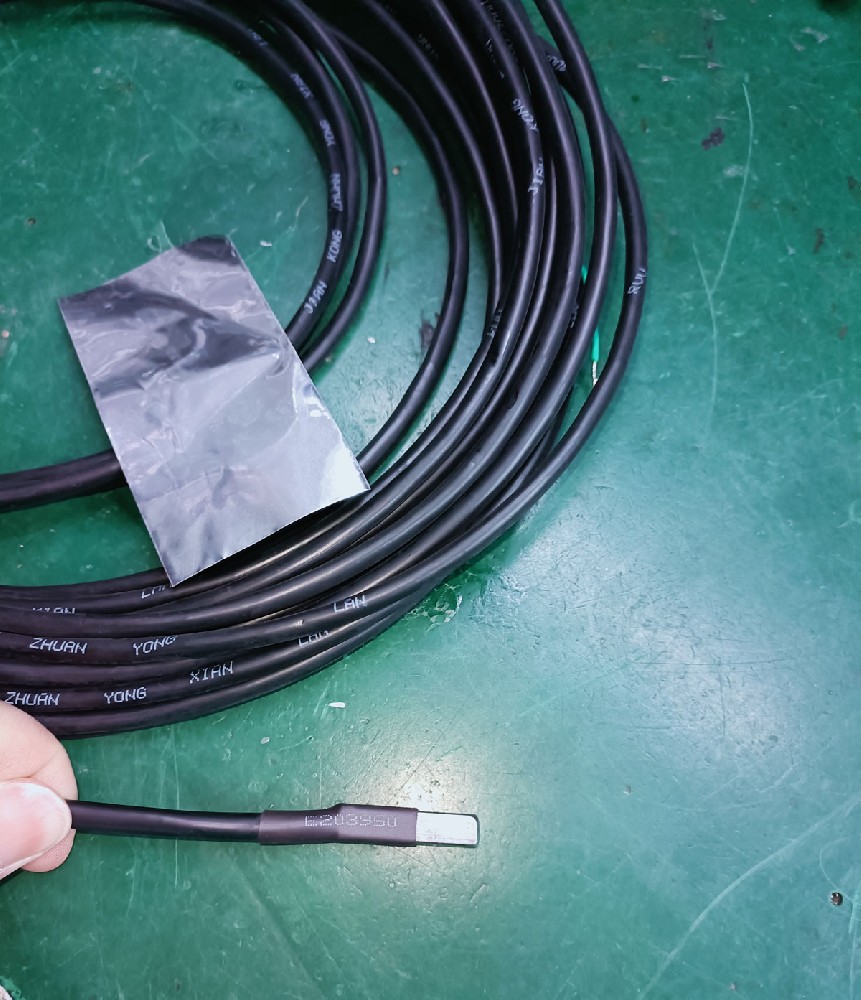
2. PV Module Surface-Mount Temperature Sensor (NBL-W-PPT)
Module temperature is the second major factor affecting PV panel efficiency — efficiency decreases as temperature rises.
Principle: Platinum Resistance (Pt100/Pt1000)
NBL-W-PPT uses high-precision platinum resistance as the sensing element. The resistance value has a precise, stable relationship with temperature. By measuring resistance change, the module surface temperature is accurately obtained.
Application Features: Compact structure, surface-mount design, easy installation on the back of PV modules, excellent linearity, strong anti-interference, long transmission distance, convenient for centralized plant monitoring integration.
3. Dust Detection System (NBL-W-PPS Soiling Sensor)
Dust coverage is a hidden killer of PV generation efficiency loss.
Soiling Sensor Principle: Light Transmittance Loss Measurement
NBL-W-PPS works by measuring and calculating surface cleanliness. It does not directly measure dust mass concentration but continuously measures light transmission loss caused by contaminants on glass, quantifying the degree of dust shading on solar modules (loss percentage).
Core Value: The system operates independently of sunlight, providing cleanliness data anytime. It enables users to scientifically and precisely choose optimal cleaning strategies (clean only when loss reaches a preset threshold), effectively avoiding generation loss and wasted cleaning costs, significantly improving plant revenue.
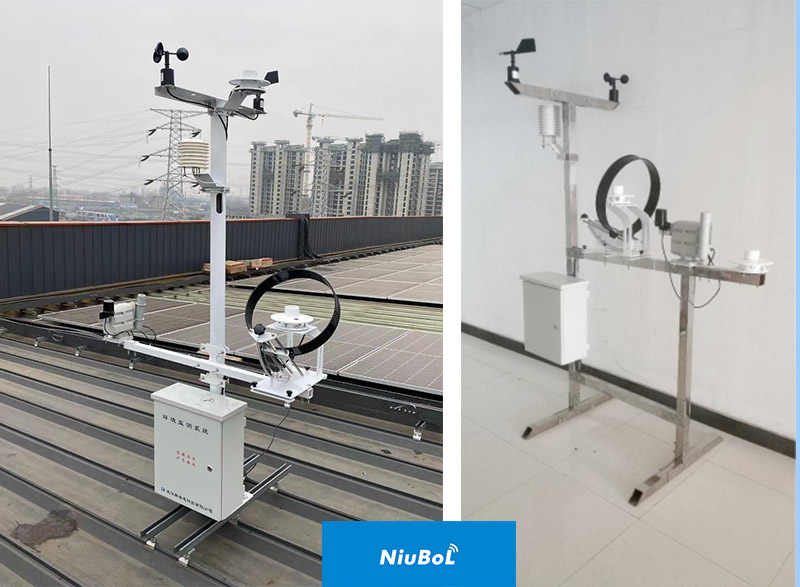
To ensure data validity, installation must strictly follow industry standards:
Solar Radiation Sensor Installation:
• Horizontal total radiation: Must be mounted on a horizontal bracket, avoiding shadows from surrounding obstacles at any time of day
• Tilted total radiation (for PR calculation): Mounted at the same tilt angle and orientation as the PV array to measure actual irradiance received by panels
PV Module Temperature Sensor (NBL-W-PPT): Must be tightly attached to the center of a PV panel back, avoiding heat sources like busbars, typically choosing a fully loaded, unshaded module as representative
Wind Speed and Direction Sensors (NBL-W-SS/DS): Installed at the highest point of the meteorological mast, significantly higher than surrounding PV arrays and buildings to measure undisturbed wind field
Soiling Sensor (NBL-W-PPS): Mounted on the PV panel frame, ensuring its glass surface experiences the same dust deposition environment as actual modules
| Monitoring Target | Core Sensor Configuration | Key Indicator Output |
|---|---|---|
| Large Ground-Mounted Plants | Total solar radiation, surface-mount temperature, wind speed/direction, ambient temp/humidity/pressure, soiling detection system | PR value, system efficiency, cleaning strategy formulation |
| Distributed/Rooftop PV | Total solar radiation, surface-mount temperature, ambient temp/humidity/pressure | Efficiency evaluation, ambient temperature impact analysis on generation |
| Harsh Environment Plants | All configurations + ambient temp/humidity (for dew point and condensation judgment) | Equipment safety, anti-condensation protection, wind resistance grade analysis |
Selection Recommendation: Integrated solutions are preferred. NiuBoL recommends using an integrated approach where all sensors connect to the same data logger and upload unified data via RS485 or Ethernet, simplifying wiring and improving system stability.
Q1: Why measure module temperature instead of just ambient temperature?
A: Under sunlight, module surface temperature is much higher than ambient temperature (typically 15°C to 30°C higher). PV panel efficiency degradation is directly related to actual operating module temperature, so surface-mount temperature sensors must be used for precise measurement.
Q2: Do thermopile-based radiation sensors require periodic calibration?
A: Yes. Although NiuBoL sensors have circuit temperature compensation, thermopiles degrade over time. It is recommended to send for inspection or compare with a calibrated standard every 1–2 years according to industry standards and plant maintenance plans.
Q3: What impact does wind speed have on PV plant generation?
A: Two impacts: mechanical safety (strong winds may damage module structures) and cooling (higher wind speed helps dissipate heat from module surfaces, indirectly improving generation efficiency).
Q4: How does NBL-W-PPS soiling detection system avoid sunlight interference?
A: NBL-W-PPS does not rely on natural sunlight; it uses its own light source and receiver to measure light transmission loss on contaminated glass. This active measurement ensures accurate cleanliness data at night or on cloudy days.
Q5: What communication protocols does the weather station data logger support?
A: NiuBoL loggers typically support industry-standard protocols such as RS485/Modbus-RTU or TCP/IP for seamless integration with mainstream inverters and SCADA systems.
Q6: Why measure wind direction?
A: Combined with wind speed, wind direction helps analyze the impact of sandstorms, haze, etc., from specific directions on module pollution and radiation, assisting in maintenance strategy formulation.
Q7: If the weather station fails, how to evaluate generation?
A: Without weather station data, PR calculation is impossible. Plants can only rely on historical or nearby station data for rough estimation, but accuracy is greatly reduced — this is why weather stations must operate with high reliability.
Q8: How does NiuBoL radiation sensor handle rain and dust?
A: Sensors typically have high-protection housings and glass domes. The surface should be kept clean and installed in an easily accessible location for cleaning.
Q9: Besides generation evaluation, what other uses does weather station data have?
A: Also used for inverter power limiting control (handling ultra-high radiation to protect equipment), tracking system optimization (angle adjustment), and short-term generation forecasting (supporting grid scheduling).
A: CE, ISO9001, RoHS, and calibration certificates.
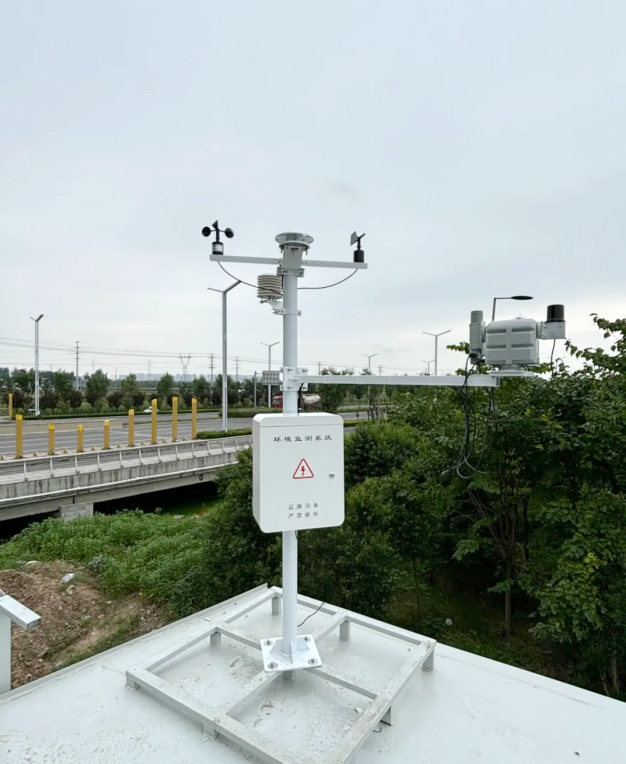
NiuBoL integrated photovoltaic weather station is an indispensable infrastructure for modern high-efficiency PV power plants. It is not just a data recorder but a decision support center for plant performance diagnosis, operational optimization, and revenue maximization. By precisely monitoring core elements such as total solar radiation, module temperature, and dust pollution, NiuBoL solutions help plant managers shift from “experience-based maintenance” to “data-driven maintenance.”
We are committed to providing users with accurate, high-quality, and intelligent measurement instruments and solutions. Choose NiuBoL to equip your PV assets with a professional and reliable “meteorological brain,” ensuring optimal return on investment (ROI) throughout the entire plant lifecycle.
Would you like to optimize your PV plant operational efficiency through precise meteorological data? Contact NiuBoL for customized solutions!
 NBL-W-SRS-Solar-radiation-sensor-instruction-manual-V4.0.pdf
NBL-W-HPRS-Solar-Radiation-Sensor-Instruction-Manual-V3.0.pdf
3-in-1 Fully Automatic Tracking Solar Radiation Meter.pdf
NBL-W-PSS Soiling Sensor Photovoltaic Dust Monitoring Instrument Data Sheet.pdf
Prev:What is a Photovoltaic Weather Station Made Of? What Are Its Functions?
Next:Solar Radiation Sensor Pyranometer: Definition, Principle, Application & Selection Guide
Related recommendations
Sensors & Weather Stations Catalog
Agriculture Sensors and Weather Stations Catalog-NiuBoL.pdf
Weather Stations Catalog-NiuBoL.pdf
Agriculture Sensors Catalog-NiuBoL.pdf
Water Quality Sensor Catalog-NiuBoL.pdf
Related products
 Combined air temperature and relative humidity sensor
 TDR Soil Moisture & Temperature Sensor for irrigation| RS485 |4-20mA| NBL-S-THR
 Soil pH sensor RS485 soil Testing instrument soil ph meter for agriculture |NBL-S-PH
 Wind Speed sensor Output Modbus/RS485/Analog/0-5V/4-20mA
 Tipping bucket rain gauge for weather monitoring auto rainfall sensor RS485/Outdoor/stainless steel
 Pyranometer Solar Radiation Sensor 4-20mA/RS485

Screenshot, WhatsApp to identify the QR code
WhatsApp number:+8615367865107
(Click on WhatsApp to copy and add friends)

