





— Blogs —
—Products—
 Consumer hotline +8618073152920
 WhatsApp:+8615367865107
Address:Room 102, District D, Houhu Industrial Park, Yuelu District, Changsha City, Hunan Province, China
Product knowledge
Time:2026-04-08 11:10:46 Popularity:578
Hydrological monitoring refers to the systematic observation, analysis and evaluation of the formation, distribution, transformation of water in nature and the water body environment. Water environment refers to the water bodies surrounding human living space and that can directly or indirectly affect human life and development, and the totality of various natural and social factors of their normal functions. Water occupies about 71% of the Earth's surface area, consisting of ocean water (97.28% of total water) and terrestrial water (2.72%). The latter has a complex spatial environment and is easily disturbed by human activities.
Water environment is mainly divided into surface water environment and groundwater environment. Surface water environment includes rivers, lakes, reservoirs, oceans, ponds, swamps, glaciers, etc.; groundwater environment includes spring water, shallow groundwater and deep groundwater, etc. Water environment is one of the basic elements of the environment and is also one of the most seriously disturbed and damaged areas by human activities. Pollution and destruction of water environment have become major global environmental problems.
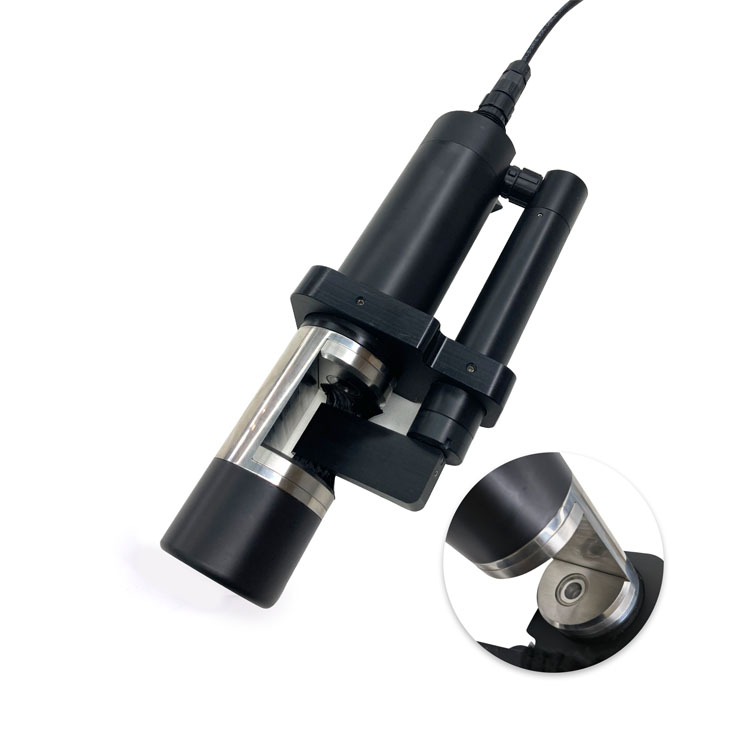
Hydrological monitoring provides scientific basis for water resource management, flood control and disaster reduction, water ecological protection and environmental quality evaluation by continuously collecting physical, chemical and biological parameters of water bodies. In engineering practice, hydrological monitoring is not only a routine environmental detection means but also an important technical support for water pollution prevention, ecological restoration and sustainable development.
Water quality monitoring can be divided into three categories: environmental water body monitoring, water pollution source monitoring and special water sample monitoring.
The monitoring object is a complete ecosystem, including surface water (rivers, lakes, reservoirs, seawater) and groundwater, as well as suspended matter, dissolved matter, sediment and aquatic organisms in water. Through long-term monitoring, the natural background values and change trends of water bodies are grasped.
Focus on industrial, agricultural and domestic sewage discharge outlets, monitoring pollutant concentration, total emissions and pollution trend changes to provide data support for total control and compliance discharge.
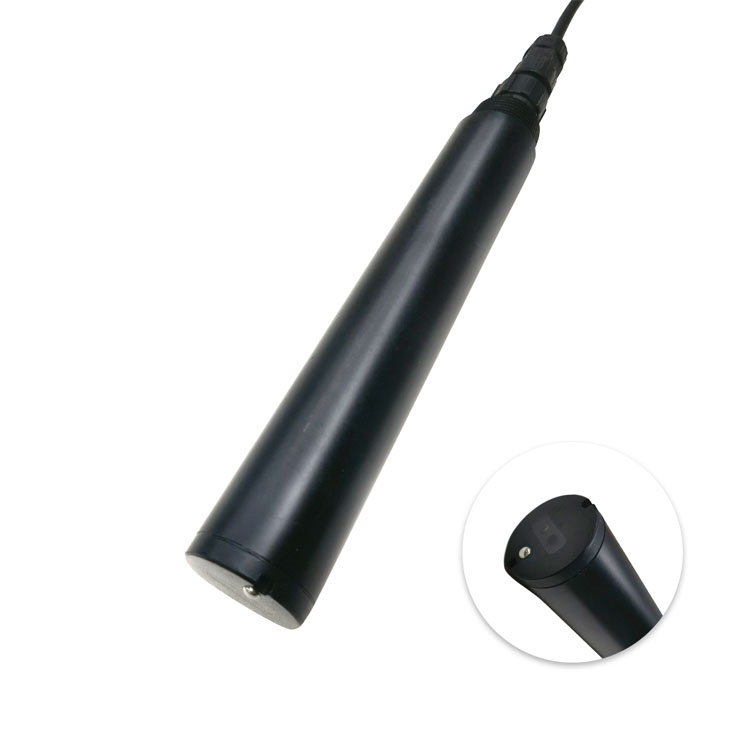
Targeted monitoring for sudden pollution incidents, engineering construction impact assessment or specific protection needs, emphasizing rapid response and precise traceability.
Water quality refers to the comprehensive characteristics of water and its impurities. Water quality indicators are the types and quantities of substances other than water molecules and are parameters describing water quality. Priority monitoring refers to ranking many toxic pollutants, screening out pollutants with high potential harm and high frequency of occurrence as key control objects, and realizing efficient allocation of monitoring resources.
China's water quality standard system consists of six categories of standards: environmental quality standards, pollutant discharge standards, environmental basic standards, environmental method standards, environmental standard substance standards and environmental protection instrument and equipment standards. It is also divided into two levels: national environmental standards and local environmental standards.
Quality standards target usable water bodies and limit impurity content to ensure safe use; discharge standards target dischargeable wastewater and control pollutant concentrations to reduce environmental load. Although both set limits on water quality indicators, their applicable objects and management objectives are different. Engineering companies must strictly distinguish them during project design to avoid compliance risks.
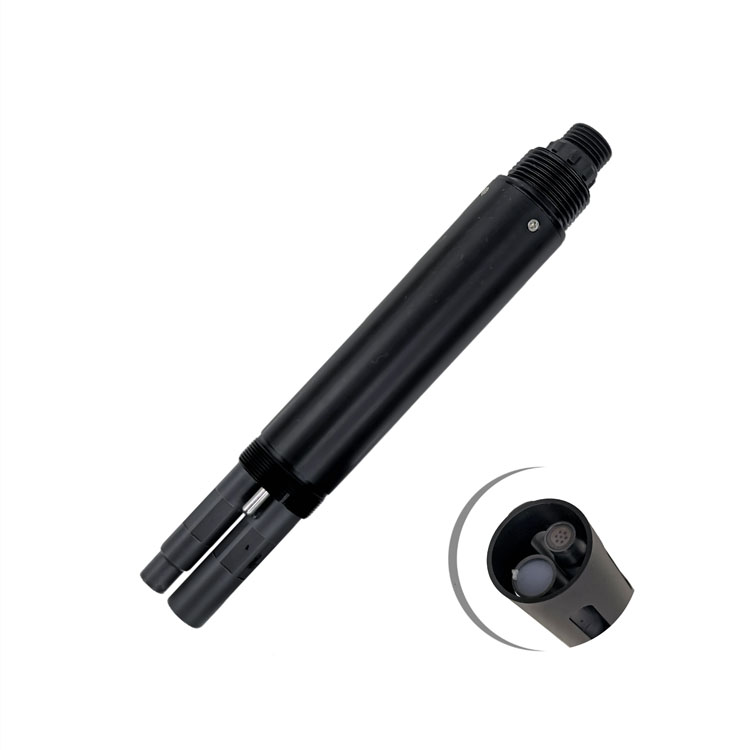
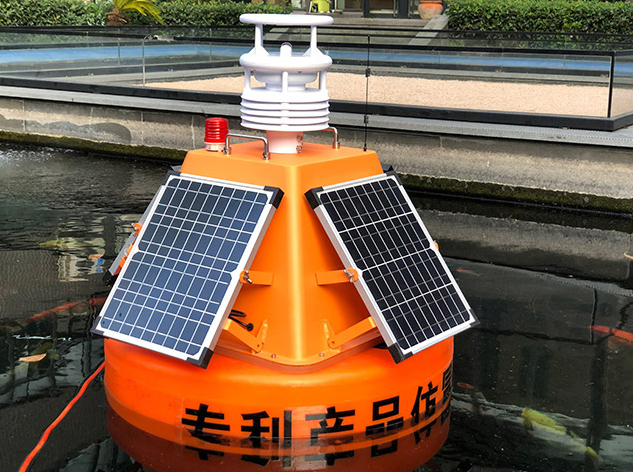
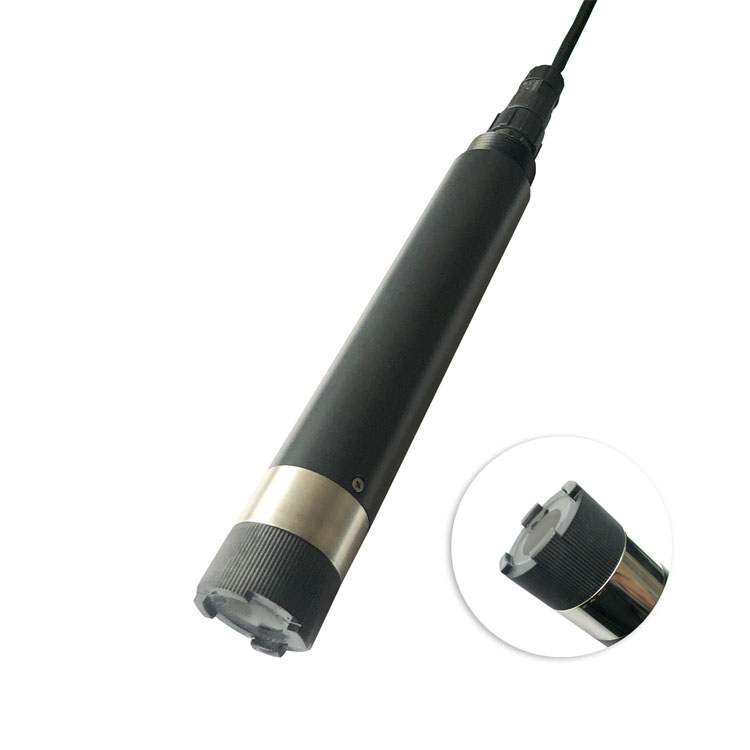
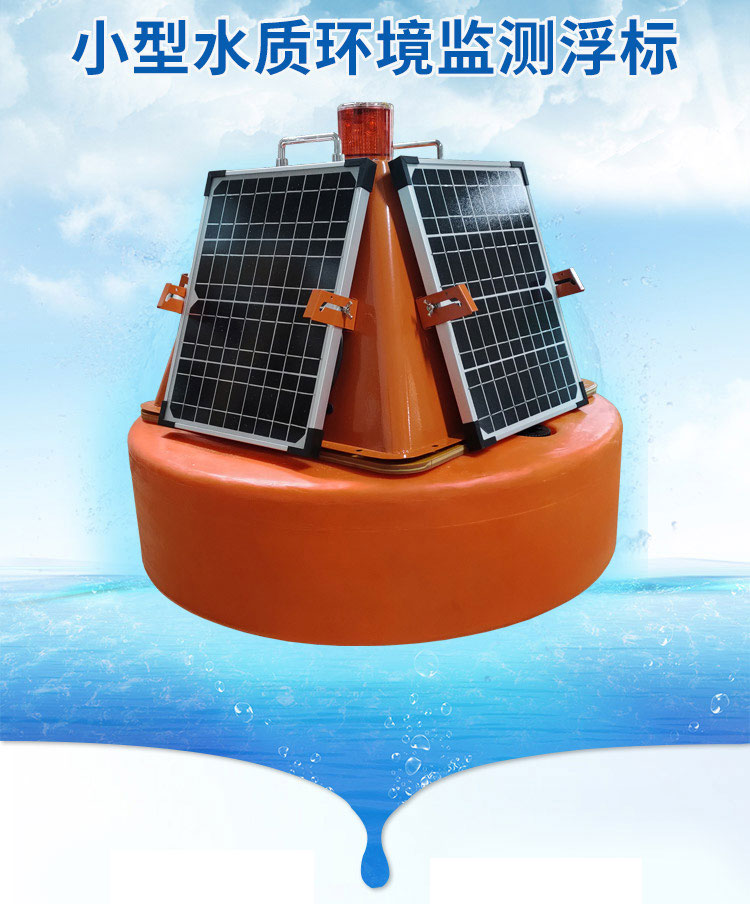
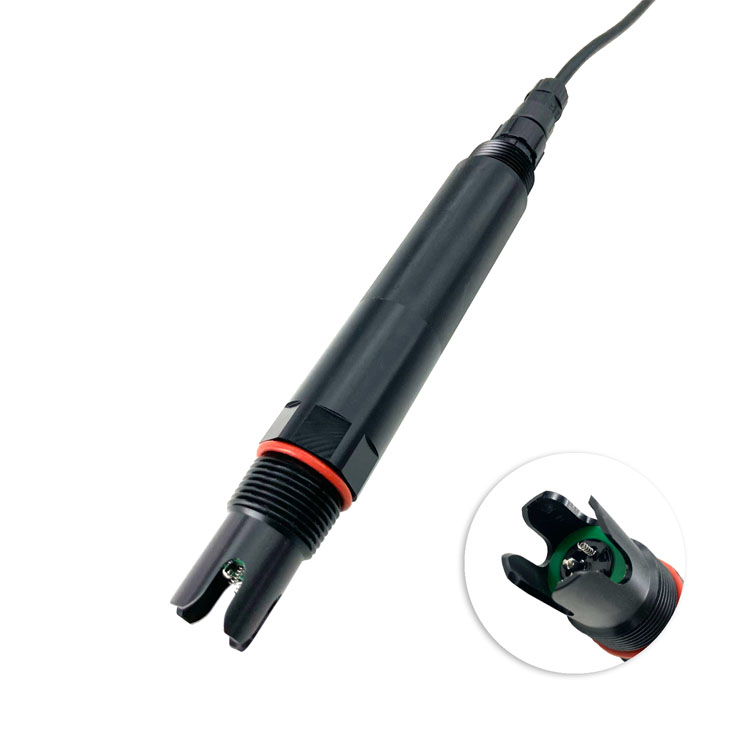
NiuBoL water quality monitoring system adopts modular design and integrates a variety of high-precision sensors to achieve continuous online monitoring of environmental water bodies and pollution sources. The system supports real-time collection of core parameters such as water temperature, conductivity, turbidity, dissolved oxygen, pH, ammonia nitrogen and COD. Data is transmitted to the monitoring platform via GPRS/4G/5G wireless, supporting remote viewing, historical trend analysis and over-limit alarms.
The system has low power consumption design, is compatible with solar power supply schemes, and adapts to long-term unattended environments in the field. Communication interfaces support RS485 and Modbus protocols, facilitating seamless integration with existing SCADA or IoT platforms. Sensors use corrosion-resistant materials with high protection levels to reduce maintenance frequency.
| Parameter Name | Typical Range | Accuracy Index | Main Application Scenario |
|---|---|---|---|
| Dissolved Oxygen (DO) | 0-20 mg/L | ±0.1 mg/L | Water body self-purification capacity and ecological health assessment |
| pH Value | 0-14 | ±0.01 | Acid-base balance and heavy metal form analysis |
| Ammonia Nitrogen (NH₃-N) | 0-10 mg/L | ±0.05 mg/L | Eutrophication and pollution source monitoring |
| Chemical Oxygen Demand (COD) | 0-1000 mg/L | ±5% | Organic pollution degree evaluation |
| Turbidity | 0-1000 NTU | ±2% | Suspended matter and transparency monitoring |
| Conductivity | 0-20000 μS/cm | ±1% | Total ion content and mineralization assessment |
| Residual Chlorine | 0-10 mg/L | ±0.05 mg/L | Drinking water disinfection effect verification |
| Total Phosphorus / Phosphate | 0-5 mg/L | ±0.03 mg/L | Eutrophication risk warning |
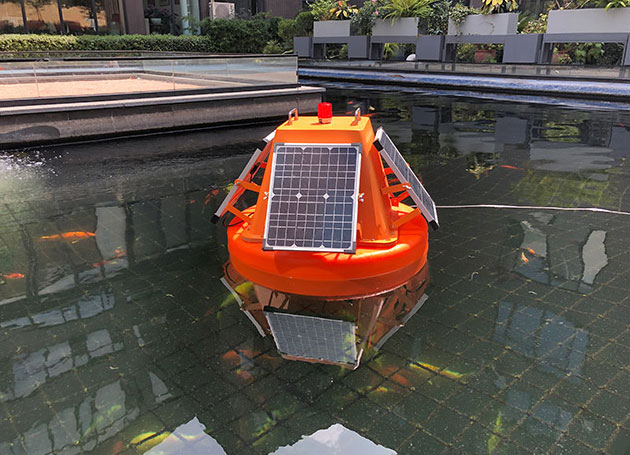
NiuBoL water quality monitoring system is widely applicable to the following engineering scenarios:
Surface water environment monitoring: section point deployment in rivers, lakes and reservoirs to grasp water body background values and seasonal change trends.
Groundwater environment monitoring: shallow and deep groundwater observation to assess salinization and pollution intrusion risks.
Water pollution source monitoring: real-time concentration and total statistics at industrial park sewage outlets to support total control and compliance discharge supervision.
Drinking water source protection: focus on monitoring residual chlorine, turbidity, heavy metals and other indicators to ensure water supply safety.
Ecological restoration projects: long-term tracking of sediment, aquatic organisms and water quality indicator changes to evaluate restoration effects.
Sudden pollution emergency monitoring: portable or fixed stations for rapid deployment to achieve pollution tracing and emergency response.

Engineering value is reflected in:
Data continuity and accuracy, providing reliable basis for environmental quality evaluation and priority monitoring.
Remote wireless transmission and alarm functions, shortening problem response time and reducing manual inspection costs.
Modular configuration flexibility, meeting personalized needs of different water areas and monitoring projects.
Compliance with national and local environmental standard requirements, assisting project compliance acceptance.
Integration with meteorological and hydrological station systems to form a comprehensive water-air-ecological monitoring network.
1. What is the main difference between hydrological monitoring and water quality monitoring?
A: Hydrological monitoring focuses on the formation, distribution and transformation laws of water, while water quality monitoring focuses on the specific determination of physical, chemical and biological indicators of water bodies. The two complement each other.
2. What are the main objects of environmental water body monitoring?
A: Mainly include surface water (rivers, lakes, reservoirs, seawater) and groundwater, as well as suspended matter, dissolved matter, sediment and aquatic organisms therein.
3. What is the difference in applicable objects between quality standards and discharge standards?
A: Quality standards target usable water bodies, discharge standards target dischargeable wastewater. Their limits and management objectives are different.
4. What parameters does NiuBoL water quality monitoring system support for free combination?
A: Supports free combination of parameters such as residual chlorine, turbidity, ammonia nitrogen, COD, pH, heavy metals (such as copper, hexavalent chromium, manganese, iron), suitable for drinking water and surface water monitoring.
5. Is the system suitable for long-term field deployment?
A: Yes. It adopts low power consumption design and high-protection sensors, supports solar power supply and GPRS/4G/5G wireless transmission, and realizes unattended operation.
6. How is the concept of priority monitoring applied in hydrological monitoring?
A: Through hierarchical ranking to screen high-risk pollutants, focus resources on monitoring indicators with high potential harm and high frequency of occurrence.
7. How to achieve data management through the monitoring platform?
A: The platform supports real-time data viewing, historical trend analysis, alarm push and report export, convenient for unified management of multiple sites.
8. How to choose the appropriate water quality monitoring configuration during project integration?
A: According to monitoring object (environmental water body or pollution source), key parameters and site conditions, choose basic or extended schemes, supporting modular expansion.
Hydrological monitoring is the basic work to ensure water environment safety and support sustainable utilization of water resources. NiuBoL water quality monitoring system takes modular sensor arrays, wireless communication technology and intelligent data platform as the core, providing reliable environmental water body and pollution source monitoring solutions for system integrators, IoT solution providers and engineering companies.
Through scientific deployment and system integration, the accuracy, timeliness and coverage of hydrological monitoring can be effectively improved, assisting water pollution prevention, ecological protection and environmental quality evaluation. If you need monitoring schemes, parameter configuration or integration guidance for specific river, lake, groundwater or industrial park projects, please contact the NiuBoL professional team to jointly promote the high-quality application of hydrological monitoring projects.
 NBL-RDO-206 Online Fluorescence Dissolved Oxygen Sensor.pdf
NBL-COD-208 Online COD Water Quality Sensor.pdf
NBL-CL-206 Water Quality Sensor Online Residual Chlorine Sensor.pdf
Related recommendations
Sensors & Weather Stations Catalog
Agriculture Sensors and Weather Stations Catalog-NiuBoL.pdf
Weather Stations Catalog-NiuBoL.pdf
Agriculture Sensors Catalog-NiuBoL.pdf
Water Quality Sensor Catalog-NiuBoL.pdf
Related products
 Combined air temperature and relative humidity sensor
 TDR Soil Moisture & Temperature Sensor for irrigation| RS485 |4-20mA| NBL-S-THR
 Soil pH sensor RS485 soil Testing instrument soil ph meter for agriculture |NBL-S-PH
 Wind Speed sensor Output Modbus/RS485/Analog/0-5V/4-20mA
 Tipping bucket rain gauge for weather monitoring auto rainfall sensor RS485/Outdoor/stainless steel
 Pyranometer Solar Radiation Sensor 4-20mA/RS485

Screenshot, WhatsApp to identify the QR code
WhatsApp number:+8615367865107
(Click on WhatsApp to copy and add friends)

