





— Blogs —
—Products—
 Consumer hotline +8618073152920
 WhatsApp:+8615367865107
Address:Room 102, District D, Houhu Industrial Park, Yuelu District, Changsha City, Hunan Province, China
Product knowledge
Time:2024-11-02 16:14:00 Popularity:12330
Weather is described using measurable atmospheric parameters known as weather elements. The main elements include air temperature, humidity, atmospheric pressure, wind speed, wind direction, precipitation, solar radiation, cloud cover, visibility and sunshine duration.
Each weather element is measured using a corresponding meteorological instrument or sensor. Modern automatic weather stations combine several sensors into one system and can continuously collect, store and transmit weather data for agriculture, hydrology, environmental monitoring, research, solar energy and industrial applications.
| Weather Element | Measuring Instrument | Common Unit |
|---|---|---|
| Air Temperature | Thermometer / Temperature Sensor | °C, °F |
| Relative Humidity | Hygrometer / Humidity Sensor | %RH |
| Atmospheric Pressure | Barometer / Pressure Sensor | hPa, mbar |
| Wind Speed | Anemometer | m/s, km/h, knots |
| Wind Direction | Wind Vane / Wind Direction Sensor | Degrees / Compass Direction |
| Precipitation | Rain Gauge | mm |
| Solar Radiation | Pyranometer / Solar Radiation Sensor | W/m² |
| Cloud Cover | Ceilometer / Observation | Oktas / % |
| Visibility | Visibility Sensor | m, km |
| Sunshine Duration | Sunshine Recorder | hours |
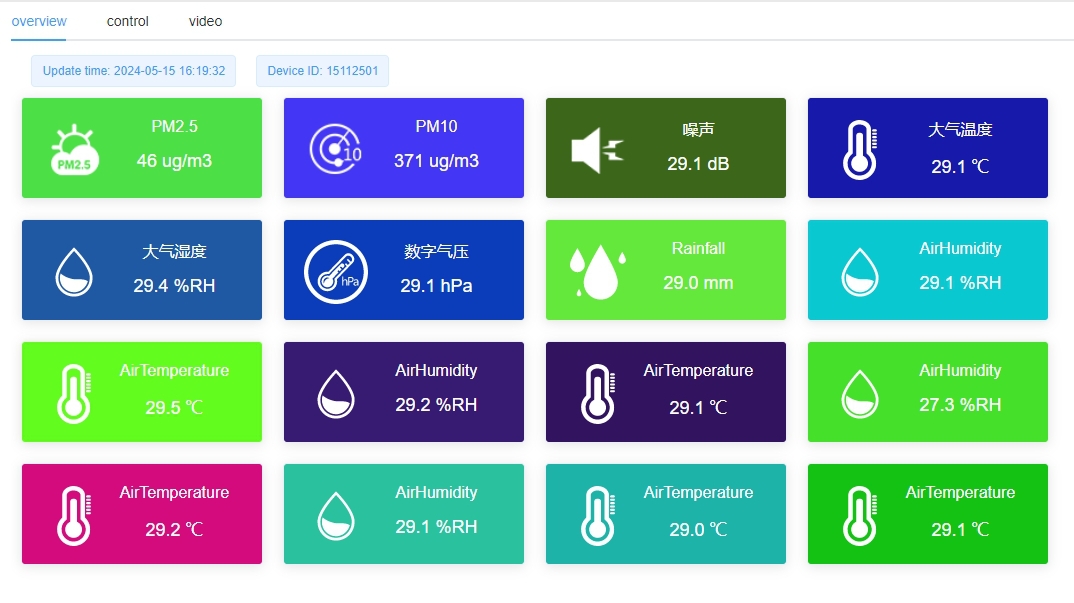
Air temperature describes how warm or cold the atmosphere is. It is one of the most fundamental weather elements and is normally expressed in degrees Celsius (°C) or Fahrenheit (°F).
Traditional meteorological observations use thermometers, while modern automatic weather stations normally use electronic temperature sensors. For outdoor measurements, the sensor is typically installed inside a radiation shield to reduce errors caused by direct solar radiation.
Relative humidity indicates the amount of water vapor in the air relative to the maximum amount the air could hold at the same temperature. It is normally expressed as a percentage (%RH).
Humidity can be measured with a hygrometer or an electronic humidity sensor. In automatic monitoring systems, temperature and humidity are commonly combined in one sensor.
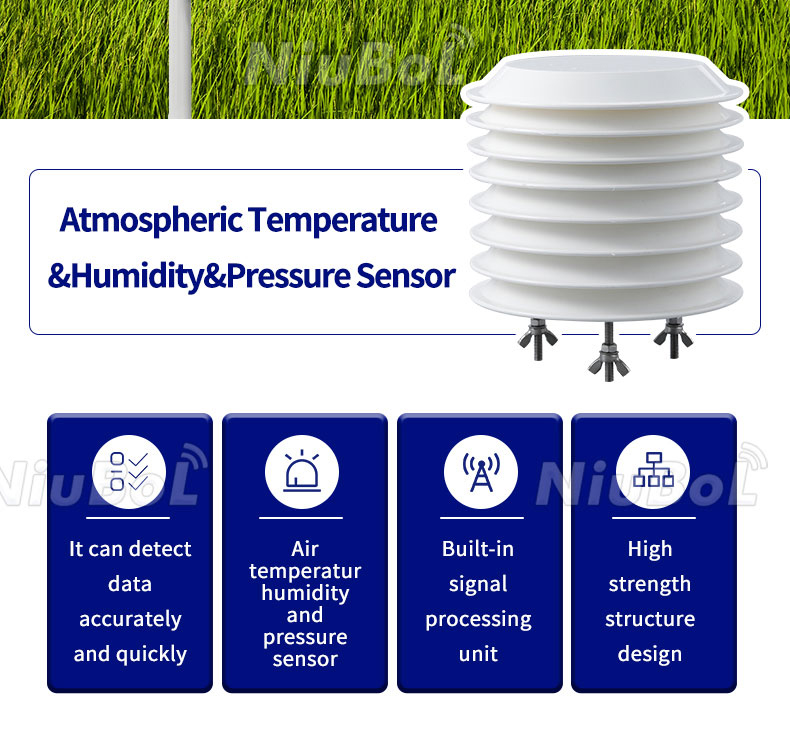
Recommended Product: NBL-W-LBTH Air Temperature, Humidity & Pressure Sensor
Suitable for automatic weather stations and environmental monitoring systems. Supports RS485 or 4–20 mA output for connection to data loggers and control systems. View Product →
Atmospheric pressure is the force exerted by the atmosphere on a surface. It is commonly measured in hectopascals (hPa) or millibars (mbar).
Traditional instruments include mercury and aneroid barometers. Modern automatic weather stations normally use electronic pressure sensors that can continuously provide digital measurements to a data logger.
Wind speed describes how fast air is moving. It is measured using an anemometer and is commonly expressed in meters per second (m/s), kilometers per hour (km/h) or knots.
Common designs include cup anemometers, propeller anemometers and ultrasonic wind sensors. Cup anemometers are widely used for general meteorological monitoring, while ultrasonic sensors are useful where low mechanical maintenance is preferred.
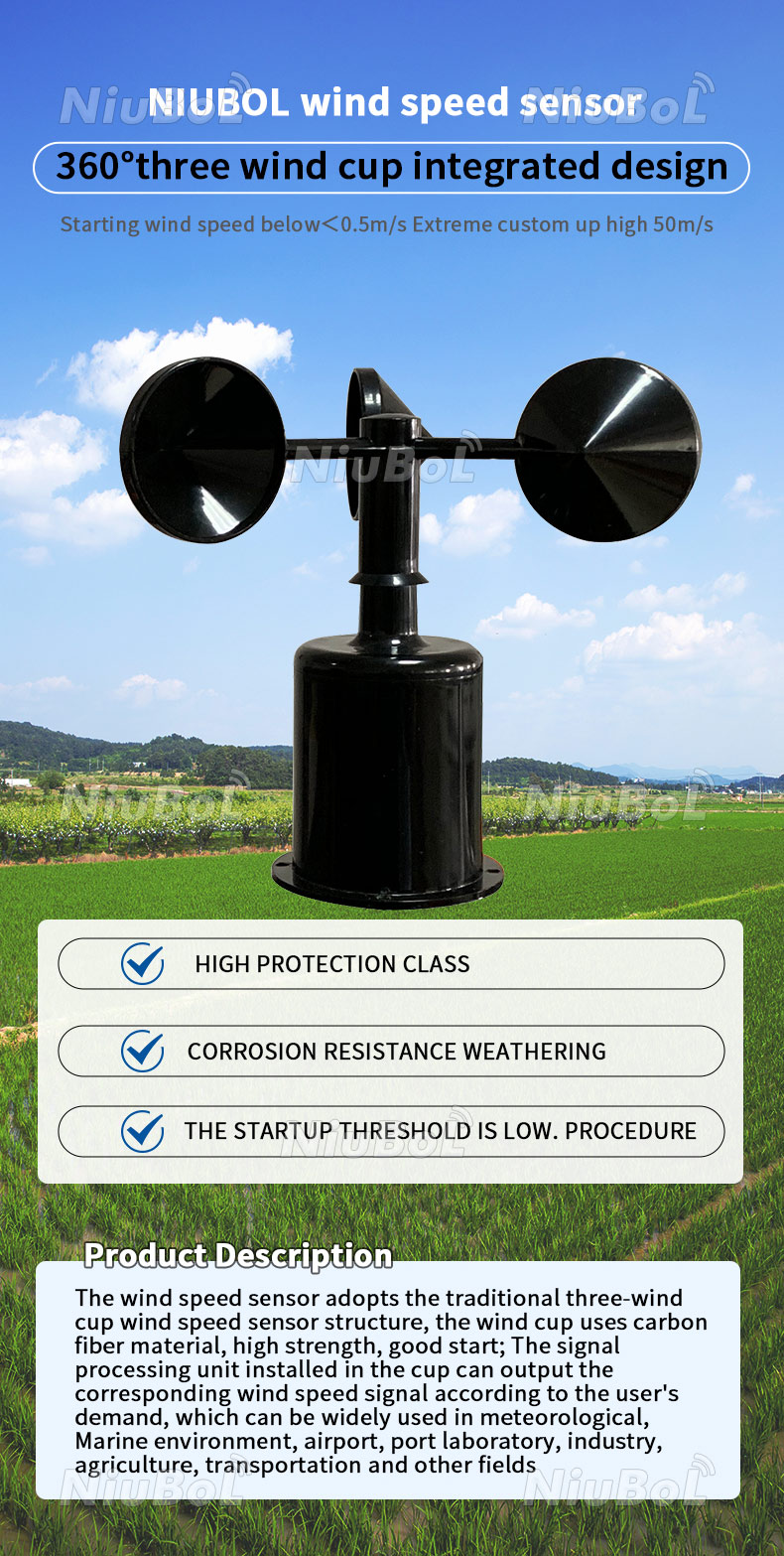
Recommended Product: NBL-W-SS Cup Anemometer
Wind speed sensor for meteorology, agriculture and environmental monitoring. Available with RS485, 4–20 mA, voltage or pulse outputs depending on configuration. View Product →
Wind direction describes the direction from which the wind is coming. It is traditionally measured using a wind vane and can be expressed as compass directions or degrees clockwise from north.
Automatic weather stations may use a separate wind direction sensor or an integrated ultrasonic wind speed and direction sensor.
Precipitation includes rain and other forms of water falling from the atmosphere. Rainfall is commonly expressed as a depth in millimeters (mm).
A rain gauge is the standard instrument used to measure rainfall. Automatic weather stations commonly use tipping bucket rain gauges because the tipping events can be recorded automatically by a data logger, PLC or weather station.
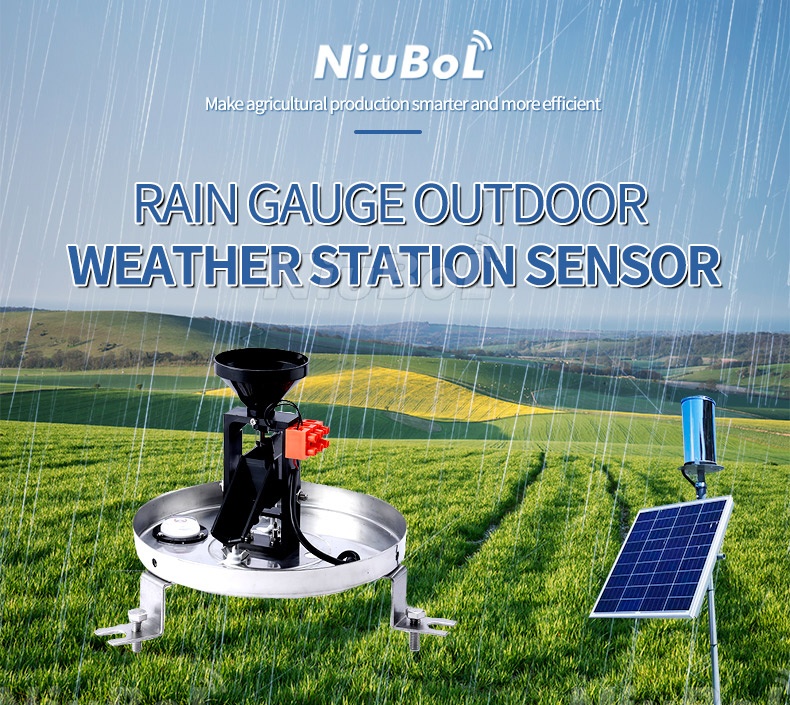
Recommended Product: Tipping Bucket Rain Gauge
Suitable for automatic rainfall monitoring in meteorological, agricultural and hydrological projects. RS485 and other output configurations are available. View Product →
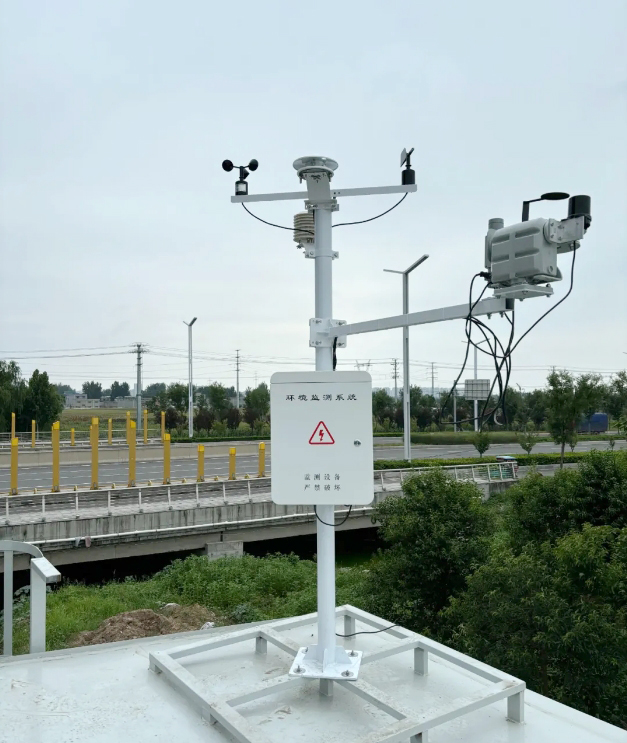
Solar radiation is electromagnetic energy received from the sun. Meteorological and solar-energy applications commonly measure solar irradiance in watts per square meter (W/m²).
A pyranometer or solar radiation sensor is commonly used to measure broadband solar irradiance. PAR sensors are different instruments used specifically to measure photosynthetically active radiation in the wavelength range important for plant photosynthesis.
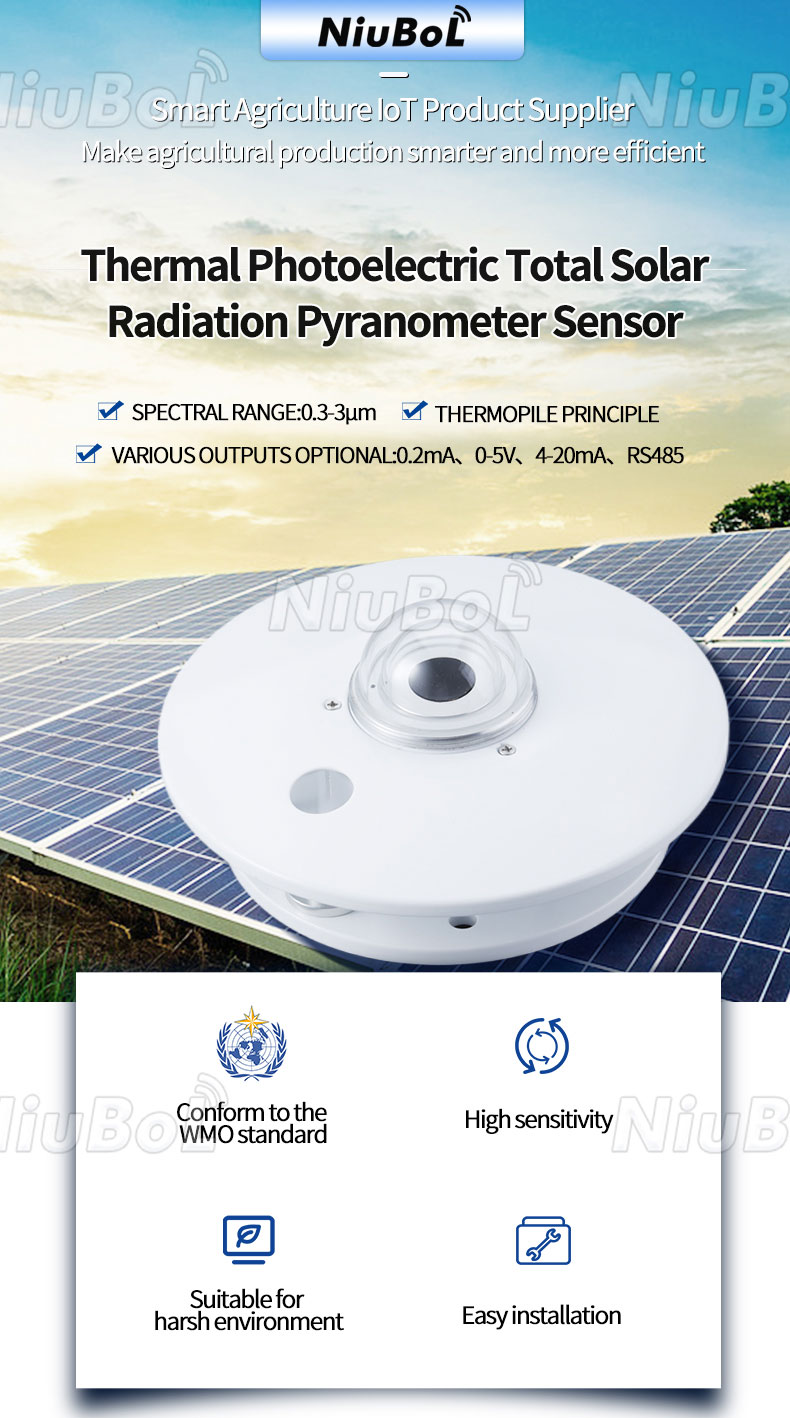
Recommended Product: Pyranometer Solar Radiation Sensor
Designed for meteorological, agricultural and solar-energy monitoring. Available with RS485 or analog output options for system integration. View Product →
Cloud cover describes how much of the sky is covered by clouds. Traditional observations may express cloud cover in oktas, where the sky is divided into eight parts.
Automated meteorological stations may use specialized instruments such as ceilometers for cloud-base height and cloud detection. These instruments are normally used in professional meteorology and aviation rather than standard agricultural weather stations.
Meteorological visibility describes how far an object can be seen and identified under current atmospheric conditions. Visibility is commonly expressed in meters or kilometers.
Automatic visibility sensors usually use optical scattering or transmission principles. They are commonly used for roads, airports, ports, meteorological stations and transportation safety monitoring.
Sunshine duration describes the amount of time during which direct solar radiation is strong enough to be classified as sunshine. It is generally reported in hours per day.
Traditional Campbell-Stokes sunshine recorders use a glass sphere and recording card. Modern meteorological systems can determine sunshine duration electronically using suitable radiation measurements.
A weather element is the atmospheric quantity being measured. A weather instrument is the device used to measure that quantity.
Temperature is a weather element; a thermometer or temperature sensor is the instrument.
Wind speed is a weather element; an anemometer is the instrument.
Wind direction is a weather element; a wind vane is the instrument.
Rainfall is a weather element; a rain gauge is the instrument.
Atmospheric pressure is a weather element; a barometer or pressure sensor is the instrument.
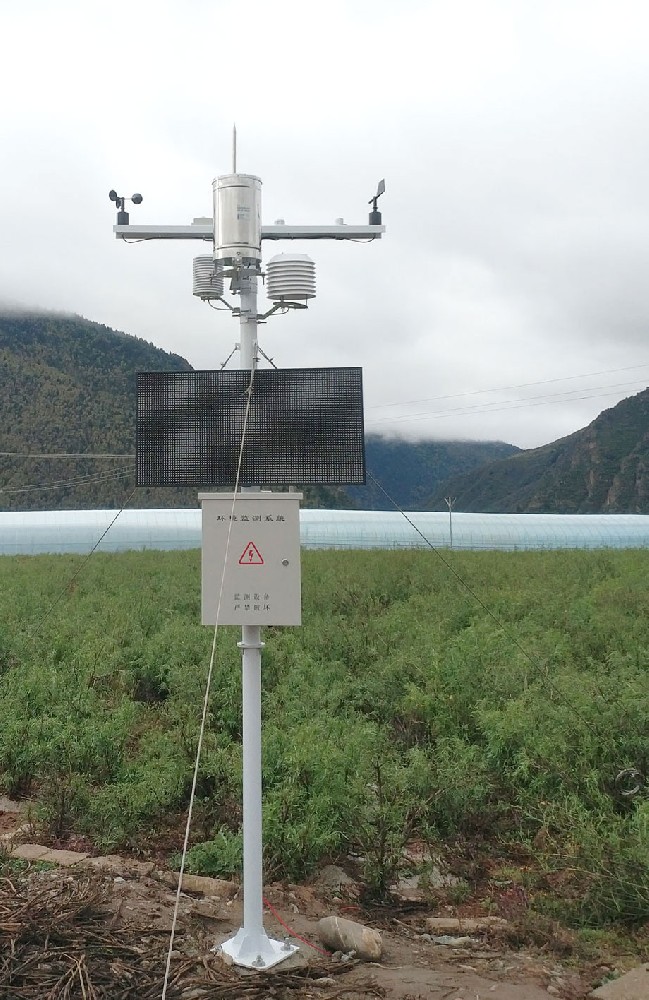
An automatic weather station (AWS) combines several meteorological sensors into a single monitoring system.
Weather Sensors → Data Logger → RS485 / 4G / LoRaWAN → Cloud Platform or Customer Server
A typical automatic weather station can measure air temperature, humidity, atmospheric pressure, wind speed, wind direction, rainfall and solar radiation. Additional sensors can be added according to the application.
The data logger records measurements at configured intervals and can transmit the data through 4G, Ethernet, Wi-Fi or LoRaWAN. Depending on the gateway or logger, protocols such as MQTT and HTTP can be used to integrate data with a cloud platform or the customer's own server.
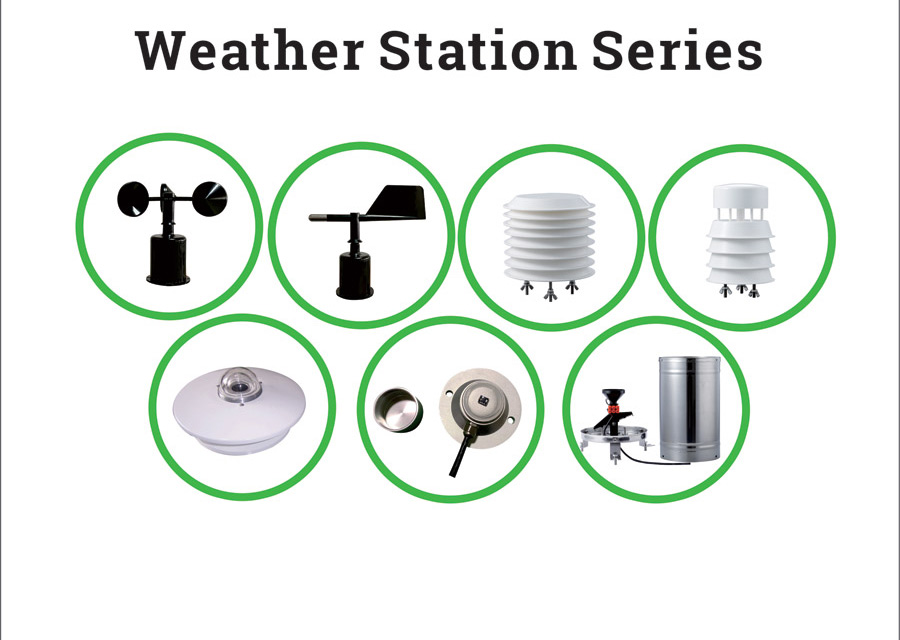
Recommended Product: Ultrasonic Weather Station
Compact multi-parameter weather station for wind, temperature, humidity, pressure and other weather measurements. Suitable for agriculture, environmental monitoring and IoT projects. View Product →
| Application | Typical Measurements |
|---|---|
| General Weather Monitoring | Temperature, humidity, pressure, wind, rainfall and solar radiation |
| Agriculture | Temperature, humidity, rainfall, wind, solar radiation and optional soil monitoring |
| Solar Power Plant | Solar irradiance, module temperature, air temperature and wind |
| Hydrology | Rainfall, temperature, humidity, water level and flow |
| Road / Airport | Visibility, wind, temperature, precipitation and atmospheric pressure |
The correct weather instruments depend on what the project actually needs to measure. A larger number of sensors does not automatically mean a better monitoring system.
Before selecting equipment, confirm:
Which weather parameters need to be measured?
What measurement range and accuracy are required?
Will the sensors connect through RS485, analog output or another interface?
Is 4G, Ethernet, Wi-Fi or LoRaWAN communication required?
Will data be stored locally, sent to a cloud platform or uploaded to a private server?
Is mains power available, or is a solar panel and battery system required?
What pole height and installation accessories are required?
What are the expected temperature, wind, rainfall and environmental conditions?
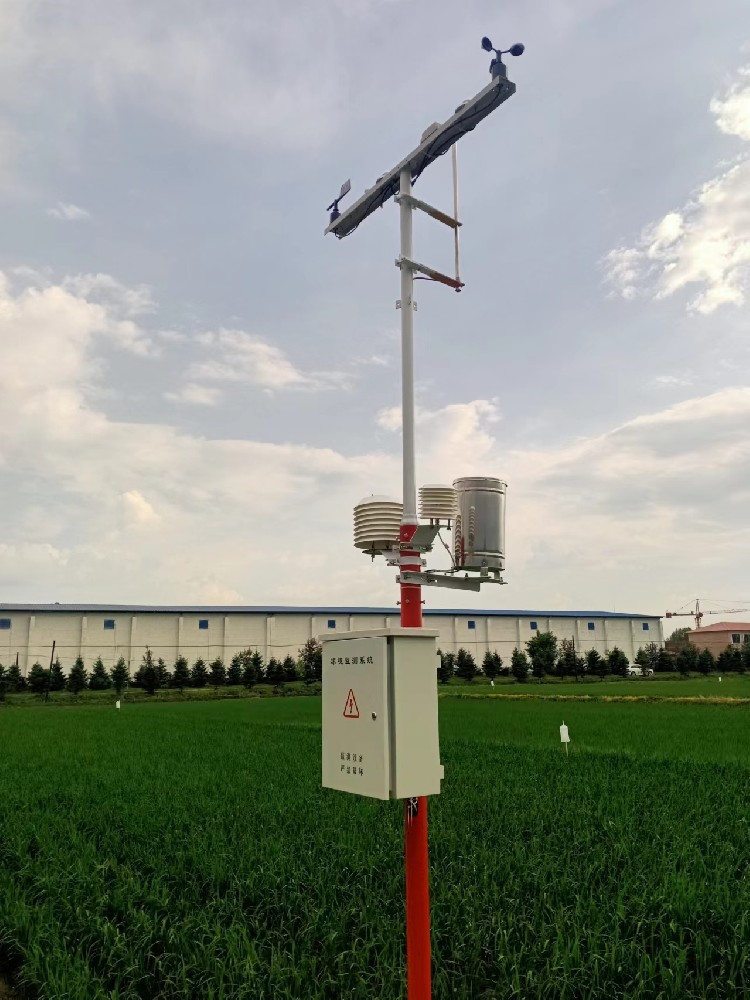
The main elements of weather include air temperature, humidity, atmospheric pressure, wind speed, wind direction, precipitation, solar radiation, cloud cover, visibility and sunshine duration.
Temperature is measured using a thermometer or electronic temperature sensor. Modern automatic weather stations typically use electronic temperature sensors installed inside a suitable radiation shield.
Wind speed is measured using an anemometer. Common types include cup, propeller and ultrasonic anemometers.
Wind direction is traditionally measured using a wind vane. Automatic monitoring systems can also use electronic or ultrasonic wind direction sensors.
Rainfall is measured using a rain gauge. Tipping bucket rain gauges are widely used in automatic weather stations because rainfall can be recorded automatically by a data logger.
Solar irradiance is commonly measured using a pyranometer or solar radiation sensor and is normally expressed in watts per square meter.
Not necessarily. A typical automatic weather station measures common parameters such as temperature, humidity, pressure, wind, rainfall and solar radiation. Specialized measurements such as cloud height, visibility or snow depth may require separate instruments.
Yes. A compatible data logger or IoT gateway can collect sensor data and transmit it through 4G or Ethernet. MQTT, HTTP or other supported protocols can be selected according to the monitoring architecture.
NiuBoL provides automatic weather stations and meteorological sensors for agriculture, hydrology, environmental monitoring, solar energy, research and industrial projects.
Available measurements include air temperature, relative humidity, atmospheric pressure, wind speed, wind direction, rainfall, solar radiation, PAR, visibility and other environmental parameters. Communication options can include RS485 Modbus, 4G, Ethernet and LoRaWAN depending on the system configuration.
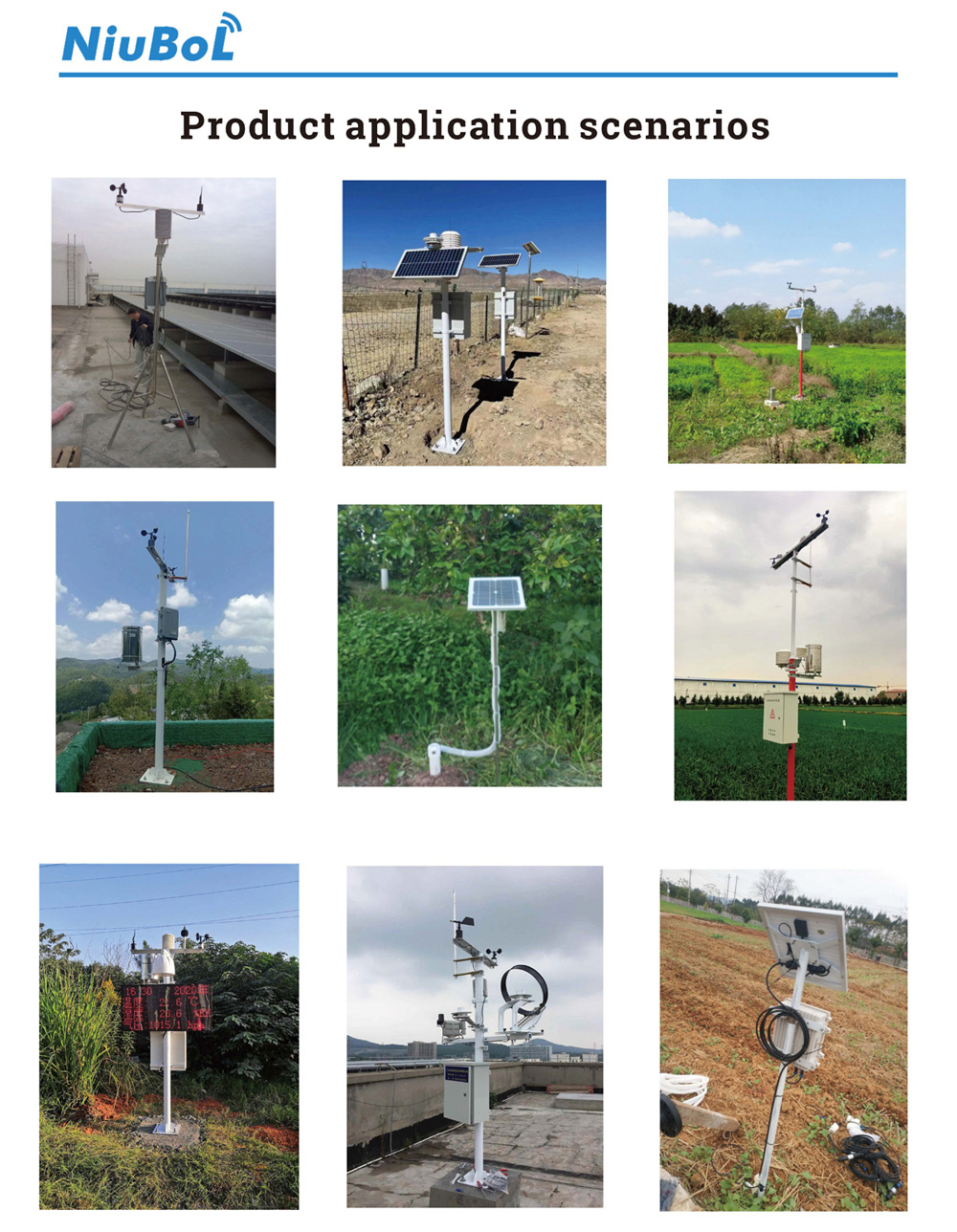
For a weather monitoring project, provide the required parameters, measurement accuracy, communication method, power supply, installation location and whether a data logger, solar system, mounting pole or private-server integration is required.
Related recommendations
Sensors & Weather Stations Catalog
 Agriculture Sensors and Weather Stations Catalog-NiuBoL.pdf
Weather Stations Catalog-NiuBoL.pdf
Agriculture Sensors Catalog-NiuBoL.pdf
Water Quality Sensor Catalog-NiuBoL.pdf
Related products
 Combined air temperature and relative humidity sensor
 TDR Soil Moisture & Temperature Sensor for irrigation| RS485 |4-20mA| NBL-S-THR
 Soil pH sensor RS485 soil Testing instrument soil ph meter for agriculture |NBL-S-PH
 Wind Speed sensor Output Modbus/RS485/Analog/0-5V/4-20mA
 Tipping bucket rain gauge for weather monitoring auto rainfall sensor RS485/Outdoor/stainless steel
 Pyranometer Solar Radiation Sensor 4-20mA/RS485

Screenshot, WhatsApp to identify the QR code
WhatsApp number:+8615367865107
(Click on WhatsApp to copy and add friends)

