





— Blogs —
—Products—
 Consumer hotline +8618073152920
 WhatsApp:+8615367865107
Address:Room 102, District D, Houhu Industrial Park, Yuelu District, Changsha City, Hunan Province, China
Product knowledge
Time:2026-01-19 16:28:52 Popularity:720
In modern industrial automation, environmental monitoring, and smart city construction, precise perception of liquid level is not only a cornerstone of production safety but also a key link in achieving resource optimization and process automation. As a deep cultivator in the field of IoT sensors, NiuBoL is committed to providing high-precision and highly reliable level measurement solutions.
This article will comprehensively analyze the core technical advantages of level sensors, deeply compare six mainstream level monitoring products, and explore their application value in diversified scenarios to help engineers and project managers make the optimal technical decisions.
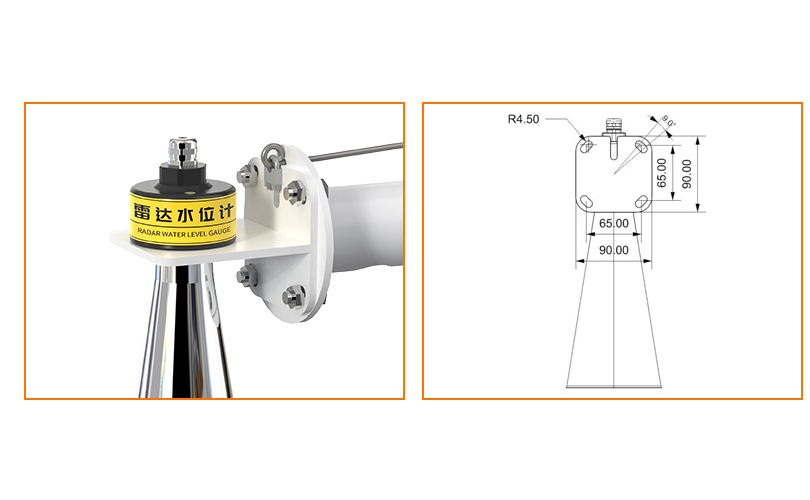
The reason level sensors are widely used in various industries mainly stems from their excellent performance in data acquisition and process control:
High precision and real-time monitoring: Compared with traditional manual observation, modern sensors can provide millimeter-level measurement accuracy and achieve second-level real-time data updates, providing a basis for precise control.
Significantly reduce operation and maintenance costs: Through remote monitoring and automatic alarms, the frequency of manual inspections is greatly reduced, preventing equipment damage or production interruption caused by abnormal liquid levels.
Strong adaptability to extreme environments: Whether in high temperature and high pressure, strongly corrosive liquids, or sealed vacuum environments, stable measurement can be achieved through special materials and principles.
Digitization and system integration: Supports standard signal outputs such as 4-20mA and RS485 (Modbus RTU), enabling seamless access to PLC, DCS systems, or smart cloud platforms.
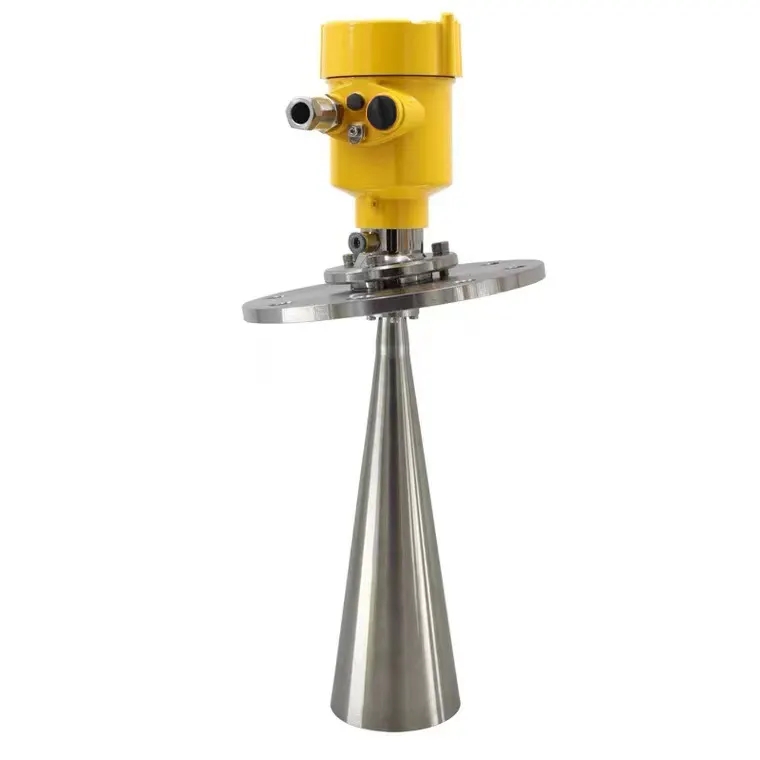
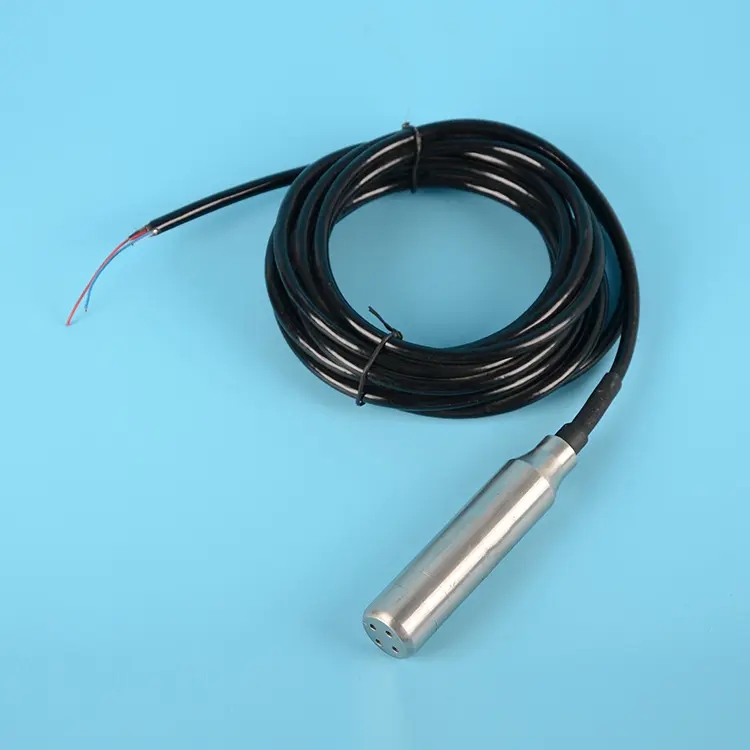
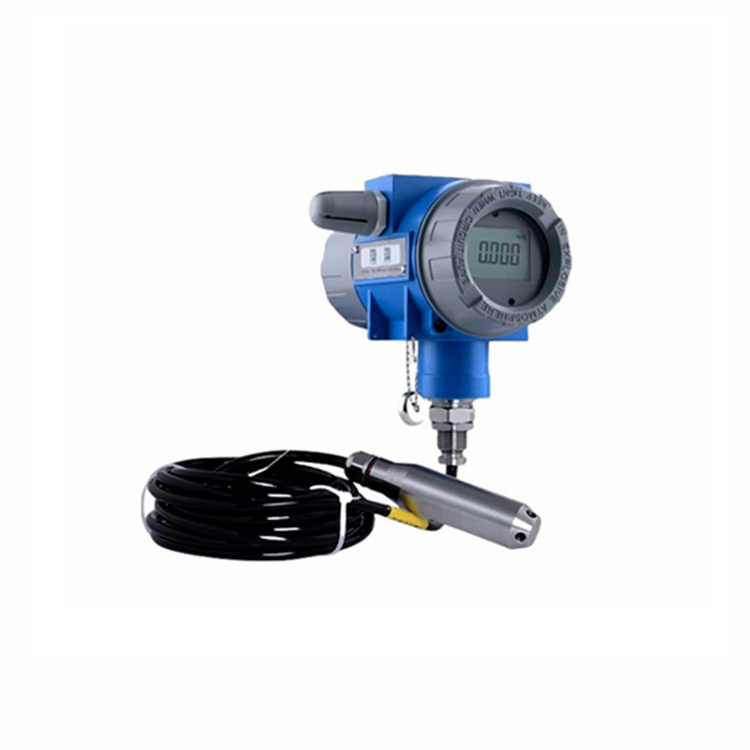
| Sensor Type | Measurement Principle | Core Advantages | Application Scenarios | Application Value |
|---|---|---|---|---|
| 1. Submersible Hydrostatic Level Transmitter (Hydrostatic Level Transmitters) | Based on the physical principle that liquid hydrostatic pressure is proportional to height | Easy installation: no complex flange installation required, just drop the probe into the bottom of the liquid, greatly saving construction time. Excellent stability: NiuBoL uses diffused silicon oil-filled core body with strong overload resistance and zero-point stability. Deep water monitoring capability: high cost-performance in large-depth (e.g., hundred-meter deep wells) level monitoring. | Deep well water extraction, reservoir dam monitoring, urban underground pipe network, sewage treatment tanks. | In water conservancy projects, it enables long-term monitoring of groundwater sources and effectively prevents ecological imbalance caused by over-extraction. |
| 2. Ultrasonic Level Meter (Ultrasonic Level Meters) | Non-contact measurement using sound wave reflection principle | Non-contact measurement: the sensor does not directly contact the medium, fundamentally avoiding corrosion of the probe by acid and alkali liquids. Intelligent algorithm: built-in interference echo filtering technology that can automatically identify obstacles such as stirring rods to ensure true data. No mechanical wear: all-solid-state structure, long service life, almost no later maintenance required. | Chemical storage tanks, industrial wastewater tanks, urban waterlogging monitoring, open channel flow monitoring. | When handling highly corrosive chemicals, it ensures long-term durability of the measuring equipment and reduces the risk of chemical leakage. |
| 3. Radar Level Transmitter (Radar Level Transmitters) | Based on high-frequency electromagnetic wave reflection principle, usually using 26GHz or 80GHz high-frequency signals | Environmental immunity: unaffected by vapor, vacuum, dust, temperature fluctuations or steam, with strong penetration. Extremely high precision: measurement error can be controlled within 2mm, suitable for trade settlement of high-value liquids. Small beam angle: highly concentrated energy, suitable for installation in complex tanks with obstacles or narrow pipes. | Petroleum refining tank farms, high-temperature molten salt furnaces, precision pharmaceutical reactors. | In extremely complex production processes, radar technology ensures the uniqueness and authenticity of data and is the first choice for Industry 4.0 intelligent transformation. |
| 4. Capacitive Level Sensor (Capacitive Level Sensors) | Determines liquid level height by sensing changes in capacitance | Extremely fast response speed: can capture instantaneous changes in liquid level, suitable for high-frequency switching industrial conditions. Compact structure: small size, easy to integrate inside compact mechanical equipment. Highly customizable: probe rod length can be customized according to container depth, with high flexibility. | Hydraulic oil tank level, internal combustion engine fuel consumption monitoring, medical device liquid monitoring. | Through precise monitoring of oil level and liquid medicine, it ensures lubrication safety of precision machinery and compliance of medical operations. |
| 5. Float Level Switch/Transmitter (Float Level Sensors) | Uses buoyancy principle, float rise and fall drives internal reed switch action | Simple and reliable structure: physical principle directly triggers, no complex electronic calculations involved, extremely low failure rate. Strong pressure resistance: special material float can withstand high-pressure environments. High economy: suitable for low-budget projects that only require upper and lower limit alarms or simple automatic start/stop. | Household water purifiers, industrial boiler water level control, ship ballast tanks. | In critical liquid level safety redundant systems, float switches often serve as the final hardware defense line to prevent overflow accidents caused by logic failures. |
| 6. Non-contact Induction Level Sensor (Non-contact Induction Sensors) | Installed on the outer wall of non-metallic containers to detect the liquid level height inside the container | Complete zero contact: no need to open holes in the container, maintaining perfect sealing of the container. Ultimate hygiene: since it does not contact the liquid at all, it is an ideal choice for food, beverage, and laboratory analysis. Flexible installation: can be disassembled and replaced at any time without affecting the operation of the original production line. | Laboratory glassware, small household appliance water tanks, hemodialysis equipment. | In industries with extremely high hygiene requirements, it completely eliminates the possibility of cross-contamination and improves product safety and compliance levels. |
In actual engineering, selecting the appropriate sensor requires comprehensive trade-offs. NiuBoL recommends considering the following three dimensions:
Medium characteristics: For viscous and easily crystallizing media, radar or submersible is preferred; for highly corrosive media, non-contact ultrasonic is preferred.
Installation environment: Open outdoor water areas are suitable for ultrasonic or submersible; closed pressure vessels prefer radar or capacitive.
Cost budget: For large-scale deployment with conventional accuracy requirements, the submersible solution has the greatest advantage.
Q1: Does the submersible level sensor require opening holes for installation?
No. Simply drop the probe to the bottom of the liquid through the cable. It uses the static pressure of water to calculate depth and is very suitable for use in existing pools or deep wells.
Q2: Under what conditions does the ultrasonic level meter measure inaccurately?
When there is a lot of foam on the liquid surface, violent fluctuations, or severe dust and steam in the environment, sound waves will be absorbed or scattered. In this case, it is recommended to use NiuBoL's radar level meter.
Q3: What signal output methods do NiuBoL sensors support?
The products support mainstream industrial standards, including 4-20mA analog signals, 0-5V/0-10V voltage signals, and RS485 digital signals supporting Modbus RTU protocol.
Q4: Which type should be chosen for hydraulic oil tank level monitoring?
It is recommended to choose capacitive level sensors or submersible level transmitters (ensure material compatibility with oil), which can provide continuous linear output for easy and accurate monitoring of oil level changes.
Q5: Will the stirring paddle in the tank affect radar level meter measurement?
There will be some impact, but NiuBoL radar products have built-in intelligent false echo filtering technology that can learn and record the position of the stirring paddle, thereby eliminating it during measurement.
Q6: Can the sensor cable length be extended?
Yes. Especially for submersible level sensors, we provide customized air-guide cables to ensure that atmospheric pressure compensation is still possible during long-distance transmission, maintaining measurement accuracy.
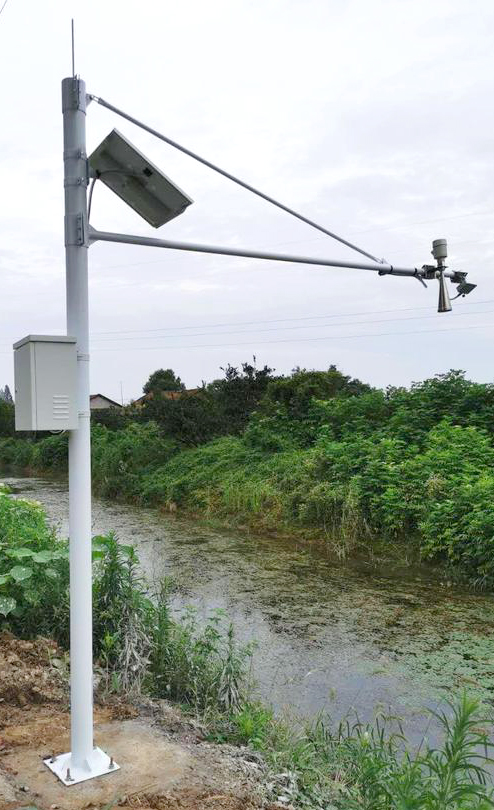
The evolution of level monitoring technology is a microcosm of industrial civilization moving toward intelligence. From the most primitive physical float to high-frequency radar technology, every step of iteration is for higher precision and stronger environmental adaptability.
NiuBoL always adheres to technology innovation as the core. Our level sensor series not only reaches the industry-leading level in measurement accuracy but also continuously breaks through in product durability and intelligent integration. By combining high-precision sensors with IoT data acquisition technology, we provide global customers with one-stop monitoring services from hardware to cloud.
Whether you need to monitor groundwater levels in remote areas or complex chemical storage areas, NiuBoL can provide you with the most reliable level sensors to help achieve intelligent management and sustainable development.
Related recommendations
Sensors & Weather Stations Catalog
 Agriculture Sensors and Weather Stations Catalog-NiuBoL.pdf
Weather Stations Catalog-NiuBoL.pdf
Agriculture Sensors Catalog-NiuBoL.pdf
Water Quality Sensor Catalog-NiuBoL.pdf
Related products
 Combined air temperature and relative humidity sensor
 TDR Soil Moisture & Temperature Sensor for irrigation| RS485 |4-20mA| NBL-S-THR
 Soil pH sensor RS485 soil Testing instrument soil ph meter for agriculture |NBL-S-PH
 Wind Speed sensor Output Modbus/RS485/Analog/0-5V/4-20mA
 Tipping bucket rain gauge for weather monitoring auto rainfall sensor RS485/Outdoor/stainless steel
 Pyranometer Solar Radiation Sensor 4-20mA/RS485

Screenshot, WhatsApp to identify the QR code
WhatsApp number:+8615367865107
(Click on WhatsApp to copy and add friends)

