





— Blogs —
—Products—
 Consumer hotline +8618073152920
 WhatsApp:+8615367865107
Address:Room 102, District D, Houhu Industrial Park, Yuelu District, Changsha City, Hunan Province, China
Product knowledge
Time:2026-01-23 10:21:30 Popularity:777
Water is the source of life and the lifeline of industrial and agricultural production. With the growing global awareness of environmental protection and the deepening of smart city construction, real-time, precise, and continuous monitoring of water resources has become a social consensus. As the core component of water environment monitoring, water quality sensors are playing the role of “digital sentinels.”
The NiuBoL brand is committed to transforming complex water body information into intuitive data streams through high-precision, low-maintenance sensor technology. This article, led by technical expert Arvin, will take you deep into the core logic, mainstream types, and important applications of water quality sensors in modern society.
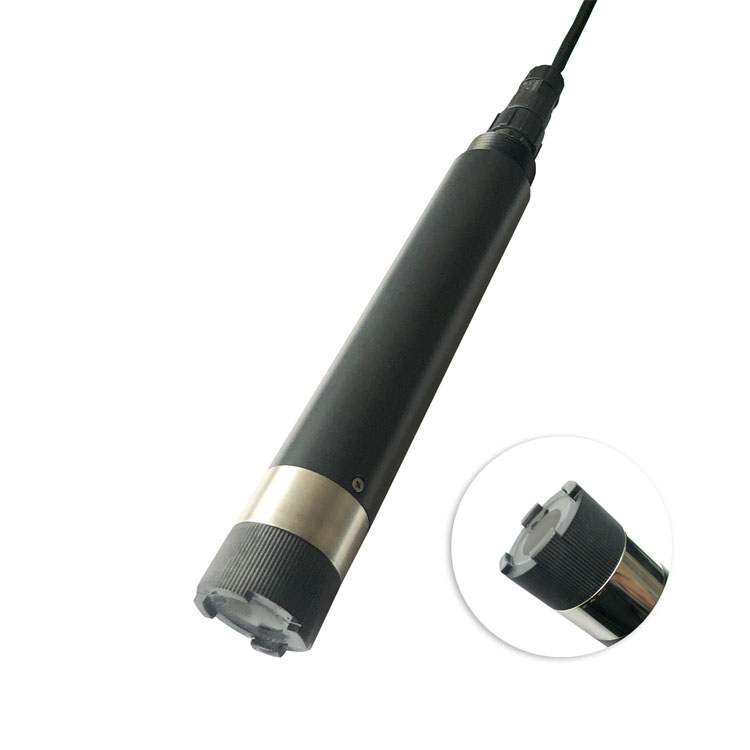
The essence of water quality sensors is a “converter” from physical/chemical quantities to electrical signals. Through different sensing mechanisms, they convert unpredictable substance contents in water into quantifiable electronic data.
1. Physical Parameter Measurement Principles
Physical sensors typically directly utilize the physical properties of substances for detection. For example, thermistors measure temperature based on resistance changes with temperature; piezoelectric effects measure water depth pressure; Doppler effect or turbine speed measures flow velocity. These sensors offer fast response and high stability.
2. Chemical Parameter Measurement Principles
This is the most complex part of water quality monitoring, mainly divided into:
• Electrochemical method: Measures potential difference or current changes through ion-selective electrodes (e.g., pH, conductivity).
• Optical method: Uses absorption of specific wavelengths (e.g., COD, turbidity) or fluorescence quenching (e.g., optical dissolved oxygen) to determine substance concentration.
• Capacitance/resistance method: Detects specific chemical components by measuring changes in the dielectric constant of water.
3. Biological Parameter Measurement Principles
Biosensors utilize specific reactions of biomolecules (such as enzymes, antibodies, DNA) to target pollutants. When the target substance binds to the biological recognition element, it produces weak color changes or microcurrents, which are amplified by a transducer and output.
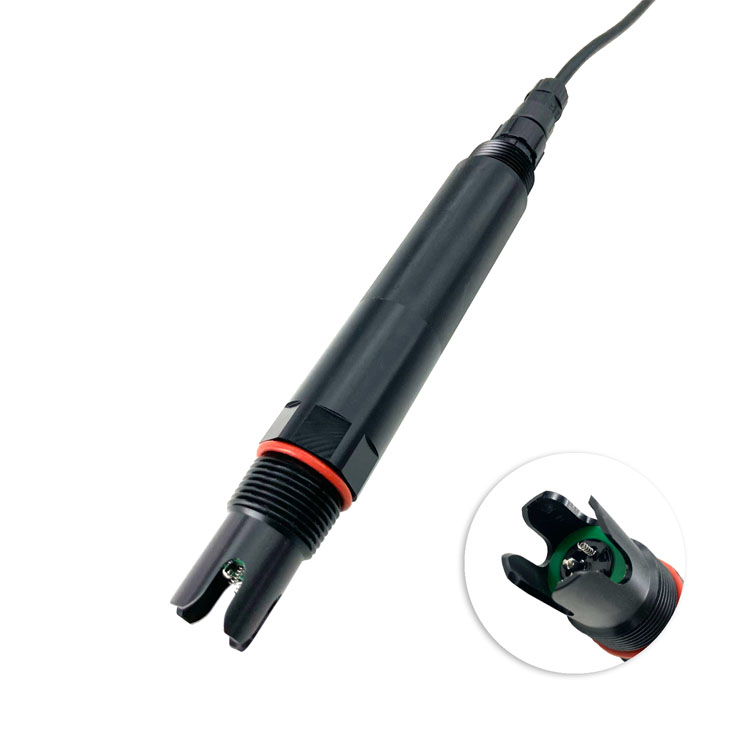
To meet diverse monitoring needs, NiuBoL has developed a product line covering multiple dimensions, ensuring accurate output from laboratory to extreme field environments.
Physical sensors are the “standard configuration” for all monitoring stations.
Water level and flow meters: Monitor river channel storage capacity and irrigation channel flow.
Temperature sensors: Water temperature affects biochemical reaction rates in water and is a necessary factor for correcting pH and dissolved oxygen data.
This is the most widely applied category in water quality monitoring:
pH and conductivity sensors: Determine water acidity/alkalinity and total ion concentration, serving as the foundation for assessing whether industrial wastewater meets standards.
Dissolved oxygen (DO) sensors: Key indicator for aquatic organism survival and core reference for aeration tank efficiency in wastewater treatment plants.
Turbidity/suspended solids sensors: Measure water clarity through light scattering principles, commonly used in tap water plants and drinking water monitoring.
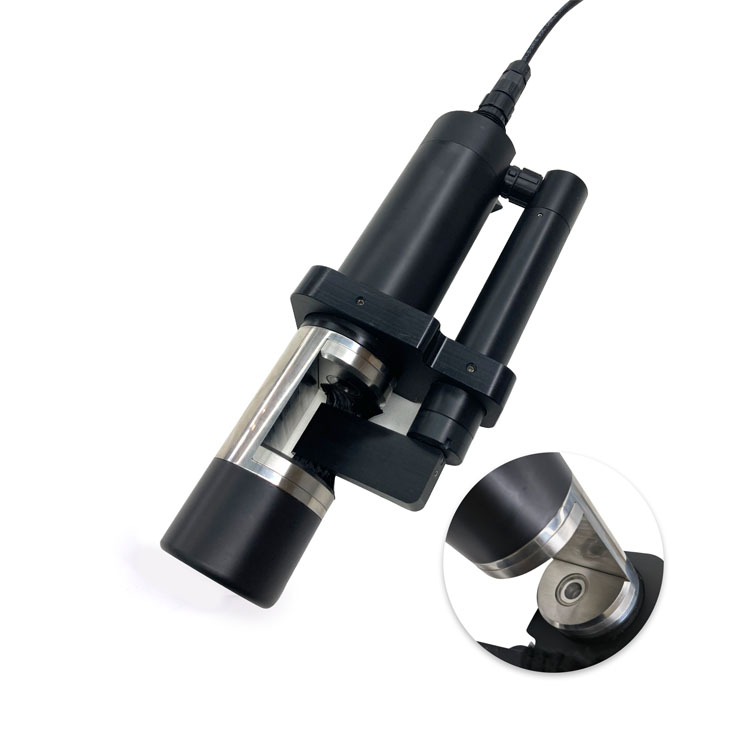
Modern smart water affairs tend to use multi-parameter integrated systems. NiuBoL multi-parameter monitoring stations can simultaneously integrate temperature, pH, dissolved oxygen, conductivity, turbidity, and ammonia nitrogen. This integrated design greatly reduces wiring complexity and installation costs, and when paired with a cloud platform, enables real-time data aggregation.
Real-time and continuity: Compared to traditional manual sampling and lab testing, sensors provide 24/7 uninterrupted monitoring, capable of capturing instantaneous illegal discharges or sudden pollution events.
Early warning capability: By setting thresholds, the system can automatically push alarms when indicators are abnormal, nipping environmental disasters in the bud.
Data-driven decision-making: Long-term historical data accumulation helps management departments evaluate water quality change trends and formulate scientific water conservancy plans.
Despite obvious advantages, sensors still face two major challenges in practical applications:
Environmental complexity: Mud, algae, and oil scale in water easily adhere to sensor probe surfaces, causing reading drift.
Stability challenges: Electronic components are prone to corrosion or electromagnetic interference during long-term underwater operation.
NiuBoL’s Solutions: Our sensors mostly use 316L stainless steel or POM corrosion-resistant housings and are equipped with self-cleaning wiper devices to effectively prevent biofouling. At the same time, built-in temperature drift compensation algorithms ensure data consistency across different seasons.
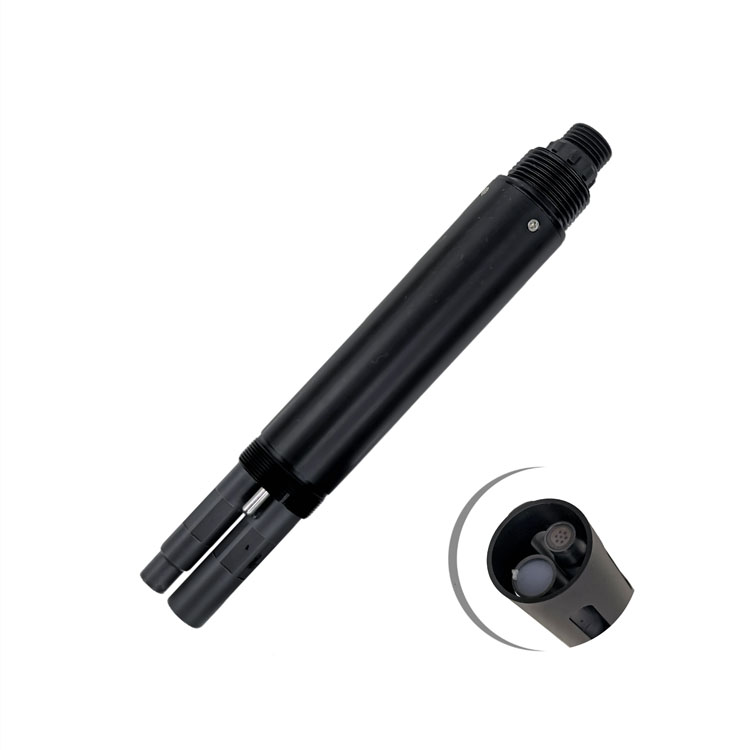
Among numerous sensor models, Arvin recommends following the “four-look” principles when selecting:
1. Look at monitoring parameters and range
Clarify core needs. Are you monitoring conventional five parameters (temperature, pressure, pH, DO, conductivity) in rivers, or heavy metals or COD in industrial wastewater? The range should cover the maximum fluctuation peak of water quality.
2. Look at installation environment
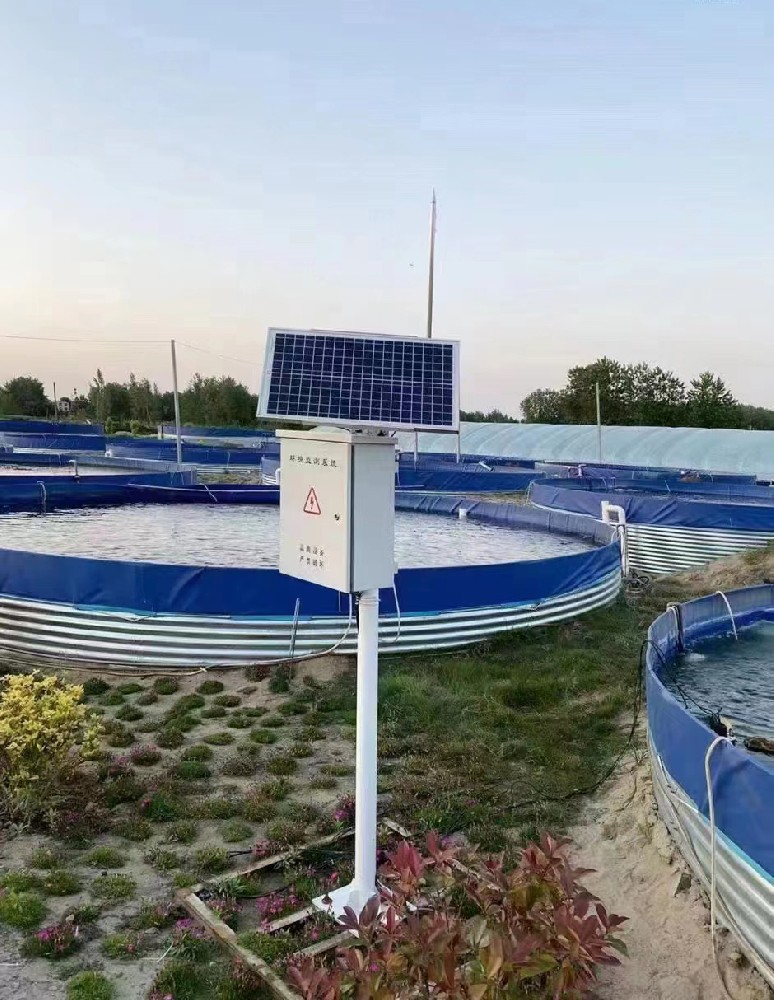
Field monitoring: Select sensors with solar power supply and low-power features, and must have strong protection rating (e.g., IP68).
High-temperature and high-pressure environments: Choose specially made models resistant to temperature and pressure for industrial processes.
3. Look at protocol compatibility
For easy integration, choose products supporting standard RS-485 (Modbus RTU) protocol or 4-20mA analog signals. NiuBoL products natively support multiple industrial protocols for seamless connection to various smart terminals.
4. Look at maintenance frequency and lifespan
Evaluate whether the sensor has self-cleaning function and replaceable electrodes. Long-life, low-maintenance products can save significant travel and labor maintenance costs in long-term operation.
Q1: How often do water quality sensors typically need calibration?
A: Calibration frequency depends on the water quality environment. In cleaner tap water, calibration every 3-6 months is sufficient; in wastewater treatment plants or heavily polluted environments, on-site verification or cleaning every 2-4 weeks is recommended.
Q2: Why does the pH sensor reading drift?
A: pH electrodes are consumables, and drift is usually caused by electrode aging, reference system contamination, or scaling. NiuBoL recommends regular replacement of electrode cores and use with self-cleaning brushes to reduce scaling impact.
Q3: Can multi-parameter sensors be flexibly combined according to needs?
A: Yes. NiuBoL’s multi-parameter system adopts a modular design, allowing users to select different sensor modules on the same monitoring bracket according to actual project needs, with extremely high flexibility.
Q4: Can solar power support long-term online operation of sensors?
A: Absolutely. NiuBoL’s low-power sensors have an average power consumption of only milliwatt level. Paired with a 60W solar panel and battery, they can ensure continuous operation for more than 7-10 days even in continuous rainy weather.
Q5: Can sensors be directly connected to PLC or SCADA systems?
A: Yes. Our sensors use standard industrial interfaces and support Modbus RTU communication, allowing direct reading into PLC registers or upload to the cloud via IoT gateways.
Q6: Will turbidity sensors be affected by color interference during measurement?
A: NiuBoL adopts 90° scattered light principle combined with near-infrared light source measurement, greatly reducing the impact of water color on turbidity values, ensuring accuracy even in colored wastewater.
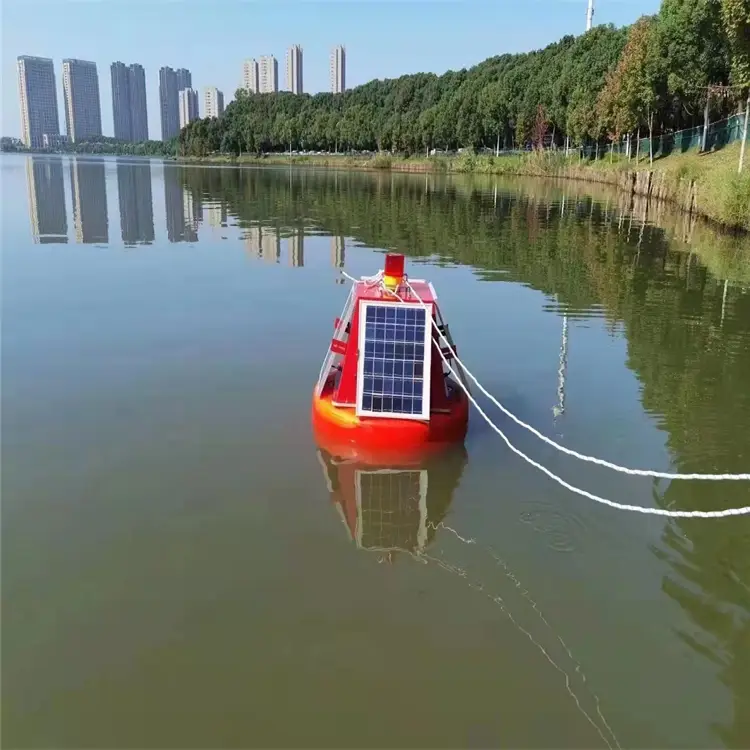
Water quality sensors are not just hardware devices but the “tentacles” for humanity to protect water resources. From basic physical parameters to complex biochemical indicators, NiuBoL continuously breaks through barriers in water environment monitoring through technological innovation. We understand deeply that every precise reading is related to the harvest of downstream farmland, compliant production in factories, and the drinking water safety of millions of households.
In the journey toward green development, the NiuBoL team is always ready to provide you with the most reliable technical support. Whether you need single sensor replacement or a complete set of automatic water quality monitoring station construction solutions, we can offer professional selection guidance.
Are you currently facing issues with large water quality data fluctuations or difficult sensor maintenance? Feel free to consult at any time.
Communication Protocols: RS-485, Modbus RTU, 4-20mA analog, SDI-12 (optional)
Power Supply Specifications: DC 12-24V or DC 5V (low-power version)
Protection Rating: IP68 (submersible type), IP65 (split transmitter)
Common Units: mg/L, NTU, μS/cm, ℃, mm, m/s
 NBL-RDO-206 Online Fluorescence Dissolved Oxygen Sensor.pdf
NBL-COD-208 Online COD Water Quality Sensor.pdf
NBL-CL-206 Water Quality Sensor Online Residual Chlorine Sensor.pdf
Related recommendations
Sensors & Weather Stations Catalog
Agriculture Sensors and Weather Stations Catalog-NiuBoL.pdf
Weather Stations Catalog-NiuBoL.pdf
Agriculture Sensors Catalog-NiuBoL.pdf
Water Quality Sensor Catalog-NiuBoL.pdf
Related products
 Combined air temperature and relative humidity sensor
 TDR Soil Moisture & Temperature Sensor for irrigation| RS485 |4-20mA| NBL-S-THR
 Soil pH sensor RS485 soil Testing instrument soil ph meter for agriculture |NBL-S-PH
 Wind Speed sensor Output Modbus/RS485/Analog/0-5V/4-20mA
 Tipping bucket rain gauge for weather monitoring auto rainfall sensor RS485/Outdoor/stainless steel
 Pyranometer Solar Radiation Sensor 4-20mA/RS485

Screenshot, WhatsApp to identify the QR code
WhatsApp number:+8615367865107
(Click on WhatsApp to copy and add friends)

