

— Blogs —
—Products—
 Consumer hotline +8618073152920
WhatsApp:+8615367865107
Address:Room 102, District D, Houhu Industrial Park, Yuelu District, Changsha City, Hunan Province, China
Product knowledge
Time:2026-08-18 09:03:00 Popularity:268
An Arduino based irrigation system should not start another watering cycle simply because the shallowest soil layer dries first. When a project monitors several depths, the controller must distinguish surface drying, wetting within the active root zone and water moving below it. Use the depth profile to evaluate the previous irrigation before allowing another event; do not average all layers into one moisture percentage.
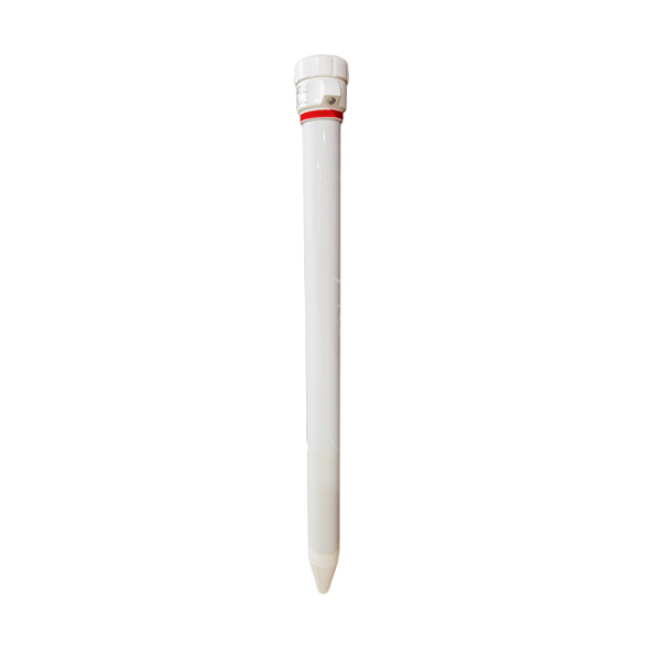
A shallow channel can identify recent wetting and surface drying. Channels within the crop's active root zone help track water availability where roots are using it. A channel below that zone can indicate downward movement that deserves investigation. These roles depend on crop development, soil horizons and emitter geometry; the deepest sensor is not automatically the most important control input.
For example, a project might observe 10, 20, 30 and 40 cm depths. If its main roots occupy the middle layers, a dry 10 cm channel alone does not establish a need to irrigate. If the 40 cm value keeps increasing after watering, inspect irrigation duration and drainage before adding more water. These are interpretation examples, not fixed crop thresholds or proof of a measured drainage volume.
The NiuBoL NBL-S-TMSMS uses a tubular FDR arrangement to measure soil moisture and temperature at configured layers. Depth options and the number of channels must be identified on the order and in the data record. A family supporting multiple configurations does not establish which layers are present in a delivered unit.
| Item | NBL-S-TMSMS specification | Control implication |
|---|---|---|
| Measured variables | Soil moisture and temperature at configured depths; up to 10 layers by configuration | Label actual depths rather than assuming register order means a particular root-zone depth. |
| Moisture performance | 0.1% resolution; stated accuracy +/-3% under laboratory conditions | Request the accuracy basis for acceptance and compare behavior in the intended soil. Resolution is not field accuracy. |
| Temperature | -40 to 80 degrees C; accuracy +/-0.5 degrees C | Retain the matching layer identity for temperature as well as moisture. |
| Power and current | 12 V DC configuration; less than 1 mA asleep and less than 70 mA sampling | Allow for active sampling load. Do not power the sensor from an unspecified controller pin. |
| Communication | RS485 Modbus RTU; default 9600 bps | Obtain the exact depth-channel register map and use a compatible RS485 interface. |
| Environmental protection | IP67 above ground; IP68 below ground | Protect joints and the controller separately, and avoid assuming the entire assembly has one burial rating. |
Water potential can answer a different question: how strongly soil holds the available water. The separate NBL-S-WPS reports kPa rather than moisture percentage. If included, give it a separate variable and decision rule. Never insert its negative-pressure value into a volumetric-moisture threshold.
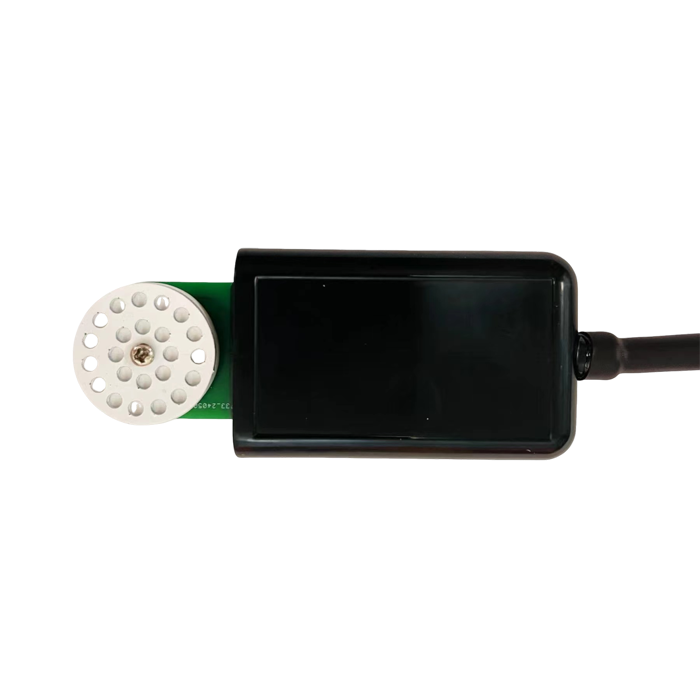
Store the value, depth, unit and validity of each channel. On every acquisition cycle, check that all channels required by the decision are current. If a required depth is missing, do not silently calculate an average from the remaining shallower values: that changes the control rule without telling the operator.
A partial response, timeout or decoding failure must not become zero moisture. Also avoid reusing an old deeper-layer value alongside a new shallow value as though they were simultaneous. Define the allowed age for a complete profile from the application's response requirements, not from an arbitrary internet example.
The controller needs a compatible RS485 interface; its UART pins are not a differential field bus. For electrical connection and actuator separation, see the RS485 soil-sensor and valve-control integration guide. The depth interpretation here is an additional control task, not a replacement for those electrical checks.
Firm contact around the tube matters because gaps can change the local response. Avoid an installation hole that becomes an unintended preferential water path. Compare neighboring inspection points when a profile wets unusually quickly or barely changes. One vertical profile still represents a local soil volume, not every emitter in a large irrigation block.
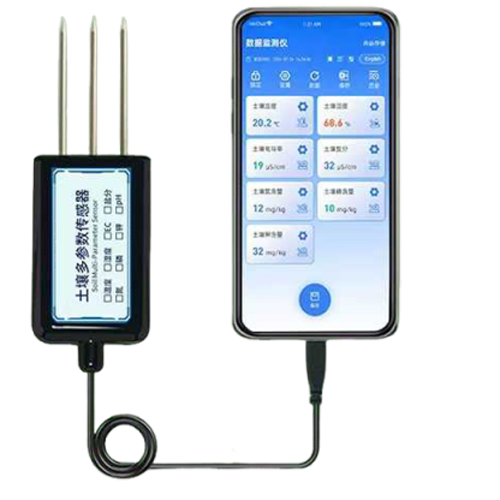
Portable USB-C soil testers, including the seven- and eight-parameter instruments illustrated here, can support separate field surveys. They do not become continuous Modbus depth sensors by connecting a different cable. Record their location and measurement time; do not splice spot measurements into an online trend without identifying the different method and depth.
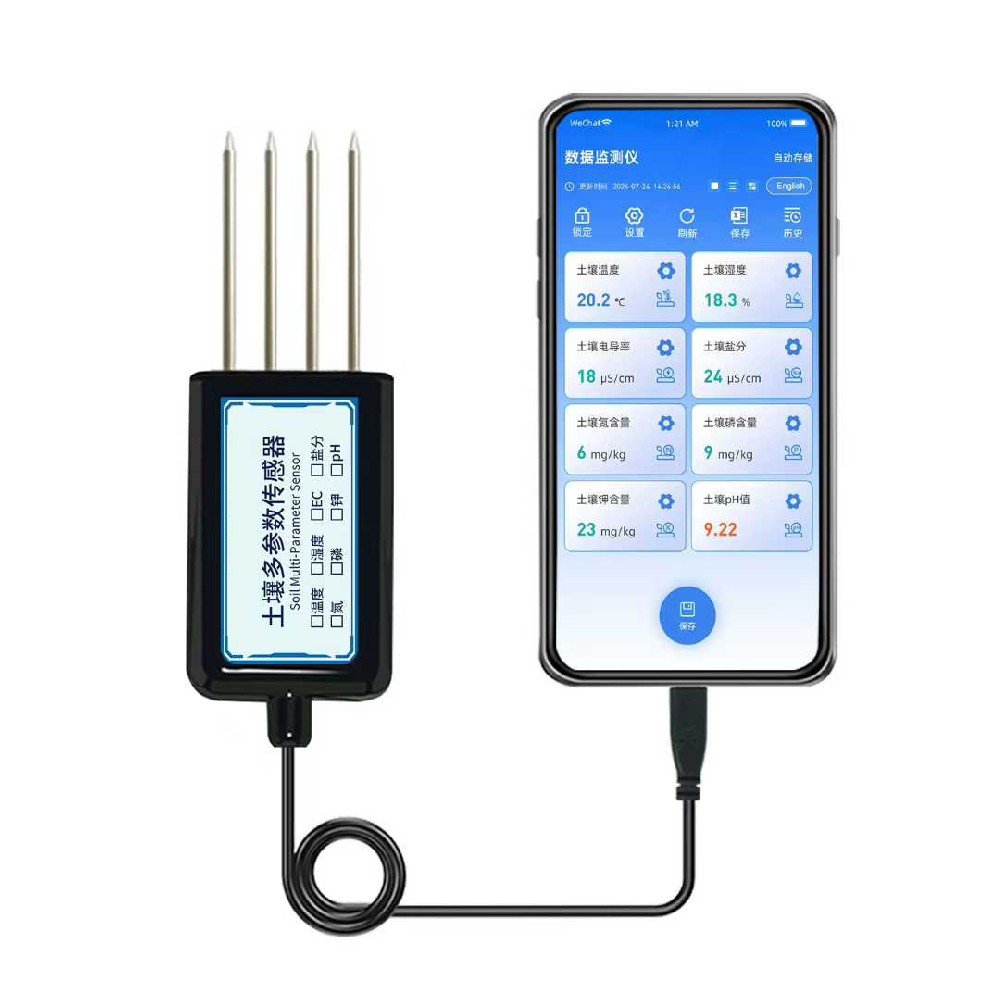
Choose the decision layer or layers from the active root zone, soil profile and observed irrigation response. A surface channel is useful context but is not a universal start input. Define the rule explicitly rather than letting the software average every installed depth.
No. It indicates a local moisture change at that depth. Interpretation requires root depth, antecedent water conditions and hydraulic context. Quantifying drainage or wasted volume requires additional measurements and a suitable water balance.
Only if the zones are sufficiently comparable for that decision, which must be demonstrated. Different soil, slope, crops or emitter performance can require separate points. Communication capacity does not establish spatial representativeness.
The controller should identify an incomplete profile and apply the site's agreed fault action. It must not substitute zero or quietly drop that channel. Test the rule with irrigation disabled before accepting unattended operation.
Provide crop, root depth, soil horizons, required layer positions, controller interface, supply and cable route. Request the register-to-depth mapping for the delivered configuration and state whether water-potential or portable survey instruments are separate items.
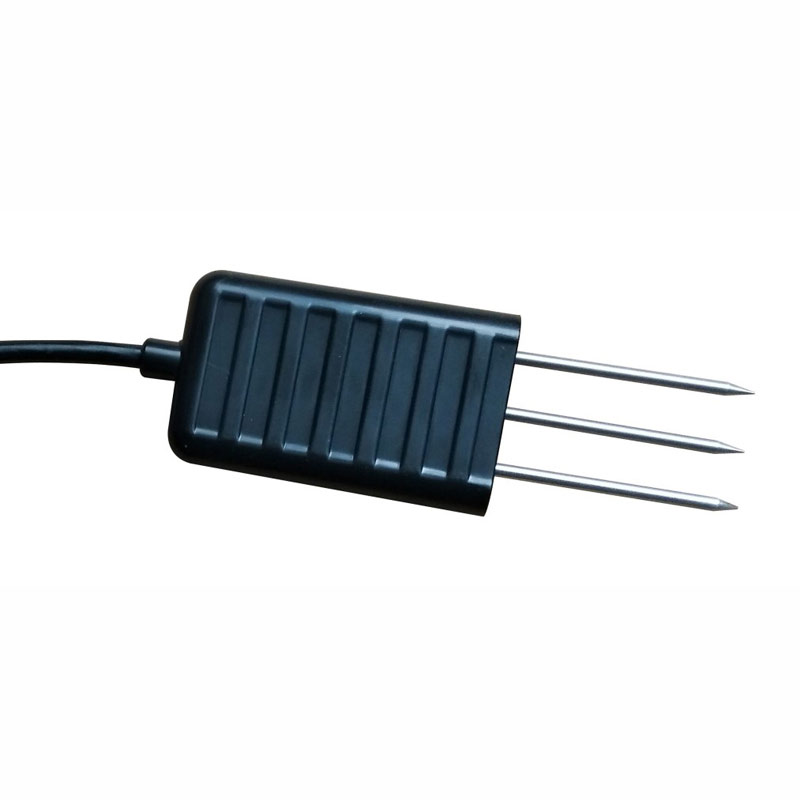
A multi-depth Arduino based irrigation system is useful when depth records change the next watering decision. Specify the required layers, retain channel validity and observe redistribution after a supervised event. NiuBoL can review the NBL-S-TMSMS depth configuration and any separate soil instruments from the crop and installation details.
Prev:Analog Anemometer: Scale and Test a PLC Wind-Speed Input
Next:CO2 Temperature Humidity Sensor Placement: Measure Representative Crop Air
Related recommendations
Sensors & Weather Stations Catalog
 Agriculture Sensors and Weather Stations Catalog-NiuBoL.pdf
Weather Stations Catalog-NiuBoL.pdf
Agriculture Sensors Catalog-NiuBoL.pdf
Water Quality Sensor Catalog-NiuBoL.pdf
Related products
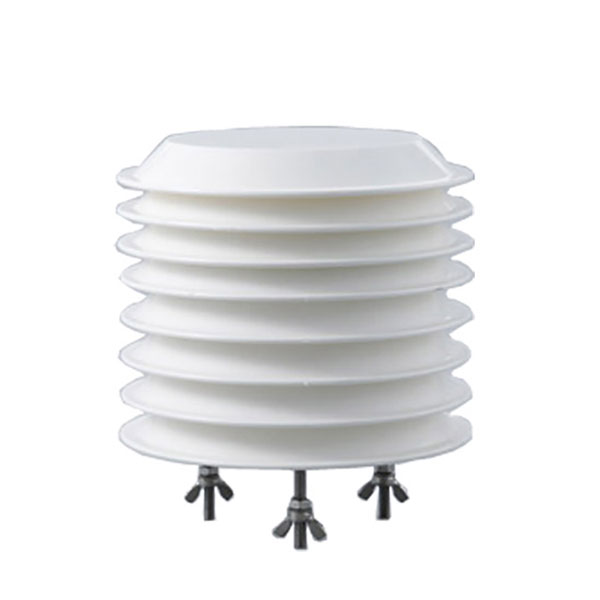 Combined air temperature and relative humidity sensor
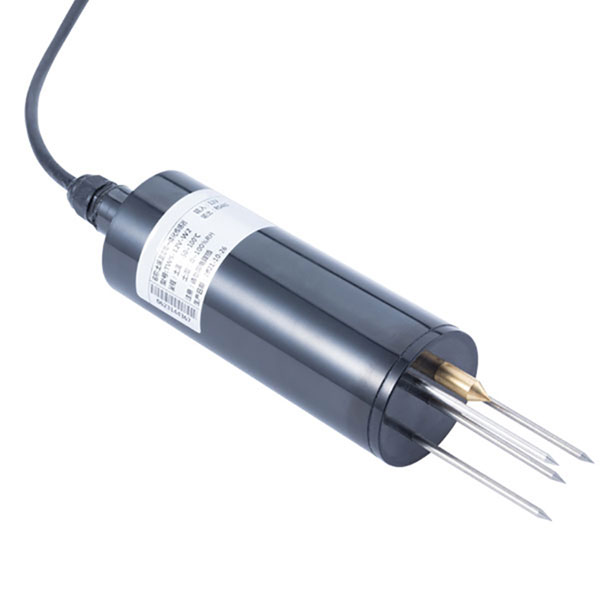 TDR Soil Moisture & Temperature Sensor for irrigation| RS485 |4-20mA| NBL-S-THR
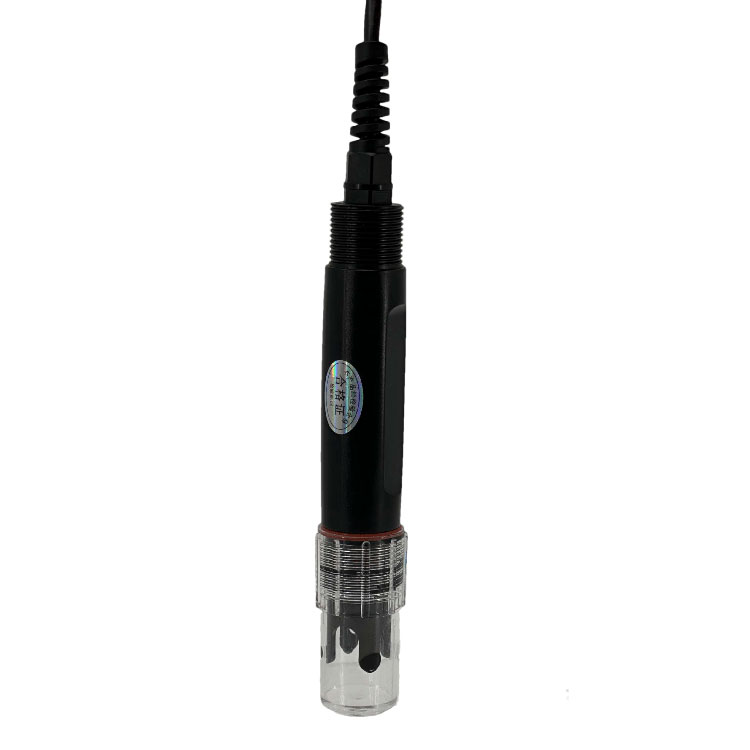 Soil pH sensor RS485 soil Testing instrument soil ph meter for agriculture |NBL-S-PH
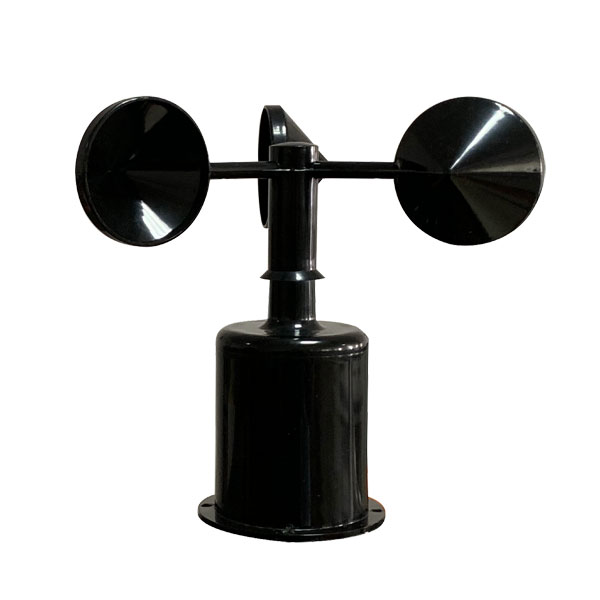 Wind Speed sensor Output Modbus/RS485/Analog/0-5V/4-20mA
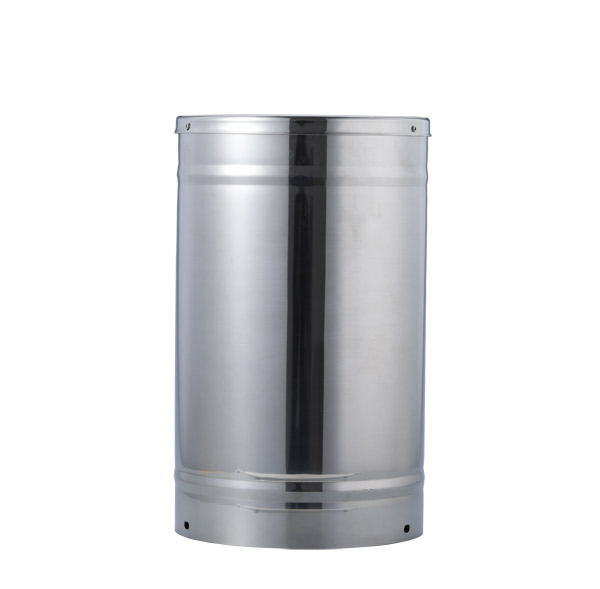 Tipping bucket rain gauge for weather monitoring auto rainfall sensor RS485/Outdoor/stainless steel
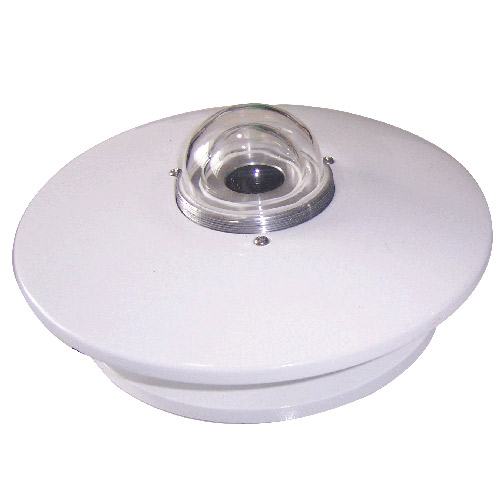 Pyranometer Solar Radiation Sensor 4-20mA/RS485


Screenshot, WhatsApp to identify the QR code
WhatsApp number:+8615367865107
(Click on WhatsApp to copy and add friends)