





— Blogs —
—Products—
 Consumer hotline +8618073152920
 WhatsApp:+8615367865107
Address:Room 102, District D, Houhu Industrial Park, Yuelu District, Changsha City, Hunan Province, China
Product knowledge
Time:2026-08-12 09:03:00 Popularity:162
An Arduino water quality sensor can be useful for prototype learning, but industrial online monitoring projects usually need a different standard of reliability. When a prototype moves toward a customer site, the buyer must review power supply, waterproof structure, cable length, calibration, signal stability, RS485 Modbus RTU communication and maintenance access.
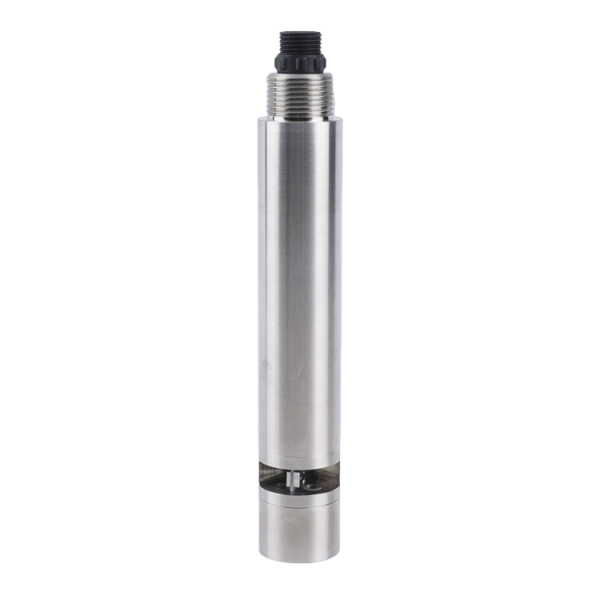
This guide explains how project teams can use prototype experience to define an industrial sensor package without carrying prototype weaknesses into a long-term monitoring system.
A prototype often proves that a parameter can be measured. A project system must prove that the measurement can be repeated, transmitted, maintained and accepted. Loose wiring, short cables, exposed boards and manual calibration may be acceptable in a bench test, but they are not enough for outdoor stations, wastewater sites or unattended platforms.
The transition plan should identify which prototype functions are needed in the final system and which parts must be replaced by industrial probes, transmitters, cabinets or gateways.
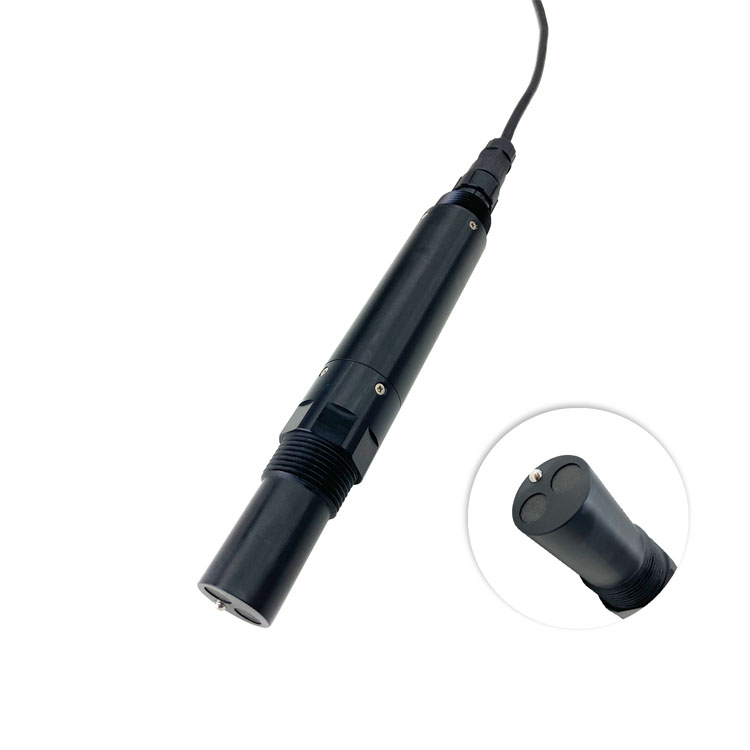
| Prototype item | Industrial project requirement | Reason for upgrade |
|---|---|---|
| Open board wiring | Sealed cabinet, terminals and protected cables | Improves safety and serviceability |
| Short sensor lead | Specified cable length and waterproof connector | Fits real tank, channel or field distance |
| Analog test signal | RS485 Modbus RTU or documented industrial output | Supports PLC, RTU, gateway and platform integration |
| Manual readings | Continuous upload, alarms and historical curves | Turns testing into operational monitoring |
| Bench calibration | Documented field calibration or verification workflow | Keeps data trusted after handover |
| USB or local display | DC 12-24V power and field terminal connection | Matches cabinet and remote-site operation |
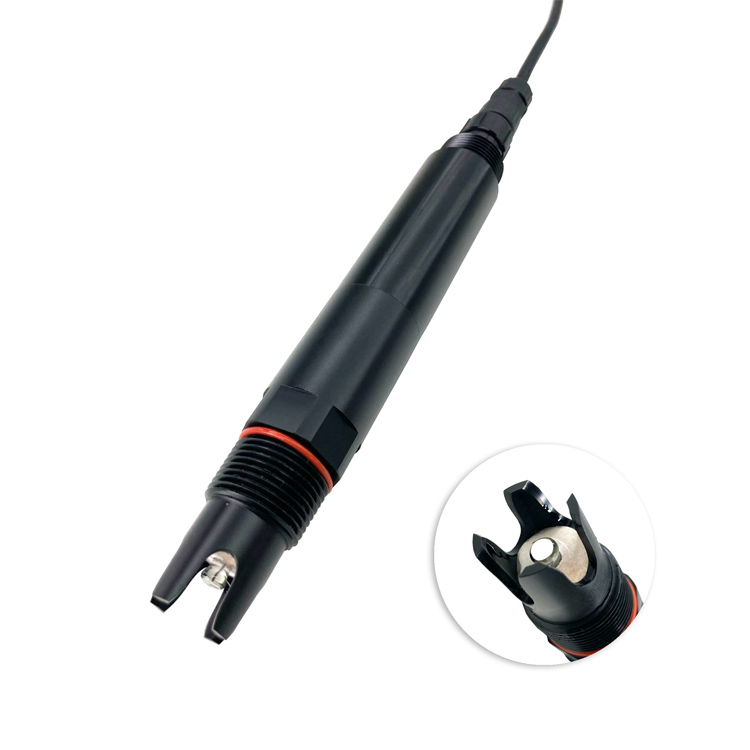
PH, conductivity, turbidity, dissolved oxygen, ORP, ammonia nitrogen and other parameters can be explored in prototypes, but the industrial version should be selected according to water matrix, range, IP68 protection, fouling risk, installation method and maintenance workload. Do not assume that a sensor suitable for a beaker will survive wastewater, aquaculture ponds or river stations.
For long-term use, the probe must be installed where the sample is representative and where staff can clean or replace it safely.
When an Arduino prototype is replaced by industrial equipment, confirm how data will enter the real control system. RS485 Modbus RTU is commonly used for field sensors because it allows documented addresses, registers, units and polling intervals. If the existing controller uses analog inputs, scaling and wiring should be recorded in the cabinet drawing.
The platform should display parameter names, units, timestamps, alarm thresholds and historical curves. This is the difference between a prototype reading and a project-ready monitoring record.
Education and pilot testing: Arduino-style testing can help teams understand parameter behavior before budget approval, but the final installation should use protected sensors and documented wiring.
Aquaculture monitoring: DO, pH and temperature alarms require stable power, waterproof installation and reliable upload, especially at night.
Wastewater or industrial sites: fouling, chemicals and electrical noise make industrial probes, grounding and cleaning access essential.
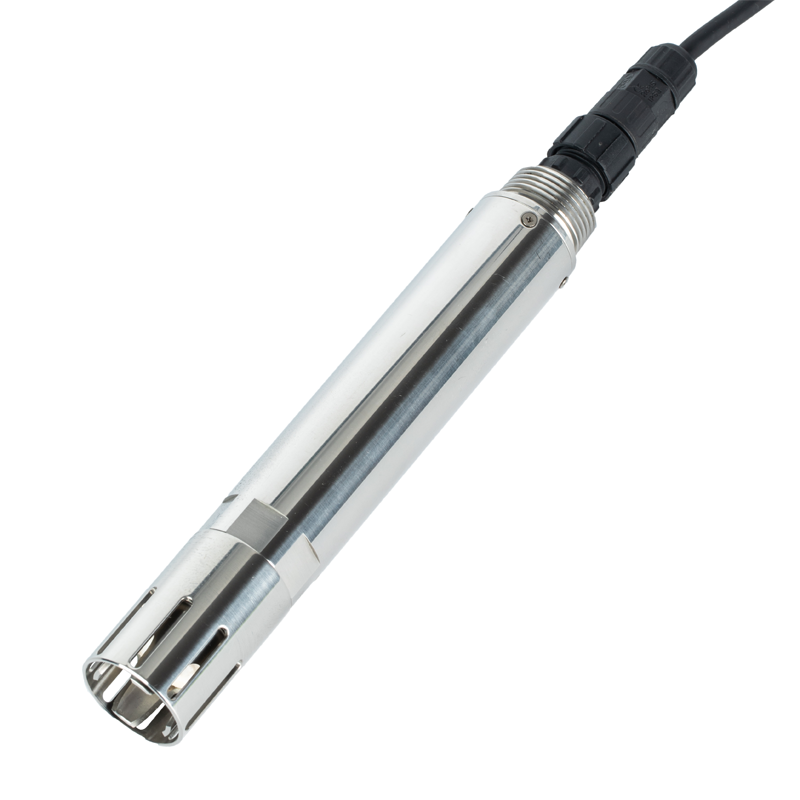
Confirm the measurement purpose, installation environment, signal output, power supply, cable route, data platform, maintenance access, and acceptance record. These details help the project team avoid field changes after procurement.
Match the communication interface, address plan, polling interval, unit display, alarm rule, and cabinet wiring with the existing gateway or controller. The integration document should be approved before site work starts.
Temperature, moisture, fouling, vibration, flow condition, cable distance, enclosure position, and service access can all affect long-term stability. The final selection should follow the real installation point, not only the catalog text.
The RFQ should include target parameter, range, output protocol, supply voltage, cable length, mounting method, enclosure requirement, quantity, project location, and any platform or data format requirement.
Acceptance should verify live value, unit, timestamp, wiring, address, platform channel, alarm action, photos, and the first stable data records. Keeping this evidence makes later operation easier to support.
Define cleaning, inspection, calibration or comparison method, spare parts, responsible team, and service interval according to the medium and site access. A clear plan reduces unexpected downtime.
Yes, but each site should use a consistent naming rule, address list, installation photo standard, and data template. This keeps commissioning and future expansion easier to manage.
NiuBoL can review the application condition, help match the sensor package, provide interface information, and support model selection for project teams that need reliable field data.
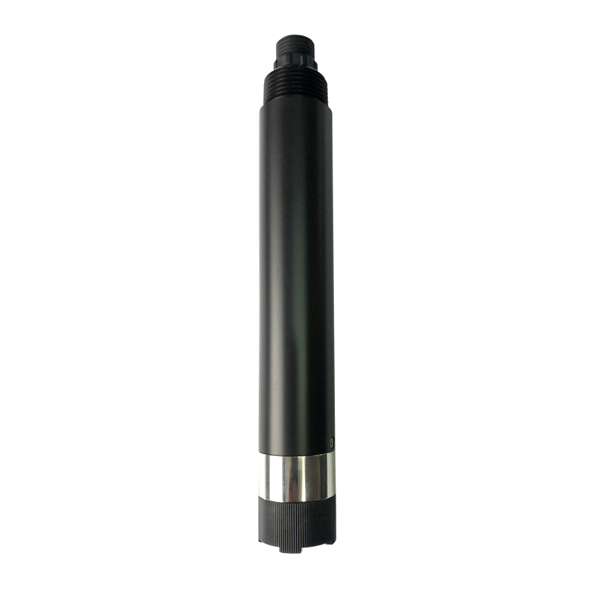
An Arduino water quality sensor is useful for learning and early validation, but project deployment needs industrial sensing hardware, protected installation, RS485 Modbus RTU or documented output, stable power, calibration records and acceptance evidence.
Prev:Professional Smart Weather Station: Weather Station Price Factors for Project Buyers
Next:Rain Gauge Cost: Price Factors, Specification Checklist and RFQ Guide
Related recommendations
Sensors & Weather Stations Catalog
 Agriculture Sensors and Weather Stations Catalog-NiuBoL.pdf
Weather Stations Catalog-NiuBoL.pdf
Agriculture Sensors Catalog-NiuBoL.pdf
Water Quality Sensor Catalog-NiuBoL.pdf
Related products
 Combined air temperature and relative humidity sensor
 TDR Soil Moisture & Temperature Sensor for irrigation| RS485 |4-20mA| NBL-S-THR
 Soil pH sensor RS485 soil Testing instrument soil ph meter for agriculture |NBL-S-PH
 Wind Speed sensor Output Modbus/RS485/Analog/0-5V/4-20mA
 Tipping bucket rain gauge for weather monitoring auto rainfall sensor RS485/Outdoor/stainless steel
 Pyranometer Solar Radiation Sensor 4-20mA/RS485

Screenshot, WhatsApp to identify the QR code
WhatsApp number:+8615367865107
(Click on WhatsApp to copy and add friends)

