





— Blogs —
—Products—
 Consumer hotline +8618073152920
 WhatsApp:+8615367865107
Address:Room 102, District D, Houhu Industrial Park, Yuelu District, Changsha City, Hunan Province, China
Product knowledge
Time:2026-08-12 09:04:00 Popularity:127
Rain gauge cost should be reviewed as the total cost of a working rainfall measurement point, not only as the unit price of the sensor. For project procurement, the final cost depends on the rainfall principle, mounting position, cable route, data logger, communication method, power supply, protection accessories, documentation and maintenance access. A low device price can still become expensive if the gauge cannot be installed correctly, if pulse scaling is not accepted by the controller, or if site staff cannot clean and verify the funnel after commissioning.
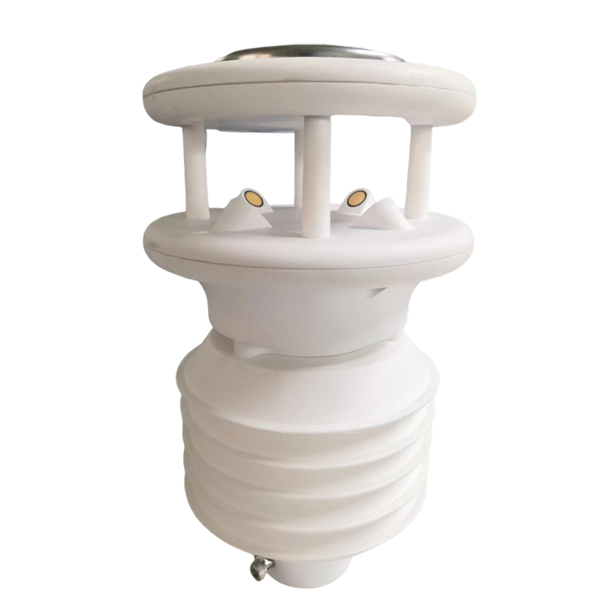
For NiuBoL rainfall monitoring projects, the practical question is: what must be included so the rain data remains reliable after the first storm season? This cost view helps contractors, distributors and system integrators compare complete packages rather than bare product names.
The first step is to define the cost boundary. Some quotations include only the rain gauge body. Others include bracket, cable, data logger, solar power, enclosure, communication module, platform connection and commissioning support. These packages are not directly comparable. A useful RFQ should separate the rainfall sensor, installation accessories, signal interface, power supply and optional data transmission scope.
Cost also depends on whether the project needs local rainfall records, alarm output, irrigation decision support, flood warning, weather station integration or environmental reporting. The same rain gauge can be suitable for several applications, but the surrounding system cost changes with the required decision workflow.

| Cost element | What to confirm | Procurement impact |
|---|---|---|
| Rain gauge body | Tipping bucket or project-specified rainfall sensor | Determines measurement method, resolution and maintenance route |
| Output signal | Pulse, RS485 Modbus RTU or logger input by selected package | Controls compatibility with PLC, RTU, gateway or data logger |
| Power design | DC 12-24 V device supply or solar station package where required | Affects cabinet design and remote-site autonomy |
| Installation hardware | Bracket, mast, level base, cable protection and grounding | Often decides field stability more than the sensor price |
| Communication | Wired logger, 4G gateway or platform upload | Adds recurring and commissioning cost where remote data is required |
| Service items | Cleaning access, spare funnel, verification record and user guidance | Reduces downtime during long-term operation |
The most common hidden cost is rework. A rain gauge that is not level, is too close to a wall, or is installed where splash and obstruction affect collection may need relocation after acceptance. Cable joints without waterproof protection can also create intermittent signals during wet weather, which is difficult to troubleshoot after the site is handed over.
Another hidden cost is interface mismatch. If the host controller expects a pulse input but the ordered package provides only a digital protocol, the installer may need an extra converter or logger. If the project requires RS485 Modbus RTU, the buyer should request the register map, baud rate, address setting method, unit definition and data update rule before shipment.
Agricultural irrigation projects: rainfall cost is linked to irrigation control logic. The buyer should confirm whether rainfall data only appears on a dashboard or whether it delays irrigation, triggers alarms or enters a water-balance report. Control use normally requires a more carefully documented signal path.
Urban drainage and flood warning: the system may need reliable upload, backup power and clear alarm thresholds. In this case, communication, enclosure quality and maintenance access should be included in the budget from the beginning.
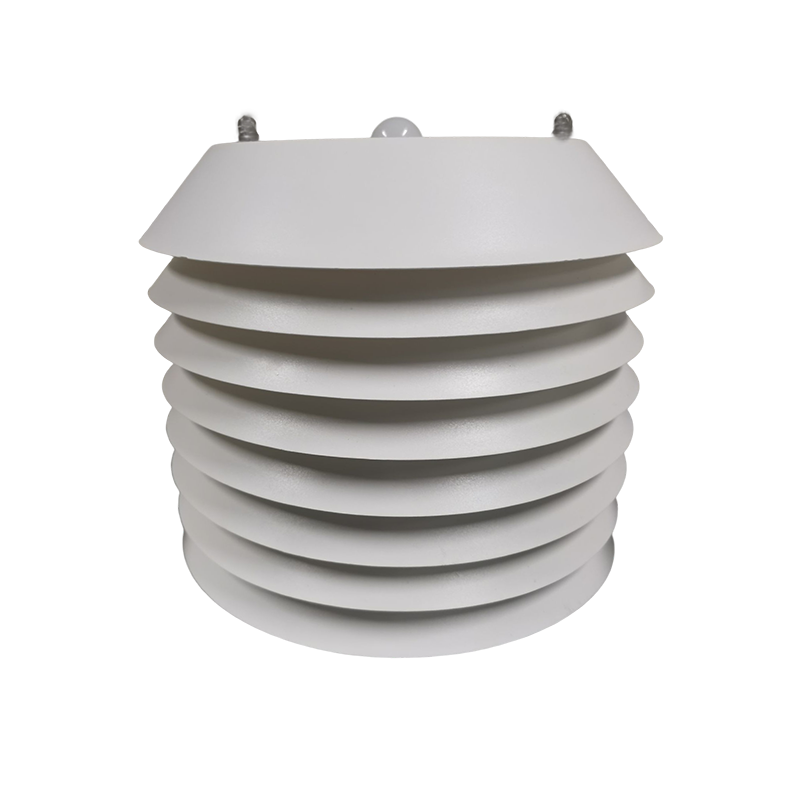
Automatic weather stations: rainfall is only one parameter in the station. Cost comparison should consider mast layout, logger channel capacity, surge protection, grounding, solar power and data platform compatibility together with the rainfall sensor.
A clear specification prevents a low initial quotation from becoming incomplete during installation. The RFQ should include the application site, rainfall measurement purpose, required output, cable length, mounting height, local power condition, communication method, platform requirement and whether installation accessories are included.
For multi-site projects, assign each monitoring point an ID, location, cable length, Modbus address or pulse channel, power source and maintenance note. This simple list helps the contractor repeat the same configuration and makes future troubleshooting easier.
Rain gauge acceptance should include a level check, wiring photo, signal test, sample rainfall count or data record, platform display and maintenance access confirmation. The handover file should show how rainfall is converted, stored and used by the owner. Without this evidence, later disputes may be about installation rather than sensor performance.
Maintenance cost is normally modest but should not be ignored. Leaves, dust, insects, snow, bird activity and construction debris can affect collection. The project should define who cleans the funnel, how often the signal is checked, and whether spare parts are stocked for remote sites.
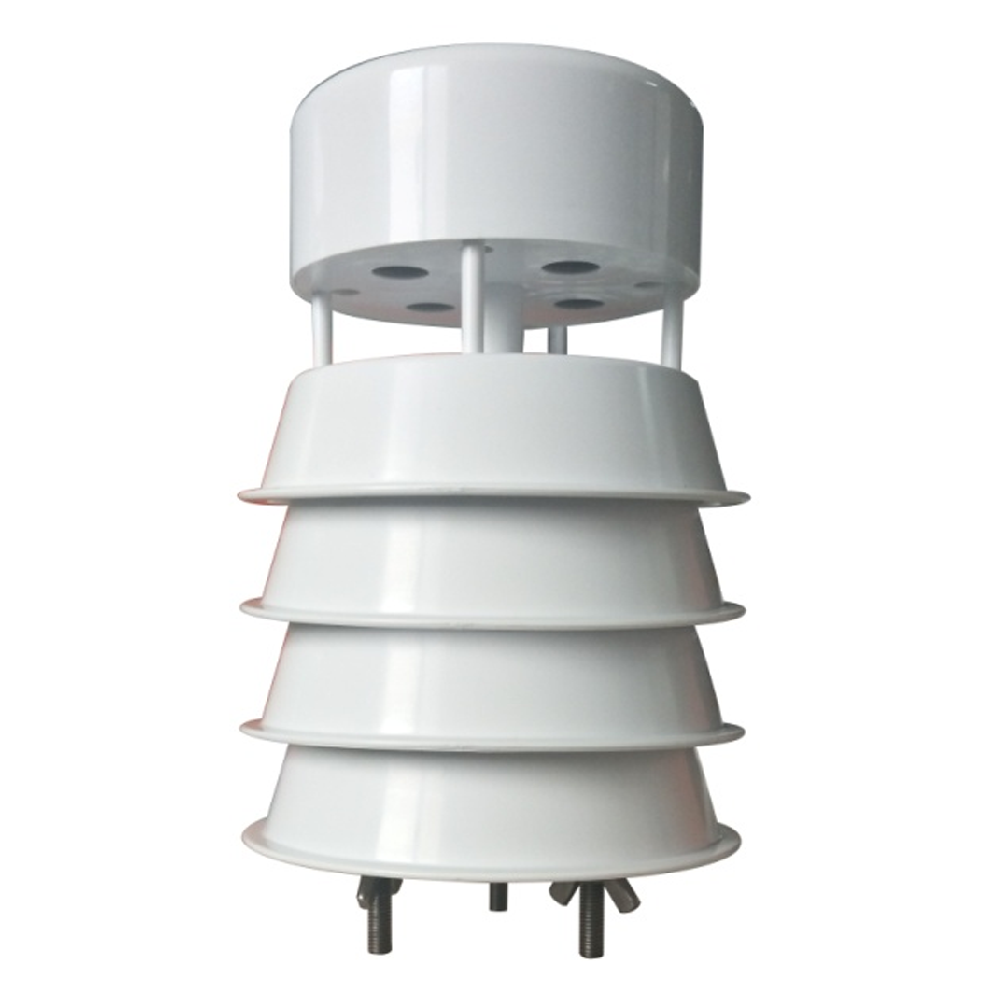
Confirm the measurement purpose, installation environment, signal output, power supply, cable route, data platform, maintenance access, and acceptance record. These details help the project team avoid field changes after procurement.
Match the communication interface, address plan, polling interval, unit display, alarm rule, and cabinet wiring with the existing gateway or controller. The integration document should be approved before site work starts.
Temperature, moisture, fouling, vibration, flow condition, cable distance, enclosure position, and service access can all affect long-term stability. The final selection should follow the real installation point, not only the catalog text.
The RFQ should include target parameter, range, output protocol, supply voltage, cable length, mounting method, enclosure requirement, quantity, project location, and any platform or data format requirement.
Acceptance should verify live value, unit, timestamp, wiring, address, platform channel, alarm action, photos, and the first stable data records. Keeping this evidence makes later operation easier to support.
Define cleaning, inspection, calibration or comparison method, spare parts, responsible team, and service interval according to the medium and site access. A clear plan reduces unexpected downtime.
Yes, but each site should use a consistent naming rule, address list, installation photo standard, and data template. This keeps commissioning and future expansion easier to manage.
NiuBoL can review the application condition, help match the sensor package, provide interface information, and support model selection for project teams that need reliable field data.
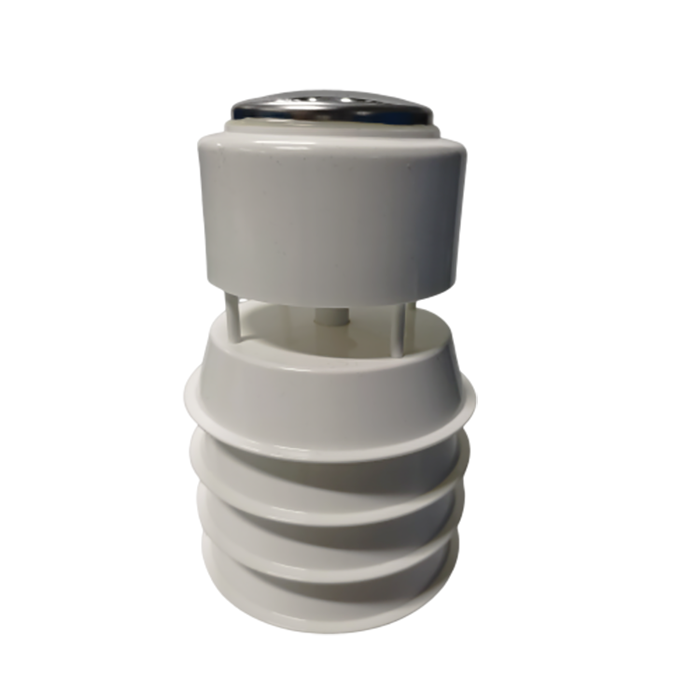
Rain gauge cost should be evaluated as a complete measurement point. The buyer should look beyond the sensor price and confirm installation hardware, signal interface, power supply, communication, acceptance evidence and maintenance plan. This approach gives contractors and project buyers a clearer budget and reduces the risk of rework after commissioning.
Prev:Arduino Water Quality Sensor: Industrial Online Water Quality Sensor Selection Guide
Next:Smart Irrigation Control Set: Soil Sensor Selection for Irrigation Projects
Related recommendations
Sensors & Weather Stations Catalog
 Agriculture Sensors and Weather Stations Catalog-NiuBoL.pdf
Weather Stations Catalog-NiuBoL.pdf
Agriculture Sensors Catalog-NiuBoL.pdf
Water Quality Sensor Catalog-NiuBoL.pdf
Related products
 Combined air temperature and relative humidity sensor
 TDR Soil Moisture & Temperature Sensor for irrigation| RS485 |4-20mA| NBL-S-THR
 Soil pH sensor RS485 soil Testing instrument soil ph meter for agriculture |NBL-S-PH Wind Speed sensor Output Modbus/RS485/Analog/0-5V/4-20mA
 Tipping bucket rain gauge for weather monitoring auto rainfall sensor RS485/Outdoor/stainless steel
 Pyranometer Solar Radiation Sensor 4-20mA/RS485

Screenshot, WhatsApp to identify the QR code
WhatsApp number:+8615367865107
(Click on WhatsApp to copy and add friends)

