





— Blogs —
—Products—
 Consumer hotline +8618073152920
 WhatsApp:+8615367865107
Address:Room 102, District D, Houhu Industrial Park, Yuelu District, Changsha City, Hunan Province, China
Product knowledge
Time:2026-08-12 09:00:00 Popularity:133
A COD sensor used for discharge acceptance must be specified around evidence, repeatability and data traceability. The project is not only asking whether a sensor can show a COD-related value; it needs a monitoring point that supports early warning, trend review and documented handover for wastewater discharge management.
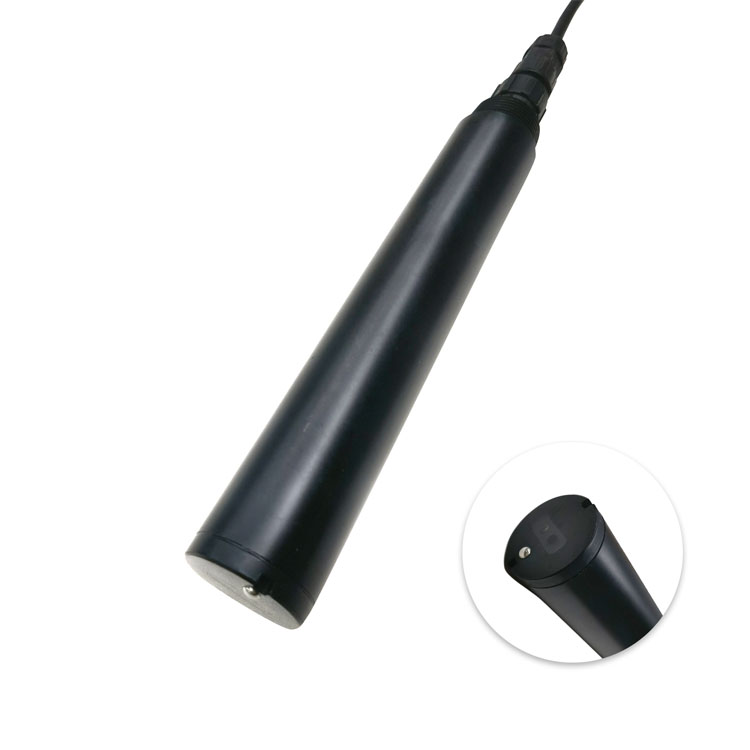
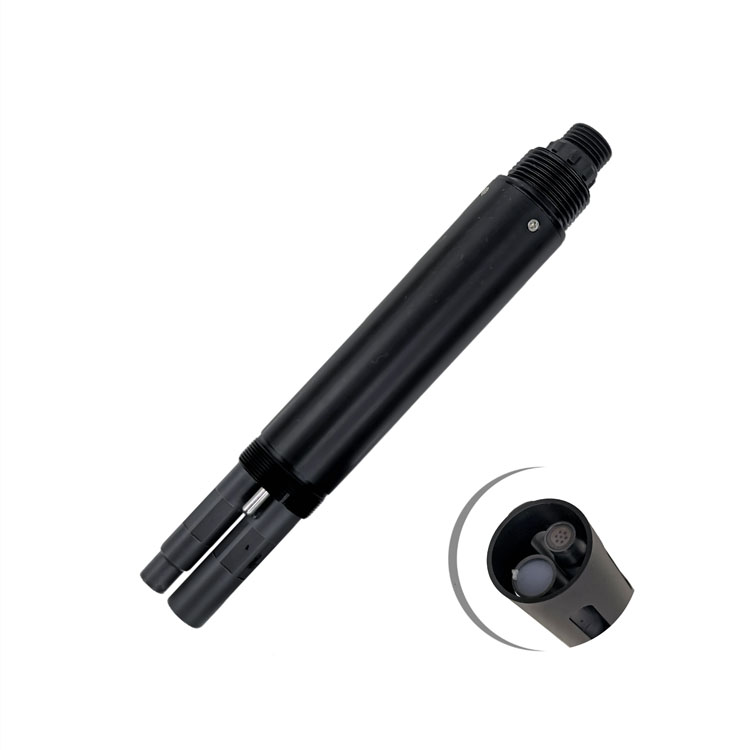
For NiuBoL projects, the COD sensor package should define the measuring principle used by the selected model, installation point, cleaning access, RS485 Modbus RTU data mapping, alarm logic and the relationship between online trends and any required laboratory reference checks.
Discharge acceptance projects need clear data purpose. Online COD monitoring can show trend changes, abnormal discharge, treatment variation and alarm events. It should not be described as a replacement for every laboratory or regulatory method unless the project requirement explicitly says so. The specification should state how online data will be used by the owner.
Define whether the COD sensor supports internal operation, customer reporting, early warning or platform records. This choice affects alarm threshold, sampling point, data interval and acceptance documents.
| Checklist item | Project requirement | Acceptance value |
|---|---|---|
| Sampling point | Representative outlet, channel or flow-through position | Ensures the value reflects the discharge decision |
| Measuring range | Selected according to expected COD variation | Avoids overload or poor resolution near alarm limits |
| Power supply | DC 12-24V cabinet or station supply | Matches field terminal and backup power plan |
| Output | RS485 Modbus RTU or compatible signal output | Supports PLC, RTU, gateway or platform integration |
| Cleaning access | Safe retrieval, wiping or maintenance method | Protects data continuity in fouling water |
| Evidence file | Live data, alarm record, installation photo and comparison note | Supports handover and later review |
The COD sensor should be placed where the sample represents the discharge stream. Avoid dead zones, sediment pockets, direct chemical dosing points, bubbles and locations where grease or debris quickly blocks the optical path. If a flow-through structure is used, confirm stable flow and cleaning access.
Industrial wastewater may contain color, suspended solids, oil, surfactants or chemicals that affect online readings. These site factors should be discussed before the quotation is finalized so the selected package includes suitable installation and maintenance guidance.
The data chain should be documented from sensor to platform. Confirm sensor ID, Modbus address, register map, unit, decimal position, polling interval, alarm threshold and platform label. If the data enters a third-party platform, test one live record before handover.
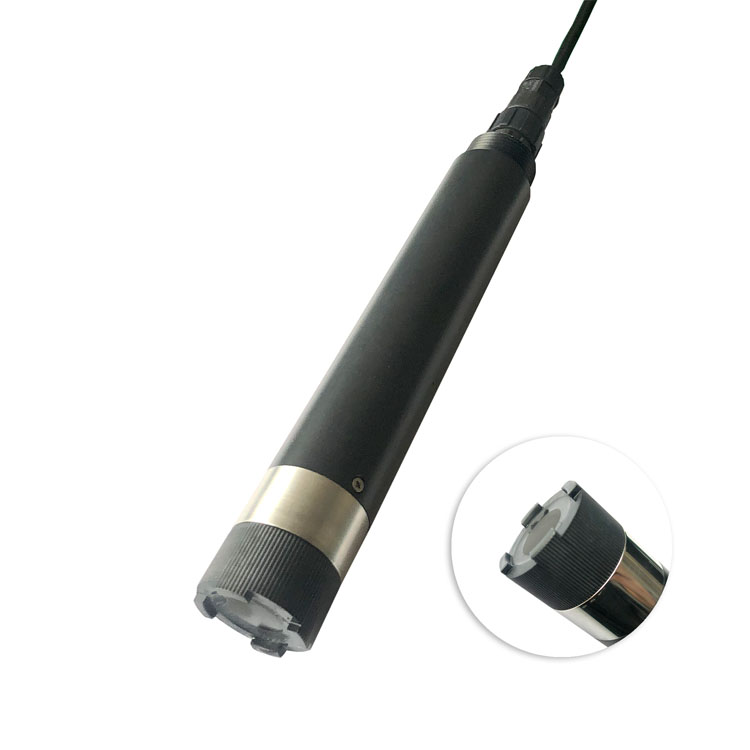
Online COD trend data becomes more useful when operators record cleaning, abnormal events, maintenance visits and reference checks in the same project file. This keeps later interpretation grounded in site evidence.
COD monitoring points require planned inspection. Fouling, scaling, bubbles, window contamination and cable faults can change readings. The buyer should define who cleans the sensor, who reviews drift, and what action is taken when COD rises above the operating limit.
For multi-site discharge projects, use the same channel naming, unit, data interval and alarm logic where possible. Standardization helps owners compare sites and reduce commissioning mistakes.
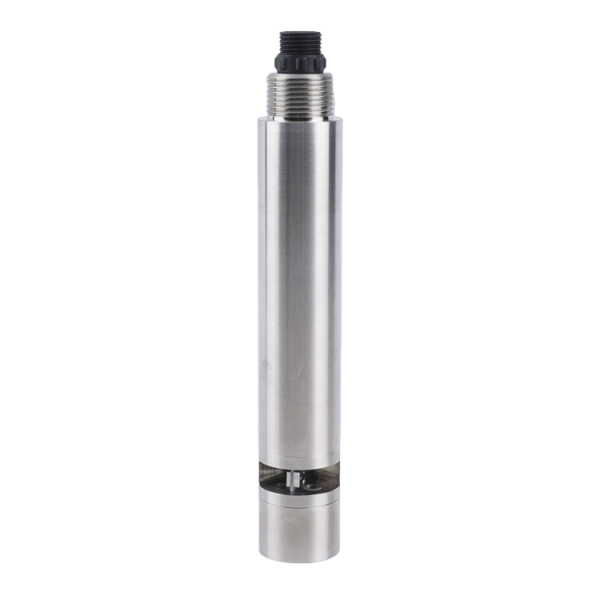
Confirm the measurement purpose, installation environment, signal output, power supply, cable route, data platform, maintenance access, and acceptance record. These details help the project team avoid field changes after procurement.
Match the communication interface, address plan, polling interval, unit display, alarm rule, and cabinet wiring with the existing gateway or controller. The integration document should be approved before site work starts.
Temperature, moisture, fouling, vibration, flow condition, cable distance, enclosure position, and service access can all affect long-term stability. The final selection should follow the real installation point, not only the catalog text.
The RFQ should include target parameter, range, output protocol, supply voltage, cable length, mounting method, enclosure requirement, quantity, project location, and any platform or data format requirement.
Acceptance should verify live value, unit, timestamp, wiring, address, platform channel, alarm action, photos, and the first stable data records. Keeping this evidence makes later operation easier to support.
Define cleaning, inspection, calibration or comparison method, spare parts, responsible team, and service interval according to the medium and site access. A clear plan reduces unexpected downtime.
Yes, but each site should use a consistent naming rule, address list, installation photo standard, and data template. This keeps commissioning and future expansion easier to manage.
NiuBoL can review the application condition, help match the sensor package, provide interface information, and support model selection for project teams that need reliable field data.
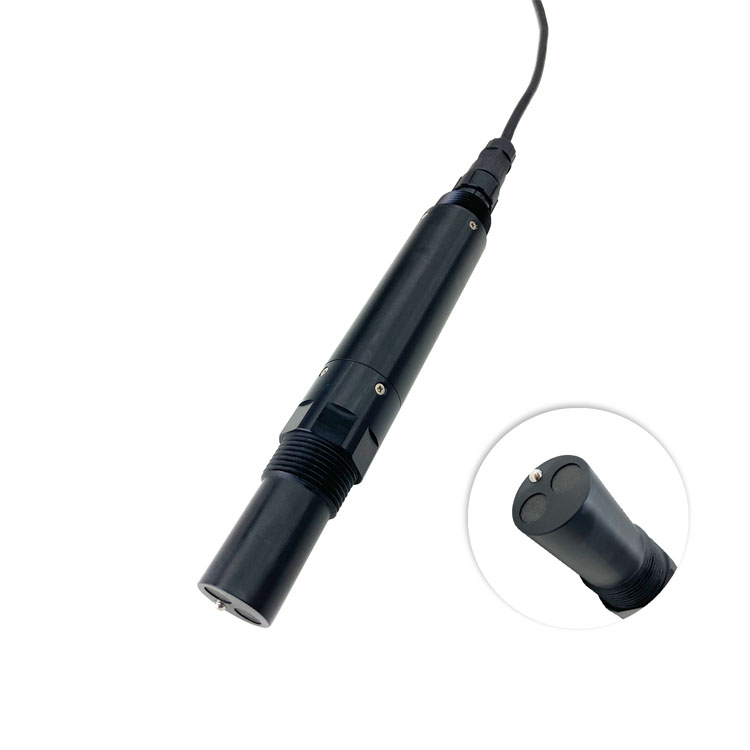
A COD sensor for discharge acceptance should be specified around sampling point, measurement range, RS485 Modbus RTU mapping, cleaning access, alarm logic and evidence records. This gives project teams a stronger basis for trend monitoring and handover than a generic sensor quotation.
Prev:Frequently Asked Questions About Pest Monitor for Farms: Field Trap Layout for Farm Monitoring
Next:Online Water Quality Sensor: Parameter Package Selection for Online Water Quality Projects
Related recommendations
Sensors & Weather Stations Catalog
 Agriculture Sensors and Weather Stations Catalog-NiuBoL.pdf
Weather Stations Catalog-NiuBoL.pdf
Agriculture Sensors Catalog-NiuBoL.pdf
Water Quality Sensor Catalog-NiuBoL.pdf
Related products
 Combined air temperature and relative humidity sensor
 TDR Soil Moisture & Temperature Sensor for irrigation| RS485 |4-20mA| NBL-S-THR
 Soil pH sensor RS485 soil Testing instrument soil ph meter for agriculture |NBL-S-PH
 Wind Speed sensor Output Modbus/RS485/Analog/0-5V/4-20mA
 Tipping bucket rain gauge for weather monitoring auto rainfall sensor RS485/Outdoor/stainless steel
 Pyranometer Solar Radiation Sensor 4-20mA/RS485

Screenshot, WhatsApp to identify the QR code
WhatsApp number:+8615367865107
(Click on WhatsApp to copy and add friends)

