





— Blogs —
—Products—
 Consumer hotline +8618073152920
 WhatsApp:+8615367865107
Address:Room 102, District D, Houhu Industrial Park, Yuelu District, Changsha City, Hunan Province, China
Product knowledge
Time:2026-09-13 11:00:00 Popularity:23
A smart aquaculture water-quality project should be specified as an operating system for the pond, not as an isolated probe purchase. The design must connect representative measuring points, mounting hardware, protected power, a controller or RTU, RS485 Modbus RTU data mapping, local records, alarm delivery and maintenance access. NBL-WQ-MPS-5A online multi-parameter self-cleaning water quality sensor is a practical field reference where its measuring principle, range, wetted materials and interface suit the actual pond conditions.
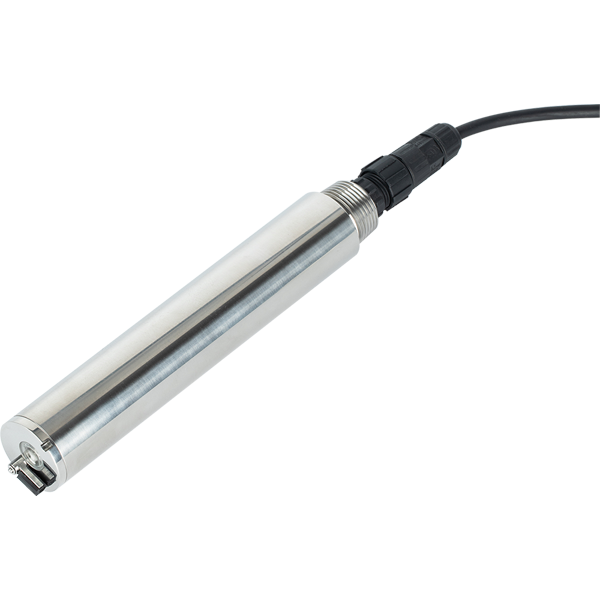
Start with the pond layout, stocking and feeding plan, aeration zones, seasonal water changes and the action expected from each alarm. A dissolved-oxygen warning may trigger an aerator check, while an abnormal pH or ammonia trend may require sampling confirmation, feeding review or water exchange. These operating responses determine the number and depth of measuring points, whether telemetry is required, and which responsibilities belong to the sensor supplier, control-panel builder and farm operator.
| Decision item | Project-specific check | Buyer value |
|---|---|---|
| System boundary | List sensor, mounting, power, controller, communication and platform scope | Avoids missing items after purchase |
| Site layout | Confirm sample point, cabinet position, cable route and service access | Improves installation reliability |
| Data path | Verify value at sensor, controller and platform | Catches scaling and timestamp errors |
| Operation | Assign alarm review, cleaning and calibration responsibility | Keeps future data useful |
NBL-WQ-MPS-5A online multi-parameter self-cleaning water quality sensor is the field instrument for smart aquaculture water quality monitoring system. The controller or RTU handles display, alarms, storage and platform upload, so the quotation should clearly state which parts are included with the sensor and which remain in the contractor scope.
For smart aquaculture water quality monitoring system, confirm RS485 Modbus RTU against the exact NiuBoL model and the host device used in aquaculture. The file should state address, baud rate, parity, stop bit, function code, register, data type, decimal scaling and engineering unit. If an existing panel requires 4-20 mA, verify that option on the selected model before the cabinet is built.

| Parameter | Verified or product-family specification | Procurement meaning |
|---|---|---|
| Measurable parameters — focus: Smart Aquaculture Water Quality Monitoring System Pond Project Selection Guide | Dissolved oxygen, COD, pH, ORP, conductivity/salinity, ammonia nitrogen, turbidity and temperature | Use when several parameters must share one underwater installation point |
| Output signal — focus: Smart Aquaculture Water Quality Monitoring System Pond Project Selection Guide | RS485 Modbus RTU | Direct digital connection to controller, RTU, data logger or gateway |
| Supply voltage — focus: Smart Aquaculture Water Quality Monitoring System Pond Project Selection Guide | 12 VDC +/-5% | Verify voltage drop because the self-cleaning mechanism increases load |
| Power consumption — focus: Smart Aquaculture Water Quality Monitoring System Pond Project Selection Guide | 5 W at 12 V | Include cleaning duty in solar or battery sizing |
| Cleaning — focus: Smart Aquaculture Water Quality Monitoring System Pond Project Selection Guide | Automatic cleaning, configurable interval and cycle | Reduces fouling risk in long-term stations |
| Cable — focus: Smart Aquaculture Water Quality Monitoring System Pond Project Selection Guide | 5 m standard, customizable | Confirm site distance before quotation |
| Application | Field environment challenge | System integration solution | User value |
|---|---|---|---|
| Aquaculture for smart aquaculture water quality monitoring system | Fouling, changing water chemistry and limited service access | Use the selected NiuBoL sensor with defined mounting, cleaning and protocol settings | Better alarm relevance |
| Surface-Water Monitoring for smart aquaculture water quality monitoring system | Old PLC or RTU input restrictions | Confirm RS485 Modbus RTU or analog output before cabinet design | Less commissioning rework |
| Wastewater Treatment for smart aquaculture water quality monitoring system | Representative sampling under variable flow | Set the point, depth or sample flow in the drawing | More defensible acceptance |
| Drinking-Water Projects for smart aquaculture water quality monitoring system | Need for trend evidence rather than one manual test | Store timestamped data with maintenance records | Lower support cost over the project life |
Not every site should use the same smart aquaculture water quality monitoring system configuration. High suspended solids may require self-cleaning, low-turbidity drinking-water lines may favor flow-through turbidity measurement, and remote stations may require low-power instruments plus solar power. For aggressive wastewater, confirm wetted material and cleaning access. For procurement, the important point is to describe the application condition in the RFQ rather than asking for a generic water-quality instrument.
For the smart aquaculture water quality monitoring system RFQ, list water type, range, site point, cable length, signal output, controller or platform, documentation, quantity and delivery destination. For smart aquaculture water-quality systems, quote the NBL-WQ-MPS-5A sensor, mounting, controller, communications and calibration scope as separate deliverables so package comparisons remain valid.
Acceptance should confirm the physical installation, live value, correct engineering unit, timestamp, historical storage, alarm action and comparison method. For smart aquaculture water quality monitoring system, the first-day record should include photos, wiring, Modbus address, register mapping, calibration or comparison record and operator responsibility. These documents are more valuable than a generic certificate when the site later reports abnormal data.
The smart fishery source focuses on continuous pond observation, remote data and alarm response. The engineering review uses that material to define a pond monitoring system from sensor to platform.
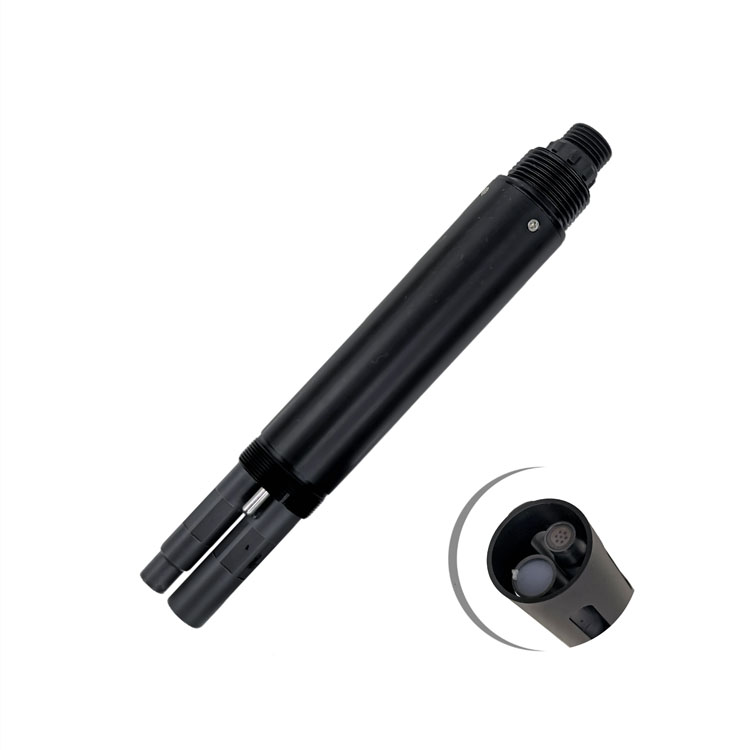
Its core content is system architecture: parameter selection, station power, RS485 wiring, gateway upload, alarm routing and service access for muddy, biologically active pond water.
| Check item | What to verify | Why it matters |
|---|---|---|
| Water matrix for smart aquaculture water quality monitoring system | pH, temperature, salinity, suspended solids, color, oil, disinfectant or biological fouling | Interference and maintenance interval depend on the medium |
| Installation for smart aquaculture water quality monitoring system | Immersion depth, flow cell, pipe tap, bracket, anti-fouling access and cable protection | Mechanical details determine whether the reading is stable |
| Data integration for smart aquaculture water quality monitoring system | RS485 address, Modbus RTU settings, register map, scaling, unit and alarm logic | Avoids commissioning disputes between supplier and integrator |
| Acceptance for smart aquaculture water quality monitoring system | Reference method, comparison instrument, first-day readings and maintenance record | Creates evidence for project handover |
For smart aquaculture water quality monitoring system, a multi-parameter package is useful when the selected parameters share the same location and maintenance team. It reduces brackets, cable runs and platform integration work, but it also concentrates risk at one measuring point. If pH, DO, turbidity, ammonia nitrogen and conductivity need different hydraulic conditions, separate sensors may still be the better engineering decision.
For smart aquaculture water quality monitoring system, the buyer should define the parameter list before choosing hardware. Additional smart aquaculture water quality monitoring system parameters add value only when an operator, controller or report will use the data. A station that measures ten values but has no alarm rule, no maintenance plan and no acceptance method is harder to defend than a smaller station with clean responsibilities.
For this smart aquaculture water quality monitoring system request, the quotation should be treated as a technical boundary document. A practical quotation for smart aquaculture water quality monitoring system should identify the boundary of supply in one place. Write whether the offer includes only the sensing probe, or also the controller, protective holder, flow cell, mounting bracket, cable extension, junction box, RTU, data logger, gateway, solar power, platform configuration, calibration solution, spare parts and commissioning support. For smart aquaculture water quality monitoring system, an explicit NBL-WQ-MPS-5A supply boundary prevents a sensor-only price from being compared with a complete station quotation.
The acceptance evidence for smart aquaculture water quality monitoring system should be equally specific. For smart aquaculture water quality monitoring system, keep parameter list, measuring point, power source, communication path, inspection access, cleaning record and platform alarm rule. The record should show the live value at the sensor or controller and the same value after transmission to the PLC, RTU, data logger or platform. If the project uses RS485 Modbus RTU, save the address, baud rate, parity, register table, decimal scaling and unit. If the project uses 4-20 mA on a selected model, save the lower and upper range values used by the PLC. These details let the owner prove that the measurement chain, not only the instrument, was accepted.
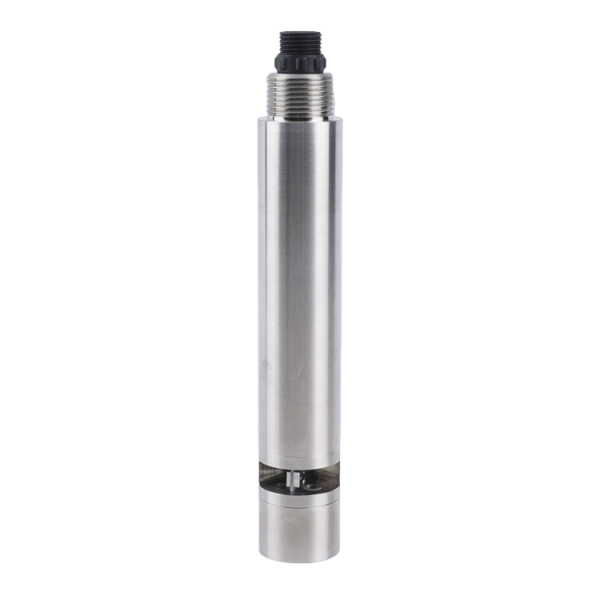
A1: For smart aquaculture water quality monitoring system, start by defining the operating decision. For smart aquaculture water quality monitoring system, define whether the data supports aeration, dosing confirmation, discharge review, water exchange, filter performance or abnormal-event warning. The required action determines range, alarm point, response time, output and maintenance access.
A2: Yes, when the selected NiuBoL smart aquaculture water quality monitoring system model supports RS485 Modbus RTU and its register definition matches the host. For smart aquaculture water quality monitoring system, the integrator should request wiring definition, communication settings, register table, scaling and example values for the exact instrument before PLC or RTU programming. For this application, apply the answer to the documented condition: pH, temperature, salinity, suspended solids, color, oil, disinfectant or biological fouling.
A3: Use 4-20 mA for smart aquaculture water quality monitoring system only when the plant standard or existing panel requires analog input. Check the selected model because some configurations are digital-only, while selected 4-series models may provide analog output with a defined measuring range.
A4: For smart aquaculture water quality monitoring system, send application, water type, expected range, required parameters, installation point, cable length, output signal, controller or platform, quantity, documentation needs, destination and whether the scope is sensor-only or a complete monitoring point.
A5: a fixed price can mislead smart aquaculture water quality monitoring system buyers because the cost changes with range, accessories, controller, gateway, software, cable, packing, support and delivery scope. A useful quotation prices the exact configuration after those fields are confirmed.
A6: Commission each point under normal pond operation and with the aerators running. Confirm that the probe depth remains representative, bubbles and sediment do not distort readings, cable joints stay dry, grounding is sound, and every value reaches the controller with the correct unit and scale. Then test alarm delay, notification delivery, operator acknowledgement and recovery after communication or power interruption.
A7: Keep the datasheet, user manual, wiring record, Modbus settings, register map, serial number, calibration or comparison record, installation photos, first readings and maintenance responsibility for the smart aquaculture water quality monitoring system point in aquaculture. These records reduce support time later.
A8: For smart aquaculture water quality monitoring system, specify cleaning, calibration or comparison interval, standard solution or spare part needs, safe access, responsible party and record format. The initial interval can be adjusted after the site shows its actual fouling and drift pattern.
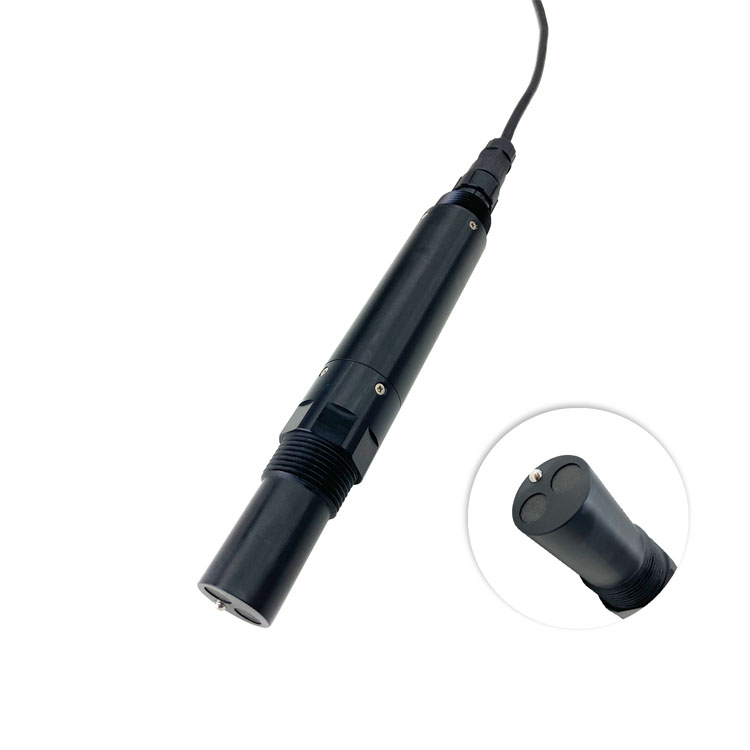
the selected Smart Aquaculture Water Quality Monitoring System project should be specified as a complete measurement chain: sensor, mounting, power, RS485 Modbus RTU mapping, host system, alarms, records and service access. Acceptance check for water-quality monitoring system: NBL-WQ-MPS-5A online multi-parameter self-cleaning water quality sensor is one part of that chain.
Prev:Aquaculture Pond Water Quality Parameters: Monitoring Scope for DO, pH and Ammonia
Next:RS485, Modbus RTU, Device Address, Registers and CRC: A Complete Sensor Communication Guide
Related recommendations
Sensors & Weather Stations Catalog
 Agriculture Sensors and Weather Stations Catalog-NiuBoL.pdf
Weather Stations Catalog-NiuBoL.pdf
Agriculture Sensors Catalog-NiuBoL.pdf
Water Quality Sensor Catalog-NiuBoL.pdf
Related products
 Combined air temperature and relative humidity sensor
 Soil Moisture Temperature sensor for irrigation|NBL-S-THR
 Soil pH sensor RS485 soil Testing instrument soil ph meter for agriculture |NBL-S-PH
 Wind Speed sensor Output Modbus/RS485/Analog/0-5V/4-20mA
 Tipping bucket rain gauge for weather monitoring auto rainfall sensor RS485/Outdoor/stainless steel
 Pyranometer Solar Radiation Sensor 4-20mA/RS485

Screenshot, WhatsApp to identify the QR code
WhatsApp number:+8615367865107
(Click on WhatsApp to copy and add friends)

