





— Blogs —
—Products—
 Consumer hotline +8618073152920
 WhatsApp:+8615367865107
Address:Room 102, District D, Houhu Industrial Park, Yuelu District, Changsha City, Hunan Province, China
Product knowledge
Time:2026-08-09 09:07:07 Popularity:116
A TDS water quality meter should be selected by the water process and not only by the displayed unit. In industrial monitoring, TDS is normally derived from conductivity, so buyers should confirm whether the project needs conductivity, TDS, salinity or a package that reports several related values.
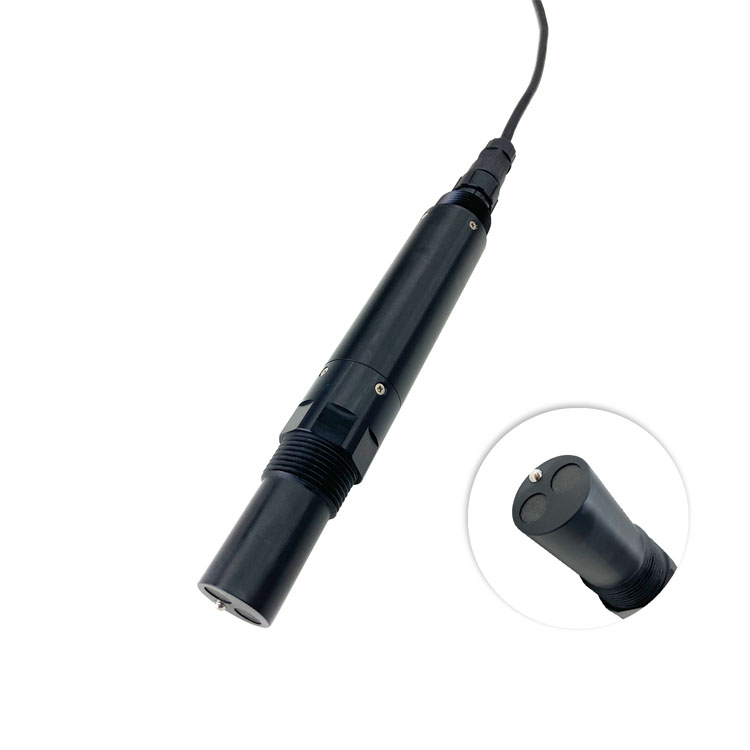
For reverse osmosis, boiler makeup water, aquaculture, irrigation water and process water, the same TDS number can support different decisions. A procurement file should state whether the value is used for alarm, quality grading, dosing, membrane protection or trend reporting. NiuBoL EC/TDS sensors can be integrated into controllers and monitoring systems when the required range, output and installation method are clear.
| Buyer question | Engineering answer | Procurement risk |
|---|---|---|
| Is TDS measured directly? | Most online devices calculate TDS from conductivity using a factor. | Wrong conversion assumptions can confuse acceptance. |
| Do I need EC or TDS? | EC is often better for process control; TDS is easier for some reports. | A display unit may not match the controller logic. |
| Where should it be installed? | At raw water, treated water, RO permeate or process return depending on decision. | A convenient point may not represent the process. |
| What output is practical? | RS485 Modbus RTU or analog output according to controller. | Integrator may not read the value. |
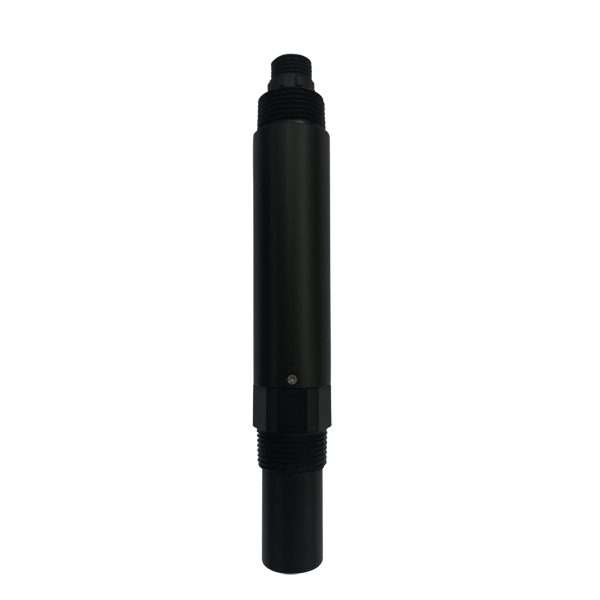
| Parameter | Typical project choice | Why it matters |
|---|---|---|
| Measuring range | Chosen by raw water, treated water, salinity or process level | Prevents poor resolution or saturated readings. |
| Output signal | RS485 Modbus RTU or 4-20 mA by selected model | Determines PLC and gateway compatibility. |
| Power supply | Common low-voltage DC panel supply | Fits industrial cabinets and field stations. |
| Temperature compensation | Required for meaningful conductivity/TDS comparison | Reduces seasonal drift. |
| Installation | Immersion, pipe, tank or flow-through point | Affects cleaning and response. |
TDS monitoring is useful when dissolved ions affect operation cost or product quality. The selected package should include the sensor, cable, output document and any controller or gateway required by the site.
| Scenario | Field challenge | System approach | Buyer value |
|---|---|---|---|
| RO system | Membrane performance depends on inlet and permeate quality | Install EC/TDS points before and after treatment | Operators see rejection trend. |
| Boiler makeup | High dissolved solids increase scaling risk | Use continuous EC/TDS monitoring and alarm | Protects downstream equipment. |
| Aquaculture | Salinity and TDS changes affect stock stress | Use conductivity/TDS with temperature context | Improves water exchange decisions. |
| Irrigation water | Salinity affects soil and crop response | Use EC/TDS monitoring with soil data | Supports water source selection. |
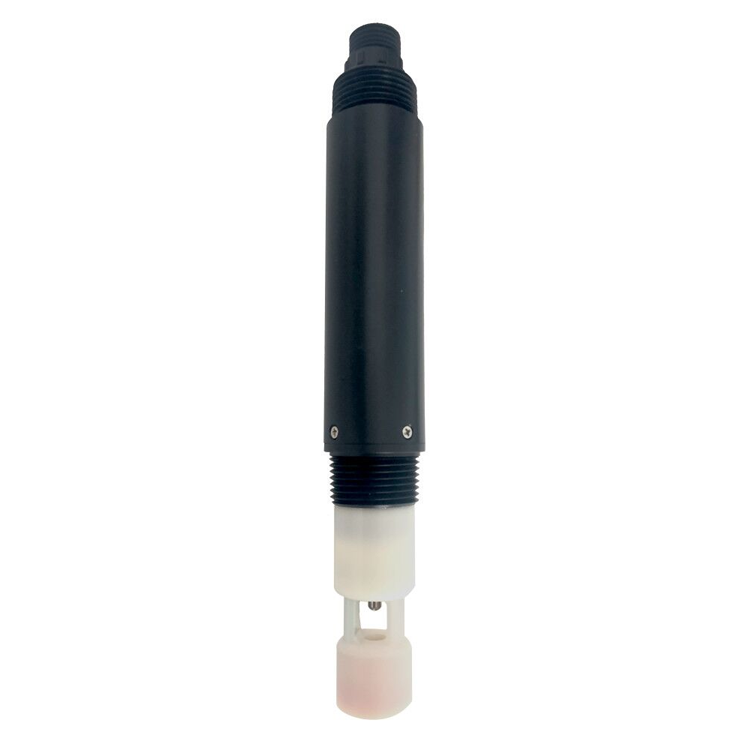
For a TDS water quality meter, a buyer should also ask how the conversion factor is handled. Different industries use different assumptions when converting conductivity to TDS. If the project owner, controller supplier and sensor supplier use different factors, the same water can appear to have different TDS values. The purchase file should state whether the displayed value is used as a trend indicator or a contractual limit.
| Boundary | What to state | Why the buyer needs it |
|---|---|---|
| Device scope | Model, measuring range, signal output, cable and manual | Defines what is included in the product line. |
| Installation scope | Bracket, flow cell, pole, cabinet, power or mounting accessories | Prevents missing site hardware. |
| Data scope | Register table, platform, logger, display or controller connection | Makes commissioning predictable. |
| Service scope | Cleaning, calibration, comparison and spare part plan | Controls lifecycle cost. |
Temperature compensation is another practical issue. Conductivity changes with temperature, so an EC/TDS sensor package should define whether temperature is measured internally, transmitted as a separate register or compensated inside the instrument. This detail is important for sites with seasonal changes, outdoor tanks or hot process water.
| Mistake | Site result | Better buying practice |
|---|---|---|
| Buying by keyword only | The quoted product does not match the real application | Write parameter, medium, range and decision use. |
| Leaving output undefined | PLC, RTU or platform cannot read the device | State RS485, analog, pulse or reporting method. |
| Ignoring installation conditions | Good hardware gives poor data | Send photos, pipe/tank drawings or field layout. |
| No acceptance method | Disputes appear after delivery | Record first live data, comparison and handover files. |
A useful RFQ states water type, normal and maximum TDS/EC, temperature, pressure if in pipe, installation method, output signal, cable length, controller type, quantity and country. Without these fields the quote may be only a meter price, not a working measuring point.
| RFQ item | What to state | Risk if missing |
|---|---|---|
| Parameter | EC, TDS, salinity or combined values | Supplier may quote the wrong model. |
| Range | Normal and peak concentration | Range mismatch affects accuracy. |
| Output | RS485, 4-20 mA or display package | Commissioning delays. |
| Installation | Immersion, pipe or flow-through | Missing accessories. |
The buying decision should connect the displayed value to a field action. If the value will control dosing or trigger an alarm, output and acceptance are more important than display appearance.
| Decision point | Buyer should define | Project value |
|---|---|---|
| Measurement purpose | Alarm, control, reporting, research or trend monitoring | Keeps the product tied to a real action. |
| Site condition | Water type, tank, field exposure, roof, pond or PV site | Controls material and installation choice. |
| Data path | Display, PLC, RTU, gateway or platform | Defines output and documents. |
| Service plan | Cleaning, calibration, inspection and spare parts | Protects lifetime data value. |
For digital systems, request the Modbus register table, address rules, baud rate and unit definition before shipment. For analog systems, request scaling in writing. Keep the first live reading and reference comparison in the handover file.
| Integration item | Detail to confirm | Acceptance evidence |
|---|---|---|
| RS485 settings | Address, baud rate, data format and registers | Controller screenshot. |
| Analog scaling | 4-20 mA range and unit | PLC scaling record. |
| Temperature | Compensation method or paired temperature value | Stable trend check. |
The same product page should help several people make a decision. The distributor needs enough context to quote, the integrator needs signals and documents, the contractor needs installation boundaries, and procurement needs comparable scope. If any one of these roles is missing information, the order can still fail even when the selected device is technically suitable.
| Role | What to check | Why it matters |
|---|---|---|
| Distributor | Clarify whether the buyer needs a single sensor, instrument package or complete station | Filter vague inquiries before quoting. |
| System integrator | Check protocol, power, wiring and register details | Prepare PLC, RTU, logger or gateway mapping. |
| Contractor | Check mounting, cable protection, cleaning access and handover evidence | Avoid field rework after delivery. |
| Procurement manager | Compare model, accessory, documentation and delivery scope | Make supplier offers comparable. |
Before approval, ask one direct question: can the installer mount it, can the integrator read it, can the operator maintain it, and can procurement prove what was supplied? If any answer is weak, the product choice is not ready. This check is simple, but it catches most hidden project risks before payment.
| Reviewer | What must be clear | Why it matters |
|---|---|---|
| Installer | Mounting point, bracket, cable and protection are clear | Site can be prepared before shipment. |
| Integrator | Output, register table, address and unit are defined | Controller work can start without guessing. |
| Operator | Cleaning, calibration or inspection interval is known | Data remains usable after commissioning. |
| Procurement | Model, accessories, documents and packing are listed | Supplier comparison is fair. |
For quotation review, separate mandatory requirements from preferences. Mandatory items include parameter, range, output, power, installation method and documentation. Preferences include display style, dashboard layout or accessory format. This distinction keeps the technical discussion focused and prevents overbuying while still protecting commissioning.
| Requirement type | Examples | Decision rule |
|---|---|---|
| Mandatory | Parameter, range, output, power, installation, document | Do not order until confirmed. |
| Project-specific | Platform, solar power, cabinet, bracket, display | Include only when the site needs it. |
| Preference | Display format, reporting layout, accessory grouping | Useful, but should not drive sensor choice. |
Conductivity and TDS probes can be affected by scaling, oil film, sediment, cable moisture and wrong temperature compensation. Cleaning frequency should match the water source, and reference checks should be recorded after installation.
| Lifecycle stage | Check item | Evidence to keep |
|---|---|---|
| Pre-order | Confirm parameter, range, output and installation point | Signed technical confirmation. |
| Installation | Check mounting position, cable sealing and power | Site photos and wiring record. |
| Commissioning | Read live value through controller or platform | Screenshot and register table. |
| Operation | Define cleaning, calibration or comparison interval | Maintenance log. |
A TDS water quality meter is not suitable when the project needs full pollutant diagnosis. It does not replace pH, DO, turbidity, COD or microbiological analysis. It is also not suitable as a control device if the site cannot confirm range and output before purchase.
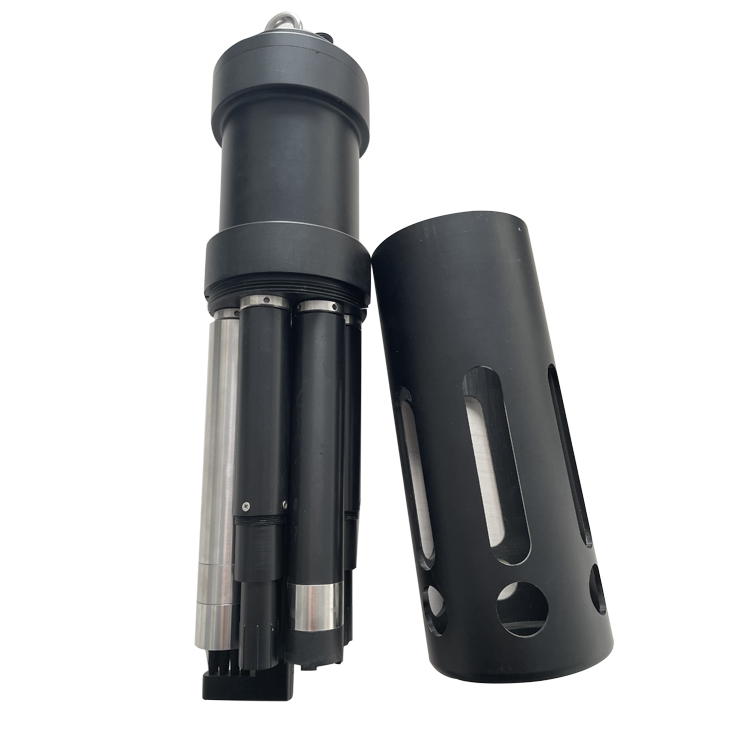
Most online TDS meters estimate TDS from conductivity. Buyers should confirm whether the project requires EC, TDS, salinity or all values.
Yes, when the selected model provides RS485 Modbus RTU or analog output accepted by the PLC. Request the register table or scaling before shipment.
Common points are raw water inlet, pre-treatment outlet, RO permeate and reject line. The point should match the decision being made.
Scaling, fouling, temperature compensation errors, cable moisture and poor cleaning are common causes.
Sensor model, measuring range, output, cable length, controller if needed, manual, protocol document and packing.
Yes, when salinity or dissolved solids affect crop or soil management. It should be interpreted with crop type and soil condition.
The interval depends on water hardness, fouling and accuracy requirement. Hard or dirty water needs more frequent cleaning.
Send water type, expected range, installation method, output requirement, cable length, quantity and delivery country.
A TDS water quality meter should be specified as an EC/TDS measuring point with defined range, output, installation and maintenance. NiuBoL can help match conductivity, TDS and salinity sensors to water treatment, aquaculture and irrigation projects.
Prev:Turbidity Sensor Arduino Projects: When to Use an Industrial RS485 Sensor
Next:TDS Meter and pH Meter Selection for Hydroponics, Aquaculture and Treatment Systems
Related recommendations
Sensors & Weather Stations Catalog
 Agriculture Sensors and Weather Stations Catalog-NiuBoL.pdf
Weather Stations Catalog-NiuBoL.pdf
Agriculture Sensors Catalog-NiuBoL.pdf
Water Quality Sensor Catalog-NiuBoL.pdf
Related products
 Combined air temperature and relative humidity sensor
 TDR Soil Moisture & Temperature Sensor for irrigation| RS485 |4-20mA| NBL-S-THR
 Soil pH sensor RS485 soil Testing instrument soil ph meter for agriculture |NBL-S-PH
 Wind Speed sensor Output Modbus/RS485/Analog/0-5V/4-20mA
 Tipping bucket rain gauge for weather monitoring auto rainfall sensor RS485/Outdoor/stainless steel
 Pyranometer Solar Radiation Sensor 4-20mA/RS485

Screenshot, WhatsApp to identify the QR code
WhatsApp number:+8615367865107
(Click on WhatsApp to copy and add friends)

