





— Blogs —
—Products—
 Consumer hotline +8618073152920
WhatsApp:+8615367865107
Address:Room 102, District D, Houhu Industrial Park, Yuelu District, Changsha City, Hunan Province, China
Product knowledge
Time:2026-08-19 09:00:00 Popularity:248
Quick Answer: A greenhouse weather station price should distinguish outdoor weather measurement from indoor crop-zone sensing and irrigation feedback. These are separate measuring locations, even when they share a controller. Compare quotations using the same point layout, sensor variables and control-system interface. A lower-priced outdoor head is not an equivalent substitute for several independent greenhouse measurements.
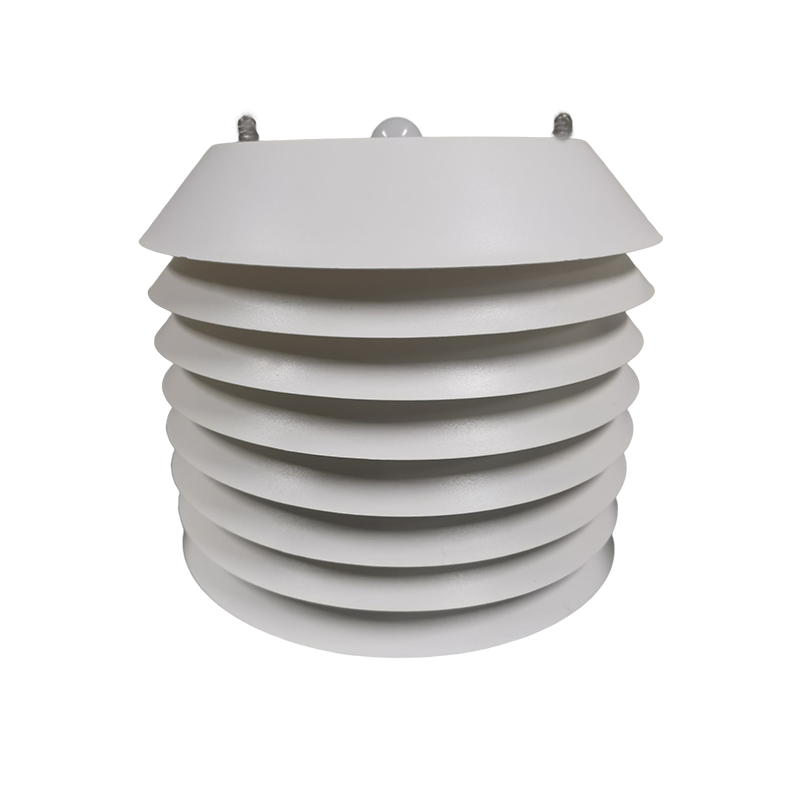
Greenhouse and irrigation projects need data that connects to operation: temperature, humidity, light, rainfall, root-zone moisture and wind exposure. The cost changes with where these variables are measured and what the receiving system must do with them. An outdoor station, an indoor climate sensor and a complete irrigation-control package can all appear under a similar quotation heading while containing different equipment.
Begin with the physical zones. Outside weather describes incoming conditions. Inside measurements describe the environment around the crop. Root-zone measurements describe the water condition at the selected depth or substrate position. One instrument cannot occupy all three places. This location distinction is often more important to the quotation than choosing a head with a larger parameter count.
There is no single project price that can be applied to every greenhouse layout. Request a current, itemised quotation once the point locations and required functions are defined. A useful comparison identifies missing equipment and installation work; an unsupported dollar range does not. Keep currencies, delivery terms and optional services consistent when comparing actual offers.
| Measuring location | Typical project question | Items affecting the quotation |
|---|---|---|
| Outdoor reference point | What wind, rain and ambient conditions are approaching the greenhouse? | Weather head or separate sensors, mounting, cable route and outdoor protection |
| Indoor crop zone | What temperature, humidity, light and CO2 conditions surround this crop? | Number of independent zones, appropriate sensing heads and protected connections |
| Root zone or substrate | Is the selected irrigation zone reaching its intended water condition? | Probe technology, installation depths, representative positions and soil/substrate checks |
| Irrigation delivery | Did the commanded watering reach the required zone? | Existing controller interface and any separately specified flow or pressure observation |
For example, three compartments operated with different crops or ventilation schedules may need three indoor measuring points plus an outdoor reference. This is a layout example, not a universal sensor quantity. A single indoor sensor might be appropriate for one well-mixed compartment; its suitability cannot be assumed for several independently managed spaces.
The NBL-W-THPLC measures temperature, humidity, pressure, illuminance and CO2. It does not measure wind or rainfall. Its illuminance output is in Lux, not photosynthetic photon flux density. If the crop-management specification requires PAR or another light quantity, include the appropriate measurement rather than treating those units as interchangeable.
The NBL-W-51MUWS combines wind speed, wind direction, temperature, humidity and pressure. It is a different five-parameter instrument from the THPLC. Comparing their prices without comparing the channel lists can remove a required measurement while appearing to preserve the same specification.
Wind and rain data may inform a greenhouse controller, but the controller still needs a defined response and compatible input. Do not assume a sensor head includes vent control, rain lockout, motor interfaces or a complete alarm function. Where the existing controller already provides these functions, price the measurement connection rather than buying them again in an unrelated platform package.
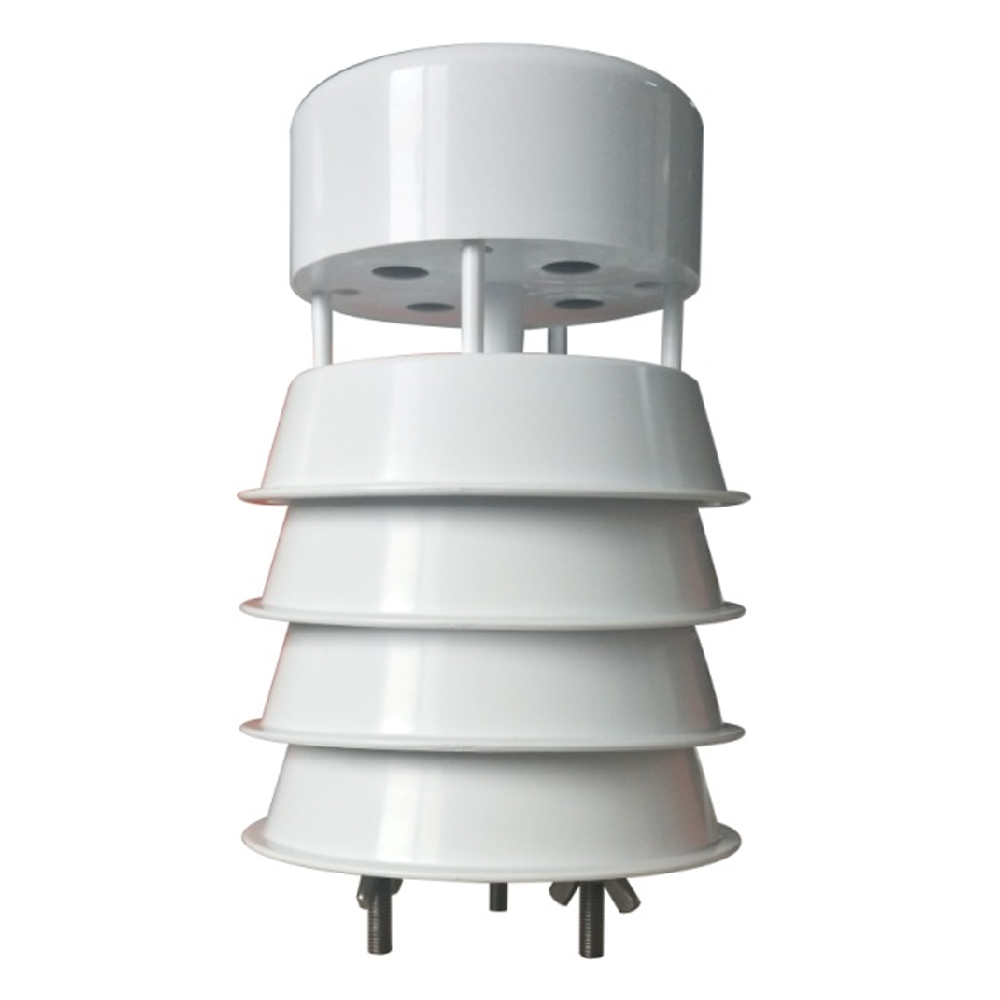
| Item | NBL-W-THPLC | NBL-W-51MUWS |
|---|---|---|
| Main channels | Temperature, humidity, pressure, illuminance, CO2 | Wind speed, wind direction, temperature, humidity, pressure |
| Selected measurement ranges | CO2: 0-2000 ppm; illuminance: 0-200000 Lux | Wind speed: 0-40 m/s; direction: 0-360 degrees |
| Supply | 12 V or 24 V DC option | 12 V DC |
| Local data connection | RS485; match the delivered Modbus RTU definition | RS485 / Modbus; match the delivered serial and register definition |
| Operating temperature | -50 to 80 degrees C | -40 to 80 degrees C |
| Mounting implication | Locate for the selected indoor environmental observation | Locate for representative outdoor airflow and weather exposure |
These are sensor comparisons, not two complete greenhouse system specifications. Match the ordered supply voltage before sharing a power rail. The THPLC's stated temperature accuracy is +/-0.5 degrees C and humidity accuracy is +/-5% RH. Confirm whether those limits satisfy the project's climate-control requirements rather than assuming that an integrated head necessarily meets a tighter control tolerance.
A rain-equipped outdoor head adds a precipitation observation. It does not measure water reaching roots inside a covered greenhouse. Rain can influence outside water availability or a control decision, while crop irrigation still depends on substrate, crop demand and the watering method. Keep these roles separate when reviewing a proposal that claims to provide irrigation scheduling.
The pictured six-in-one weather sensor adds rainfall to core outdoor weather channels. Request the precise rainfall technology and output required by the controller. If existing rainfall measurement is already serviceable, adding a second rain channel is optional rather than an unavoidable part of every upgrade.
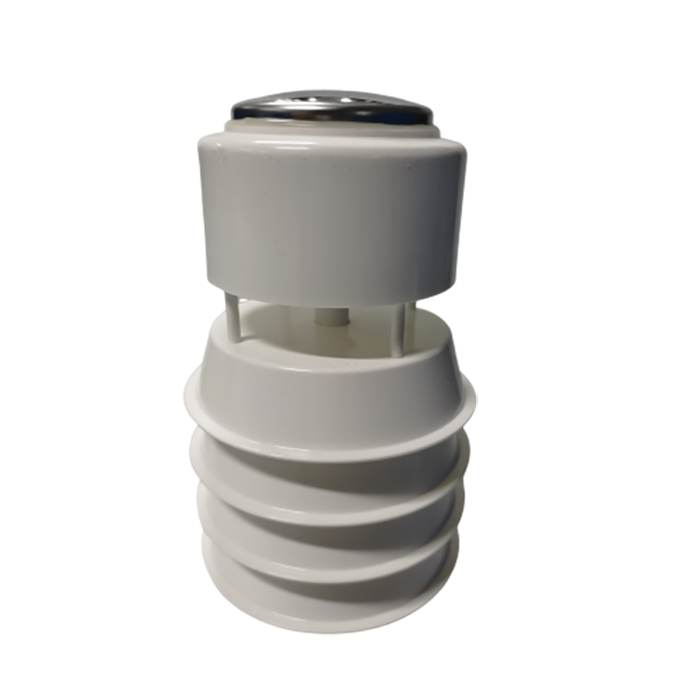
For a local control installation, the measurement path may be sensor, RS485 interface and greenhouse PLC. For a remote monitoring project, it may instead include a data logger and network gateway. State which functions already exist. RS485 Modbus RTU does not itself provide internet connectivity, a cloud account or a ready-made command to operate irrigation valves.
Ask the integrator to decode a sample reading into the receiving controller before the equipment quantity is finalised. Confirm the channel units, register scaling, update interval and unavailable-data indication. If separate compartments share a bus, assign distinct device addresses. If several cable routes need independent interfaces or isolation, include those components rather than assuming every sensor can be added to one unrestricted branch network.
A missing or stale value needs a defined control response, but the appropriate response belongs to the greenhouse control design. Do not assume that the weather head stops a motor or closes a valve when communication is lost. Request the existing controller's supported integration route and have the control engineer review the intended behaviour.
The NBL-W-71GUWS includes wind, temperature, humidity, pressure and rainfall, plus a seventh channel selected as solar irradiance or illuminance. Those light channels are alternatives in the standard configuration, not two extra measurements supplied together. State the required quantity and unit in the quotation to avoid paying for a configuration that cannot serve the intended calculation.
The NBL-W-81GUWS has core weather channels plus PM2.5, PM10 and noise. It is not simply the seven-in-one model with an additional agricultural measurement. Its standard channel list does not supply the rainfall and solar observations just described. Select it for a genuine air-quality or noise task rather than as a numerical upgrade for irrigation.
Once the required measurements are clear, compare installed cost as sensing equipment plus acquisition hardware, electrical supply, mounting, cabling and commissioning. Add any recurring platform or connection fees separately. Keep optional indoor points, spare probes and future expansion on separate lines so the base installation can be assessed without concealing exclusions.
Sensor positions must remain representative as the crop grows. Avoid placing a climate head directly in heater discharge, a fogging jet or an unusually shaded service corridor unless that is the intended observation. Multiple climate zones may justify additional points; identical greenhouse floor areas do not automatically require identical point counts.
For outdoor mounting, include the actual support and cable route, not only the bracket that attaches to the head. For indoor wiring, assess humidity, cleaning water and chemical exposure at joints and enclosures. IP65 wind-sensor protection does not specify the protection of every junction box or make the assembly suitable for immersion.
Where solar supply is needed, calculate the complete operating load. The 51MUWS's stated 0.3 W average corresponds to 7.2 Wh over 24 hours for that sensor alone. It excludes the logger, modem and electrical losses. A panel-and-battery quotation must address the local energy balance and required autonomy rather than sizing from the sensor number alone.
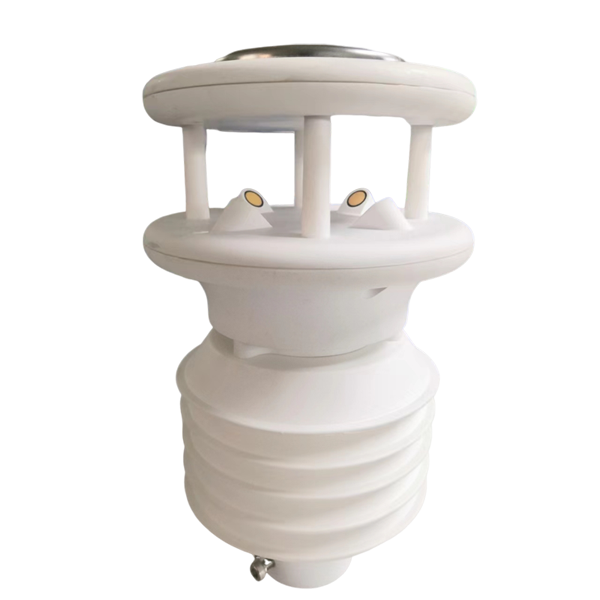
Only the items named in the quotation. Check whether it covers an outdoor sensor head, indoor measuring points, logger, gateway, power and installation accessories. Control hardware, site wiring and recurring services may be separate. Compare actual item lists rather than assuming that the word station includes them all.
One shared outdoor reference can serve several appropriate project functions, but it cannot measure the independent climate inside each compartment. Indoor point quantity follows the managed zones and required representativeness. Request a point layout before comparing equipment totals.
No. Match the channels to the task. An eight-in-one head with particulate matter and noise does not replace rainfall, solar or root-zone measurements. Likewise, Lux does not establish a PAR measurement. More channels are useful only when they answer a defined operating question.
Potentially. Reuse a compatible PLC input, power supply or data connection after checking capacity and interface support. Provide the current controller details and wiring layout so the quotation identifies reusable infrastructure instead of assuming a completely new system.
Send the compartment and irrigation-zone layout, required inside/outside variables, existing controller details and cable distances. Identify whether remote access and power equipment are needed. Ask for essential and optional items separately, with currency, validity and delivery terms stated in the current quotation.
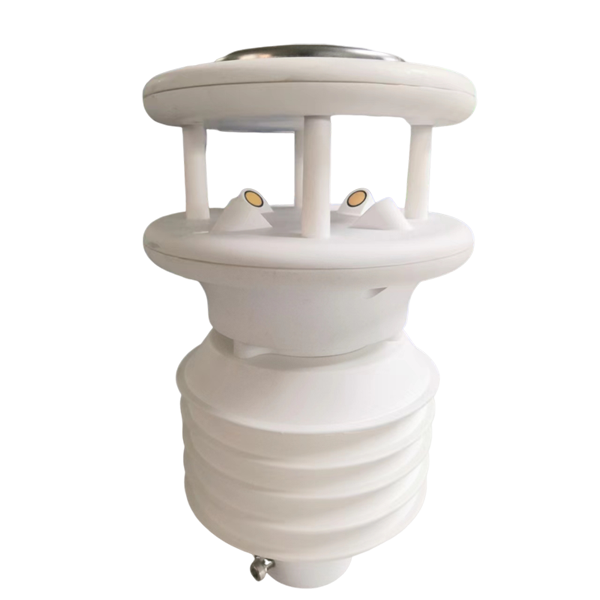
A meaningful greenhouse weather station price follows the measuring-point layout. Separate indoor climate, outdoor weather and irrigation feedback, then compare the exact channels and connection to the existing controller. NiuBoL can quote sensor and acquisition options against that layout without treating a larger parameter count as a substitute for the measurements the crop project actually needs.
Prev:Pest Monitoring System: Why Insect Traps Do Not Monitor Rodents
Next:Water Quality Sensor Site Acceptance: Tests Before Handover
Related recommendations
Sensors & Weather Stations Catalog
 Agriculture Sensors and Weather Stations Catalog-NiuBoL.pdf
Weather Stations Catalog-NiuBoL.pdf
Agriculture Sensors Catalog-NiuBoL.pdf
Water Quality Sensor Catalog-NiuBoL.pdf
Related products
 Combined air temperature and relative humidity sensor
 TDR Soil Moisture & Temperature Sensor for irrigation| RS485 |4-20mA| NBL-S-THR
 Soil pH sensor RS485 soil Testing instrument soil ph meter for agriculture |NBL-S-PH
 Wind Speed sensor Output Modbus/RS485/Analog/0-5V/4-20mA
 Tipping bucket rain gauge for weather monitoring auto rainfall sensor RS485/Outdoor/stainless steel
 Pyranometer Solar Radiation Sensor 4-20mA/RS485


Screenshot, WhatsApp to identify the QR code
WhatsApp number:+8615367865107
(Click on WhatsApp to copy and add friends)

