





— Blogs —
—Products—
 Consumer hotline +8618073152920
 WhatsApp:+8615367865107
Address:Room 102, District D, Houhu Industrial Park, Yuelu District, Changsha City, Hunan Province, China
Product knowledge
Time:2025-12-22 14:35:44 Popularity:860
In the hot summer, a sparkling swimming pool is the top choice for public cooling and fitness. However, the “clarity” seen by the naked eye is often deceptive. A swimming pool is a semi-open circulation system, constantly challenged by swimmers' sweat, oils, cosmetic residues, and dust from the air.
If water quality management is improper, it not only produces irritating chlorine odor (caused by chloramines) but may also lead to skin allergies, red eyes, or even serious bacterial infections. Therefore, transitioning from traditional “visual dosing” to data-based “precise monitoring” has become an inevitable trend in modern pool operations and maintenance. With leading sensing technology, NiuBoL Technology provides efficient and intelligent multi-parameter monitoring solutions for global pool management.
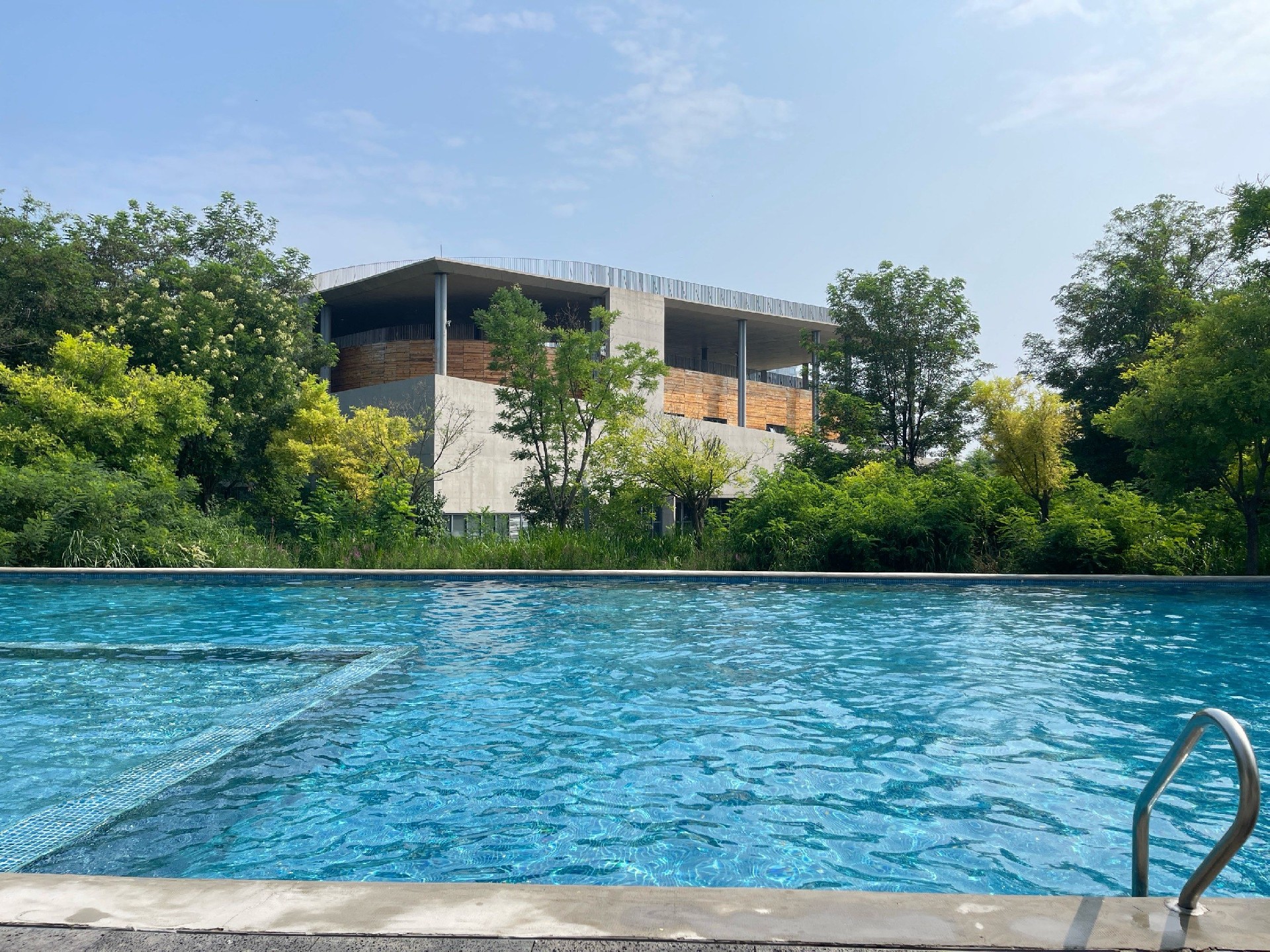
To maintain a good pool of water, one must first understand the scientific logic behind water quality indicators. Swimming pool water quality management mainly focuses on the following three dimensions:
Disinfection Efficiency: Residual Chlorine and Total Chlorine
Residual chlorine is the “main force” in pool disinfection, effectively killing pathogenic microorganisms in water. However, when residual chlorine combines with nitrogen-containing substances in water, it produces chloramines (combined chlorine), which is the culprit behind water odor and human discomfort. Monitoring residual chlorine and chloramine content is key to determining if disinfection effectiveness meets standards.
Acid-Base Balance: pH Value
pH value not only affects swimmers' skin comfort but also determines the bactericidal efficiency of chlorine agents. The ideal pool pH value is usually maintained between 7.2 and 7.8. Too low corrodes equipment and stings eyes; too high significantly reduces disinfectant activity and leads to scaling.
Sensory and Physical Characteristics: Turbidity and ORP
Turbidity reflects the amount of suspended particles in water, directly affecting visual perception; while ORP (Oxidation-Reduction Potential) is the most intuitive indicator measuring water self-purification capacity and instantaneous disinfectant activity, often regarded as the “first line of defense” for pool safety.
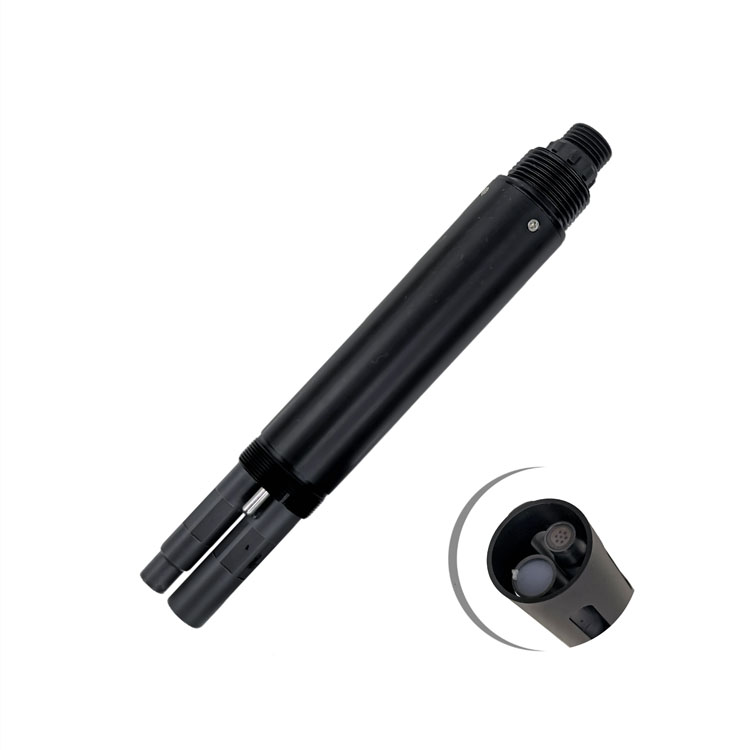
For the above indicators, NiuBoL has developed a series of high-precision, industrial-grade online sensors that form the core of the multi-parameter water quality detector.
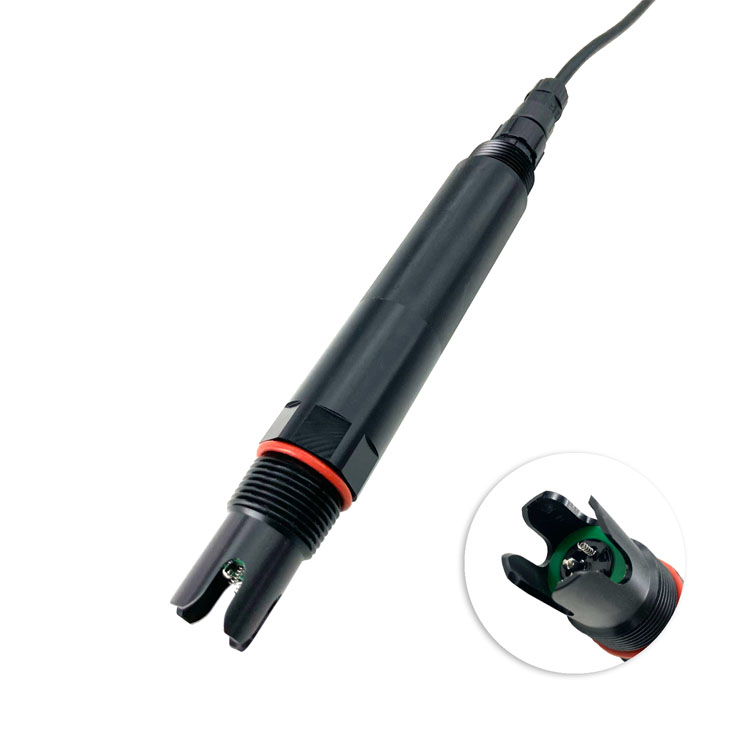
Digital pH Sensor
NiuBoL's pH sensor uses the glass electrode method with integrated automatic temperature compensation (Pt1000). Its feature is a patented long-life reference system that effectively resists interference from pool chemicals, ensuring long-term data stability.
Residual Chlorine Sensor
Unlike traditional reagent colorimetry, NiuBoL adopts the constant voltage principle for residual chlorine measurement. This method requires no reagent consumption, has extremely fast response, and can reflect subtle fluctuations in residual chlorine in real-time, making it the ideal feedback source for automated dosing systems.
ORP Oxidation-Reduction Potential Sensor
The ORP sensor measures potential difference through a platinum sensing probe. In pools, ORP value comprehensively reflects the remaining disinfectant amount and proportion of organic pollutants. Usually, when ORP reaches above 650mV, bacteria are rapidly inactivated.
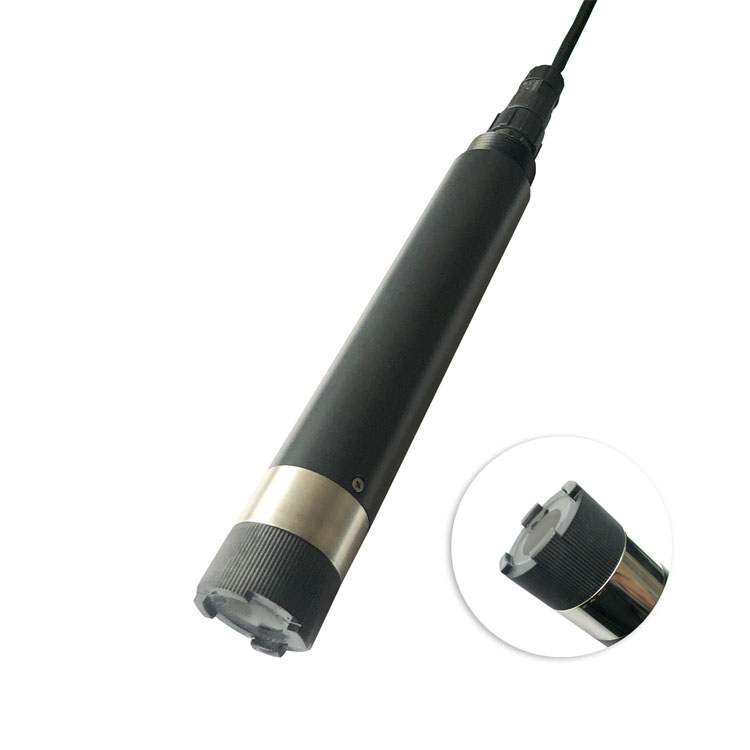
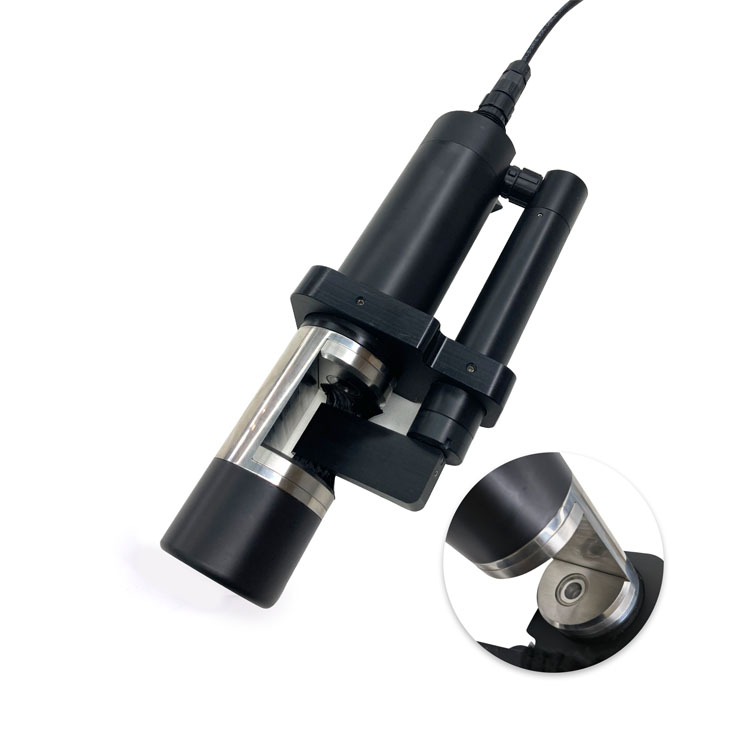
Turbidity Sensor
Adopting the 90° scattered light principle, NiuBoL turbidity sensor sensitively captures tiny suspended matter in water. Its built-in self-cleaning brush function solves measurement deviations caused by biological attachment in pool environments.
Integrating multiple sensors into a unified monitoring platform, NiuBoL multi-parameter detector demonstrates significant industry-leading advantages:
Real-Time and Warning Functions:
Traditional reagent testing only represents the “past,” while NiuBoL system provides the “present.” Once pH or residual chlorine exceeds set ranges, the system immediately triggers alarms to notify operators, preventing water quality deterioration.
Advanced Isolation of Power and Signals:
In complex pool electrical environments, equipment like water pumps and heaters often generate severe electromagnetic interference. NiuBoL detector reinforces power and signal isolation in design, ensuring sensor reading accuracy in complex electrical settings.
Extremely Low Maintenance Costs:
Thanks to sensor self-cleaning technology and industrial-grade material selection (such as 316L stainless steel, ABS material), equipment lifespan is significantly longer than ordinary consumer-grade products on the market.
Digital Integration Capability:
Supports RS-485 (Modbus RTU) communication protocol, easily integrating into smart venue management systems, supporting mobile App remote viewing and historical data recording.
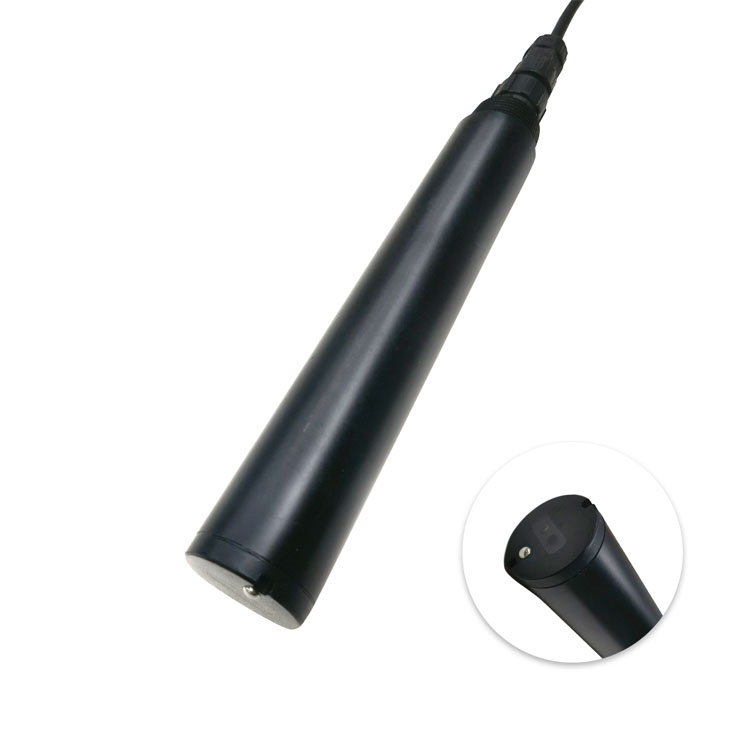
Facing numerous sensors on the market, how to choose the most suitable configuration for your pool? NiuBoL recommends the following logic:
Selection Based on Pool Nature:
Indoor Constant Temperature Pools: pH and residual chlorine are essential, with turbidity monitoring recommended, as indoor ventilation is relatively weak and water quality fluctuations are more sensitive.
Outdoor Large Water Parks: Strong sunlight causes fast chlorine volatilization; recommend ORP sensor for real-time disinfection capacity monitoring.
Selection Based on Automation Degree:
If linking automatic dosing pumps is needed, must choose digital sensors with 4-20mA or Modbus output to ensure closed-loop control system regulation.
Consider Protection Level:
Sensors installed in circulation pipelines should have pressure resistance; submersible installations must have IP68 waterproof level.
Installation Recommendations
NiuBoL recommends installing sensors on the return pipeline of the circulation system (after filtration, before heating and dosing). This measures the most representative water sample while protecting sensors from high-concentration raw chemical impact.
Daily Maintenance
Regular Cleaning: Although some sensors have self-cleaning functions, recommend manual inspection of sensing probes every two weeks for calcification scaling.
Calibration Cycle: pH electrodes recommend monthly two-point calibration. Residual chlorine sensors require initial slope correction with DPD colorimetry.
Light-Avoiding Storage: Spare electrodes should be stored in protective caps with KCl solution; strictly prohibit dry storage.
Q1: Why is ORP value high but residual chlorine detection low?
A: This may be because pH value is low, making chlorine highly active. ORP reflects oxidation capacity (sterilization speed), while residual chlorine reflects quantity. NiuBoL's multi-parameter monitor helps comprehensively analyze these two data points to find the optimal balance.
Q2: Heavy “chlorine smell” in indoor pools—too much chlorine added?
A: On the contrary, this odor is usually caused by combined chlorine (chloramines), indicating insufficient effective residual chlorine to fully oxidize organic pollutants. Precise chlorine supplementation via NiuBoL sensors effectively eliminates odor.
Q3: How far can NiuBoL sensor signals transmit?
A: Using RS-485 digital output, signal transmission distance exceeds 1000 meters with extremely strong anti-interference capability, very suitable for centralized management in large sports venues.
Q4: Can sensors resist chemical corrosion in pools?
A: Yes. NiuBoL's selected housing materials (such as ABS or 316L) and seals undergo corrosion resistance testing, long-term resisting sodium hypochlorite, sulfuric acid, and other chemicals.
Q5: Does the multi-parameter detector require dedicated operation?
A: No. NiuBoL system uses menu-based Chinese/English operation interface; after installation, it runs automatically. Non-professionals can perform daily data viewing and maintenance after simple training.
Q6: What is the practical significance of turbidity sensors for pool management?
A: Turbidity directly indicates filter (such as sand cylinder) working status. If post-filtration turbidity remains high, it indicates need for backwashing or filter material replacement.
Maintaining swimming pool water quality is not only a technical task but also a responsibility. Through providing a full series of digital water quality sensors for pH, residual chlorine, ORP, turbidity, etc., NiuBoL Technology transforms complex chemical analysis into transparent digital management.
In the future, smart pools will no longer rely solely on manual experience but achieve automatic sensing, decision-making, and chemical dosing through multi-parameter water quality monitors. Choosing NiuBoL means installing an all-weather “health monitoring expert” for your swimming pool, ensuring every swimmer enjoys safe and clean waters.
 NBL-RDO-206 Online Fluorescence Dissolved Oxygen Sensor.pdf
NBL-COD-208 Online COD Water Quality Sensor.pdf
NBL-CL-206 Water Quality Sensor Online Residual Chlorine Sensor.pdf
Prev:Core Indicator of Smart Water Quality Monitoring: Introduction to NiuBoL Water Conductivity Sensor
Related recommendations
Sensors & Weather Stations Catalog
Agriculture Sensors and Weather Stations Catalog-NiuBoL.pdf
Weather Stations Catalog-NiuBoL.pdf
Agriculture Sensors Catalog-NiuBoL.pdf
Water Quality Sensor Catalog-NiuBoL.pdf
Related products
 Combined air temperature and relative humidity sensor
 TDR Soil Moisture & Temperature Sensor for irrigation| RS485 |4-20mA| NBL-S-THR
 Soil pH sensor RS485 soil Testing instrument soil ph meter for agriculture |NBL-S-PH
 Wind Speed sensor Output Modbus/RS485/Analog/0-5V/4-20mA
 Tipping bucket rain gauge for weather monitoring auto rainfall sensor RS485/Outdoor/stainless steel
 Pyranometer Solar Radiation Sensor 4-20mA/RS485

Screenshot, WhatsApp to identify the QR code
WhatsApp number:+8615367865107
(Click on WhatsApp to copy and add friends)

