





— Blogs —
—Products—
 Consumer hotline +8618073152920
 WhatsApp:+8615367865107
Address:Room 102, District D, Houhu Industrial Park, Yuelu District, Changsha City, Hunan Province, China
Product knowledge
Time:2026-05-26 14:20:03 Popularity:413
In municipal sewage and industrial wastewater treatment projects, dissolved oxygen (DO) is the most core control variable in the biochemical reaction stage. The energy consumption of the aeration system usually accounts for 40% to 60% of the entire sewage treatment plant operating costs. Therefore, achieving precise online dissolved oxygen monitoring is not only related to the compliance of effluent water quality but also the key to realizing energy saving and consumption reduction in sewage plants.
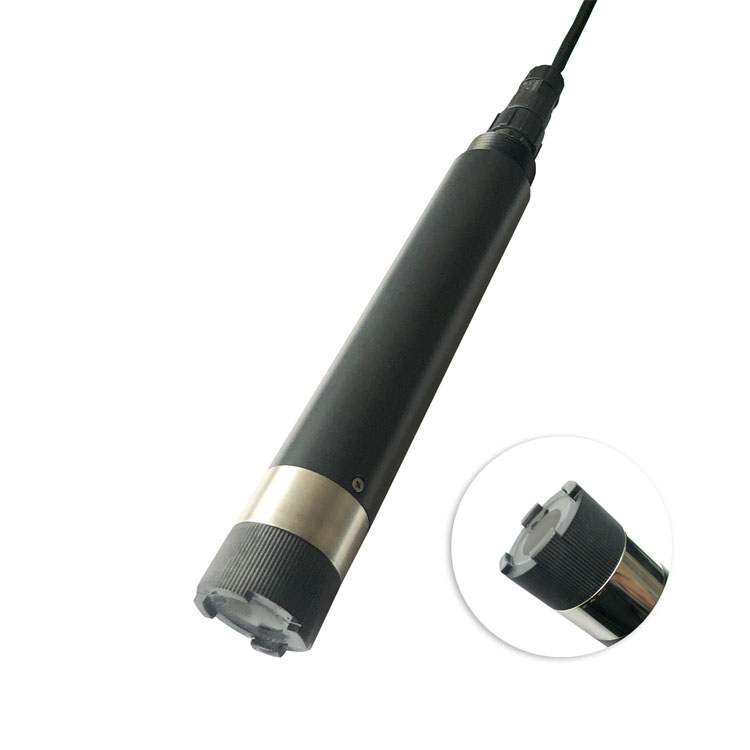
As a professional industrial sensor manufacturer, NiuBoL has launched the NBL-WQ-DO online fluorescence dissolved oxygen sensor (online dissolved oxygen meter) based on optical physical principles for the harsh environments of global environmental protection projects and EPC contractors, providing high-reliability data support for modern sewage treatment monitoring systems worldwide.
In activated sludge process and various biofilm processes, dissolved oxygen is not an isolated chemical indicator, but a dynamic biological metabolism control variable.
Engineering Definition and Measurement: In industrial water quality monitoring, dissolved oxygen (DO) is usually expressed in mass concentration (mg/L) or saturation (%). It directly reflects the molecular oxygen content retained in the mixed liquid after oxygen in the gas phase is transferred through the liquid phase interface for microbial utilization. According to Henry's Law, the equilibrium concentration of dissolved oxygen is physically constrained by water temperature, effective water depth (partial pressure influence), and salinity in water.
Critical Control Range of Biochemical Reactions: Different biochemical treatment processes have extremely strict range divisions for DO concentration in the mixed liquid. Engineers must maintain the control variable within the target range according to the metabolic mechanism of specific microorganisms:
| Process Zone/Type | Target DO Control Range | Microbial Metabolic State & Engineering Function |
|---|---|---|
| Anaerobic Zone | Less than 0.2 mg/L | Strictly limit molecular oxygen to promote phosphorus release by phosphorus accumulating bacteria or perform anaerobic acidification. |
| Anoxic Zone | 0.2~2.0 mg/L | Denitrifying bacteria use oxygen in nitrate nitrogen for respiration to reduce nitrate to nitrogen gas for denitrification. |
| Oxic Zone - Contact Oxidation | 2.0~4.0 mg/L | Provide sufficient molecular oxygen for aerobic heterotrophic bacteria to degrade COD/BOD and complete ammonia nitrogen nitrification. |
| Oxic Zone - SBR Process | 2.0~8.0 mg/L | Intermittent operation, maintaining high DO concentration during aeration stage to cope with high load impact. |
In aeration tanks, deviation of DO concentration will directly lead to the collapse of the entire biochemical system or serious energy waste:
Engineering Consequences of Low DO: When DO in the oxic zone continues to be below 2.0 mg/L, the metabolic rate of heterotrophic bacteria is limited, and the removal efficiency of COD and BOD will decrease significantly. At the same time, low DO environment can easily induce abnormal proliferation of filamentous bacteria, leading to sludge bulking, sludge loss in the secondary sedimentation tank, and effluent SS exceeding the standard.
Cost and Process Risks of High DO: If aeration volume is blindly increased to keep DO above 4.0 mg/L for a long time, on one hand it will cause serious energy waste and greatly increase operating costs; on the other hand, excessive airflow shear force will cause activated sludge flocs to break and disintegrate, and when high DO mixed liquid returns to the anoxic zone, it will destroy the denitrification environment.
Therefore, implementing refined online dissolved oxygen monitoring (wastewater DO monitoring) is the cornerstone for regulating the operation status of A/O, A2/O, SBR and other processes.
In unattended sewage treatment plants, the high maintenance cost of traditional electrochemical (polarographic/galvanic) DO sensors has always been a pain point in the industry.
High oxygen consumption characteristic: Oxygen molecules in the water sample must be consumed during measurement, which has strong dependence on water flow velocity and cannot accurately measure in dead water zones with too low flow velocity.
High maintenance frequency: Internal electrolyte is prone to drying or pollution and needs regular replenishment; Teflon oxygen permeable membrane is easily polluted by suspended solids and sulfides in sewage or attached by microorganisms, leading to serious reading drift and requiring frequent calibration.
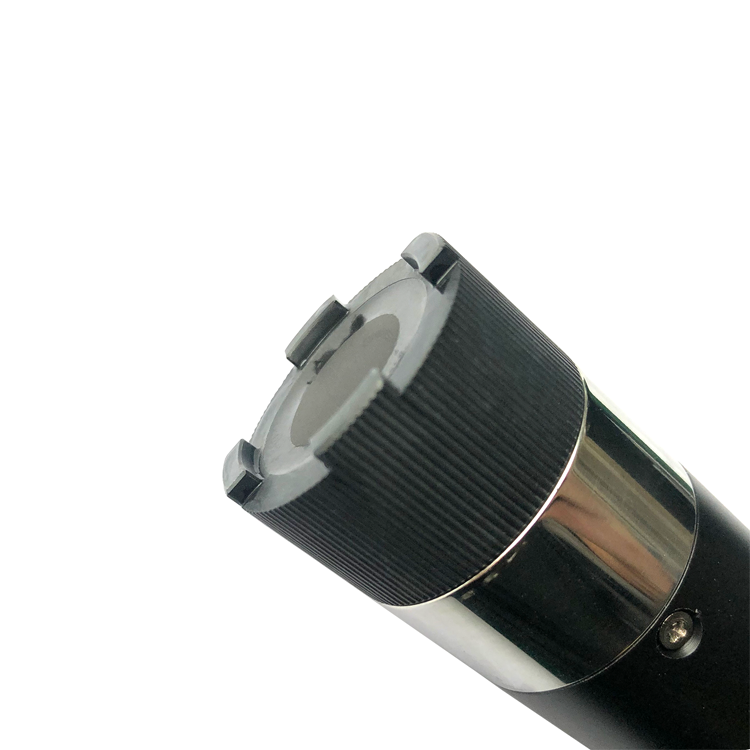
NiuBoL NBL-WQ-DO fluorescence DO sensor adopts optical physical quenching principle, completely solving the above problems:
Non-consumption mechanism: Does not consume oxygen molecules in the mixed liquid during measurement, and can output extremely high precision readings even in stationary water bodies with near-zero flow velocity.
No electrolyte and chemical-free maintenance: The sensor contains no electrolyte inside, has no polarization drift problem, and has strong resistance to chemical interference such as sulfides.
Ultra-low operation and maintenance cost: The fluorescence membrane head has a service life of more than 1 year in normal industrial environments, requires no frequent calibration during daily operation, and is very suitable for unattended continuous monitoring in suburban sewage plants or highly polluted environments.
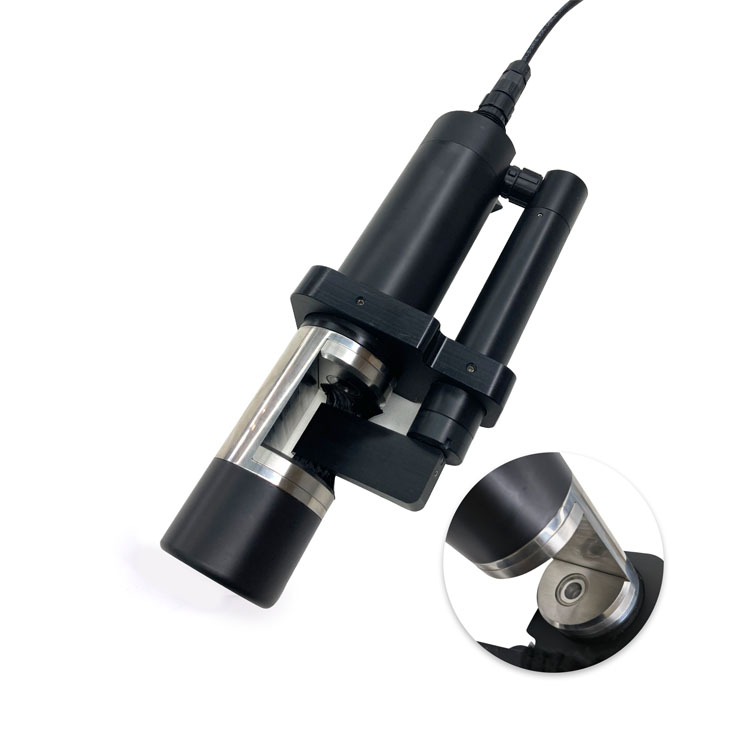
Physical Principle Analysis: The fluorescence membrane head at the front of the sensor is coated with special fluorescent material. When the blue light LED inside the probe emits excitation light onto the fluorescent material, it is excited and emits red light. Due to the fluorescence quenching effect of oxygen molecules, the extinction time (lifetime) and phase difference of the red light have a strict inverse relationship with the oxygen molecule concentration on the surface of the fluorescence membrane.
Through the internal high-precision phase difference detector, the instrument converts the optical signal into a digital signal and performs automatic temperature compensation combined with the built-in Pt1000 temperature sensor. At the same time, the system supports flexible manual salinity compensation settings to ensure accurate locking of actual oxygen concentration in coastal areas or high-salt industrial wastewater (such as Southeast Asia municipal wastewater systems).
In actual industrial site deployments, environmental interference is inevitable. The following is a troubleshooting manual prepared for field engineers:
Engineering Cause (Root Cause):
The sensor installation position is too close to the aeration head, and rising large air bubbles directly hit the fluorescence membrane surface, causing the optical path to be intermittently blocked by bubbles.
High-concentration activated sludge or long-fiber substances in the mixed liquid are entangled and attached to the front end of the probe.
Field Treatment (Troubleshooting):
Adjust the hanging position of the sensor to move it to an area with relatively stable water flow and dispersed bubbles in the aeration tank.
Lift the sensor and rinse with clean water or wipe the fluorescence membrane head with a soft cloth and mild cleaning agent.
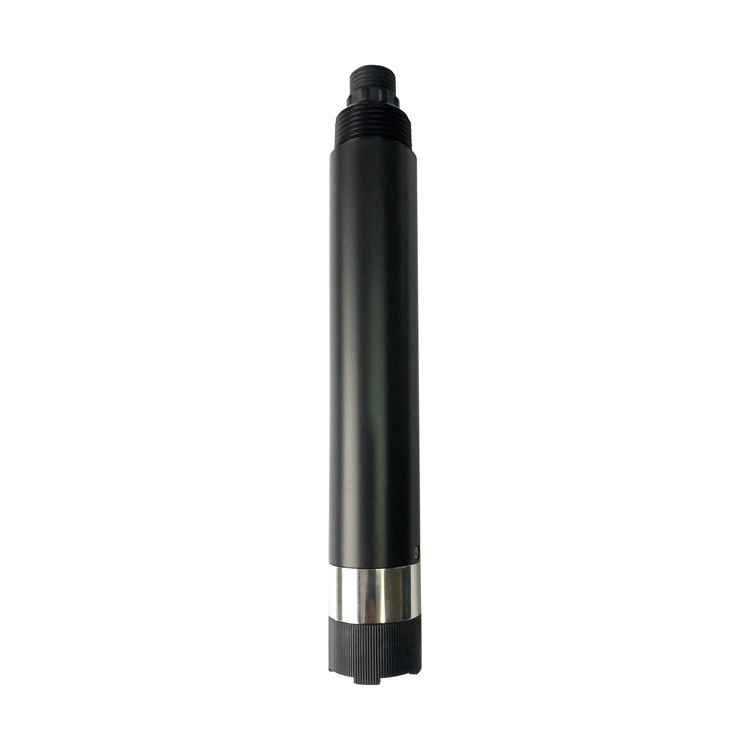
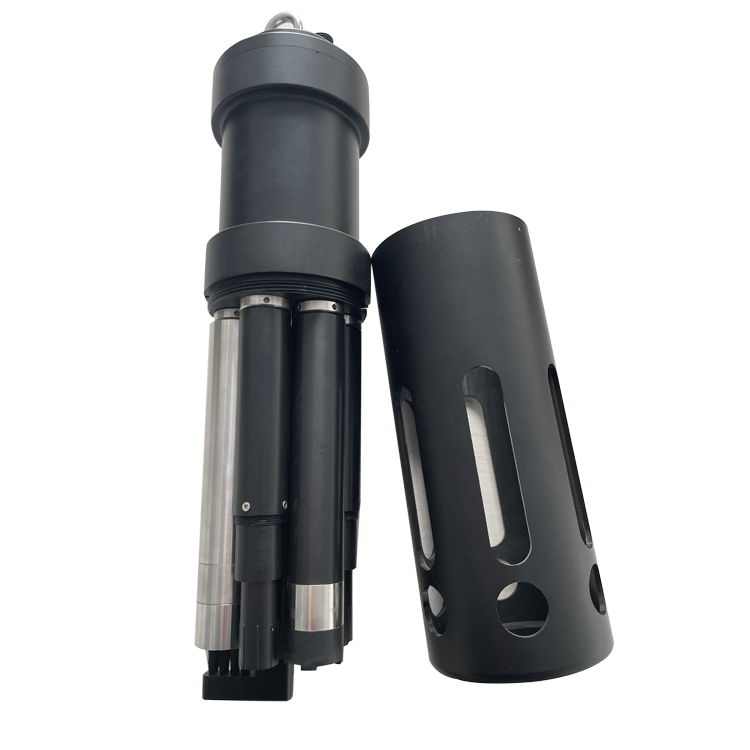
Long-term Optimization (Prevention): When using submerged installation, install a stainless steel anti-fluid impact shield to block large air bubbles from directly contacting the membrane head.
Engineering Cause (Root Cause):
Sudden increase in inlet organic load (BOD/COD) on site, where oxygen consumption rate far exceeds the oxygen supply limit of the aeration system.
The fluorescence membrane head surface has not been cleaned for a long time, forming a dense biofilm or scale that hinders the diffusion of oxygen molecules.
Field Treatment (Troubleshooting):
Check the process load and inspect whether the blower and aeration pipeline are blocked or have insufficient pressure.
Use dilute hydrochloric acid to clean scale or soap water to remove oil stains on the surface.
Long-term Optimization (Prevention): Shorten the manual inspection and wiping cycle on site, or set regular maintenance reminders in the PLC control program.
Engineering Cause (Root Cause):
The fluorescence membrane head is exposed to strong direct sunlight, causing the fluorescent material to age too quickly.
Internal temperature compensation element is damaged, leading to distortion in algorithm conversion.
Field Treatment (Troubleshooting):
Check the sensor communication status and verify whether the read temperature value is consistent with the actual water temperature.
Re-perform the high-point calibration in the "two-point calibration method" in air (using 100% saturation in air). If the membrane head has reached its service life, directly replace it with a new one.
Long-term Optimization (Prevention): Try to avoid deploying the probe in unshaded shallow surface water layers. The fluorescence membrane head should be included in the preventive replacement plan after 1 year.
| Parameter Item | NBL-WQ-DO Online Fluorescence Dissolved Oxygen Sensor Standard Specification |
|---|---|
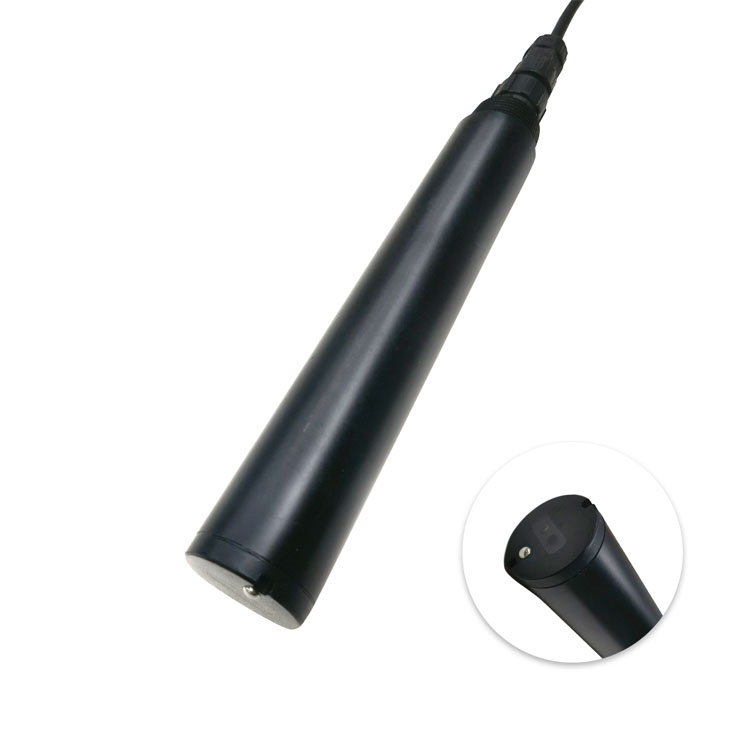
| Shell Material | POM, ABS / PC alloy, 316L stainless steel |
| Measurement Principle | Fluorescence Quenching Method (Optical Luminescence Technology) |
| Range | 0~20.00 mg/L (or 0~200% saturation) |
| System Resolution | 0.01 mg/L; Temperature: 0.1℃ |
| Measurement Accuracy | ±2% of reading; Temperature: ±0.3℃ |
| Response Time (T90) | Less than 30 seconds |
| Minimum Detection Limit | 0.08 mg/L |
| Digital Interface | Standard RS-485 interface, supports Modbus RTU protocol |
| Electrical Parameters | Power supply: 12~24VDC; Power consumption: 0.2W @ 12V |
| Operating Environment | Temperature: 0~50℃; Withstand pressure: ≤ 0.2MPa |
| Physical Installation | Submerged installation, with 3/4 NPT pipe thread; Standard cable 5 meters (customizable) |
| Protection Level | IP68 waterproof design |
NiuBoL's RS485 dissolved oxygen probe (RS485 DO probe) is not only a measuring instrument but also the core sensor of the automatic aeration control system.
[ NBL-WQ-DO Fluorescence Sensor ] --(RS485 Modbus RTU)--> [ Field Control PLC ]
Real-time Feedback Based on Modbus RTU: The sensor transmits high-precision DO values to the main control PLC (such as Siemens S7-1200/1500) through the digital bus. Because it eliminates the intermediate link of traditional analog transmitters, it effectively prevents common-mode electromagnetic interference caused by large on-site motors and frequency converters.
Energy-saving Closed-loop Control (DO-PID Loop): In the design of modern water plants (such as Middle East sewage treatment projects), the PLC uses real-time online DO values as input feedback and compares them with the set process target value (e.g. 2.0 mg/L). The PID algorithm automatically outputs control signals to adjust the frequency of the blower frequency converter (VFD). When the nighttime inlet load is low and DO rises, the fan frequency is automatically reduced, thereby saving huge electricity costs for the sewage plant and achieving intelligent energy-saving control.
Q1. Can the fluorescence dissolved oxygen sensor be completely maintenance-free without cleaning?
Answer: No. Although the fluorescence method does not rely on membrane and flow velocity, if the membrane head surface is completely wrapped by activated sludge or algae, oxygen molecules cannot penetrate to the fluorescent surface, which will still cause reading lag or low values. In sewage plant environments, it is generally recommended to perform a quick manual wipe cleaning every 2 to 4 weeks.
Q2. How to calibrate in high salinity or saline wastewater?
Answer: High salt concentration affects the solubility of oxygen in water. NBL-WQ-DO supports internal salinity compensation. Before commissioning, you can modify the salinity compensation register inside the sensor via Modbus protocol and write the actual water salinity value (in g/L) to achieve automatic calibration calculation.
Q3. Why can air be used to calibrate dissolved oxygen sensors?
Answer: In air with constant temperature and water vapor saturation, the oxygen partial pressure is very stable, which is equivalent to 100% water saturation state. Therefore, the most common method used by field engineers is to suspend the cleaned sensor in humid air for high-point slope calibration, which is faster and more accurate than preparing chemical standard solutions.
Q4. Does too slow flow velocity affect fluorescence measurement?
Answer: No effect at all. Traditional polarographic methods require water flow velocity greater than 0.3 m/s because they consume oxygen molecules. The fluorescence method is pure physical optical measurement with no oxygen consumption and can still output real data stably in dead water zones or stationary laboratory beakers.
Q5. Can this sensor be connected to old control systems with 4-20mA analog input?
Answer: Yes. NBL-WQ-DO natively outputs RS-485 digital signals. If your field control cabinet only supports 4-20mA analog input, you can use NiuBoL's dedicated digital-to-analog module or choose our high-end model with dual outputs for perfect compatibility.
Q6. Do I need to replace the entire sensor after the fluorescence membrane head ages?
Answer: No. The fluorescence membrane head is a modular consumable part and is very convenient to replace. After the membrane head reaches its service life (usually after 1 year of normal operation), simply unscrew the old membrane head, replace it with a new one, and recalibrate in air. There is no need to scrap the entire probe, and the usage cost is extremely low.
Q7. Will strong hydrogen sulfide (H2S) in sewage damage the sensor?
Answer: No. The oxygen permeable membrane of traditional electrode methods is easily penetrated by hydrogen sulfide and causes internal silver electrode "poisoning" failure. The fluorescence probe front end uses a highly chemically stable silica gel/POM composite protective layer, which has extremely high resistance to corrosive gases such as hydrogen sulfide and ammonia.
Q8. Is it suitable for rural sewage projects in remote areas of Africa or Latin America?
Answer: Very suitable. The ultra-low power consumption of 0.2W allows it to be directly powered by small solar panels and batteries, combined with GPRS/4G IoT gateways, making it very suitable for deployment in remote environments with weak infrastructure and unstable power supply.
As an expert in industrial online water quality monitoring, NiuBoL continues to provide stable and long-life hardware asset support for global diversified projects such as Africa wastewater treatment plants and European environmental compliance monitoring.
When should you contact us for business or technical selection?
Your engineering project (municipal water / industrial printing and dyeing / papermaking wastewater) is in the process design or equipment bidding stage and needs to determine cost-effective online DO equipment.
Your automation system upgrade requires ultra-low power consumption RS485 smart probes that can be powered by solar energy.
Your system integration project faces strong electromagnetic interference or complex industrial chemical pollution and urgently needs to upgrade from traditional membrane electrode method to optical method.
One-stop support we provide for contractors and integrators:
Complete standard Modbus RTU register map and embedded integration development manual.
Support OEM brand customization, non-standard customization of specific shell materials, cable lengths and range.
Long-term price protection and supply chain assurance for large government procurement projects and water bidding.
Typical Application Industries:
Municipal sewage treatment plants (biochemical aeration tanks), industrial wastewater treatment (contact oxidation tanks), surface water ecological monitoring, industrial circulating water systems, high-density aquaculture.
If you need the latest product quotation (Price Quote), data manual (Datasheet) or successful engineering integration case studies, please contact the NiuBoL international engineering project team immediately.
 NBL-WQ-CL Water Quality Sensor Online Residual Chlorine Sensor.pdf
NBL-WQ-DO Online Fluorescence Dissolved Oxygen Sensor.pdf
NBL-WQ-NHN Ammonia Nitrogen Water Quality Sensor.pdf
NBL-WQ-COD Online Water Quality COD Sensor.pdf
NBL-WQ-PH Online pH Water Quality Sensor.pdf
NBL-WQ-EC water quality conductivity sensor.pdf
Prev:Online Residual Chlorine Sensor for Water Treatment: The Ultimate Constant Voltage Monitoring Guide
Next:Industrial ORP Sensor Integration Guide for Water Quality Monitoring Projects
Related recommendations
Sensors & Weather Stations Catalog
Agriculture Sensors and Weather Stations Catalog-NiuBoL.pdf
Weather Stations Catalog-NiuBoL.pdf
Agriculture Sensors Catalog-NiuBoL.pdf
Water Quality Sensor Catalog-NiuBoL.pdf
Related products
 Combined air temperature and relative humidity sensor
 TDR Soil Moisture & Temperature Sensor for irrigation| RS485 |4-20mA| NBL-S-THR
 Soil pH sensor RS485 soil Testing instrument soil ph meter for agriculture |NBL-S-PH
 Wind Speed sensor Output Modbus/RS485/Analog/0-5V/4-20mA
 Tipping bucket rain gauge for weather monitoring auto rainfall sensor RS485/Outdoor/stainless steel
 Pyranometer Solar Radiation Sensor 4-20mA/RS485

Screenshot, WhatsApp to identify the QR code
WhatsApp number:+8615367865107
(Click on WhatsApp to copy and add friends)

