





— Blogs —
—Products—
 Consumer hotline +8618073152920
WhatsApp:+8615367865107
Address:Room 102, District D, Houhu Industrial Park, Yuelu District, Changsha City, Hunan Province, China
Product knowledge
Time:2026-07-30 13:48:46 Popularity:271
Quick Answer: A smart water quality monitoring system should let an engineer reconstruct an abnormal event: what the sensor observed, when it was observed, whether the point was being serviced and what action followed. A colored alarm alone cannot distinguish a process change from fouling, sample loss or a configuration error. Preserve the observations and supporting records needed for review.

During an incident, operators need timely information. Afterward, a supervisor needs to understand what happened without relying on someone's memory of the dashboard. The record should link the affected location, instrument, readings, status, maintenance and operator response.
This is different from designing alarm delay or reset thresholds, covered in the separate smart monitoring alarm guide. Event review concerns the evidence retained around the occurrence, not a new generic rule for all thresholds.
A multiparameter assembly can provide several observations, but shared power, retrieval or cleaning can affect them together. Do not count simultaneous changes as independent confirmation until their origins are understood.
| Record | Question it helps answer |
|---|---|
| Original observations and units | What changed before filtering, rescaling or review corrections? |
| Observation and arrival times | Was the apparent event current, delayed or replayed? |
| Point and instrument identities | Which water location and hardware produced the reading? |
| Maintenance and configuration times | Did cleaning, calibration or a changed scale coincide with the change? |
| Reference checks and sample details | Was the comparison representative and capable of resolving the difference? |
| Operator actions and follow-up | What was done, and what evidence supported return to normal operation? |
Keep a revised or annotated data series distinguishable from original observations. Where the platform cannot do this, agree another controlled record arrangement. Do not silently replace a suspect interval with smooth values simply to improve the appearance of a trend.
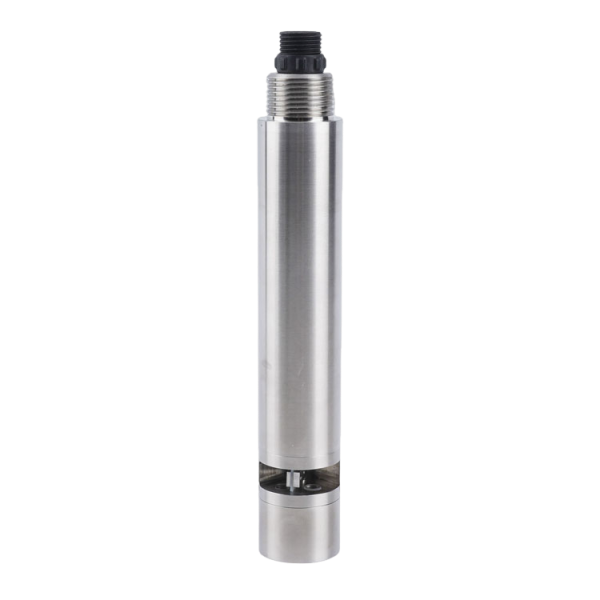
For a COD point, inspect the actual optical window and sample conditions. Compare the recorded state before service with the result after permitted cleaning under reasonably stable process conditions. A change after cleaning is a reason to investigate window effects, not automatic proof that the entire previous interval had one constant error.
The NiuBoL COD-408-S uses UV absorption and a cleaning wiper. Bubbles, deposits or changing wastewater composition can influence the result. A reference sample must correspond to the observation and analytical basis before it can support a calibration adjustment.
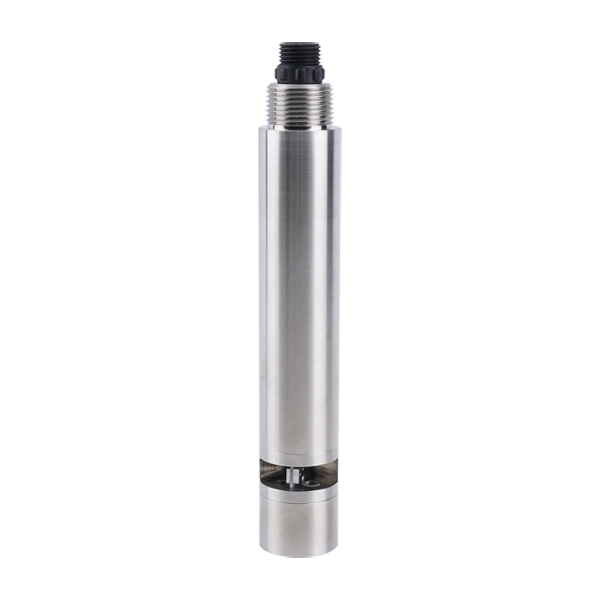
The separate BOD instrument pictured below reports a different related quantity. Its trend does not independently prove the COD result. Likewise, multiple outputs from one full-spectrum instrument can share optical influences; record how each required output has been validated.

| Example instrument | Relevant specification | Review consequence |
|---|---|---|
| DO-4A | 0-20 mg/L; +/-2% of reading; 0.01 mg/L resolution; T90 below 30 s | Use the actual error basis and point variability, not display digits alone. |
| COD-408-S | 0-200/500/1500 mg/L options; listed +/-10% reading at 0-1000 and +/-5% at 1000-1500 | Confirm configured range and transition conditions; field comparison remains necessary. |
| DO-4A electrical and water conditions | 12-24 VDC; 0.2 W at 12 V; 0-50 degrees C; pressure at most 0.2 MPa | Compare the event with power and actual water conditions. |
| COD-408-S power | 12-24 VDC; operating 0.4 W; cleaning 2 W | Review supply behavior during cleaning, not only steady operation. |
| Connection and construction | Both support RS485 Modbus RTU and optional 4-20 mA; IP68; model-specific wetted materials; standard 5 m cable | Confirm actual fitted outputs, jacket and field junctions. |
These are probe specifications, not guaranteed platform functions or complete installed uncertainty. For COD-408-S, obtain the delivered temperature and pressure limits separately rather than borrowing them from a different COD model.
If a low-DO notification arrives after communications return, compare observation time with arrival time. It may describe an earlier condition rather than the current tank. Confirm which reading the operator saw and whether the notification identified its age.
For a change following probe replacement, review serial settings, scaling, units and configuration identity. A conversion error can look like a sudden water-quality event. Conversely, the fact that maintenance occurred nearby in time does not prove the process was stable; retain independent observations where available.
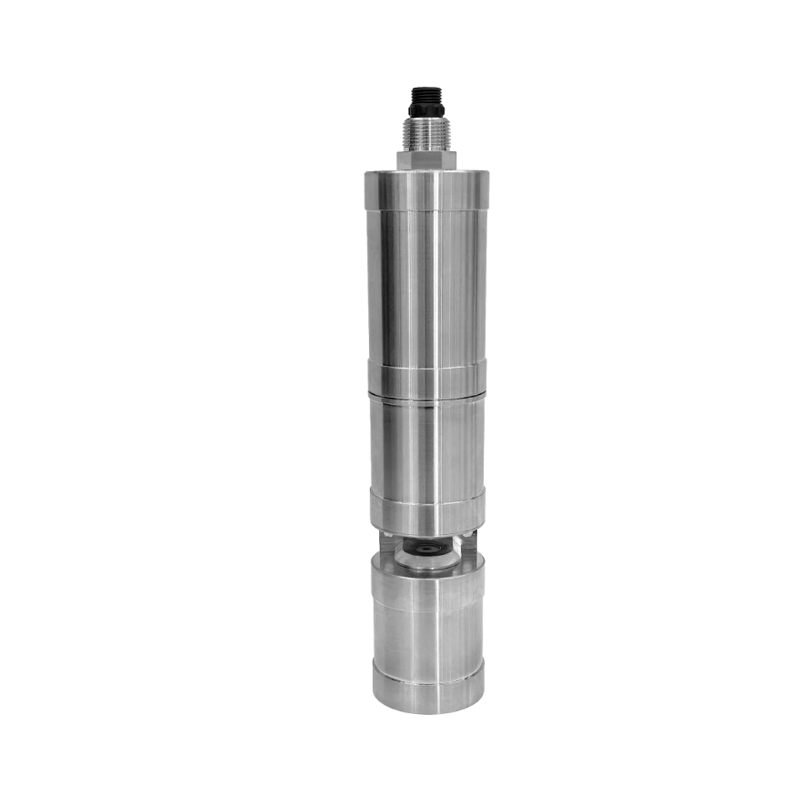
The pictured full-spectrum device should be identified by its actual configuration and relationship models. Do not reconstruct a nitrate, COD or organic-load event from an assumed channel name that was never verified at commissioning.
Use an approved test arrangement to create a disconnected channel, a marked service interval or delayed test records. Demonstrate whether an engineer can retrieve the original time sequence and identify what is known, what is inferred and what remains unresolved. Do not create harmful water conditions in an operating fish tank or treatment process to exercise the software.
For an actual event, assemble the relevant interval, check data validity, align maintenance and reference records, and document the evidence for the interpretation. Keep an unresolved case unresolved instead of assigning a convenient sensor-fault label without support.
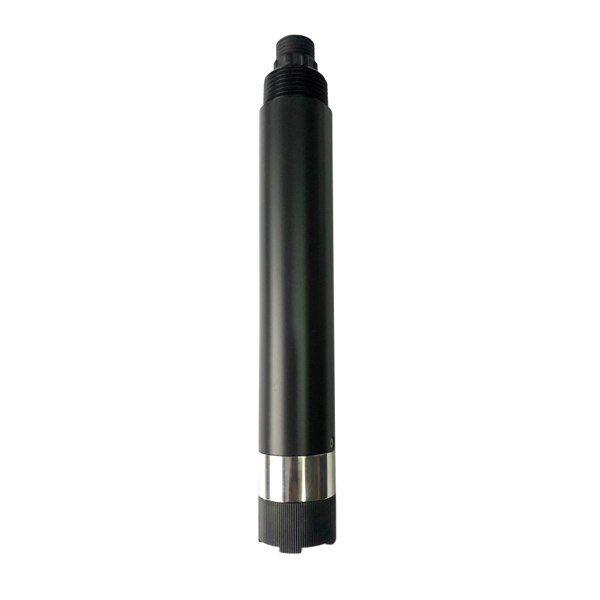
The turbidity probe pictured below can provide useful particle-related context where selected. It does not establish the chemical cause of a COD change or automatically correct another instrument. Keep supporting observations distinct from a confirmed explanation.
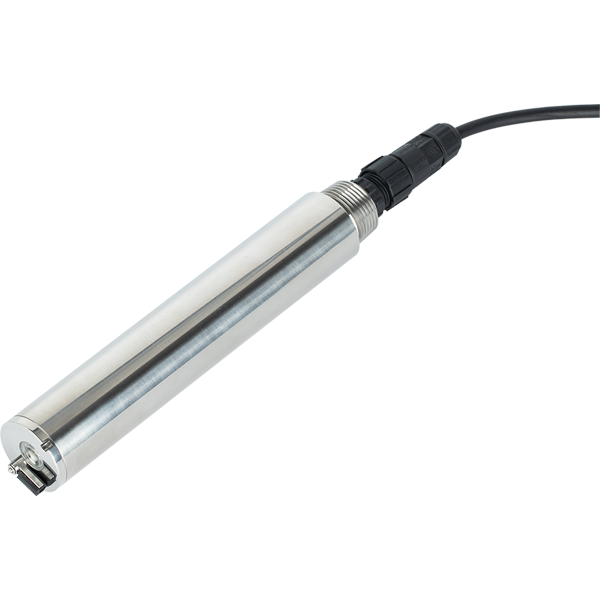
No. Check the original observation, validity, timing, sample conditions and relevant service records. An alarm identifies a condition requiring interpretation.
Not automatically. Assess process stability, deposit history and reference evidence. A before-and-after difference alone does not define every earlier error.
They distinguish an event in the water from a transport delay. Replayed data must not silently appear as a new current observation.
Not necessarily. They may share the same optical path or sample model. Use a suitable independent comparison where the decision requires confirmation.
Ask how the proposed instruments, receiver and record system preserve event context, service periods and configuration changes. Specify which review functions belong to the supplied software and which need another agreed record process.
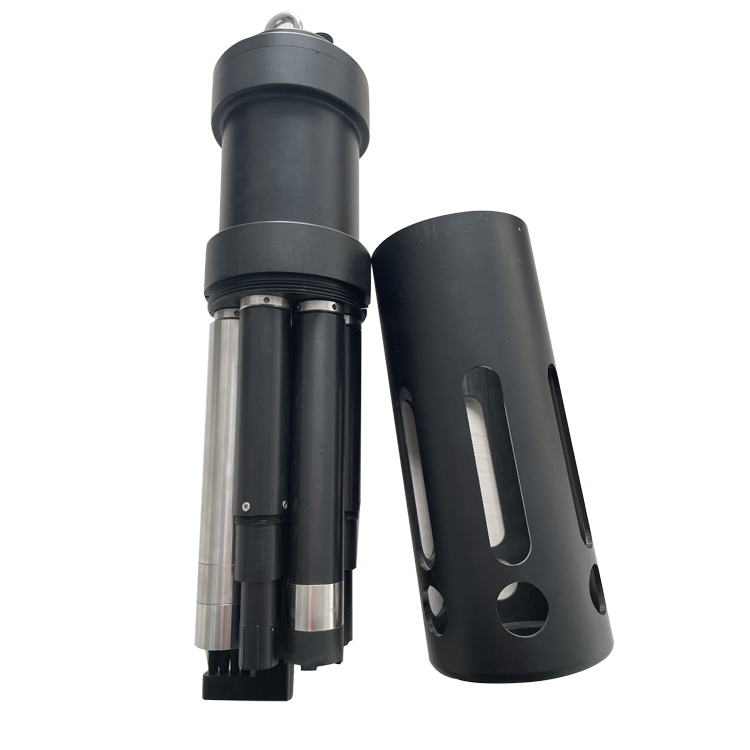
A smart water quality monitoring system should support an explainable event record, not merely a busy alarm screen. Preserve original observations, align maintenance and comparison information, and make uncertainty visible. Evaluate these review functions in the actual proposed system; a probe or multiparameter assembly alone does not guarantee them.
Prev:IoT Based Water Quality Monitoring System: Owner Access and Handover
Next:Water Monitoring System RFQ: From Budget Enquiry to Order-Ready Configuration
Related recommendations
Sensors & Weather Stations Catalog
 Agriculture Sensors and Weather Stations Catalog-NiuBoL.pdf
Weather Stations Catalog-NiuBoL.pdf
Agriculture Sensors Catalog-NiuBoL.pdf
Water Quality Sensor Catalog-NiuBoL.pdf
Related products
 Combined air temperature and relative humidity sensor
 TDR Soil Moisture & Temperature Sensor for irrigation| RS485 |4-20mA| NBL-S-THR
 Soil pH sensor RS485 soil Testing instrument soil ph meter for agriculture |NBL-S-PH
 Wind Speed sensor Output Modbus/RS485/Analog/0-5V/4-20mA
 Tipping bucket rain gauge for weather monitoring auto rainfall sensor RS485/Outdoor/stainless steel
 Pyranometer Solar Radiation Sensor 4-20mA/RS485


Screenshot, WhatsApp to identify the QR code
WhatsApp number:+8615367865107
(Click on WhatsApp to copy and add friends)

