





— Blogs —
—Products—
 Consumer hotline +8618073152920
WhatsApp:+8615367865107
Address:Room 102, District D, Houhu Industrial Park, Yuelu District, Changsha City, Hunan Province, China
Product knowledge
Time:2023-11-07 14:30:20 Popularity:4671
Agricultural soil sensor prices depend on what the sensor measures, its sensing technology, accuracy, output interface, installation requirements and the number of monitoring points. A basic soil moisture sensor and a complete agricultural soil monitoring station serve different purposes and should not be compared by price alone.
For farms, greenhouses, orchards, irrigation projects and agricultural IoT applications, choosing the right sensor begins with identifying the soil parameters required. Soil moisture and temperature sensors are suitable for root-zone monitoring, while additional measurements such as electrical conductivity (EC), salinity and pH may be needed for more detailed soil management.
This guide explains typical agricultural soil sensor price ranges, the factors affecting quotations, available NiuBoL sensor models and the additional costs involved in building a complete monitoring system.
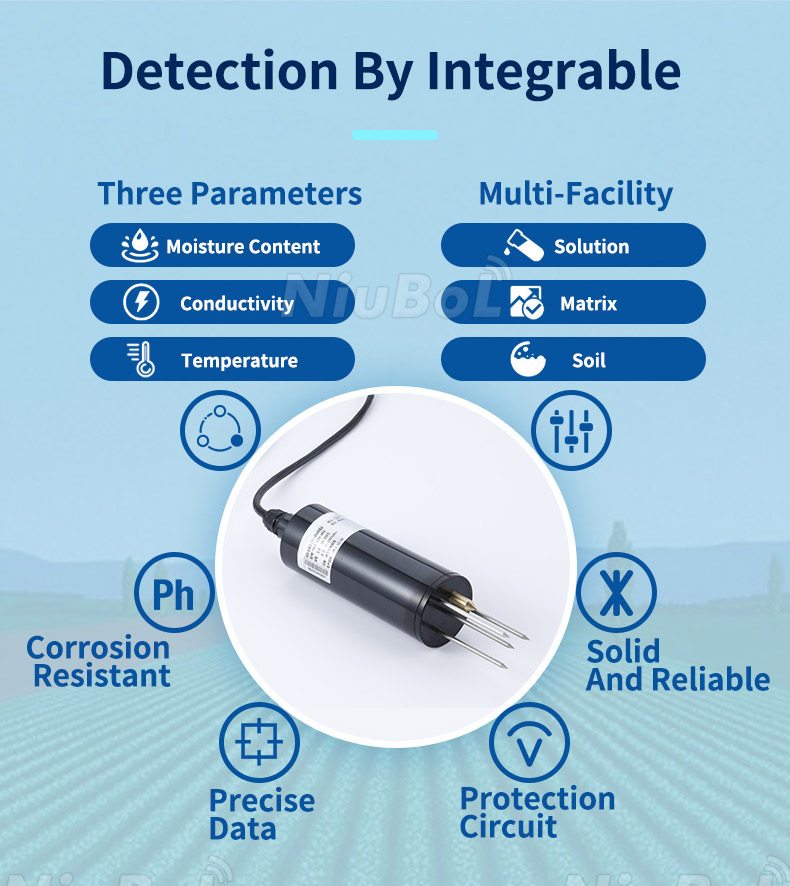
The cost of an agricultural soil sensor varies according to the measurement parameters, sensing principle, construction, communication interface and purchase quantity.
As broad market references, basic soil moisture sensors have often been priced at approximately USD 30–100, while more advanced multi-parameter soil sensors may cost USD 100–300 or more. These are general indicative ranges, not current NiuBoL selling prices or guaranteed quotations. Individual models may be priced below or above these ranges.
A complete soil monitoring station typically costs more because it may include several sensors, a data logger, communication equipment, solar power, mounting accessories and installation work.
For an accurate quotation, buyers should compare products with equivalent measurement parameters, output interfaces, cable lengths and installation requirements.
Different soil sensors are designed for different agricultural decisions. A single-parameter instrument may be sufficient for irrigation monitoring, while a multi-parameter probe can reduce the number of separate sensors required when several soil measurements are needed at one location.
| Sensor Type | Measurements | Main Cost Considerations |
|---|---|---|
| Soil Moisture and Temperature Sensor | Soil moisture and temperature | Measurement principle, accuracy, output and probe construction |
| Soil EC Sensor | Electrical conductivity, with other parameters depending on model | EC measurement range, compensation, integration and probe design |
| Soil pH Sensor | Soil acidity and alkalinity | Electrode design, maintenance requirements and output version |
| Multi-Parameter Soil Sensor | Temperature, moisture, EC, salinity, pH or nutrient indicators | Number of measured parameters and the method used for each measurement |
| Multi-Depth Soil Sensor | Moisture and temperature at several soil depths | Number of sensing layers, tube length and installation depth |
For example, purchasing one combined soil moisture and temperature sensor may be more practical than installing separate sensors for the two parameters. However, a combined sensor is not automatically the best choice when measurements are required at different locations or depths.
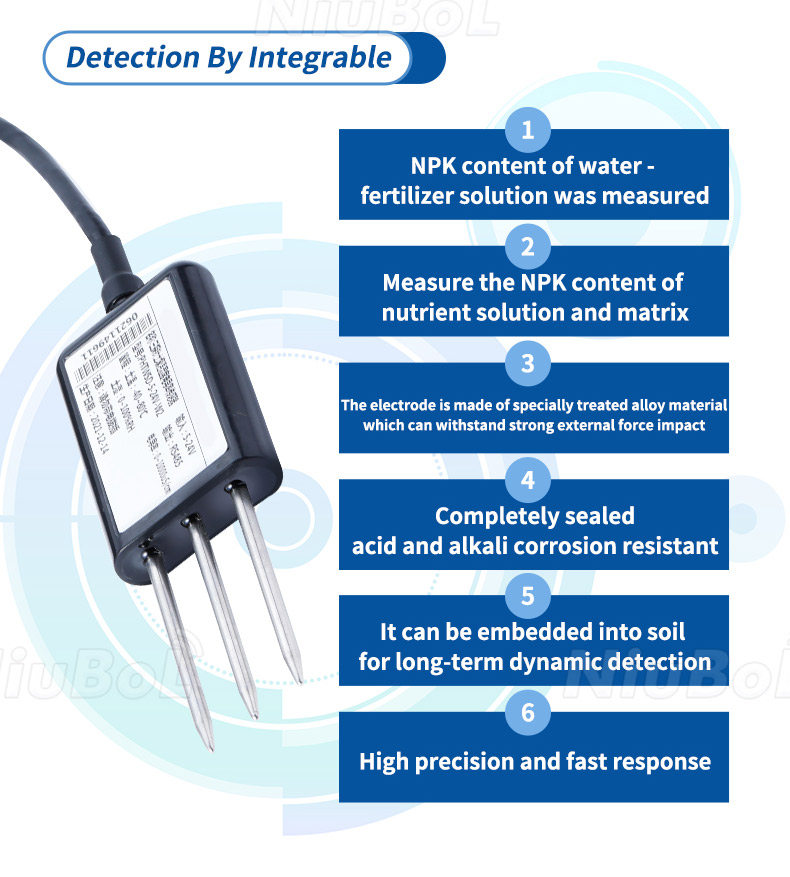
NiuBoL offers different soil sensor configurations for agriculture, horticulture, greenhouse monitoring and irrigation systems. The following comparison helps buyers identify suitable products before requesting prices.
| Model and Product | Main Measurements | Output / Application |
|---|---|---|
| NBL-S-TM FDR Soil Moisture and Temperature Sensor | Moisture and temperature | RS485 Modbus RTU; agricultural irrigation and root-zone monitoring |
| NBL-S-THR TDR Soil Moisture and Temperature Sensor | Moisture and temperature | RS485, 4–20 mA or 0–5 V versions; irrigation and controller integration |
| NBL-S-TMC Soil Temperature, Moisture and EC Sensor | Temperature, moisture and electrical conductivity | RS485 Modbus; greenhouse and fertigation monitoring |
| NBL-S-TMCS 4-in-1 Soil Sensor | Temperature, moisture, EC and salinity | RS485 Modbus; soil water and salt monitoring |
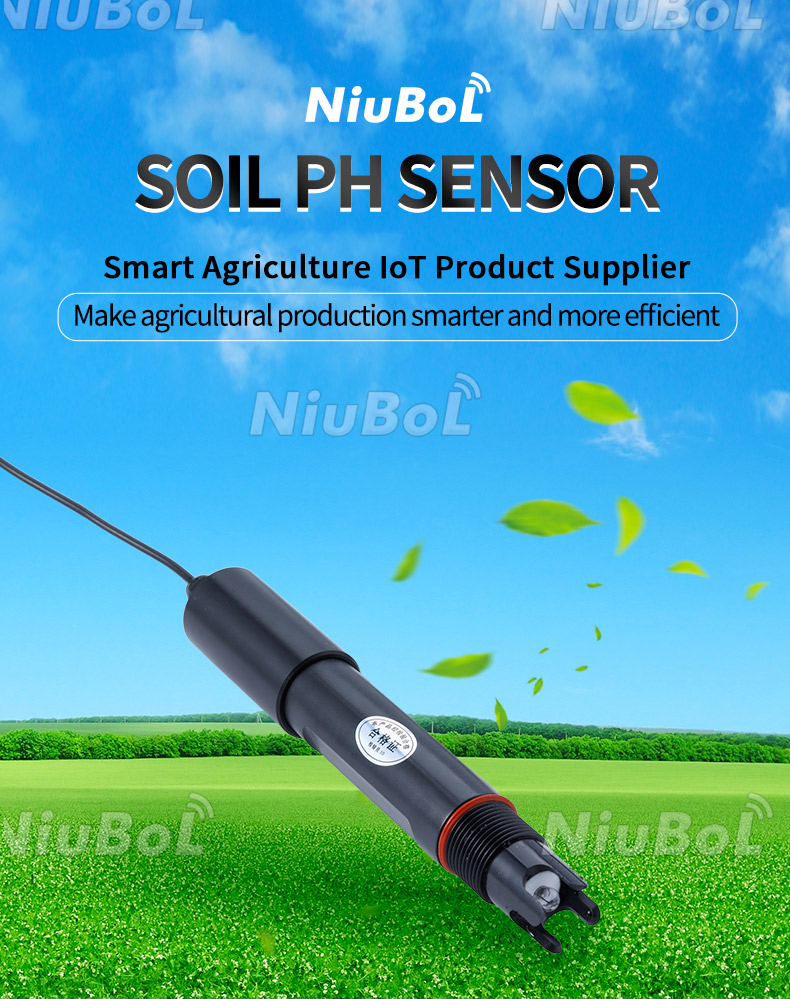
| NBL-S-PH Soil pH Sensor | Soil pH | RS485 or analog versions; soil acidity and alkalinity monitoring |
| NBL-S-TMC-7 7-in-1 Soil Sensor | Temperature, moisture, EC, pH and NPK indicators | RS485; multi-parameter field monitoring |
| NBL-S-TMC-8 8-in-1 Soil Sensor | Temperature, moisture, EC, pH, salinity and NPK indicators | RS485; integrated soil monitoring |
| NBL-S-TMSMS Multi-Depth Soil Moisture Sensor | Moisture and temperature at multiple soil depths | RS485 Modbus; soil profile and deep-rooted crop monitoring |
These products are not interchangeable merely because they are classified as agricultural soil sensors. Measurement ranges, power supplies, outputs and calibration requirements should be compared using the specifications of the selected model.
In particular, NPK readings from integrated electrical soil sensors should be treated as field indicators rather than direct replacements for laboratory nutrient analysis. For fertilizer prescriptions or research requiring chemical nutrient determination, appropriate laboratory methods remain important.
Explore the full NiuBoL Agricultural Sensors range for other monitoring parameters and product configurations.
The first cost factor is the measurement function. A soil moisture probe designed for irrigation monitoring has different sensing requirements from an electrochemical pH sensor or a multi-parameter soil instrument.
For moisture measurement, dielectric techniques such as FDR and TDR are used in different products. The price should be evaluated alongside measurement accuracy, environmental suitability, output format and installation requirements rather than technology names alone.
Probe materials, electrode construction, housing design, cable sealing and environmental protection influence manufacturing cost and maintenance requirements.
For continuous agricultural deployment, buyers should review whether the sensing section can be buried, whether the housing is suitable for wet soil conditions and how cable joints will be protected. An IP rating assigned to a sensor probe should not automatically be assumed to cover every connector, power supply or external controller in the system.
Two sensors may measure the same parameter but have different specified ranges, resolutions and accuracy figures. These differences are particularly important for soil research, greenhouse management and projects using automated irrigation decisions.
Buyers should also consider the influence of soil texture, salinity, density, moisture conditions and installation quality. A higher nominal accuracy figure does not eliminate errors caused by poor sensor contact or unsuitable measurement conditions.
Agricultural soil sensors commonly use RS485 Modbus RTU, while some models offer analog output versions such as 4–20 mA or 0–5 V.
RS485 is suitable for connection to compatible PLCs, data loggers, RTUs and agricultural IoT gateways. Analog versions may be selected for controllers equipped with the corresponding inputs.
The required output must be confirmed before ordering. RS485, 4–20 mA and voltage outputs should not be assumed to be simultaneously available from one sensor simply because several versions are listed.
Cable length affects material and installation costs, especially when sensors are distributed across several greenhouse zones or field monitoring locations.
Many NiuBoL soil sensor configurations use a standard 5 m cable, with longer cables available depending on the model and order requirements. Buyers should specify the actual distance between the sensing point and the receiving equipment.
Sample orders, pilot projects and larger procurement quantities may also have different unit prices, packaging requirements and shipping arrangements.
Supplier support, documentation, order quantity, component availability and market conditions can influence quotations.
When comparing suppliers, review the exact model, measurement specification, cable configuration, output interface, warranty terms and technical documentation. A lower purchase price may not represent a lower total project cost if additional interface equipment or installation changes are required.
One of the most important distinctions in agricultural procurement is the difference between buying an individual soil sensor and purchasing a complete monitoring system.
A basic soil sensor generally provides measurements through a wired interface. It does not automatically include a 4G modem, SIM card, solar panel, battery, cloud subscription or irrigation controller.
| System Component | Purpose | Budget Consideration |
|---|---|---|
| Soil Sensor | Measures selected soil parameters | Model, quantity, output and cable length |
| Data Logger / RTU / Gateway | Collects and processes sensor readings | Input capacity, communication and software requirements |
| 4G / Network Connection | Transfers readings to a remote system | Gateway configuration, network coverage and data service |
| Solar Power System | Supplies energy at locations without mains power | Panel, battery, charge controller and power budget |
| Enclosure and Installation | Protects equipment and supports field deployment | Mounting, cabling, labor and site conditions |
| Software / Monitoring Platform | Displays, stores or processes collected data | Platform compatibility, hosting and service requirements |
For example, a greenhouse operator may only need several RS485 soil sensors connected to an existing PLC. A remote agricultural monitoring project may require the sensors, a 4G gateway, solar power and a compatible data platform.
These configurations have different costs even when the underlying soil sensors are identical. Complete monitoring systems should therefore be quoted based on their actual component list and deployment requirements.
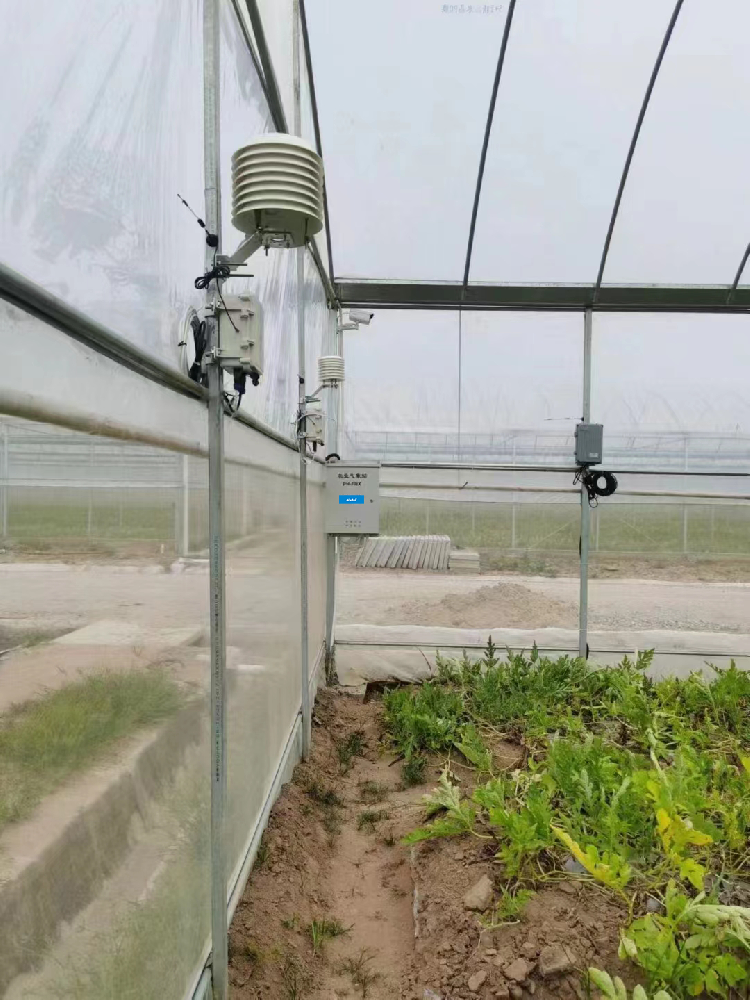
For irrigation scheduling, soil moisture is often the primary measurement. Temperature monitoring may provide additional information about root-zone conditions.
When only these parameters are required, products such as the NBL-S-TM soil moisture and temperature sensor or the NBL-S-THR TDR soil sensor may be considered.
Greenhouse projects may require soil moisture, temperature and electrical conductivity to monitor water conditions and changes associated with fertigation.
The NBL-S-TMC soil temperature, moisture and EC sensor or NBL-S-TMCS soil EC and salinity sensor may be more relevant than a moisture-only product.
Soil EC readings must be interpreted in relation to the measured soil environment. Soil bulk EC should not automatically be treated as equivalent to the conductivity of a prepared laboratory extract or a hydroponic nutrient solution.
For orchards and crops with deeper root systems, one shallow soil measurement may not adequately represent water availability throughout the root zone.
A multi-depth soil moisture and temperature sensor can provide readings from several soil layers. The appropriate sensing depths should be determined by the crop, root distribution and irrigation strategy.
Research and monitoring projects may require soil pH, conductivity, salinity or several parameters from the same location. A combined probe can simplify wiring where its measurement method and performance meet the project requirements.
For scientific nutrient analysis, electrical NPK indicators should be distinguished from laboratory measurements of nitrogen, phosphorus and potassium. Sensor selection should reflect the intended use of the data.
A useful supplier comparison should include more than the listed unit price. The following purchasing checklist helps distinguish equivalent offers from products with different functions or configurations.
| Item to Confirm | Information Required |
|---|---|
| Measurement Parameters | Moisture, temperature, EC, salinity, pH or other parameters |
| Measurement Performance | Range, resolution, accuracy and measurement principle |
| Signal Output | RS485 Modbus RTU, 4–20 mA or voltage as required |
| Power Supply | Available DC voltage and system power requirements |
| Installation | Soil type, depth, probe position and environmental conditions |
| Accessories | Cable length, connectors, power equipment and mounting parts |
| Integration | PLC, RTU, data logger, IoT gateway or monitoring platform |
| Commercial Terms | Quantity, lead time, warranty, delivery terms and shipping destination |
For larger projects, it is useful to request separate pricing for sensors, cables, data acquisition equipment, power systems and shipping. This makes it easier to compare alternatives and adjust the number of monitoring points without changing the entire system specification.
The initial purchase price is only one part of the total cost of agricultural monitoring. Installation, maintenance, replacement parts and communication services may also affect the project budget.
Probe placement is particularly important. The sensor should be installed in representative soil at the depth relevant to the crop or irrigation decision. Poor contact between the sensing element and surrounding soil can produce misleading readings, even when the sensor itself is functioning correctly.
Projects with numerous monitoring points should consider cable routing, equipment protection, power availability, access for maintenance and the compatibility of all connected devices.
When several RS485 sensors share one communication bus, address assignment, power distribution, cabling and termination must be designed correctly. These factors should be considered before estimating installation cost.
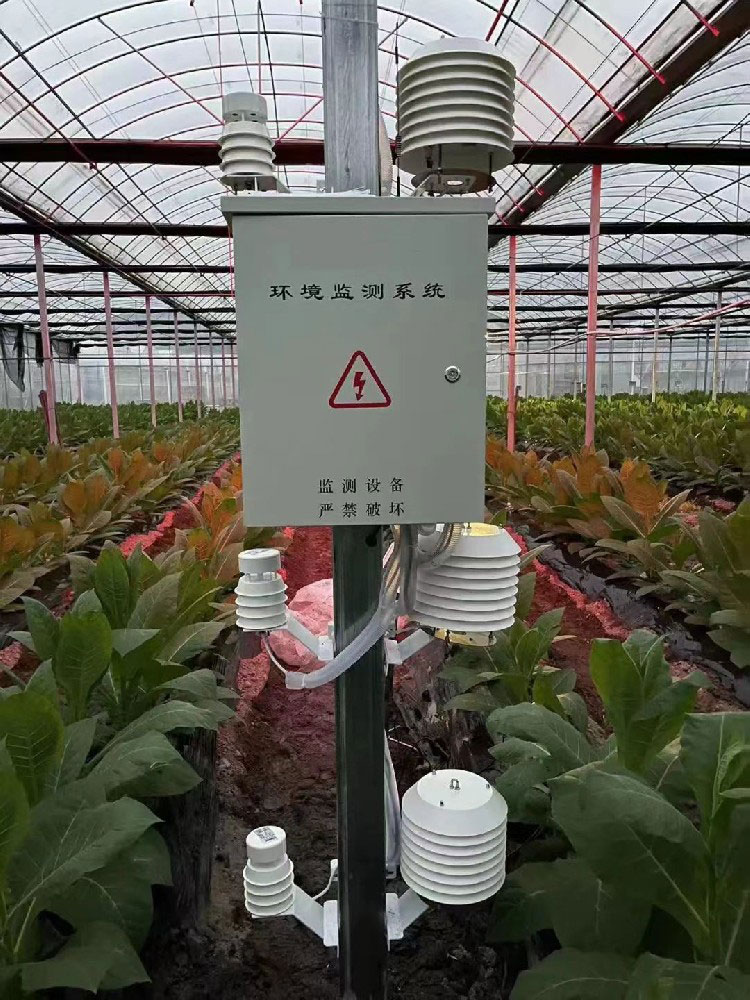
A1. Price depends on the sensor model, measurement principle, accuracy, communication output, cable length and quantity. Basic soil moisture probes are generally less complex than systems combining several measurements or remote communications. An exact model quotation is preferable to relying on a broad market price range.
A2. A multi-parameter probe may cost more than a basic sensor because it provides additional measurements. However, it may reduce the number of separate probes and cables required when several parameters must be monitored at the same location. The overall cost should be compared at the system level.
A3. No. An RS485 soil sensor provides a wired digital interface. Remote communication through 4G, Ethernet or other networks normally requires a compatible data logger, RTU or gateway. Wireless capabilities should be specified separately when requesting a complete system.
A4. A soil EC sensor measures electrical conductivity, which is related to dissolved ions and soil salt conditions. A soil pH sensor measures acidity or alkalinity. These are different parameters and one should not be treated as a replacement for the other.
A5. No. Integrated soil sensors offering NPK indicators use electrical measurement relationships and should not be considered equivalent to laboratory chemical analysis. Laboratory testing remains important where accurate nutrient determination or fertilizer recommendations are required.
A6. The total depends on sensor quantity, measured parameters, data logger capacity, communication requirements, solar power, enclosure, installation and software. A complete station should be quoted from an agreed component list rather than estimated from the price of a single soil probe.
A7. Yes, provided that the sensor output, supply voltage and communication settings are compatible with the PLC. For RS485 Modbus RTU, the PLC must support the relevant interface and protocol. For analog versions, suitable analog inputs and scaling are required.
A8. Buyers should provide the required parameters, intended application, quantity, installation depth, output type, power supply, cable length, receiving controller or data logger, and destination country. This information helps identify the appropriate product and configuration.
Explore NiuBoL agricultural soil sensor models, configurations and technical information in the product catalogue. Listed prices in historical catalogue documents should be confirmed before ordering.
 Agriculture-Sensors-Catalog-NiuBoL-2024.pdf
For agricultural projects, the most useful quotation is one based on the actual measurement and installation requirements rather than a general sensor category.
NiuBoL supplies soil temperature and moisture sensors, EC and salinity sensors, soil pH probes, multi-parameter soil sensors and multi-depth monitoring products for agricultural and environmental applications.
Whether you are purchasing a single sensor for PLC integration, several probes for a greenhouse or a complete remote monitoring system, please provide the required parameters, output, quantity, cable length, project location and shipping destination.
You can review the agricultural soil sensor product range or contact NiuBoL for a quotation.
Email: sales@niubol.com
WhatsApp: +86 153 6786 5107
Clear project requirements allow the sensor configuration, supporting equipment and delivery terms to be quoted together, helping buyers compare the total cost of agricultural soil monitoring.
Related recommendations
Sensors & Weather Stations Catalog
 Agriculture Sensors and Weather Stations Catalog-NiuBoL.pdf
Weather Stations Catalog-NiuBoL.pdf
Agriculture Sensors Catalog-NiuBoL.pdf
Water Quality Sensor Catalog-NiuBoL.pdf
Related products
 Combined air temperature and relative humidity sensor
 TDR Soil Moisture & Temperature Sensor for irrigation| RS485 |4-20mA| NBL-S-THR
 Soil pH sensor RS485 soil Testing instrument soil ph meter for agriculture |NBL-S-PH
 Wind Speed sensor Output Modbus/RS485/Analog/0-5V/4-20mA
 Tipping bucket rain gauge for weather monitoring auto rainfall sensor RS485/Outdoor/stainless steel
 Pyranometer Solar Radiation Sensor 4-20mA/RS485


Screenshot, WhatsApp to identify the QR code
WhatsApp number:+8615367865107
(Click on WhatsApp to copy and add friends)

