





— Download —
 Consumer hotline +8618073152920
 WhatsApp:+8615367865107
Address:Room 102, District D, Houhu Industrial Park, Yuelu District, Changsha City, Hunan Province, China
All products
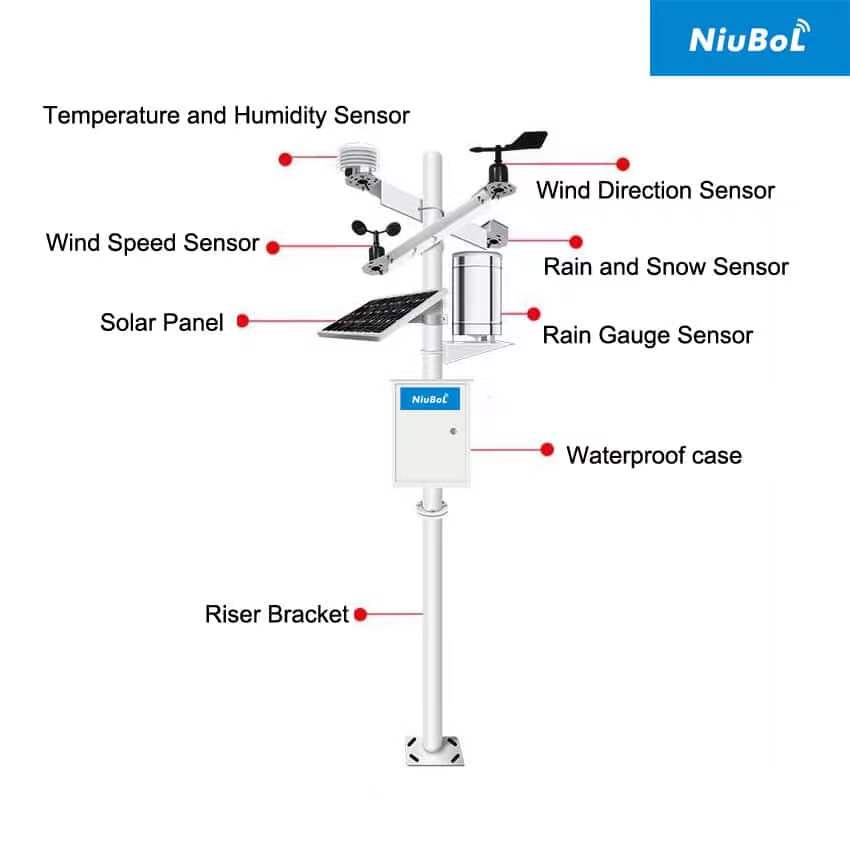
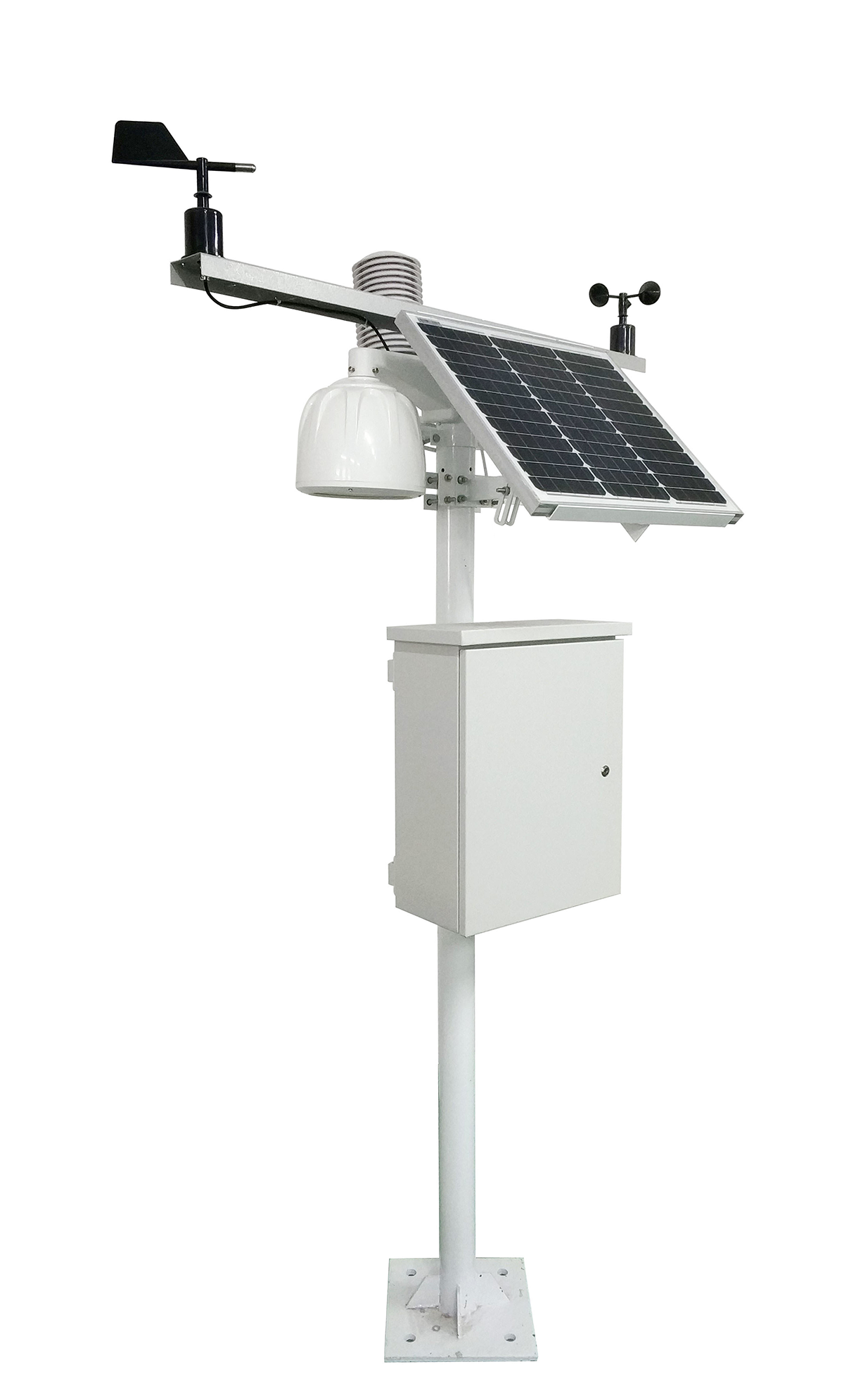
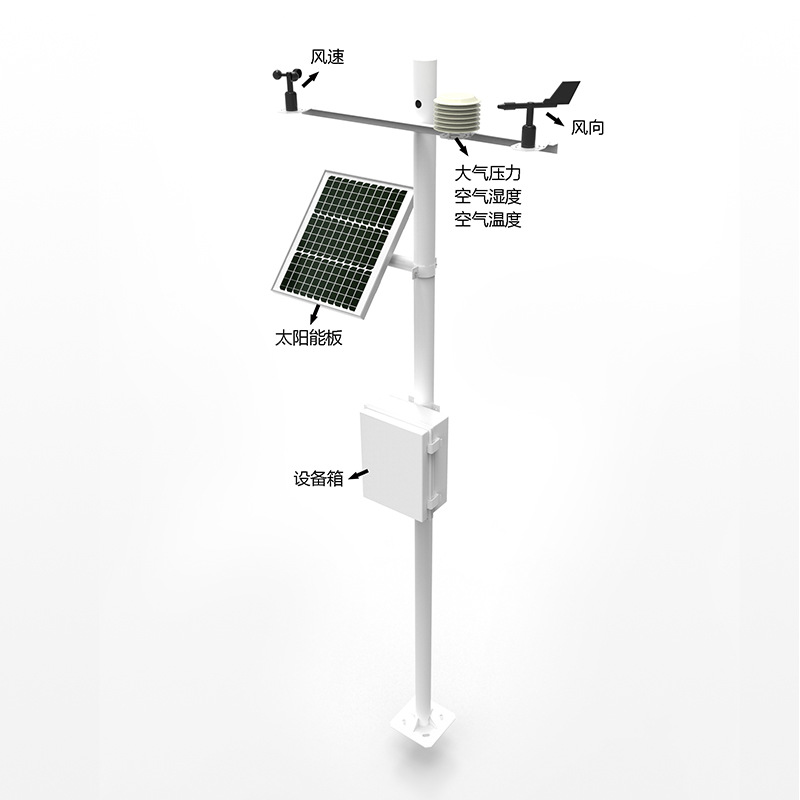
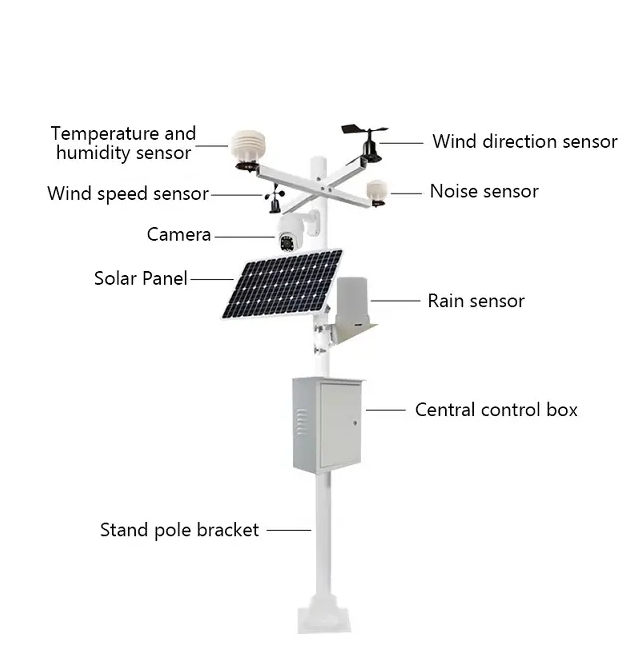
Explore NiuBoL weather station products including automatic weather stations, wind sensors, rain gauges, temperature and humidity sensors, solar radiation sensors, data loggers and IoT equipment.
Tel/WhatsApp:+8615367865107
Email:Arvin@niubol.com +Nearly 100 partner companies in more than 75 countries. We are committed to providing high-quality, practical products to meet your needs and help you solve problems. Our products comply with international standards and are certified with ISO, CE and RoHS.Product Details
NiuBoL provides weather station products for automatic meteorological, agricultural, hydrological, environmental and industrial monitoring. The product range includes complete automatic weather stations, individual meteorological sensors, integrated ultrasonic weather sensors, rain gauges, wind sensors, solar radiation sensors, data loggers, IoT communication equipment and field installation accessories.
A weather station can be configured as a simple local monitoring station or as a complete remote IoT system with RS485 Modbus sensors, 4G or Ethernet communication, solar power, local data storage and cloud or private-server integration.
The correct configuration should be selected according to the parameters that need to be measured, required accuracy, installation environment, communication method, power supply and final data destination.
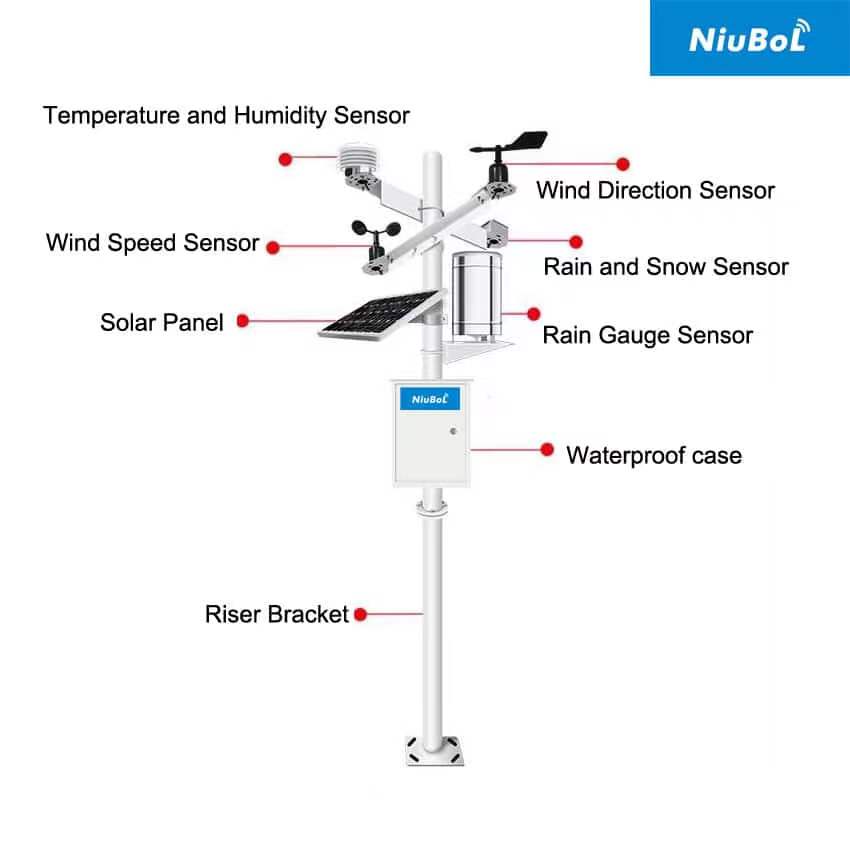
The following products cover the main measurement requirements of automatic weather stations. Individual sensors can be used separately or integrated into a complete monitoring system.
| Product | Main Parameters | Output / Interface | Typical Application |
|---|---|---|---|
| Automatic Weather Station | Configurable multi-parameter system | RS485 / 4G / Ethernet / IoT | Agriculture, hydrology, environment, research |
| NBL-W-SS Wind Speed Sensor | Wind speed | RS485 / 4–20 mA / Voltage / Pulse | Modular weather stations |
| NBL-W-DS Wind Direction Sensor | Wind direction | RS485 / 4–20 mA / Voltage | Meteorology, agriculture, industry |
| NBL-W-LBTH T/RH/Pressure Sensor | Temperature, humidity, atmospheric pressure | RS485 / optional analog | Meteorological and environmental monitoring |
| NBL-W-RS Tipping Bucket Rain Gauge | Rainfall amount and intensity | Pulse / Voltage / RS485 | Weather, hydrology, agriculture, flood monitoring |
| NBL-W-THPLC 5-in-1 Sensor | Temperature, humidity, pressure, illumination, CO₂ | RS485 Modbus | Compact environmental monitoring |
| 6-in-1 Ultrasonic Weather Sensor | Integrated meteorological parameters | RS485 Modbus | Compact automatic weather stations |
| 7-in-1 Ultrasonic Weather Sensor | Wind speed, wind direction, temperature, humidity, pressure, illumination, rainfall | RS485 Modbus | IoT and distributed weather stations |
| Solar Radiation Sensor | Solar irradiance | RS485 / Analog depending on model | Agriculture, solar energy, research |
| PAR Sensor | Photosynthetically active radiation | RS485 / Voltage | Greenhouses and plant research |
| Illuminance Sensor | Light intensity in lux | RS485 / 4–20 mA / Voltage | Agriculture and environmental monitoring |
| Snow Depth Sensor | Snow depth | RS485 / 4–20 mA | Snow and cold-region monitoring |
| Noise Sensor | Environmental noise | RS485 / Analog depending on model | Environmental monitoring |
| PM2.5 / PM10 Sensor | Particulate matter | RS485 | Air-quality and environmental monitoring |
| Visibility Sensor | Meteorological visibility | RS485 | Road, airport and weather monitoring |
A modular automatic weather station can combine different sensors according to project requirements. The following table shows reference specifications for common NiuBoL sensor configurations. Because different models and output versions are available, the final quotation and datasheet should be used to confirm exact specifications.
| Measured Parameter | Measurement Range | Resolution | Reference Accuracy |
|---|---|---|---|
| Air Temperature | -40 to 80°C | 0.1°C | ±0.5°C |
| Relative Humidity | 0–100%RH | 0.1%RH | ±5%RH |
| Atmospheric Pressure | 10–1200 hPa | 0.1 hPa | ±1.5 hPa |
| Wind Speed | 0–45 m/s or 0–70 m/s | 0.1 m/s | ±(0.3 + 0.03V) m/s |
| Wind Direction | 0–360° | 1° | ±3° |
| Rainfall | 0–4 mm/min rainfall intensity | 0.2 mm | ±4% under specified static test conditions |
| Solar Radiation | 0–2000 W/m² | Model dependent | Model dependent |
| Illuminance | 0–200,000 lux | Model dependent | Model dependent |
| Noise | 30–130 dB | Model dependent | Model dependent |
| PM2.5 / PM10 | 0–2000 μg/m³ | Model dependent | Model dependent |
| CO₂ | 0–2000 ppm for standard configuration | 1 ppm | Model dependent |
| Soil Temperature | -40 to 80°C | 0.1°C | Depends on selected soil sensor |
| Soil Moisture | 0–100% | Depends on selected model | Depends on selected soil sensor |
| Soil EC | Up to 10,000 μS/cm on applicable models | Depends on selected model | Depends on selected soil sensor |
Note: A weather station is a configurable system, so not every station includes all parameters in this table. Soil, PM, CO₂, noise, visibility and other environmental measurements are optional additions rather than mandatory meteorological parameters.
An automatic weather station (AWS) is a field monitoring system that automatically measures, records and optionally transmits meteorological data.
A complete station normally consists of:
Meteorological sensors
Data logger or controller
Communication module
Power supply
Protective enclosure
Mounting pole and sensor brackets
Software, cloud platform or private server integration
Weather Sensors → RS485 / Analog / Pulse → Data Logger → 4G / Ethernet → MQTT / HTTP / TCP → Cloud or Private Server
An anemometer measures wind speed. The NBL-W-SS uses a three-cup design and is available in 0–45 m/s and 0–70 m/s measurement-range configurations.
Reference specifications include:
Resolution: 0.1 m/s
Starting wind speed: ≤0.5 m/s
Accuracy: ±(0.3 + 0.03V) m/s
Outputs: RS485, 4–20 mA, voltage and pulse depending on configuration
View NBL-W-SS Wind Speed Sensor →
A wind direction sensor determines the direction from which the wind is coming. The NBL-W-DS uses a wind vane and magnetic sensing technology for continuous outdoor monitoring.
Reference specifications:
Measurement range: 0–360°
Resolution: 1°
Accuracy: ±3°
Starting wind speed: ≤0.5 m/s
Outputs: RS485, 4–20 mA and voltage depending on configuration
View NBL-W-DS Wind Direction Sensor →
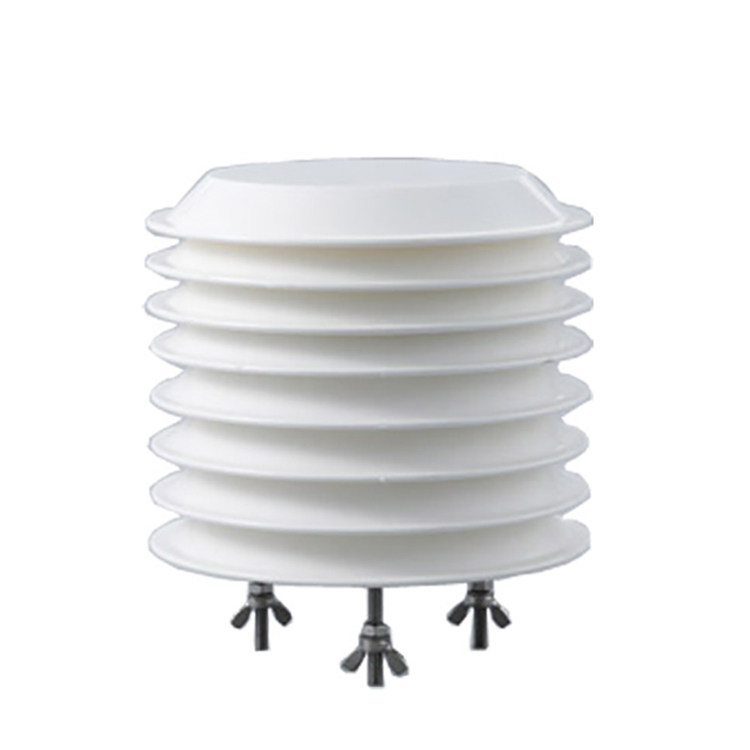
Air temperature and relative humidity are fundamental meteorological measurements. Outdoor sensors should normally be installed inside a suitable radiation shield to reduce measurement errors caused by direct sunlight and precipitation.
The NBL-W-LBTH can combine temperature, humidity and atmospheric pressure in one louver-type sensor.
| Parameter | Range | Accuracy | Resolution |
|---|---|---|---|
| Temperature | -40 to 80°C | ±0.5°C | 0.1°C |
| Relative Humidity | 0–100%RH | ±5%RH | 0.1%RH |
| Atmospheric Pressure | 10–1200 hPa | ±1.5 hPa | 0.1 hPa |
View Temperature, Humidity & Pressure Sensor →
A rain gauge measures precipitation. It does not measure atmospheric water vapor; atmospheric humidity is measured by a humidity sensor.
The NBL-W-RS tipping bucket rain gauge can measure accumulated liquid precipitation and provide the data required to calculate rainfall intensity.
| Collector Diameter | Φ200 ±0.6 mm |
| Rainfall Intensity Range | 0–4 mm/min |
| Resolution | 0.2 mm |
| Accuracy | ±4% under specified indoor static test conditions |
| Output Options | Switch / pulse, voltage or RS485 depending on configuration |
View NBL-W-RS Tipping Bucket Rain Gauge →
A solar radiation sensor or pyranometer measures solar irradiance, normally expressed in W/m². Solar radiation data is useful in agriculture, evapotranspiration analysis, photovoltaic monitoring and environmental research.
Solar irradiance should not be confused with illuminance. A pyranometer measures radiation power, while an illuminance sensor measures visible light according to human visual response.
View Solar Radiation Sensors →
A PAR sensor measures photosynthetically active radiation used by plants for photosynthesis. It is particularly useful in greenhouses, crop research and controlled-environment agriculture.
An illuminance sensor measures visible-light intensity in lux. It can be used in agriculture, greenhouses, buildings and environmental monitoring when illuminance rather than solar irradiance is required.
Integrated ultrasonic weather sensors combine multiple meteorological measurements into one compact housing. They reduce the number of separate sensors, mounting brackets and external cables required at the monitoring site.
Available configurations can include wind speed, wind direction, temperature, humidity, atmospheric pressure, illumination and electronic rainfall measurement.
Integrated sensors are useful for compact IoT stations, distributed monitoring networks and installations where mechanical wind-sensor maintenance should be minimized.
View 6-in-1 Ultrasonic Sensor → | View 7-in-1 Ultrasonic Sensor →
A weather monitoring system can also include additional environmental sensors when meteorological measurements need to be analysed together with local air-quality or visibility data.
| Optional Sensor | Measurement |
|---|---|
| PM2.5 / PM10 Sensor | Particulate matter concentration |
| CO₂ Sensor | Carbon dioxide concentration |
| Noise Sensor | Environmental sound level |
| Visibility Sensor | Meteorological visibility |
| Snow Depth Sensor | Snow depth |
These sensors are optional additions. They should be selected only when required by the project and should not be treated as mandatory components of every automatic weather station.
Agricultural weather stations can also connect to soil sensors to monitor root-zone conditions. Typical measurements include soil temperature, moisture and electrical conductivity.
Soil sensors are not meteorological sensors, but integrating them with weather data can provide a more complete view of crop water conditions.
For example:
Rainfall + Solar Radiation + Air Temperature + Soil Moisture → More Complete Irrigation Information
A data logger collects measurements from the sensors and is the central acquisition device in a modular weather station.
Depending on the selected model, the logger or gateway can:
Read RS485 Modbus sensors
Read analog or pulse inputs
Add timestamps
Store measurements locally
Upload data through 4G, Ethernet or Wi-Fi
Transmit data through MQTT, HTTP or TCP
Connect to a NiuBoL platform or customer-owned server
View Data Loggers and IoT Communication Devices →
RS485 Modbus RTU is widely used in industrial weather-monitoring systems because several compatible sensors can share one communication bus.
Weather Sensors → RS485 Modbus → Data Logger → 4G / Ethernet → MQTT / HTTP → Cloud or Private Server
For a multi-sensor RS485 network:
Assign a unique Modbus address to each sensor.
Connect RS485 A and B correctly.
Use twisted-pair cable for communication.
Prefer daisy-chain wiring where practical.
Consider DC voltage drop over long cable runs.
Use termination when required by the network length and communication conditions.
| Feature | Modular Weather Station | Integrated Weather Sensor |
|---|---|---|
| Configuration Flexibility | High | Depends on model configuration |
| Wiring | More cables and interfaces | Simpler |
| Individual Sensor Replacement | Usually easier | Depends on integrated structure |
| Mounting Space | More space required | Compact |
| Mechanical Wind Sensor | Can use cup + wind vane | Often ultrasonic |
| Typical Application | Engineering, research and configurable systems | Compact IoT and distributed monitoring |
Neither design is universally better. Selection should be based on required parameters, serviceability, installation conditions, project budget and measurement requirements.
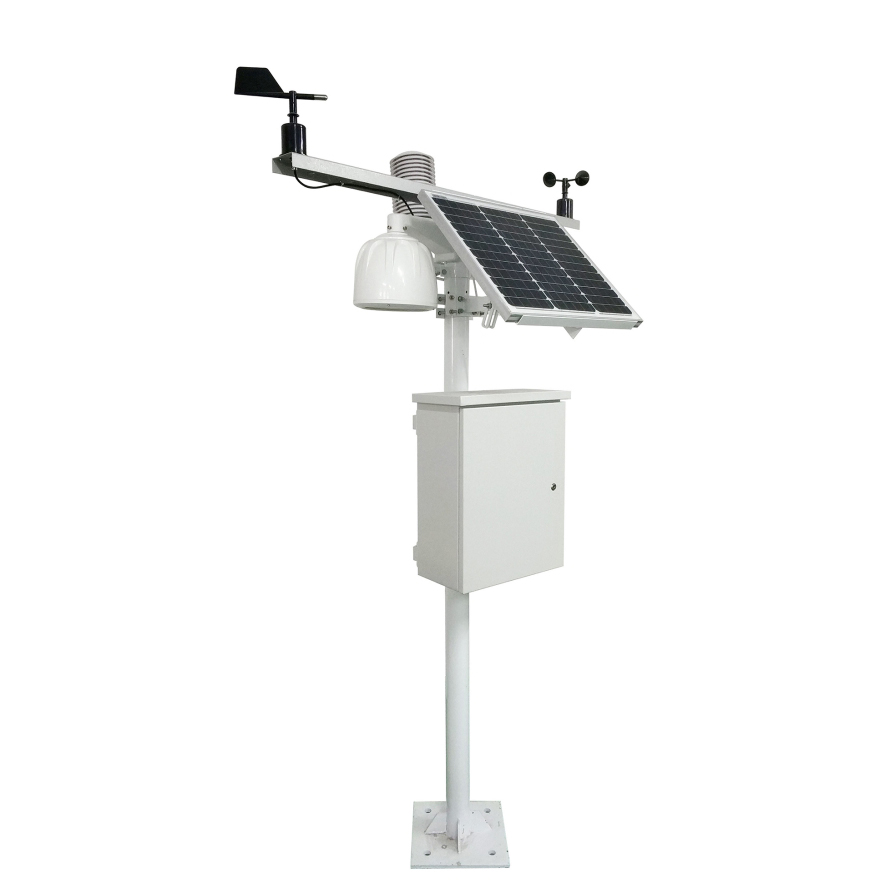
Remote weather stations can operate from a solar panel and rechargeable battery when grid power is unavailable.
A typical solar power system includes:
Solar panel
Rechargeable battery
Charge controller
Power distribution equipment
Protection components
Solar-panel mounting bracket
The panel and battery should be sized according to actual sensor, data logger and communication power consumption, local solar conditions, reporting interval and required backup autonomy. One fixed solar configuration should not be applied to every project.
| Application | Typical Weather Station Products |
|---|---|
| Agriculture | Temperature, humidity, wind, rainfall, radiation + optional soil sensors |
| Greenhouse | Temperature, humidity, CO₂, illumination / PAR + optional soil monitoring |
| Hydrology | Rainfall + weather + optional water level and flow sensors |
| Flood Monitoring | Rain gauge + weather sensors + water-level sensor + remote data logger |
| Solar Energy | Pyranometer + ambient temperature + wind + optional rainfall and module temperature |
| Environmental Monitoring | Weather + optional PM, CO₂, noise and visibility sensors |
| Forestry | Temperature, humidity, rainfall, wind, radiation and soil measurements |
| Research & Education | Project-specific modular sensors + data logger + data export |
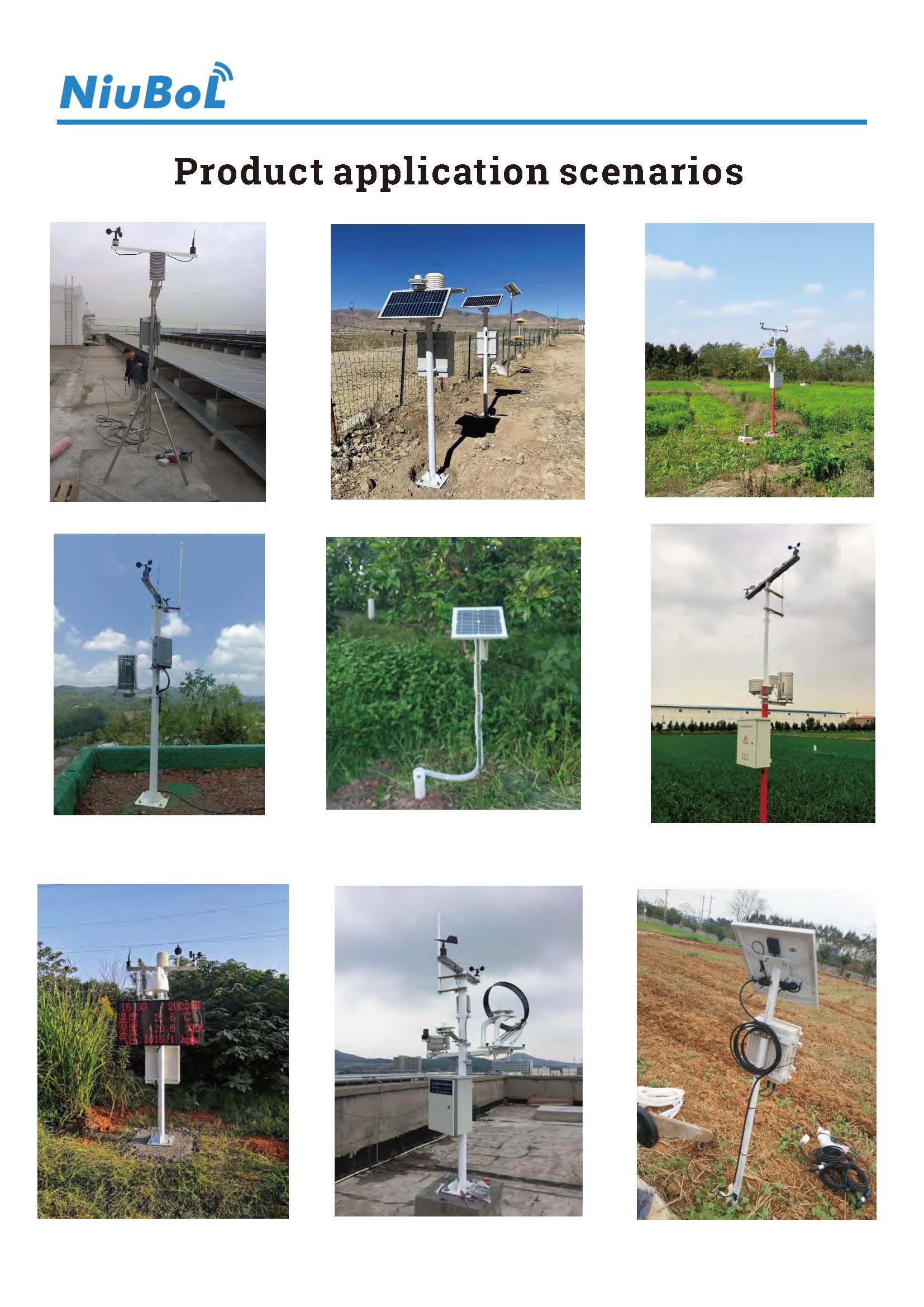
A weather station should be configured from the monitoring objective backward. Before requesting a quotation, confirm:
Application: agriculture, hydrology, environment, solar energy, research, industry or another use
Measured parameters: exactly which environmental conditions need to be monitored
Measurement requirements: range, resolution and required accuracy
Number of stations: one monitoring location or a distributed network
Sensor output: RS485, analog, pulse or another interface
Communication: 4G, Ethernet, Wi-Fi, LoRaWAN or local storage
Power supply: mains, DC or solar + battery
Mounting: pole height, brackets, enclosure and foundation
Cable length: distance between sensors and data logger
Data interval: sampling and upload frequency
Server: supplier platform or customer-owned server
Protocol: MQTT, HTTP, TCP, API or another integration method
A1. A typical automatic weather station includes meteorological sensors, a data logger, communication equipment, power supply, enclosure, mounting pole and software or server integration.
A2. Common meteorological measurements include air temperature, relative humidity, atmospheric pressure, wind speed, wind direction, rainfall and solar radiation.
A3. No. A rain gauge measures precipitation. Relative humidity is measured by an air-humidity sensor.
A4. Yes. Many NiuBoL weather sensors are available with RS485 Modbus RTU for connection to compatible data loggers, PLCs and RTUs.
A5. Yes. Compatible Modbus sensors can share one RS485 bus when each device has a unique address and the wiring, power supply and termination are designed correctly.
A6. A modular station uses separate sensors and provides more configuration flexibility. An integrated weather sensor combines several parameters in one compact housing and generally requires less wiring.
A7. Yes. Remote weather stations can use a solar panel, rechargeable battery and charge controller. Capacity should be calculated according to system power consumption and local solar conditions.
A8. Yes. A compatible data logger or IoT gateway can upload measurements through a cellular network.
A9. Yes, when a compatible logger or gateway is selected. MQTT, HTTP, TCP, authentication, payload format and reporting interval should be confirmed before ordering.
A10. Yes. Agricultural monitoring systems can combine weather sensors with compatible soil temperature, moisture, EC and other soil sensors.
A11. Cup and vane sensors are mature and economical for modular stations. Ultrasonic sensors avoid conventional rotating wind-measurement parts and provide a compact integrated solution. Selection depends on project requirements.
A12. Provide the required parameters, station quantity, installation country, required accuracy, communication method, power supply, cable lengths, pole requirements and whether data must be sent to a cloud platform or private server
NiuBoL provides individual weather sensors, automatic weather stations, ultrasonic integrated sensors, rain gauges, radiation sensors, environmental sensors, data loggers and IoT communication equipment for agricultural, meteorological, hydrological, environmental and industrial monitoring projects.
For a project quotation, provide the required measurement parameters, station quantity, installation location, communication method, available power supply, cable length, pole requirements and server-integration requirements.
Sensors & Weather Stations Catalog
 Agriculture Sensors and Weather Stations Catalog-NiuBoL.pdf
Weather Stations Catalog-NiuBoL.pdf
Agriculture Sensors Catalog-NiuBoL.pdf
Water Quality Sensor Catalog-NiuBoL.pdf
Related recommendations
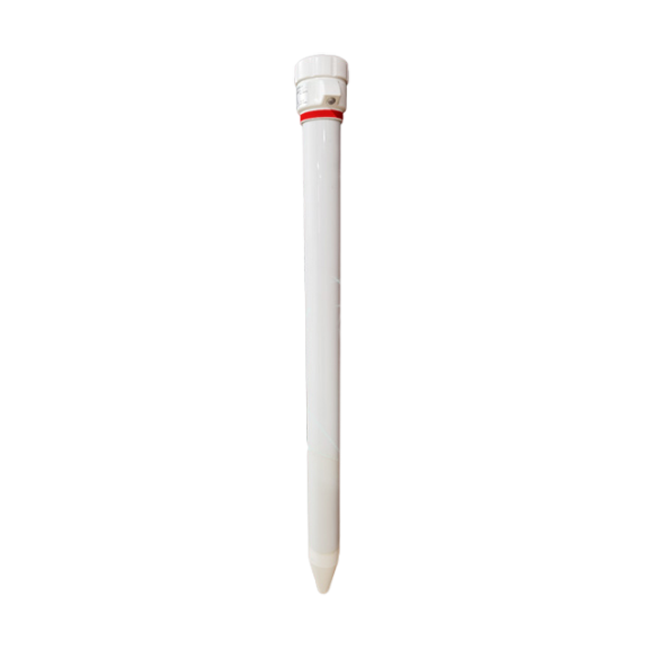 Multi-Depth Soil Sensor RS485
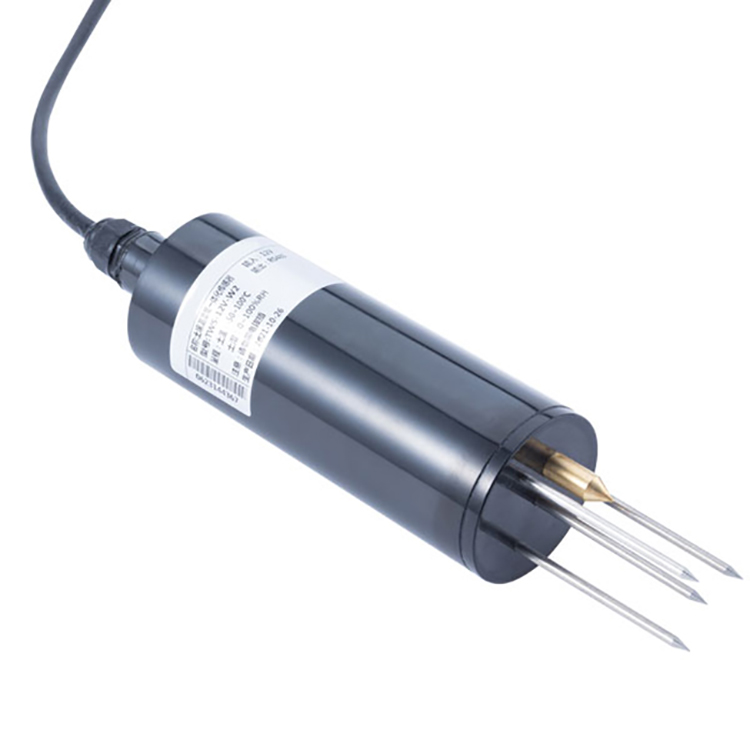 TDR Soil Moisture Sensor
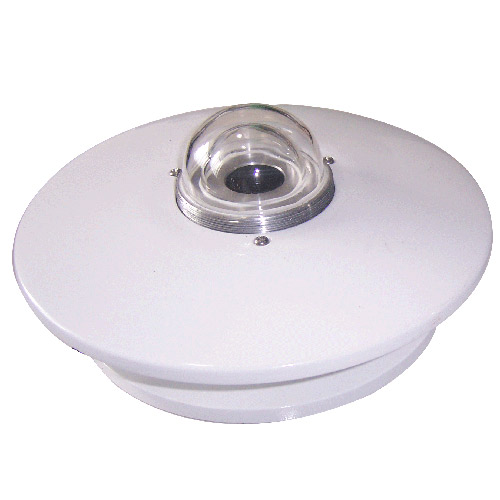 Pyranometer Solar Radiation Sensors
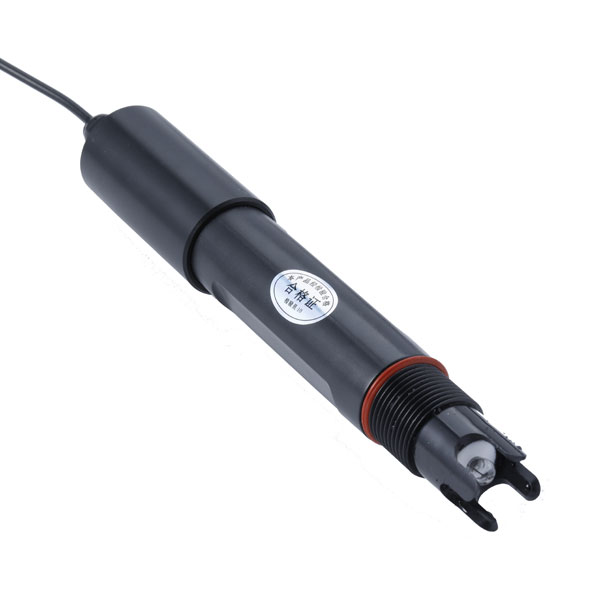 Soil ph sensor
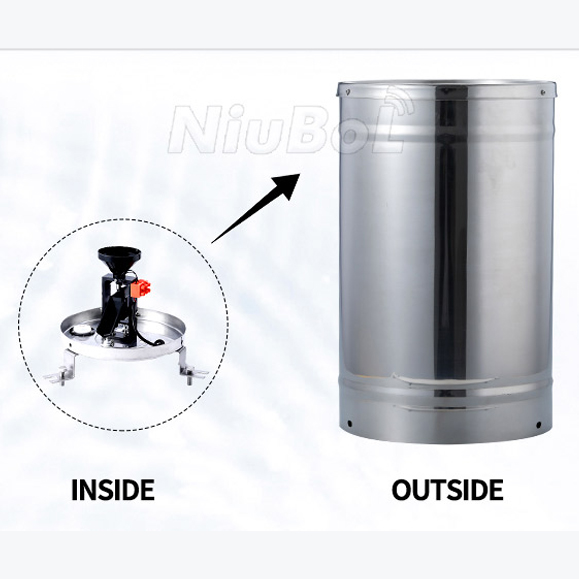 Tipping Bucket Rain Gauge
 Air Temperature and Humidity Sensor

Screenshot, WhatsApp to identify the QR code
WhatsApp number:+8615367865107
(Click on WhatsApp to copy and add friends)

