





— Blogs —
—Products—
 Consumer hotline +8618073152920
 WhatsApp:+8615367865107
Address:Room 102, District D, Houhu Industrial Park, Yuelu District, Changsha City, Hunan Province, China
Product knowledge
Time:2025-12-17 14:24:24 Popularity:854
Water is the source of life, and its quality directly affects public health and ecological balance. In the process of modernization, ensuring water quality safety has become a global important issue. In water treatment and disinfection processes, residual chlorine (Free Chlorine) is a key indicator for measuring disinfection effectiveness. It is the effective chlorine content that remains after adding chlorine-based disinfectants to water and maintains bactericidal capability.
Importance of residual chlorine: An appropriate amount of residual chlorine can continuously kill pathogens and bacteria in water, ensuring water supply safety; however, excessively high residual chlorine can produce odors, irritate the human body, and generate potentially harmful disinfection by-products; too low may lead to disinfection failure and risk of microbial exceedance.
Limitations of traditional monitoring: Traditional sampling-laboratory analysis is time-consuming, costly, and unable to achieve real-time, continuous water quality monitoring.
It is in this context that water quality residual chlorine sensors have emerged, becoming the core tool for achieving online water quality monitoring and ensuring public health. As a national high-tech enterprise specializing in smart environmental monitoring, NiuBoL provides high-precision and high-stability solutions in the field of water quality residual chlorine sensing technology.
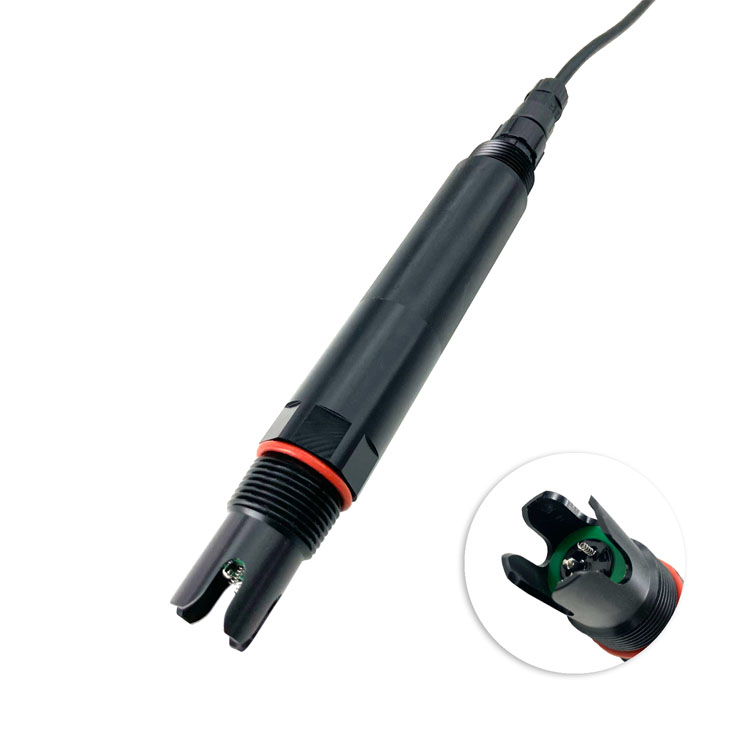
The working principle of water quality residual chlorine sensors mainly relies on converting the residual chlorine content in water samples into measurable electrical or optical signals, thereby achieving real-time quantitative analysis.
NiuBoL residual chlorine sensors adopt the leading constant voltage method (constant potential method), which is an efficient and stable electrochemical measurement technology.
Working Principle:
The constant voltage method typically includes a working electrode, a counter electrode, and a reference electrode.
The sensor applies a constant, optimized voltage (i.e., constant potential) between the electrodes.
Effective residual chlorine substances such as hypochlorous acid (HClO) and hypochlorite ions (ClO⁻) in the water sample undergo a stable electrochemical reduction reaction proportional to the residual chlorine concentration on the surface of the working electrode under the constant voltage.
This reduction reaction produces a weak current signal.
The control unit precisely measures the current intensity flowing through the electrodes. Since the current intensity is proportional to the residual chlorine concentration in the water sample, the current signal can be accurately converted into the residual chlorine concentration value (e.g., mg/L) through built-in calibration curves and algorithms.
NiuBoL sensors use imported gas-permeable membranes that allow residual chlorine molecules to pass through while isolating most interfering substances in the water body, ensuring the specificity of the reaction.
Advantages of the Constant Voltage Method:
High stability and high precision: Compared to some colorimetric methods, the constant voltage method has fast response speed and is less affected by water sample color and turbidity.
Strong anti-interference capability: Through optimized electrode materials and NiuBoL's leading magnetic isolation technology and internal signal isolation technology, it can effectively resist interference from other substances in the water body (such as pH, conductivity).
Good real-time performance: Capable of achieving fast, continuous online monitoring.
Optical sensors (colorimetric method): Utilize the color reaction of residual chlorine with specific reagents (such as DPD) and measure light absorption to indirectly determine concentration. Suitable for laboratory or intermittent measurements in specific scenarios.
Potentiometric method (chloride ion selective electrode): Measures potential difference, mainly for chloride ions rather than residual chlorine, differing from residual chlorine monitoring.
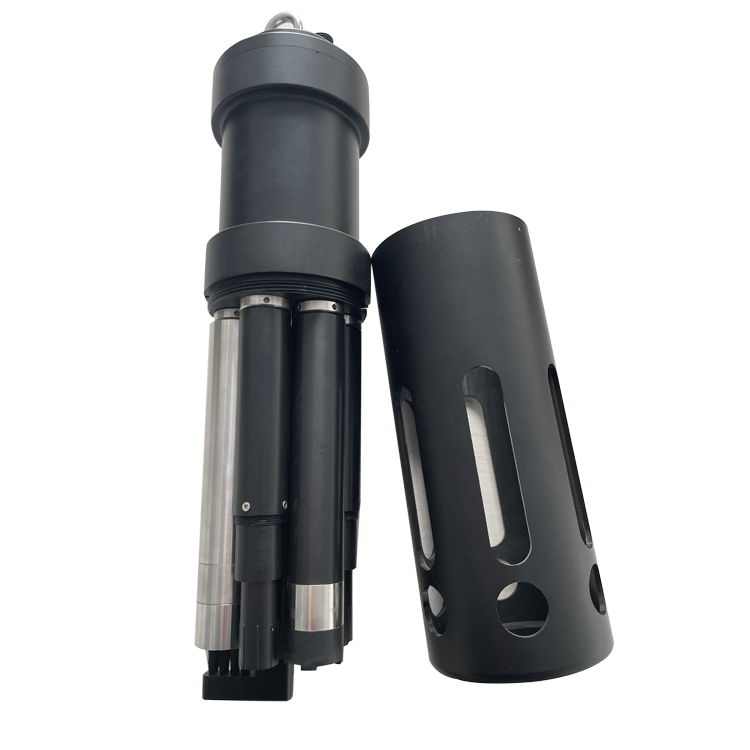
A professional water quality residual chlorine sensor, such as NiuBoL NBL-CL-206, is designed to ensure reliability in complex water environments.
| Component Name | Function Description | NiuBoL Characteristic Technology Embodiment |
|---|---|---|
| Sensing Element (Probe) | The core of the sensor, including working electrode, counter electrode, reference electrode, and electrolyte. Responsible for electrochemical reaction of residual chlorine and signal generation. | Constant voltage method principle; Uses imported gas-permeable membrane to ensure measurement specificity; Low drift design. |
| Temperature Compensation Element | Typically Pt1000 or similar thermistor, used for real-time water temperature measurement and compensation for temperature-affected electrochemical reactions. | Automatic temperature compensation (Pt1000), ensuring measurement accuracy at different temperatures. |
| Control and Signal Processing Unit | Responsible for amplifying, filtering, calibrating, and digitizing the weak current signals from the electrodes. | Internal signal isolation technology, greatly enhancing anti-interference capability. |
| Data Acquisition and Transmission System | Responsible for outputting processed digital signals to the host computer or control system. | RS-485 (Modbus-RTU standard protocol) and 4-20mA simultaneous output, strong compatibility. |
| Housing and Protection | Protects internal precision components for long-term stable operation in underwater environments. | ABS/PC alloy material, achieving IP68 waterproof standard, suitable for long-term submersion underwater. |
| Parameter Item | Specification (CL-206) |
|---|---|
| Measurement Principle | Constant Voltage Method |
| Range and Resolution | 0~2.000mg/L(HClO); Resolution 0.001 |
| Accuracy | ±5% or ±0.05mg/L |
| Response Time (T90) | < 90s (Rapid response) |
| Minimum Detection Limit | 0.05mg/L |
| Operating Conditions | pH: 4~9; Temperature 5~50°C; Pressure ≤ 0.2MPa |
| Output Method | RS-485 (Modbus-RTU) and 4-20mA simultaneous output |
| Protection Level | IP68 |
| Power Supply | 12~24VDC wide voltage power supply |
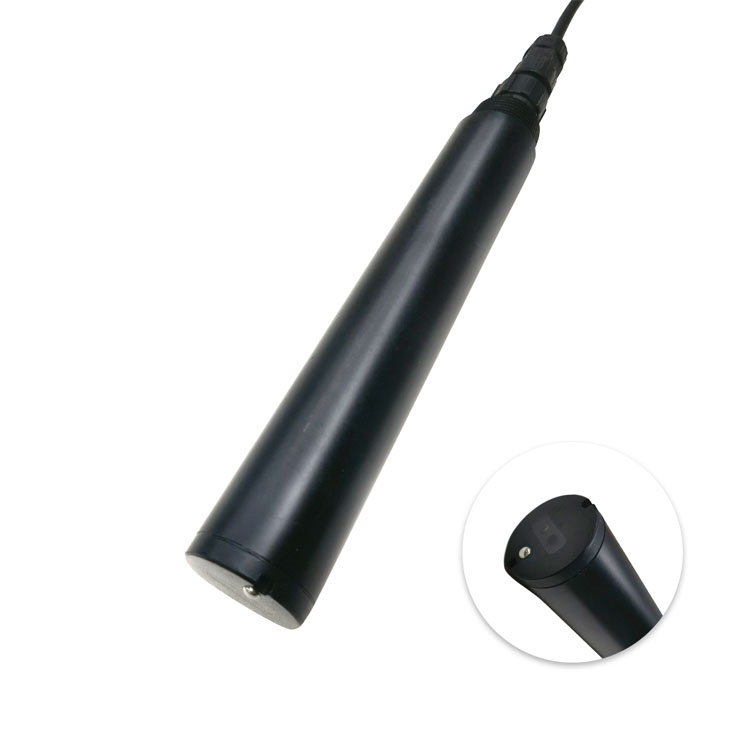
Water quality residual chlorine sensors, with their real-time and accuracy, are widely used in various fields with strict water disinfection requirements.
In tap water plants, residual chlorine is the "guardian" ensuring drinking water is not subject to secondary pollution during transportation.
Application Purpose: Real-time monitoring of residual chlorine concentration at plant outlets and key nodes in the pipe network.
Case Value: A certain city's tap water plant uses NiuBoL residual chlorine sensors for real-time monitoring. Once the residual chlorine concentration deviates from the safe range, the automatic control system (based on RS-485 data) will automatically adjust the dosage of chlorine agent, ensuring residual chlorine remains within qualified ranges, effectively preventing water-borne diseases. This achieves automated, closed-loop disinfection control, improving water quality management efficiency and safety.
Swimming pools are densely populated venues, and water quality directly affects tourist health.
Application Purpose: Maintain residual chlorine concentration in swimming water within an appropriate range (both disinfecting and non-irritating to the human body).
Case Value: A water park uses sensors for real-time monitoring of residual chlorine levels, achieving precise control of dosing pumps, avoiding skin and eye irritation to tourists caused by excessive chlorination, while ensuring water hygiene.
In industrial fields, residual chlorine is often used for wastewater disinfection or as a bactericide in circulating water.
Application Purpose: Monitor residual chlorine residue after wastewater disinfection to ensure discharge complies with environmental standards; or monitor residual chlorine levels in circulating water to prevent microbial growth.
Case Value: A certain chemical plant uses real-time monitoring of residual chlorine in wastewater treatment. When residual chlorine reaches the target value, it automatically stops chlorination, not only ensuring environmentally compliant discharge but also significantly saving disinfectant costs.
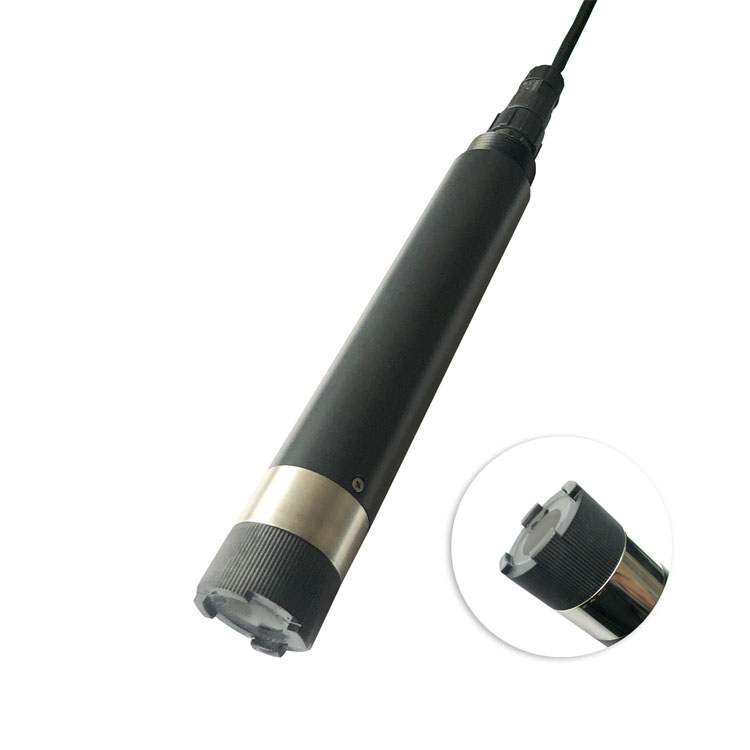
To ensure long-term stable operation and measurement accuracy of sensors, regular maintenance and calibration are crucial.
Regular Cleaning: Sensors immersed in water for long periods may have microorganisms and scale (biofouling or scaling) attached to the surface, affecting gas-permeable membrane permeability and electrode reactions. Need to regularly remove the sensor and wipe clean with a soft cloth or dedicated solution.
Electrode Activation: NiuBoL sensors indicate that new electrodes and long-stored electrodes require electrode activation before use, recommended to place in tap water for 24 hours to ensure stable electrode performance.
Cable Inspection: Check cables and connectors for damage or aging; NiuBoL CL-206's IP68 protection standard also requires sealed connectors.
NiuBoL NBL-CL-206 adopts two-point calibration:
Zero Point Calibration: Performed in pure water without residual chlorine or specific zero-point solution to determine the sensor's baseline.
Slope Calibration (Standard Solution Calibration): Performed in known high-concentration residual chlorine standard solution to adjust the sensor's response slope, ensuring accurate correspondence between measured and actual values.
Automatic Calibration Mechanism (Future Trend): High-end sensors will integrate automatic calibration mechanisms, based on internal references or periodic automatic calibration, reducing manual intervention.
| Technical Challenge | Challenge Impact | Advanced Technology Solutions like NiuBoL |
|---|---|---|
| Interfering Substances Impact | Other redox substances in water (such as Fe³⁺, Mn²⁺, turbidity) interfere with residual chlorine measurement. | Imported gas-permeable membrane selectivity; Signal processing algorithms to suppress interference signals, improving selectivity. |
| Temperature Variations | Temperature affects electrochemical reaction rates, reducing measurement accuracy. | Automatic temperature compensation (built-in Pt1000), correcting temperature effects on results. |
| Precise Calibration | Calibration process in actual applications is complex and susceptible to environmental conditions. | Simplified two-point calibration process; Future integration of intelligent algorithms and data filtering technology to improve calibration stability and data noise resistance. |

Water quality residual chlorine sensor technology is moving towards higher integration, higher intelligence, and deep integration with cutting-edge information technologies.
Future sensors will no longer measure single parameters only. NiuBoL and other smart environmental monitoring solutions will develop towards multi-parameter integration, integrating residual chlorine, pH, temperature, oxidation-reduction potential (ORP), and even turbidity in a single probe for comprehensive, one-stop monitoring of water body health.
Combining real-time data acquired by sensors with artificial intelligence (AI) and big data technologies to achieve truly intelligent water quality management.
Anomaly Detection and Early Warning: AI models can learn normal water quality data features, real-time identify water quality anomalies (such as sudden drop in residual chlorine indicating disinfection failure), and issue precise warnings promptly.
Predictive Maintenance: Based on sensor historical data and operating status, predict when maintenance or calibration is needed, shifting from "regular maintenance" to "predictive maintenance".
Intelligent Decision-Making: According to water quality change trends and external factors like weather and flow, AI can optimize chlorine agent dosing strategies for more precise and economical agent use.
With the development of the Internet of Things (IoT), sensors will develop towards smaller, lighter, lower power consumption, and support wireless communication (such as LoRaWAN, 4G/5G/WiFi), facilitating large-scale, distributed deployment and monitoring in vast water supply networks, rivers, and lakes in field environments.
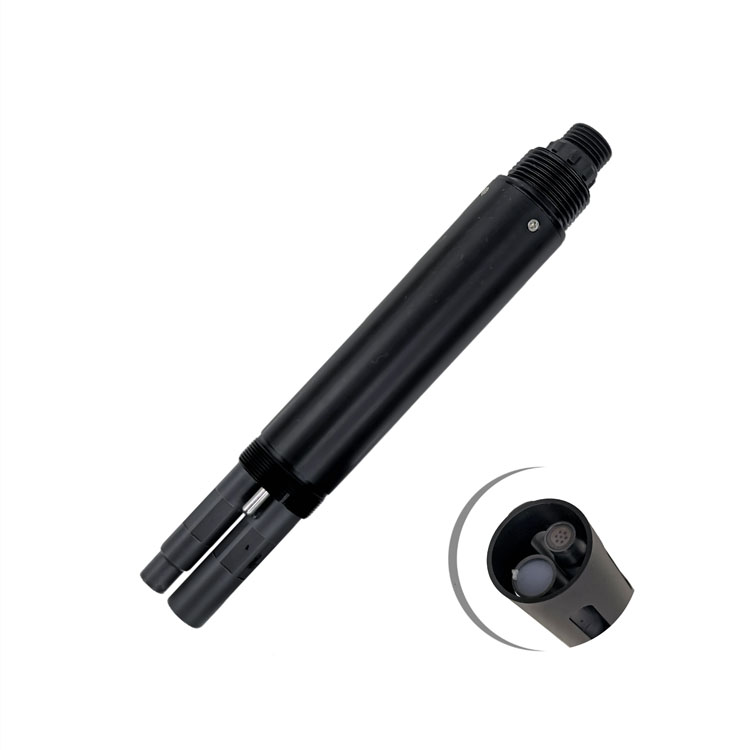
Water quality residual chlorine sensors are indispensable "nerve endings" in modern water quality management systems. Excellent manufacturers like NiuBoL, through adopting advanced constant voltage method, IP68-level protection, and powerful anti-interference technology, effectively solve the pain points of traditional water quality monitoring, achieving real-time, continuous, high-precision monitoring of water quality.
From closed-loop disinfection control in drinking water plants, to health management in swimming pools, to compliance discharge in industrial wastewater, residual chlorine sensors are building a solid defense line for sustainable use of water resources and public health. Looking to the future, with the intelligence and integration of sensor technology, water quality monitoring will be more efficient and convenient, providing stronger technical support for building a safe water use environment.
 NBL-RDO-206 Online Fluorescence Dissolved Oxygen Sensor.pdf
NBL-COD-208 Online COD Water Quality Sensor.pdf
NBL-CL-206 Water Quality Sensor Online Residual Chlorine Sensor.pdf
Related recommendations
Sensors & Weather Stations Catalog
Agriculture Sensors and Weather Stations Catalog-NiuBoL.pdf
Weather Stations Catalog-NiuBoL.pdf
Agriculture Sensors Catalog-NiuBoL.pdf
Water Quality Sensor Catalog-NiuBoL.pdf
Related products
 Combined air temperature and relative humidity sensor
 TDR Soil Moisture & Temperature Sensor for irrigation| RS485 |4-20mA| NBL-S-THR
 Soil pH sensor RS485 soil Testing instrument soil ph meter for agriculture |NBL-S-PH
 Wind Speed sensor Output Modbus/RS485/Analog/0-5V/4-20mA
 Tipping bucket rain gauge for weather monitoring auto rainfall sensor RS485/Outdoor/stainless steel
 Pyranometer Solar Radiation Sensor 4-20mA/RS485

Screenshot, WhatsApp to identify the QR code
WhatsApp number:+8615367865107
(Click on WhatsApp to copy and add friends)

