





— Blogs —
—Products—
 Consumer hotline +8618073152920
 WhatsApp:+8615367865107
Address:Room 102, District D, Houhu Industrial Park, Yuelu District, Changsha City, Hunan Province, China
Product knowledge
Time:2025-12-17 14:12:46 Popularity:815
Water is the most important resource on Earth, and dissolved oxygen (Dissolved Oxygen, DO) in water bodies is one of the most critical parameters for assessing water quality health. Dissolved oxygen is not only essential for the survival of aquatic organisms (such as fish, shrimp, and microorganisms), but also a determining factor in water self-purification capacity, pollutant decomposition rate, and ecosystem stability.
Definition of dissolved oxygen: The concentration of dissolved oxygen molecules (O₂) in water, usually expressed in milligrams per liter (mg/L) or saturation (%).
Monitoring value:
Environmental health: Monitoring DO levels in rivers, lakes, and reservoirs is an effective means to warn of water eutrophication, hypoxic zone formation, and algal blooms.
Economic benefits: In aquaculture, precise control of DO levels can maximize breeding density and biological health, avoiding huge losses due to hypoxia.
Facing the lag of traditional sampling analysis, advanced water quality dissolved oxygen sensors represented by NiuBoL have achieved high-precision, real-time online monitoring, becoming an indispensable tool for modern water environment management.
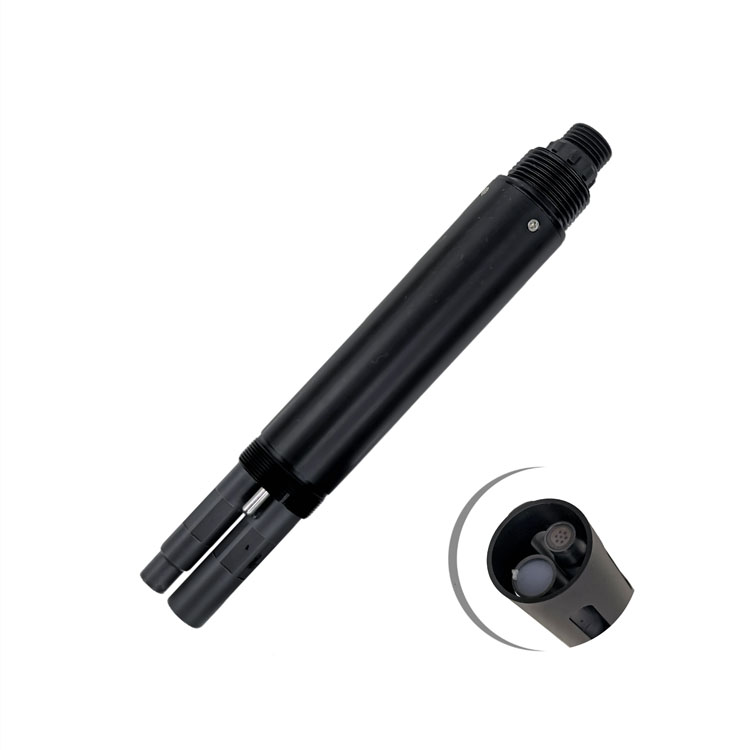
Currently, water quality dissolved oxygen sensors on the market are mainly divided into two categories: electrochemical method (membrane type) and optical method (fluorescence method).
1. Limitations of Traditional Electrochemical (Membrane Type) Sensors
Electrochemical methods (including galvanic and polarographic sensors) rely on oxygen reduction reactions occurring on electrodes after oxygen permeates through the membrane. Although widely used, they have the following maintenance and operational difficulties:
Require regular replacement of electrolyte.
Consume oxygen during measurement, easily affected by water flow velocity.
Prone to polarization, with relatively long response time.
2. New Generation Optical Method (Fluorescence Method): Principle and Advantages
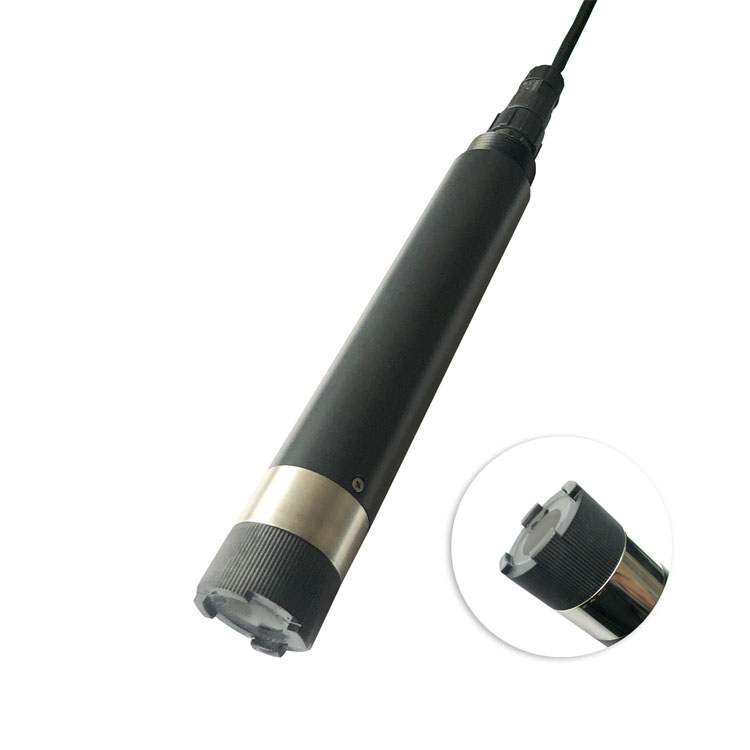
NiuBoL NBL-RDO-206 adopts the new generation fluorescence dissolved oxygen sensing technology, designed based on the principle of excited fluorescence quenching in physics.
Working Principle:
Excitation and Luminescence: The sensor emits a beam of excitation light of a specific wavelength to irradiate the oxygen-sensitive fluorescent substance on the surface of the fluorescent membrane cap. After being excited, the fluorescent substance emits fluorescence.
Quenching: When oxygen molecules in water contact the fluorescent substance, they absorb the energy of the fluorescent substance, causing a decrease in fluorescence intensity and a shortening of the fluorescence lifetime. The higher the oxygen molecule concentration, the shorter the quenching time.
Measurement and Calculation: The sensor precisely detects the phase difference between fluorescence and excitation light (i.e., fluorescence quenching time), and combines internal calibration curves, built-in temperature and salinity compensation algorithms to accurately calculate the DO concentration in water.
Core Technical Advantages of Fluorescence Method:
No oxygen consumption: No chemical reaction involved, no oxygen consumption, unaffected by water flow velocity, stable measurement.
Simple maintenance, low cost: No electrolyte required, no polarization. NBL-RDO-206 fluorescent membrane cap is easy to replace, with a lifespan of up to 1 year, lower usage cost.
High precision and fast response: Low drift, fast response time (T90 < 30s).
Strong anti-interference: Built-in salinity compensation, unaffected by sulfides and other chemicals, ensuring accurate readings.

NiuBoL NBL-RDO-206 is an integrated online sensor designed to meet the needs of long-term, high-intensity underwater monitoring.
1. Key Components and Design Features
| Component Name | NiuBoL Characteristic Technology Embodiment | Function Description |
|---|---|---|
| Fluorescent Membrane Cap | Lifespan 1 year, easy replacement | Core area where oxygen molecules cause quenching reaction. |
| Built-in Pt1000 Sensor | Automatic temperature compensation | Real-time measurement of water temperature, correcting DO values to ensure accuracy at different temperatures. |
| High-Performance Housing | POM, ABS/PC alloy, 316L stainless steel | Ensures durability, protection rating up to IP68. |
| Data Transmission System | RS-485 (Modbus/RTU) standard protocol | Ensures stable data transmission and compatibility with industrial control systems. |
| Intelligent Algorithm | Built-in salinity compensation | Ensures measurement accuracy in saline or high-salinity water bodies. |
2. NBL-RDO-206 Dissolved Oxygen Sensor Technical Parameters
| Parameter Item | Specification (NBL-RDO-206) |
|---|---|
| Measurement Principle | Fluorescence Method |
| Measurement Range | 0~20.00mg/L (0~200% saturation) |
| Accuracy | ±2% F.S. |
| Response Time (T90) | < 30s (fast response) |
| Lower Detection Limit | 0.08mg/L |
| Operating Conditions | 0~50°C, pressure ≤ 0.2MPa |
| Output Method | RS-485 (Modbus/RTU) |
| Protection Rating | IP68 |
| Power Supply | 12~24V DC wide voltage |
| Power Consumption | 0.2W@12V (low power design) |
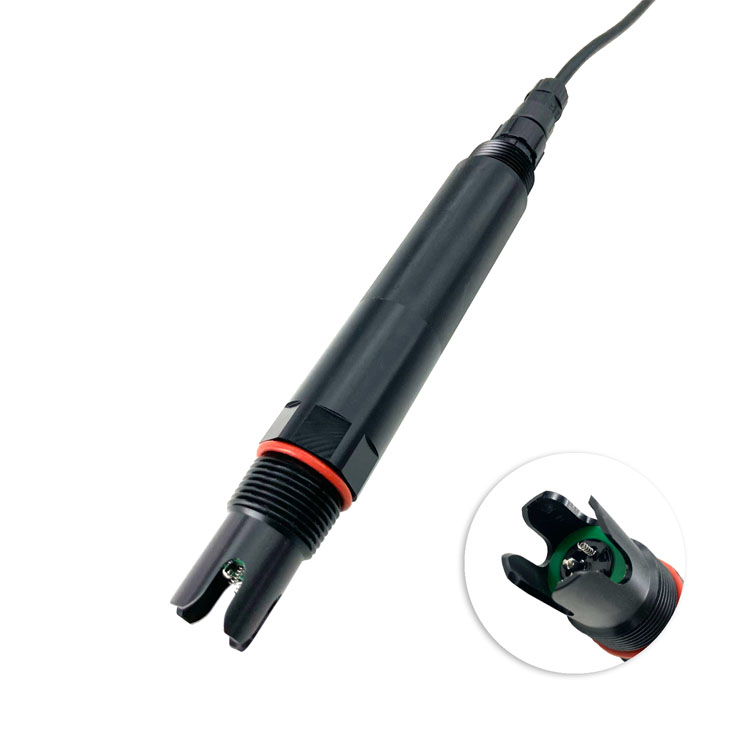
The high stability and low maintenance characteristics of NiuBoL fluorescence dissolved oxygen sensor make it a powerful assistant for water environment monitoring:
1. Aquaculture Industry: Precise Regulation for Bountiful Harvests
Dissolved oxygen is the "lifeline" of aquaculture, and precise control of DO levels is key to improving yield and quality.
Application Value: The sensor monitors DO concentration in ponds and tanks in real time, transmitting data via RS-485 interface to the control center for automated control of oxygenation equipment. When DO falls below the set threshold (e.g., 5mg/L), the system automatically starts oxygenation, avoiding fish and shrimp deaths due to hypoxia and ensuring healthy growth of aquatic organisms.
2. Natural Water Bodies and Environmental Monitoring: Early Warning of Water Ecological Crises
In lakes, rivers, reservoirs, and other natural water bodies, DO is a direct indicator of water self-purification capacity and pollution degree.
Application Value: The sensor is installed for long-term immersion to build a water quality monitoring network. Real-time monitoring can detect eutrophication and hypoxic zones early, providing timely and accurate data to environmental protection departments to assist in preventing water pollution and algal blooms.
3. Tap Water and Industrial Water Treatment: Process Optimization and Energy Saving
Tap water treatment: Monitoring dissolved oxygen in water helps adjust oxidation-reduction potential, optimize water treatment processes, and assess corrosion risks in water supply networks.
Wastewater treatment: In biochemical reaction aeration tanks, the sensor precisely monitors DO to guide intelligent variable frequency control of aeration fans, avoiding energy waste from excessive aeration and achieving energy savings.
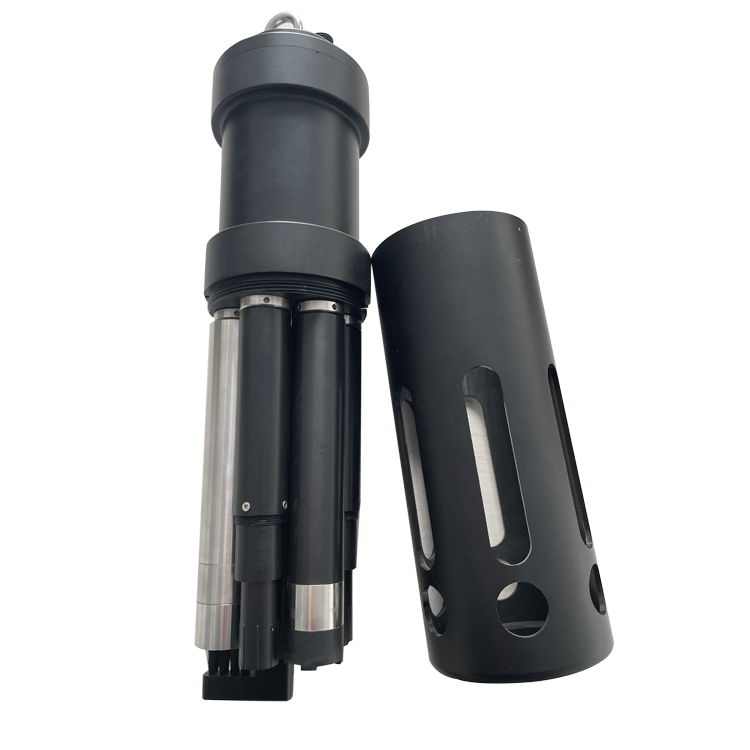
Although fluorescence method requires simple maintenance, proper care is crucial for ensuring long-term accuracy and lifespan of the sensor.
1. Daily Maintenance and Care
Cleaning the sensor: Recommended to clean once every 30 days. Rinse the outer surface with clean water; for stubborn dirt, gently wipe with a damp soft cloth and household detergent.
Inspection and replacement: Check the sensor and fluorescent membrane cap for damage every 30 days; under normal use, replace the fluorescent membrane cap once a year.
Fluorescent membrane cap care: When not in use, the fluorescent membrane cap must be covered with a rubber protective cap containing a wet sponge to keep the measurement area surface moist. If the membrane cap is dry for a long time, measurement errors will occur, and it needs to be soaked in water for 48 hours to recover.
Important Notes:
Avoid physical damage: Do not touch the fluorescent membrane with hands or apply any mechanical stress (pressure, scratches) directly to it.
Avoid sun exposure: Prevent the inner surface of the fluorescent membrane cap from being exposed to sunlight.
Avoid air bubbles: During measurement and calibration, ensure no air bubbles adhere to the fluorescent membrane surface.
2. Dissolved Oxygen Sensor Calibration Method
NBL-RDO-206 uses two-point calibration:
Zero point calibration: Performed in oxygen-free water (such as sodium sulfite solution).
Slope calibration: Performed in air-saturated water or saturated air.
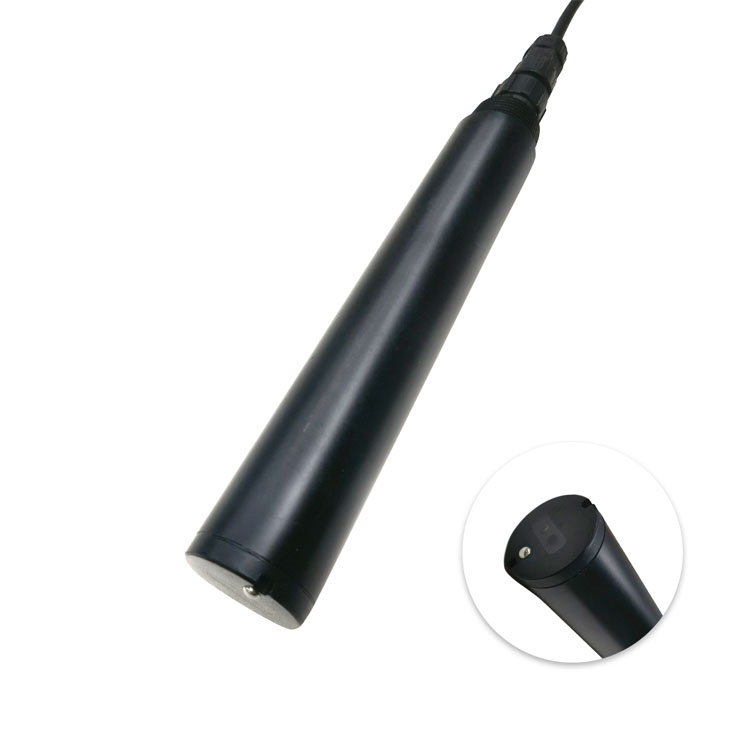
Dissolved oxygen in water is dynamic and varies with water temperature, atmospheric pressure, and salinity.
1. Reference for Normal Range of Dissolved Oxygen
Freshwater environment: Saturated dissolved oxygen is approximately 4~15 mg/L. The minimum acceptable concentration is about 5 mg/L; below this value negatively affects most aquatic organisms.
Seawater environment: Saturated dissolved oxygen is approximately 6~8 mg/L.
2. Indicative Significance of DO Concentration
| DO Concentration Level | Typical Indicated Situation | Water Body Health Status |
|---|---|---|
| High Dissolved Oxygen | Good water circulation (rapids, aeration), low water temperature, vigorous photosynthesis. | Healthy. Conducive to supporting balance and biodiversity of aquatic ecosystems. |
| Low Dissolved Oxygen | Poor water flow, high water temperature, severe organic pollution, massive oxygen consumption by microbial decomposition. | Unhealthy. Causes stress to fish survival, may lead to black and odorous water or biological suffocation. |
Water quality dissolved oxygen sensors are core tools for maintaining water ecological health and ensuring water resource safety. NiuBoL NBL-RDO-206 fluorescence sensor, with its significant advantages of no electrolyte required, low maintenance cost, and high precision, completely overcomes the pain points of traditional electrochemical methods, achieving more stable, accurate, and efficient online monitoring.
Looking to the future, with the intelligence and integration of sensor technology, dissolved oxygen sensors will further achieve multi-parameter integration, intelligent diagnosis, and remote wireless transmission, providing more reliable and efficient technical support for global water environment protection and sustainable development.
Q1: Why does the fluorescence sensor not require electrolyte and is not affected by flow velocity?
A1: The fluorescence method is based on physical principles (fluorescence quenching), without involving electrochemical reactions or current generation, so it does not consume oxygen, naturally does not require electrolyte, and measurement results are not affected by water flow velocity.
Q2: Can the fluorescent membrane cap be replaced by myself? What is the replacement frequency?
A2: The fluorescent membrane cap of NiuBoL NBL-RDO-206 is designed for easy screw-off replacement. Under normal use, it is recommended to replace it once a year to ensure sensor accuracy is not affected by natural decay of the fluorescent substance.
Q3: In saline water bodies (such as seawater aquaculture), will the measurement results be accurate?
A3: Yes. NiuBoL NBL-RDO-206 has built-in salinity compensation function. Since dissolved salts in water reduce oxygen solubility, the sensor automatically corrects in the internal algorithm by receiving externally set salinity parameters, ensuring measurement accuracy in different salinity environments (including seawater).
 NBL-RDO-206 Online Fluorescence Dissolved Oxygen Sensor.pdf
NBL-COD-208 Online COD Water Quality Sensor.pdf
NBL-CL-206 Water Quality Sensor Online Residual Chlorine Sensor.pdf
Prev:NiuBoL COD Sensor Ultraviolet Absorption Principle and Smart Application
Next:Core Technology, Applications, and Future Trends of NiuBoL Residual Chlorine Sensor
Related recommendations
Sensors & Weather Stations Catalog
Agriculture Sensors and Weather Stations Catalog-NiuBoL.pdf
Weather Stations Catalog-NiuBoL.pdf
Agriculture Sensors Catalog-NiuBoL.pdf
Water Quality Sensor Catalog-NiuBoL.pdf
Related products
 Combined air temperature and relative humidity sensor
 TDR Soil Moisture & Temperature Sensor for irrigation| RS485 |4-20mA| NBL-S-THR
 Soil pH sensor RS485 soil Testing instrument soil ph meter for agriculture |NBL-S-PH
 Wind Speed sensor Output Modbus/RS485/Analog/0-5V/4-20mA
 Tipping bucket rain gauge for weather monitoring auto rainfall sensor RS485/Outdoor/stainless steel
 Pyranometer Solar Radiation Sensor 4-20mA/RS485

Screenshot, WhatsApp to identify the QR code
WhatsApp number:+8615367865107
(Click on WhatsApp to copy and add friends)

