





— Blogs —
—Products—
 Consumer hotline +8618073152920
 WhatsApp:+8615367865107
Address:Room 102, District D, Houhu Industrial Park, Yuelu District, Changsha City, Hunan Province, China
Product knowledge
Time:2026-01-22 10:46:30 Popularity:674
In the fields of water affairs and environmental management, water quality safety is no longer just a matter of “whether it meets the standard,” but a systematic project involving public health, operational costs, compliance risks, and social responsibility. Traditional reliance on manual sampling and laboratory analysis suffers from data lag, insufficient representativeness, and slow emergency response, making it difficult to meet current refined management needs.
The value of online water quality sensors lies in continuity, real-time capability, and traceability. They can continuously output stable data streams under unattended conditions, providing foundational data support for water quality regulation, risk early warning, and management decision-making. NiuBoL has built an online water quality monitoring solution covering “disinfection effectiveness — basic physicochemical indicators — organic pollution level” around key monitoring parameters for water supply systems and environmental water bodies.
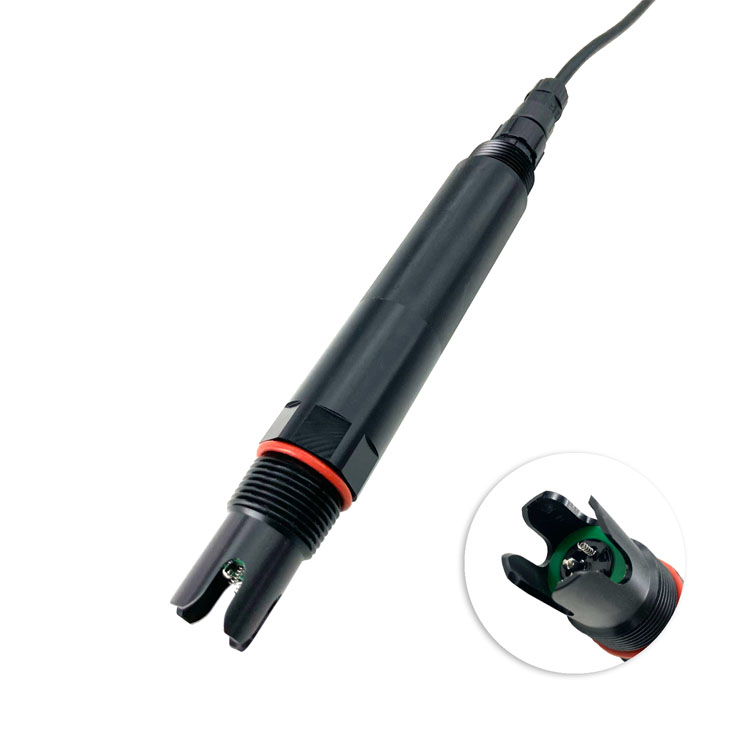
In drinking water treatment processes, chlorine disinfection remains the most commonly used and economical method. Residual chlorine is not “the higher the better,” nor can it fall below a safe threshold. Too low results in insufficient sustained disinfection, allowing microbial growth during transmission; too high may cause odor, irritation, or even the risk of disinfection by-products.
Therefore, residual chlorine is not a “spot-check parameter” but a key indicator requiring dynamic full-process monitoring, especially at water plant outlets, transmission pipe network nodes, and terminal locations.
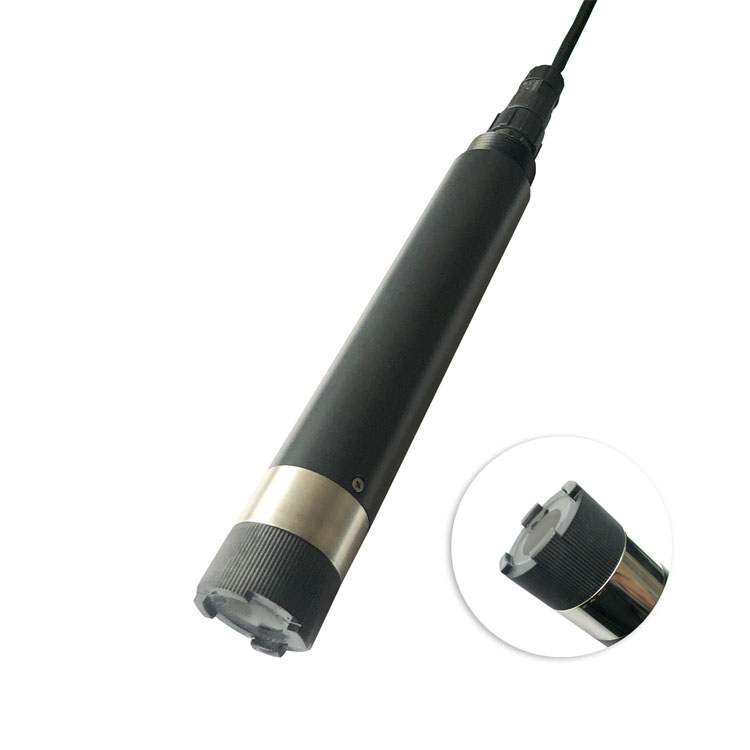
The NiuBoL online residual chlorine sensor is used for real-time measurement of residual chlorine content in aqueous solutions. It supports long-term submersion installation and continuously outputs stable data. It is widely applicable to:
Drinking water treatment plants and finished water monitoring
Urban water supply distribution pipe networks
Bottled drinking water production lines
Swimming pools and public water bodies
Cooling circulating water systems
Various water treatment projects
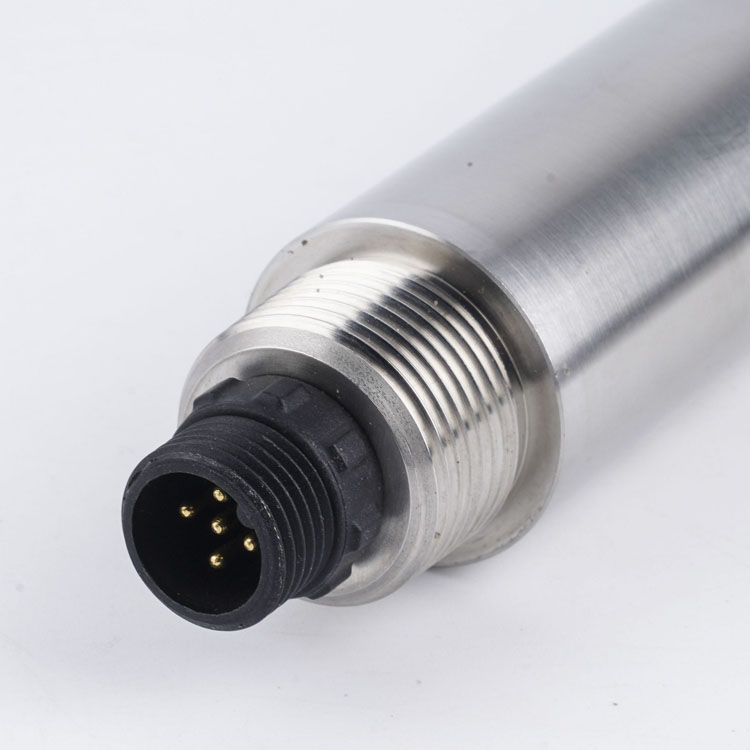
Measurement Range: 0 ~ 5.00 mg/L, covering the conventional control range for drinking water
Resolution: 0.01 mg/L, suitable for fine-tuned disinfection dosing
Measurement Accuracy: ±5% (reading), meeting engineering monitoring requirements
Temperature Compensation Accuracy: ±0.3 ℃, reducing the impact of ambient temperature on measurement results
Communication Method: RS485 (MODBUS-RTU), facilitating system integration
Housing Material: ABS
Protection Rating: IP68, supporting long-term online operation
Through the online residual chlorine sensor, water plants can shift from “experience-based dosing” to “data-driven dosing,” ensuring disinfection safety while avoiding chemical waste and overdose risks. This refined management approach holds practical significance amid current tightening of water utility operational cost control and compliance supervision.
Water quality that meets standards at the plant outlet does not guarantee safety at the terminal. Aging transmission pipelines, leaky joints, inadequate water tank management, and other issues can cause water quality changes during conveyance. The secondary water supply stage is the area where water quality risks are most easily overlooked but where complaints and incidents are most concentrated.
pH, conductivity, and turbidity are basic indicators reflecting the physicochemical state of water bodies. They are highly sensitive to water quality changes and represent the most cost-effective parameter combination for online monitoring in secondary water supply.
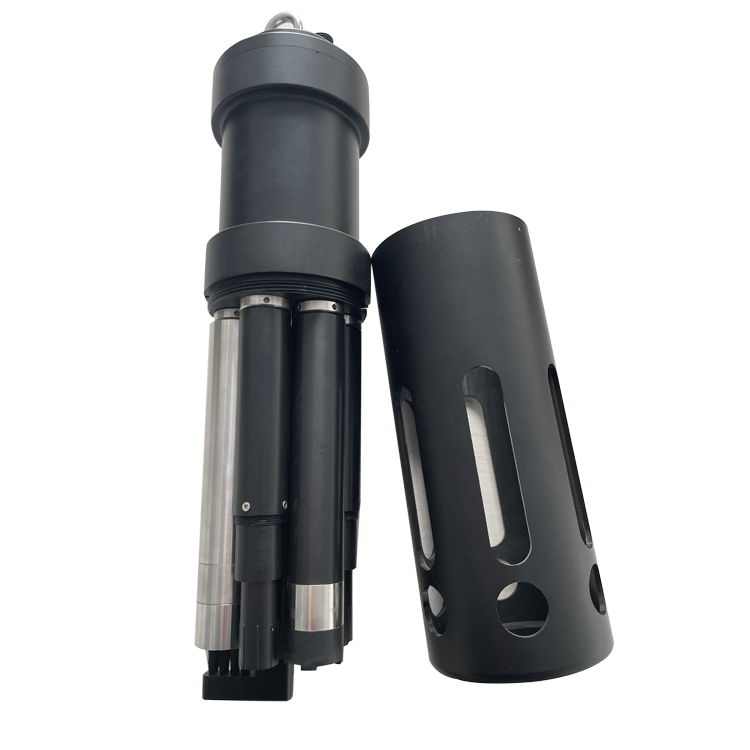
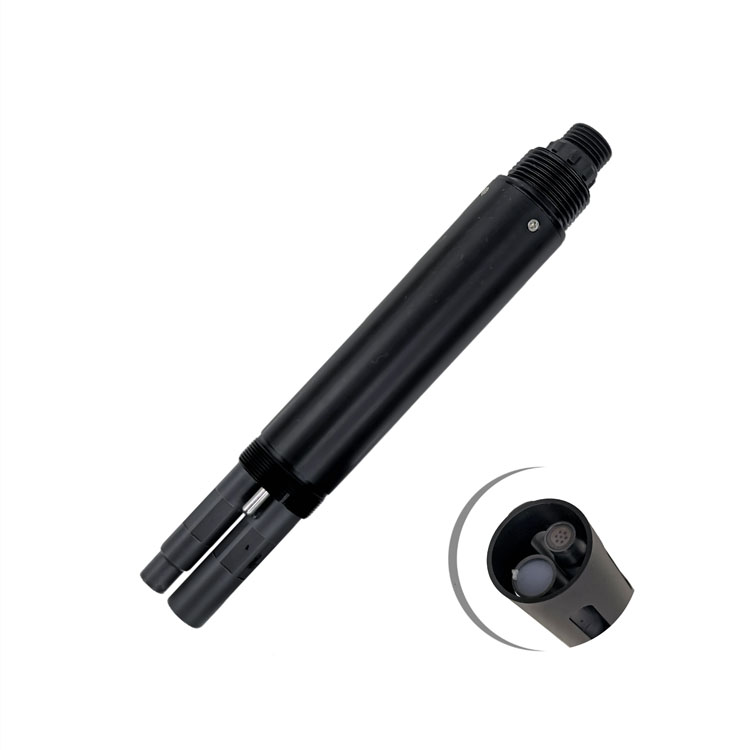
The NiuBoL pH/conductivity/turbidity online monitoring equipment is a multi-parameter integrated online monitoring system that can flexibly configure sensor combinations according to project needs. Common monitoring parameters include:
pH: Reflects the acid-base balance state of the water body
Conductivity: Reflects changes in dissolved ion content
Turbidity: Reflects suspended particles and pipe network disturbances
Residual chlorine, water temperature, and other expandable parameters
Tap water plant process monitoring
Key nodes in transmission pipe networks
Secondary water supply pump rooms and water tanks
Terminal water quality supervision in residential communities
Multi-parameter online monitoring enables managers to quickly determine the nature of water quality anomalies: whether due to pipe disturbance, external pollution, or insufficient disinfection. Compared to single indicators, this comprehensive judgment approach is more conducive to rapid problem localization and reduces the risk of misjudgment.
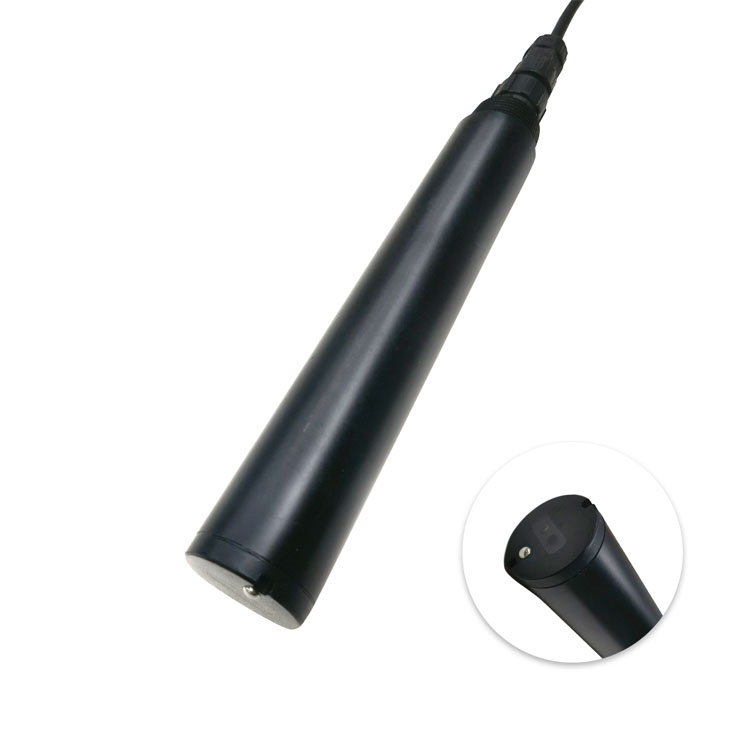
COD (Chemical Oxygen Demand) is a key indicator for measuring the total amount of organic pollutants in water bodies. It plays an irreplaceable role in surface water evaluation, wastewater treatment effect assessment, and discharge regulation. An increase in COD value often indicates increased organic pollution load and rising ecological risk.
The NiuBoL online COD analyzer integrates COD sensor, measurement module, communication, and data storage functions, enabling automatic and continuous monitoring of water body COD parameters and reducing manual intervention.
The equipment supports storage of historical data and alarm records, providing a reliable data foundation for trend analysis and management decision-making.

Source water monitoring in tap water plants
Groundwater and surface water environmental monitoring
Rivers, lakes, and nearshore water bodies
Influent and effluent monitoring in wastewater treatment plants
Industrial wastewater process supervision
Suitable for long-term online operation with stable data
Modular probe design for more flexible maintenance
Supports multi-parameter expansion to adapt to different project needs
Q1. Are online water quality sensors suitable for long-term unattended operation?
Yes. The equipment adopts an industrial-grade design and supports continuous online monitoring and remote data acquisition.
Q2. Why can't secondary water supply monitoring rely solely on residual chlorine?
Residual chlorine only reflects disinfection status; pH, conductivity, and turbidity are more helpful in determining the causes of physical and chemical changes.
Q3. Can online COD monitoring replace laboratory analysis?
Online monitoring is more suitable for process control and trend judgment; laboratory analysis can serve as a calibration and verification method.
Q4. What are the advantages of the RS485 MODBUS-RTU protocol?
Stable communication, strong anti-interference capability, and easy integration with PLC, water utility platforms, or SCADA systems.
Q5. Does the equipment support customized configuration?
Yes, different water quality sensors can be flexibly combined according to project requirements.
Q6. What is the greatest management value of online monitoring?
Detecting risks in advance rather than accountability after the fact.
The essence of online water quality monitoring is to make water quality status “visible, controllable, and traceable.” From the online residual chlorine sensor for disinfection effectiveness control, to the multi-parameter online water quality monitoring equipment ensuring safety in pipe networks and secondary water supply, to the online COD analyzer evaluating organic pollution levels, NiuBoL provides a set of fundamental water quality monitoring tools that meet real engineering needs.
Through stable and continuous data output, it helps users shift from passive problem response to proactive water quality risk management, providing long-term reliable data support for drinking water safety and water environment governance.
 NBL-RDO-206 Online Fluorescence Dissolved Oxygen Sensor.pdf
NBL-COD-208 Online COD Water Quality Sensor.pdf
NBL-CL-206 Water Quality Sensor Online Residual Chlorine Sensor.pdf
Related recommendations
Sensors & Weather Stations Catalog
Agriculture Sensors and Weather Stations Catalog-NiuBoL.pdf
Weather Stations Catalog-NiuBoL.pdf
Agriculture Sensors Catalog-NiuBoL.pdf
Water Quality Sensor Catalog-NiuBoL.pdf
Related products
 Combined air temperature and relative humidity sensor
 TDR Soil Moisture & Temperature Sensor for irrigation| RS485 |4-20mA| NBL-S-THR
 Soil pH sensor RS485 soil Testing instrument soil ph meter for agriculture |NBL-S-PH
 Wind Speed sensor Output Modbus/RS485/Analog/0-5V/4-20mA
 Tipping bucket rain gauge for weather monitoring auto rainfall sensor RS485/Outdoor/stainless steel
 Pyranometer Solar Radiation Sensor 4-20mA/RS485

Screenshot, WhatsApp to identify the QR code
WhatsApp number:+8615367865107
(Click on WhatsApp to copy and add friends)

