





— Blogs —
—Products—
 Consumer hotline +8618073152920
 WhatsApp:+8615367865107
Address:Room 102, District D, Houhu Industrial Park, Yuelu District, Changsha City, Hunan Province, China
Product knowledge
Time:2025-12-10 14:00:09 Popularity:739
A road weather station is a comprehensive road detection system specifically designed for the transportation industry. It is a typical integrated road monitoring station whose core mission is to promptly identify abnormal traffic environmental factors and meteorological conditions.
By integrating high-precision meteorological sensors and professional road condition detection equipment, the system continuously monitors road surface condition (ice, snow, water), visibility, weather phenomena, and basic meteorological parameters (wind speed, wind direction, temperature/humidity/pressure, and rainfall). It provides scientific, real-time data for meteorological and traffic management departments and is key infrastructure for road safety early warning, transportation efficiency improvement, and public driving safety.
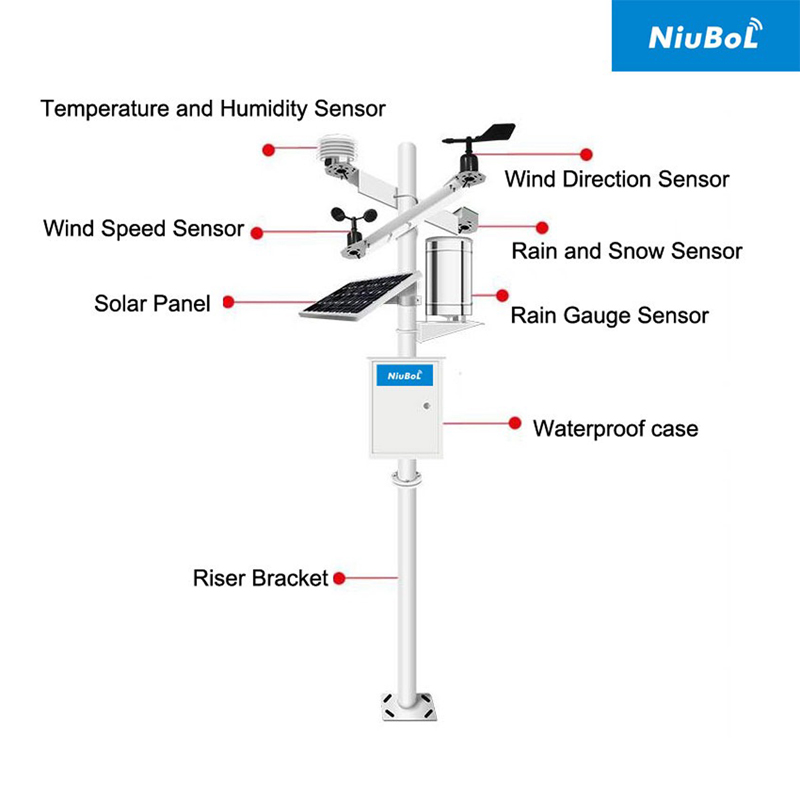
With over a decade of experience in intelligent sensor R&D, NiuBoL is committed to delivering accurate, high-quality, and intelligent measurement instruments and solutions. Our road weather solution offers the following unique values:
Comprehensiveness and targeting: Covers both basic meteorological parameters and key traffic safety elements (visibility, road surface condition).
Non-contact road surface detection technology: Uses remote sensing non-contact road surface condition sensors, eliminating road damage and traffic interference during installation, with extremely low maintenance costs.
High reliability and harsh environment adaptability: All sensors feature rugged housings and professional designs, ensuring stable operation and accurate data in severe weather.
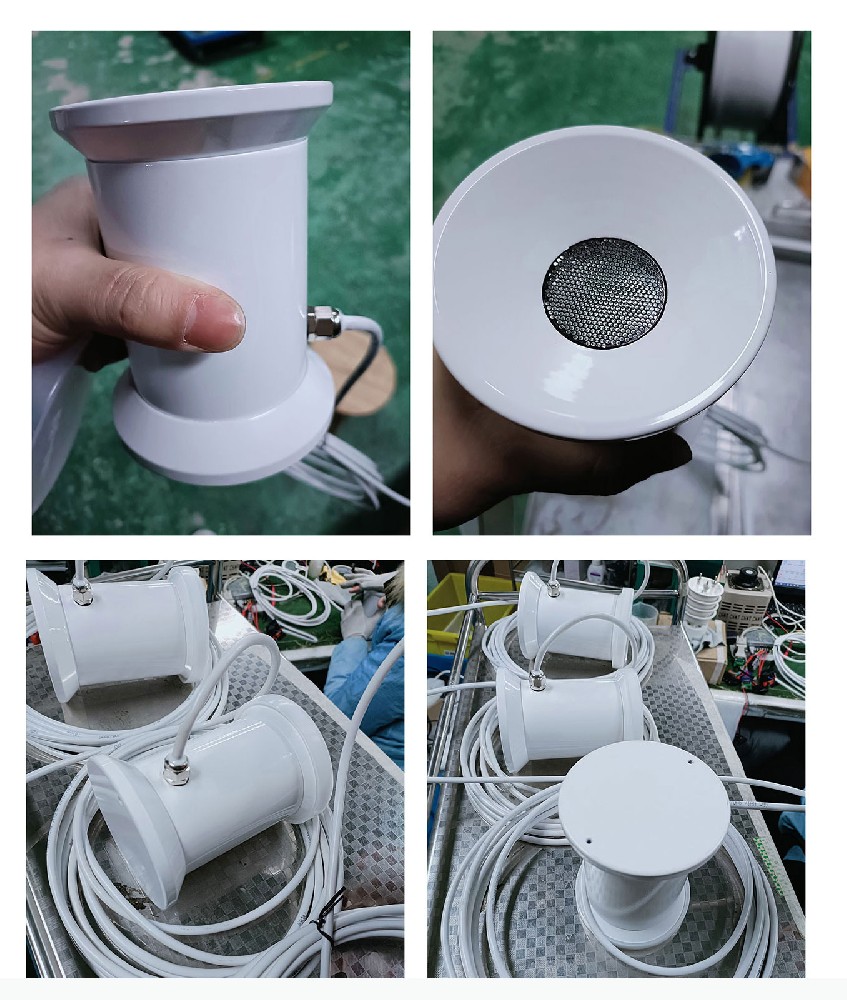
A complete NiuBoL road weather station consists of the following key components:
Key Traffic Safety Sensors (Core):
• Visibility Meter (NBL-W-VS): Detects visibility for fog/haze warnings
• Road Surface Condition Sensor (NBL-W-RSCS): Detects ice, snow, water thickness for icing/slippery warnings
Basic Meteorological Sensors:
• Atmospheric Temp/Humidity/Pressure Sensor (NBL-W-LBTH)
• Wind Direction Sensor (NBL-W-DS) / Wind Speed Sensor (NBL-W-SS)
• Tipping-Bucket Rainfall Sensor (NBL-W-RS)
Data Acquisition & Transmission Unit: Processes, stores, and uploads data in real time via wired/wireless (4G/5G/WiFi) to traffic management platforms.
Auxiliary Structures: Observation mast, radiation shield (protects temp/humidity/pressure sensor), power supply system (mains or solar).
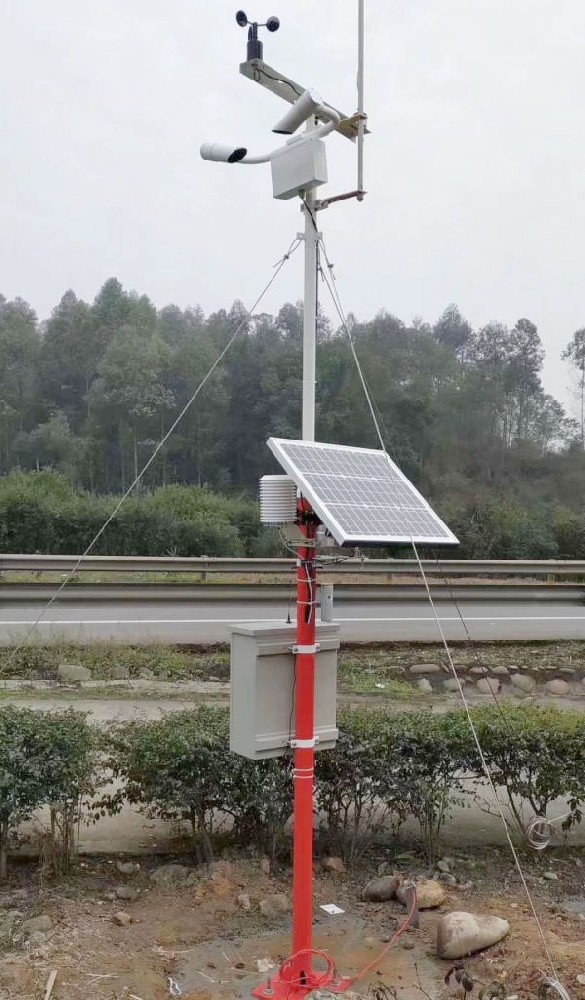
| Sensor Name | NiuBoL Model | Core Measurement Principle | Key Role in Traffic Safety |
|---|---|---|---|
| Visibility Meter | NBL-W-VS | Forward scattering measurement principle | Monitors particles, droplets, fog, provides actual visibility value |
| Road Surface Condition Sensor | NBL-W-RSCS | Multi-spectral measurement technology (remote sensing) | Analyzes different spectral characteristics of reflected light to distinguish and measure ice, snow, water thickness |
| Atmospheric Temp/Humidity/Pressure | NBL-W-LBTH | Capacitive/Resistive/MEMS | Provides basis for icing conditions (0°C) and humidity judgment |
NBL-W-RSCS uses advanced multi-spectral measurement technology — a non-contact (remote sensing) method. It emits specific wavelength beams to the road surface and receives reflected spectral signals. Ice, snow, and water have unique absorption/reflection characteristics across different spectra. By precisely analyzing these reflected spectra, the detector accurately distinguishes surface covering type (dry, wet, frost, ice, snow) and measures thickness, achieving high-precision warning without interfering with traffic.
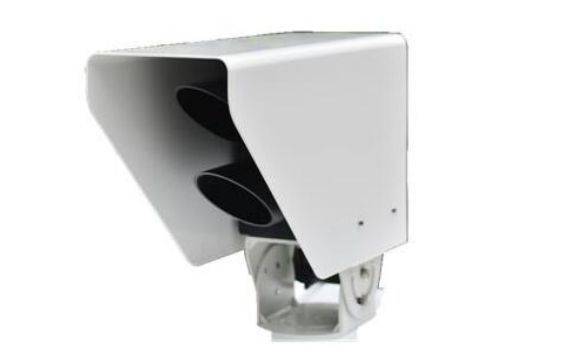
Scientific installation directly affects data accuracy and warning capability.
Visibility Meter Installation: Height typically 1.5–3 m to match driver line of sight. Choose open view, avoid local smoke, steam, or building reflections.
Road Surface Condition Sensor (NBL-W-RSCS): Non-contact remote sensing allows installation on existing mast or nearby structures. Adjust height/angle per manufacturer specifications to ensure unobstructed view of target road section.
Wind Speed/Direction Sensors: Usually at 10 m or required height, away from obstacles (bridges, noise barriers) for representative wind field data.
Power & Communication: Ensure stable power (mains or reliable solar) and strong communication signal (4G/5G) for real-time data upload.
| Fault Phenomenon | Common Cause Analysis | Quick Troubleshooting Ideas |
|---|---|---|
| Abnormally high visibility data | 1. Lens blocked by dust/dirt 2. Local airflow interference (hot air) | 1. Clean transmitter/receiver lenses 2. Check for chimneys or vents nearby |
| Inaccurate road condition data | 1. Detection area obstructed 2. Sensor angle offset | 1. Ensure clear view ahead 2. Recalibrate angle/height to target road |
| Wind speed sensor not rotating / data zero | 1. Bearing jammed or frozen 2. Loose/broken wiring | 1. Check for debris or ice, de-ice if needed 2. Check wiring and logger port |
| Communication interruption / data delay | 1. Weak 4G/5G signal or unpaid SIM 2. Logger crash or power failure | 1. Check signal strength and SIM status 2. Restart logger or check power voltage |
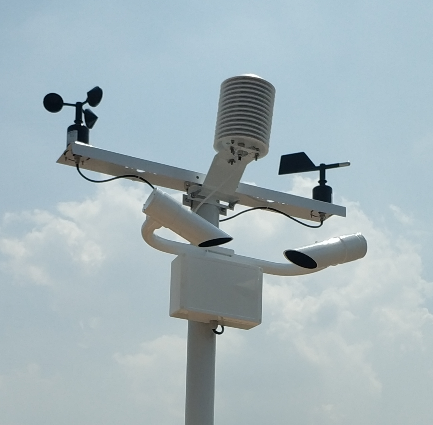
Highways & Expressways: Monitor fog-prone, icing, and strong wind sections (bridges, tunnel entrances, mountain roads) for instant warnings and speed limit reminders.
High-Altitude / Mountain Roads: Monitor ice/snow and low temperature for de-icing and snow removal guidance.
Airports & Ports: Provide accurate visibility and wind data for aviation and shipping scheduling.
Urban Traffic Hubs: Monitor visibility and rain/snow to optimize traffic signal timing.
Core Demand Determination:
• Fog area monitoring → Must include visibility meter
• Icing monitoring → Must include road surface condition sensor + temp/humidity/pressure sensor
• Bridge/overpass wind control → Must include high-precision wind sensors
Installation Environment Considerations:
• Easy trenching/wired power → Embedded sensors possible
• Remote/difficult trenching (preferred) → Choose NiuBoL NBL-W-RSCS non-contact sensor for remote, safe, rapid deployment
Data Transmission Requirements: Urban main roads require high real-time performance (4G/5G); remote mountains can use lower-power LoRa or satellite communication.
Social Benefits: Real-time early warning effectively reduces accidents and casualties caused by adverse weather, ensuring public travel safety.
Economic Benefits: Provides precise data for on-demand de-icing/snow removal, saving manpower, materials, and chemical costs while reducing economic losses from road closures.
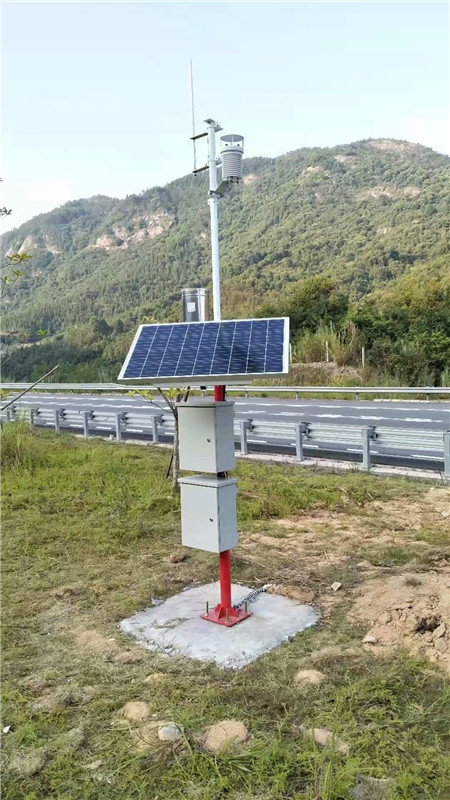
Q: Which is better — NBL-W-RSCS (non-contact) or embedded road surface sensor?
A: NBL-W-RSCS advantages: safe/convenient installation, no road damage, almost maintenance-free. Embedded sensors measure internal road temperature directly. For most applications, non-contact NBL-W-RSCS is preferred.
Q: Visibility meter range 5 m to 10 km — how does it cover this large range?
A: Uses forward scattering principle measuring particle scattering intensity, converted via professional algorithm (atmospheric extinction coefficient) to visibility distance.
Q: Will visibility meter be affected by vehicle headlights or street lights?
A: No. NBL-W-VS uses unique design and specific light source frequency, immune to local light sources including flashing lights, ensuring accuracy at night or in heavy traffic.
Q: How does NBL-W-RSCS distinguish ice from water on the road?
A: Multi-spectral technology — ice, snow, and water have completely different reflection characteristics in infrared and near-infrared bands; sensor analyzes spectral differences for precise identification.
Q: At what wind speed should warnings be issued?
A: Depends on road design and management requirements — typically gusts ≥ Level 7 (~13.9 m/s) or Level 8+, especially on bridges and elevated roads.
Q: What is the data delay of the road weather station?
A: With 4G/5G real-time transmission and 1-minute (or shorter) intervals, delay from collection to platform display is typically 10–30 seconds, meeting real-time warning needs.
Q: How does the system determine if the road will freeze?
A: Comprehensive judgment: road surface temperature below freezing point + high air humidity confirms icing risk.
Q: What lightning protection measures does the station have?
A: Complete lightning protection: reliable mast grounding, built-in sensor lightning modules, and signal isolation protection ensure safety and data stability during thunderstorms.
Q: What is the significance of rainfall sensor for traffic warning?
A: Measures rainfall intensity. Heavy rain (>10 mm/h) can cause water accumulation, visibility drop, and tire skidding — critical basis for immediate warnings.
Q: Can NiuBoL station data integrate with existing traffic management platforms?
A: Yes. Provides standard protocols (Modbus-RTU, TCP/IP) and API interfaces for seamless integration with provincial traffic information platforms or highway monitoring systems.
Q: What certifications does NiuBoL have?
A: CE, ISO9001, RoHS, and nationally recognized meteorological calibration certificates.
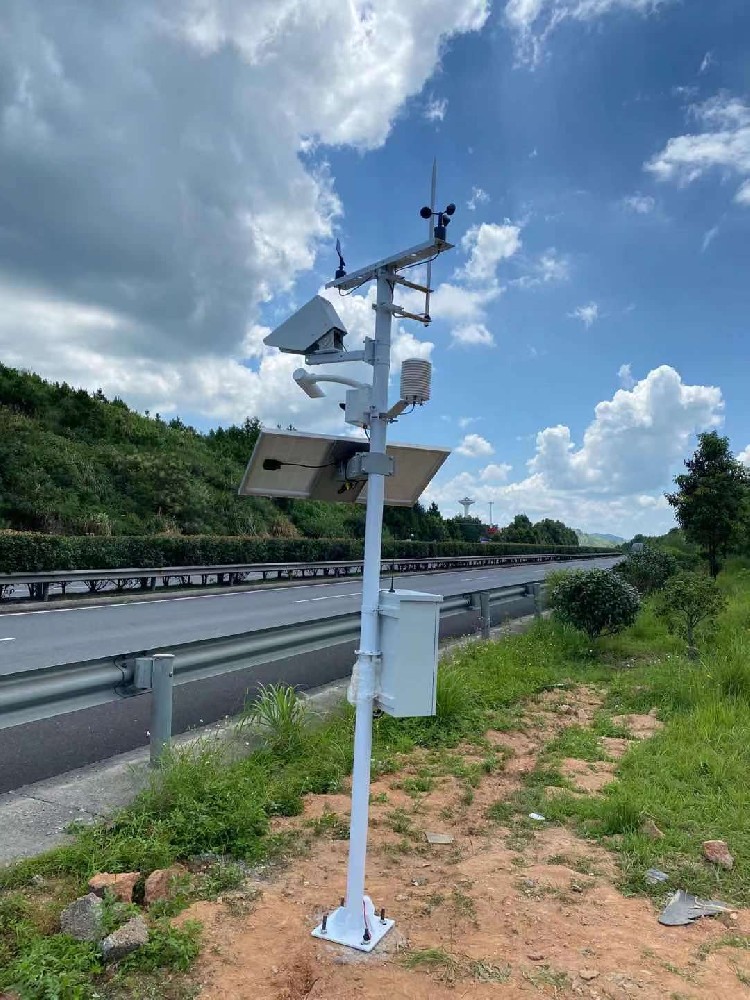
NiuBoL road weather solution, with its high-precision, high-reliability sensor configuration — especially the application of non-contact road surface remote sensing technology — successfully builds a comprehensive, intelligent, and efficient road meteorological monitoring network. It provides traffic management departments with unprecedented real-time environmental insight, making proactive, preventive interventions possible before adverse weather arrives.
Choosing NiuBoL means choosing a precise “meteorological warning key” for your road safety network, ensuring smooth vehicle operation and achieving true intelligent traffic management.
 NBL-W-RS-Rain-sensors-instruction-manual-V4.0.pdf
NBL-W-DRS-Double-Tipping-Bucket-Rain-Sensor-Instruction-Manual.pdf
Prev:Road Weather Monitoring: IoT Technology in Road Safety Early Warning Applications & Practice
Next:What is a Photovoltaic Weather Station Made Of? What Are Its Functions?
Related recommendations
Sensors & Weather Stations Catalog
Agriculture Sensors and Weather Stations Catalog-NiuBoL.pdf
Weather Stations Catalog-NiuBoL.pdf
Agriculture Sensors Catalog-NiuBoL.pdf
Water Quality Sensor Catalog-NiuBoL.pdf
Related products
 Combined air temperature and relative humidity sensor
 TDR Soil Moisture & Temperature Sensor for irrigation| RS485 |4-20mA| NBL-S-THR
 Soil pH sensor RS485 soil Testing instrument soil ph meter for agriculture |NBL-S-PH
 Wind Speed sensor Output Modbus/RS485/Analog/0-5V/4-20mA
 Tipping bucket rain gauge for weather monitoring auto rainfall sensor RS485/Outdoor/stainless steel
 Pyranometer Solar Radiation Sensor 4-20mA/RS485

Screenshot, WhatsApp to identify the QR code
WhatsApp number:+8615367865107
(Click on WhatsApp to copy and add friends)

