





— Blogs —
—Products—
 Consumer hotline +8618073152920
 WhatsApp:+8615367865107
Address:Room 102, District D, Houhu Industrial Park, Yuelu District, Changsha City, Hunan Province, China
Product knowledge
Time:2026-03-30 14:09:41 Popularity:660
With the growing global demand for high-quality aquatic protein, the traditional aquaculture model relying on "naked-eye observation and experience judgment" is facing dual challenges of production efficiency and environmental risks. In the context of intensive aquaculture, slight fluctuations in water quality environment can directly lead to large-scale pond turnover losses.
For system integrators, IoT solution providers, and project contractors, building a highly reliable and real-time responsive water quality online monitoring system has become the core of smart fishery projects. NiuBoL, with its deep cultivation in the field of industrial-grade water quality sensors and buoy monitoring stations, provides the industry with a digital foundation integrating data collection, wireless transmission, and remote warning.
Traditional farmers often need to patrol at midnight to observe whether fish are floating head (oxygen deficiency). This high-intensity labor is not only inefficient but also has monitoring blind spots. When traditional fisheries meet the Internet of Things (IoT), aquaculture has entered the era of “all-weather guarding”.
The water quality online monitoring system, based on wireless sensor networks and big data analysis technology, converts complex physical and chemical parameters into intuitive digital information. By deploying multi-parameter sensors in ponds, lakes, or reservoirs, the system can monitor water body health 24 hours a day. Fishermen or managers only need to use a PC or mobile APP to obtain real-time data, achieving a leap from “human governance” to “digital governance”.
In aquaculture, different water quality indicators have a decisive impact on the physiological metabolism of aquatic organisms. The professional-grade water quality sensors provided by NiuBoL are optimized for freshwater and seawater environments, ensuring long-term stability in complex water bodies.
| Monitoring Parameter | Sensor Type | Range | Core Function in Aquaculture |
|---|---|---|---|
| Dissolved Oxygen (DO) | Fluorescence method / Polarographic method | 0 - 20 mg/L | Prevent oxygen deficiency and pond turnover, link with aerators to achieve automated dissolved oxygen control. |
| pH Value | Composite electrode | 0 - 14 pH | Monitor water acid-base balance, warn of ammonia nitrogen toxicity and algae growth status. |
| Ammonia Nitrogen (NH3-N) | Ion selective electrode (ISE) | 0 - 100 mg/L | Monitor toxicity caused by excrement and residual feed to prevent fish and shrimp poisoning and death. |
| Chemical Oxygen Demand (COD) | UV method / Electrochemical | 0 - 500 mg/L | Evaluate the degree of organic pollution in water and analyze the trend of water eutrophication. |
| Turbidity | 90° scattered light method | 0 - 1000 NTU | Monitor suspended solids and algae concentration, evaluate the impact of transparency on photosynthesis. |
| Water Temperature | NTC / PT1000 | -5 to 60°C | Basic parameter that affects fish appetite, growth rate, and sensor data compensation. |
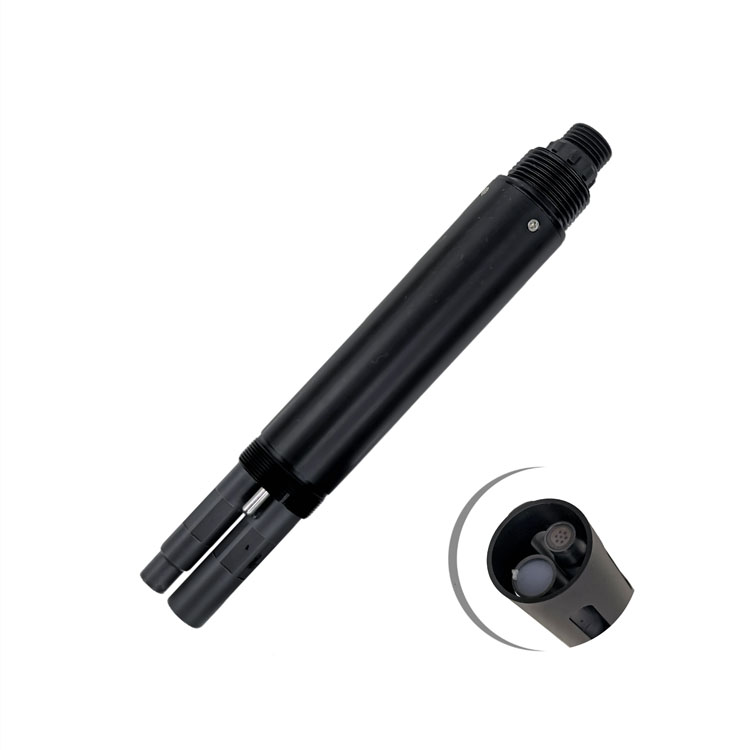
Dissolved Oxygen (DO) Sensor: The “lifeline” of aquaculture. NiuBoL adopts leading fluorescence technology, which does not require membrane or electrolyte replacement and is not limited by flow rate, providing accurate feedback on water oxygen content. By linking with PLC to control aerators, the system can automatically start and stop when oxygen content is below the safe threshold, significantly saving energy.
pH Sensor: The “barometer” of water quality changes. Sharp fluctuations in pH value will change the form of chemical substances in water (such as increasing ammonia nitrogen toxicity). Real-time pH monitoring is beneficial for timely biochemical adjustment.
Ammonia Nitrogen and COD Sensors: “Water toxin” monitoring experts. Uneaten feed and excrement produce ammonia nitrogen under anaerobic conditions. High concentrations of ammonia nitrogen can cause fish to lose appetite, bleed on the body surface, or even die from poisoning. COD reflects the total amount of organic pollutants and is an early warning indicator of water quality deterioration.
Turbidity Sensor: Reflects water transparency. Excessively high turbidity may mean excessive algae reproduction or too many suspended solids, affecting fish respiration and photosynthesis of bottom plants.
Water quality monitoring environments are usually accompanied by high salt spray, high humidity, and biological acid corrosion. NiuBoL has carried out special engineering optimization for such conditions:
Titanium alloy/316L stainless steel housing: Key sensors (such as ammonia nitrogen and pH) provide titanium alloy optional accessories to completely eliminate water seepage failures caused by seawater corrosion.
Photoelectric isolation design: Sensor interfaces have industrial-grade photoelectric isolation, effectively preventing system paralysis caused by water leakage or lightning surge, which is crucial for large-scale open-air deployment projects.
The remote wireless system is based on water quality measurement modules and establishes a comprehensive monitoring center integrating query, statistics, reports, and warnings through industrial-grade wireless transmission networks (such as 4G/5G, LoRa).
Real-time data collection and ranking feedback: The system supports multi-point monitoring and can rank water quality conditions in different aquaculture areas in real time, helping managers identify potential risk areas.
Unattended automatic monitoring stations: By establishing unattended stations, data is directly transmitted to environmental protection information centers or enterprise private clouds, achieving real and scientific data return and providing a basis for production decisions.
Visual operation: The system interface is intuitive and vivid, with parameters clear at a glance. It supports historical data trend analysis to help farmers summarize water quality patterns at different growth stages.
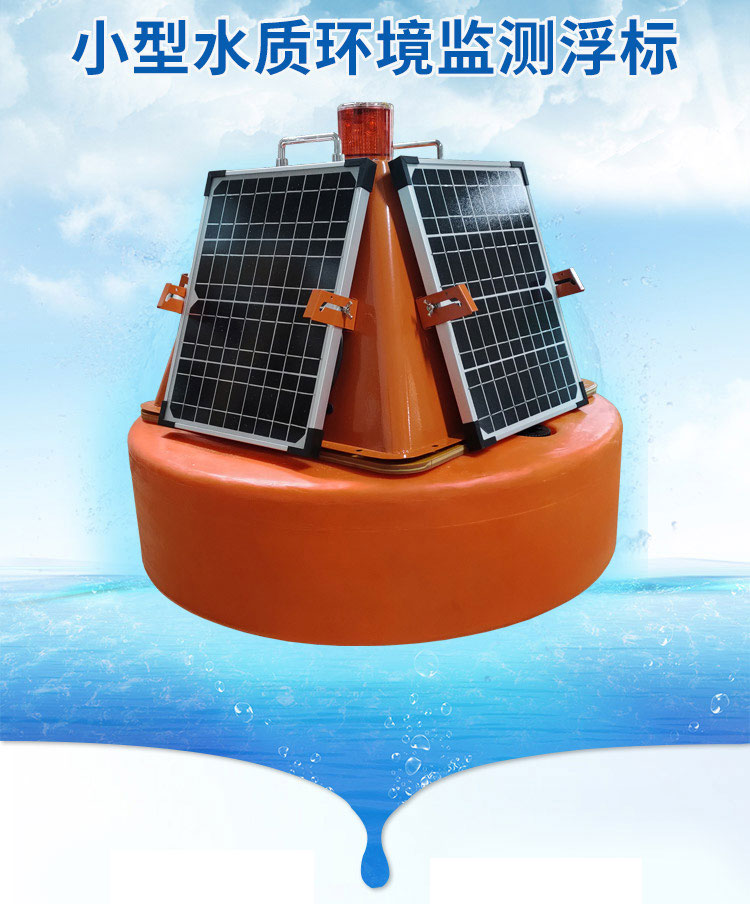
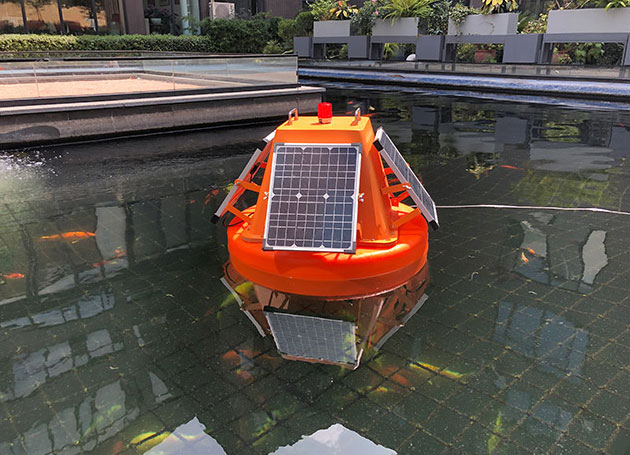
For reservoirs, large lakes, or offshore aquaculture farms, traditional wired cabling is difficult to implement. NiuBoL water quality buoy stations, as an integrated and mobile monitoring solution, demonstrate strong engineering practicality.
Technical features of buoy stations
High-performance materials: The buoy body uses ultra-high molecular weight polyethylene material, with excellent anti-corrosion, anti-collision, and anti-biological attachment capabilities. It can maintain structural stability even under harsh hydrodynamic conditions.
Self-sufficient power supply system: The power supply system composed of high-efficiency solar panels and large-capacity batteries ensures uninterrupted operation in long-term rainy weather in the field.
Intelligent control center: It integrates a data collector and communication module inside, supporting concurrent collection from multiple sensors. It has automatic light sensing function and over-standard SMS alarm function, realizing true intelligent operation.
As a manufacturer, NiuBoL deeply understands the pain points of project contractors during implementation. Our equipment design follows the following engineering principles:
Protocol standardization: Sensors support standard RS485 (Modbus-RTU) protocol and can seamlessly connect to various PLCs, gateways, and third-party IoT platforms.
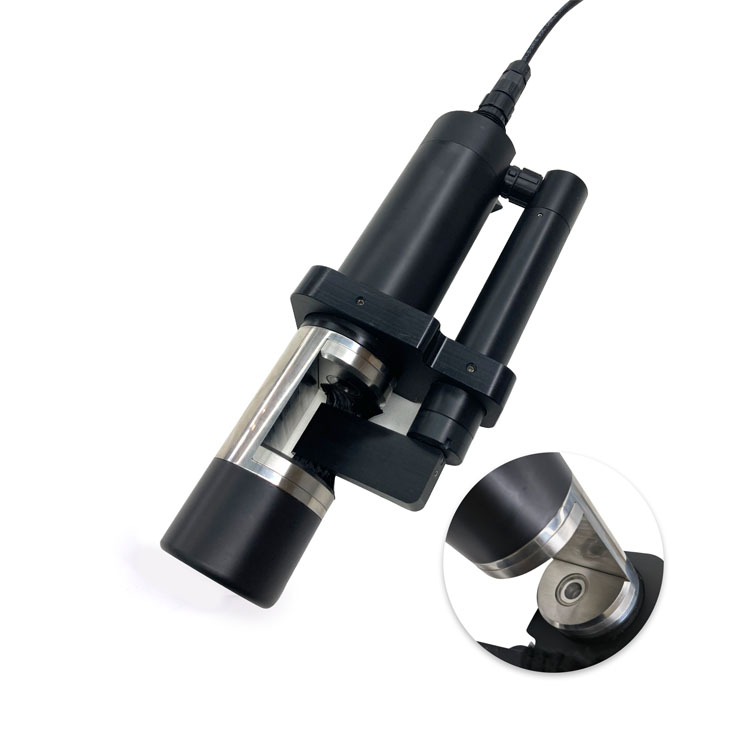
Low-frequency maintenance: The application of fluorescence dissolved oxygen and self-cleaning turbidity technologies greatly extends the equipment maintenance cycle and reduces the project's later operating costs.
Environmental adaptability: The design of buoy stations and sensors fully considers field lightning, corrosion, and aquatic biological interference, ensuring long-term acceptance and delivery of engineering projects.
NiuBoL water quality online monitoring system not only provides raw sensor data but also integrates industrial-grade edge computing gateways.
Multi-protocol support: Hardware natively supports Modbus-RTU / TCP, MQTT (for IoT cloud platforms), and TCP/IP. This means integrators can directly push data to AWS, Azure, or custom smart fishery private clouds without complex protocol conversion.
Breakpoint resume mechanism: In field reservoirs or remote fish ponds, network fluctuations are inevitable. NiuBoL collectors have built-in large-capacity Flash storage. When 4G/5G signals are interrupted, data is automatically recorded, and historical messages are preferentially retransmitted after network recovery to ensure the integrity of monitoring curves.
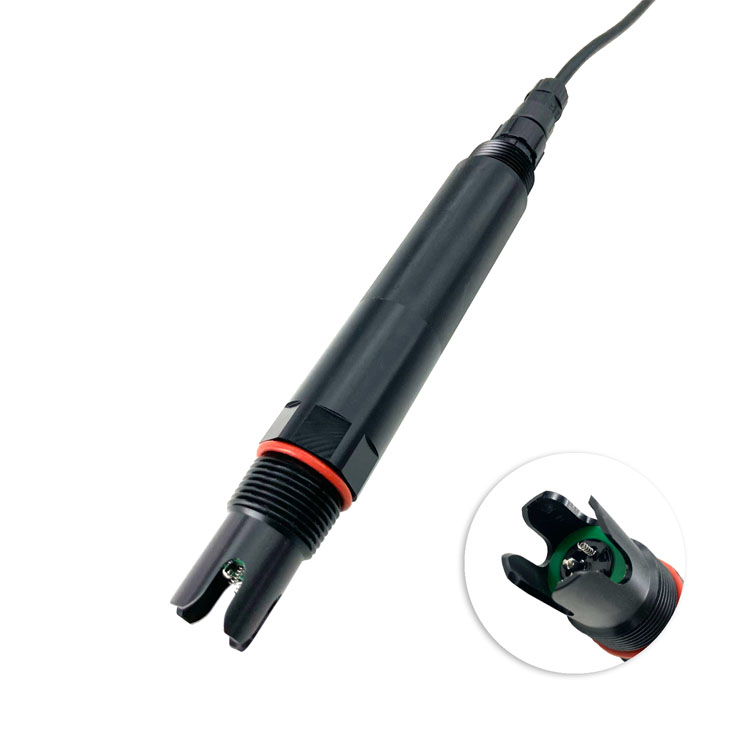
| Core Component | NiuBoL Solution Advantages | Common Industry Pain Points |
|---|---|---|
| Dissolved Oxygen Measurement | Fluorescence technology: No flow rate required, maintenance-free period >1 year | Membrane method requires frequent electrolyte replacement and is easily contaminated and fails |
| Ammonia Nitrogen Monitoring | Ion selective electrode: Real-time online, no chemical reagents required | Colorimetric method consumes reagents, produces secondary pollution and is expensive to maintain |
| Buoy Material | Ultra-high molecular weight polyethylene: Impact resistant, non-fading, anti-attachment | Fiberglass material is fragile and prone to water seepage and weight gain after long-term immersion |
| Power Supply Solution | MPPT solar controller: Weak light charging efficiency increased by 30% | Ordinary controllers are prone to power loss in rainy days, leading to data loss |
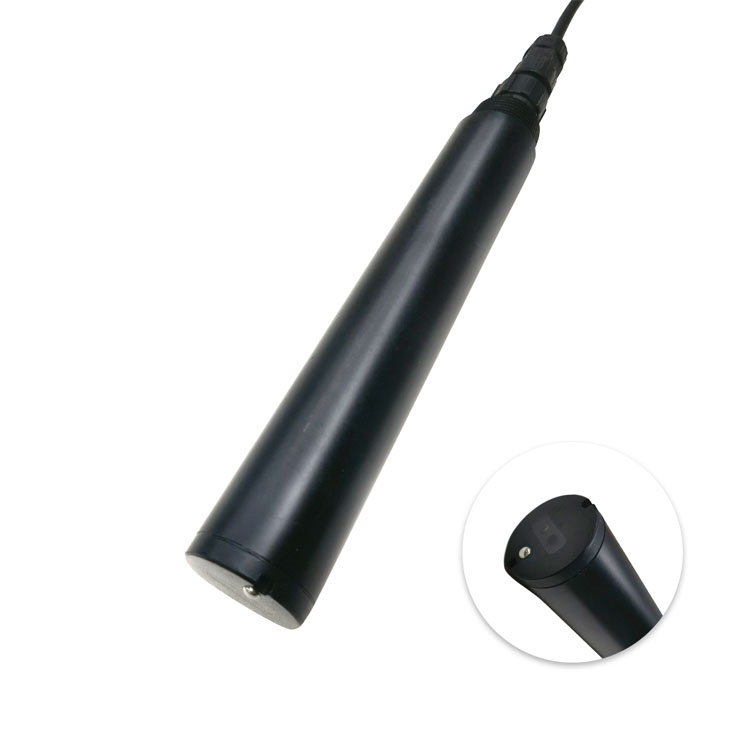
Q1. What are the advantages of fluorescence dissolved oxygen sensors compared to traditional membrane methods?
Fluorescence sensors do not consume oxygen, so they can accurately measure in still water; and they do not require frequent replacement of membranes and electrolytes, resulting in extremely low maintenance.
Q2. How do sensors solve the problem of attachment by aquatic organisms (such as moss and shellfish)?
NiuBoL provides sensor models with automatic cleaning brushes that can clean the monitoring window regularly; the ultra-high molecular material used in the buoy body also has natural anti-biological attachment properties.
Q3. What is the wireless communication distance of the water quality buoy station?
When using 4G/5G networks, the communication distance is not limited as long as there is operator signal coverage; if using LoRa networking, the line-of-sight transmission distance can reach 2-5 kilometers.
Q4. How many types of sensors does the system support for simultaneous access?
Standard water quality collectors usually support 4-8 channels of RS485 sensor access, including water temperature, pH, dissolved oxygen, conductivity, ammonia nitrogen, turbidity, etc.

Q5. Can soil sensors or meteorological sensors be integrated into this system?
Yes. Our data collectors have good scalability and can simultaneously access environmental meteorological sensors (wind speed, rainfall, etc.) and soil sensors to build an integrated air, land, and water monitoring system.
Q6. How to ensure the security of data during transmission?
The system supports encrypted data transmission and has a breakpoint resume function. If the network is interrupted, data will be temporarily stored locally in the collector and automatically retransmitted after recovery.
Q7. Can the buoy monitoring station be used on frozen water surfaces in winter?
It is not recommended to use it in completely frozen waters, as ice pressure may damage the buoy structure. It is recommended to withdraw the equipment before freezing or install it in non-freezing deep water areas.
Q8. How often should sensors be calibrated?
Depending on water quality conditions. Usually, pH and ammonia nitrogen sensors are recommended to be calibrated every 3-6 months, while fluorescence dissolved oxygen and turbidity sensors can have calibration cycles of 6-12 months.
Q9. Does it support centralized management of multiple ponds?
Yes. Through the LoRa networking solution, sensor data from multiple ponds within a 2-kilometer radius can be aggregated to one main gateway and uniformly uploaded via 4G, significantly reducing data traffic costs and hardware investment.
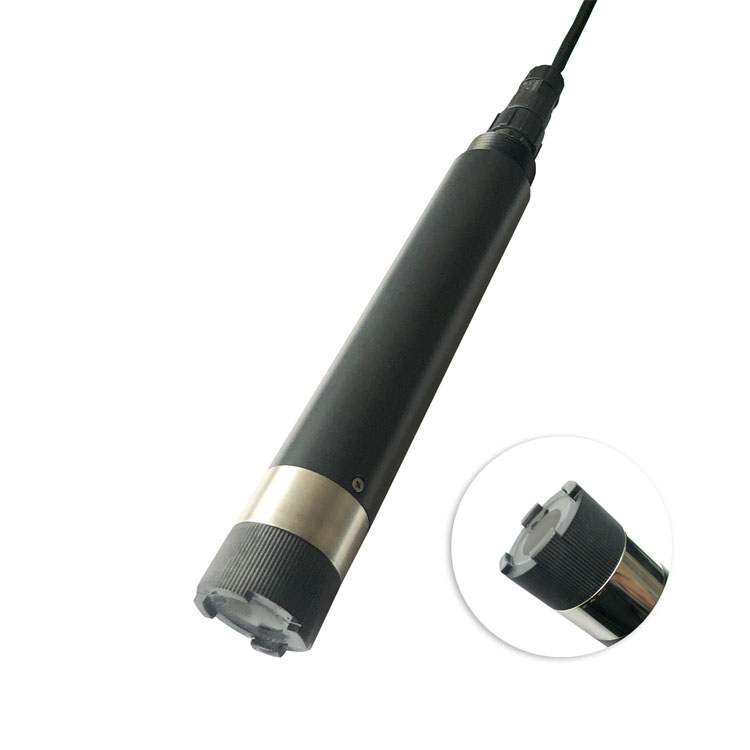
The future of aquaculture lies in the ultimate control of environmental parameters. The NiuBoL water quality online monitoring system is not only the “digital eyes” of fishermen but also the cornerstone for system integrators to build high-barrier IoT solutions. Through high-precision water quality sensors and a solid buoy station architecture, we help customers achieve real-time insight into the micro-environment of water bodies, thereby reducing aquaculture risks and improving economic benefits.
As a professional water quality sensor equipment manufacturer, we continue to provide stable hardware support and technical solutions for system integrators and project contractors. If you are looking for reliable water quality monitoring hardware resources, please contact the NiuBoL technical team to obtain a system configuration list tailored to your specific scenarios.
 NBL-RDO-206 Online Fluorescence Dissolved Oxygen Sensor.pdf
NBL-COD-208 Online COD Water Quality Sensor.pdf
NBL-CL-206 Water Quality Sensor Online Residual Chlorine Sensor.pdf
Related recommendations
Sensors & Weather Stations Catalog
Agriculture Sensors and Weather Stations Catalog-NiuBoL.pdf
Weather Stations Catalog-NiuBoL.pdf
Agriculture Sensors Catalog-NiuBoL.pdf
Water Quality Sensor Catalog-NiuBoL.pdf
Related products
 Combined air temperature and relative humidity sensor
 TDR Soil Moisture & Temperature Sensor for irrigation| RS485 |4-20mA| NBL-S-THR
 Soil pH sensor RS485 soil Testing instrument soil ph meter for agriculture |NBL-S-PH
 Wind Speed sensor Output Modbus/RS485/Analog/0-5V/4-20mA
 Tipping bucket rain gauge for weather monitoring auto rainfall sensor RS485/Outdoor/stainless steel
 Pyranometer Solar Radiation Sensor 4-20mA/RS485

Screenshot, WhatsApp to identify the QR code
WhatsApp number:+8615367865107
(Click on WhatsApp to copy and add friends)

