





— Blogs —
—Products—
 Consumer hotline +8618073152920
WhatsApp:+8615367865107
Address:Room 102, District D, Houhu Industrial Park, Yuelu District, Changsha City, Hunan Province, China
Product knowledge
Time:2025-09-07 10:57:40 Popularity:1005
Agriculture sensor certifications must be checked against the destination, exact equipment and project requirement. Regulatory conformity, management-system certification and calibration answer different questions. None alone guarantees field accuracy or reliability. Request evidence for the ordered model and configuration, then review its scope before approving the purchase.
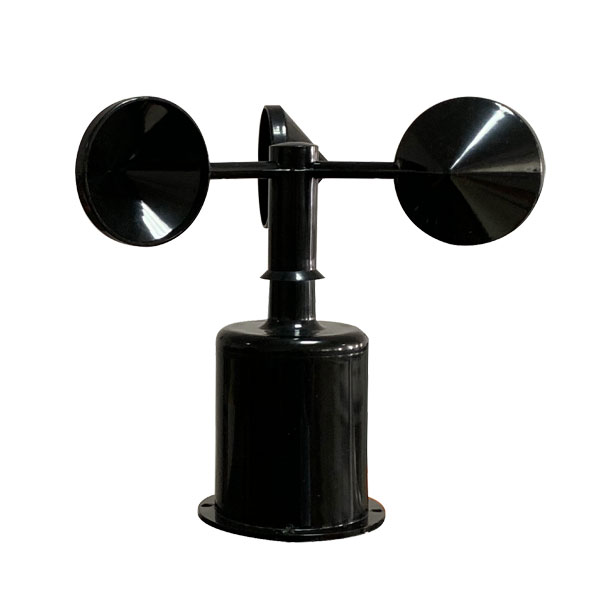
A project may buy a wind sensor, soil probe, logger and radio gateway as separate items. Their documentation is not automatically interchangeable. Build an equipment list containing the manufacturer, model, electrical version and accessories. For a wind channel, also distinguish the speed instrument from the direction instrument; a report covering one does not establish the other's performance.
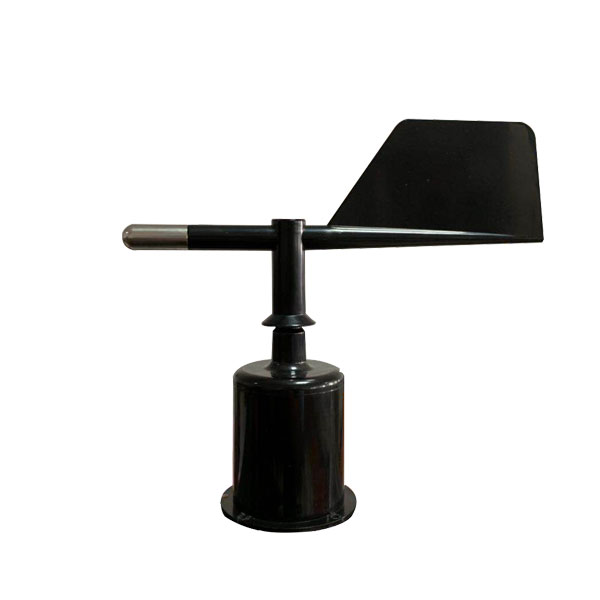
Match the identification in the declaration or report to the supplied item. Similar names, housings or catalogue photographs are insufficient. If a document covers a family of models, identify where the ordered variant is included and what differences are permitted. Resolve unclear model coverage before accepting a generic certificate as evidence for the equipment list.
| Document or claim | What to review | What it does not establish |
|---|---|---|
| Regulatory declaration and supporting reports | Applicable market rules, product identity and covered configuration | Every channel's measurement accuracy |
| ISO 9001 or ISO 14001 certificate | Certified organization, location, management-system scope and validity | Calibration of an individual sensor |
| Calibration report | Instrument identification, quantity, method, test points and uncertainty | All installation and exposure effects |
| Environmental or ingress test | Test method, enclosure, connections and test conditions | Unlimited outdoor service life |
| Project acceptance record | Actual installation, data interpretation and agreed tests | Regulatory approval outside its scope |
Use this separation for integrated weather heads as well as individual probes. A single enclosure can contain several measurement methods. Request the documents needed for the purchased configuration without assuming that one report covers every parameter, optional module or use condition.

The EU guidance on CE marking explains the manufacturer's conformity responsibility and declaration requirements. Identify the legislation applicable to the equipment; CE marking is not required for every product category. A logo alone is not a substitute for the relevant declaration and supporting documentation.
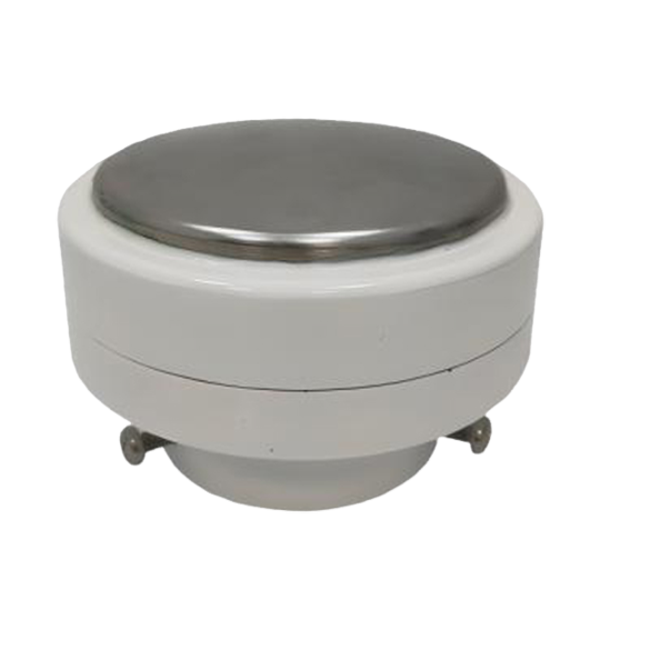
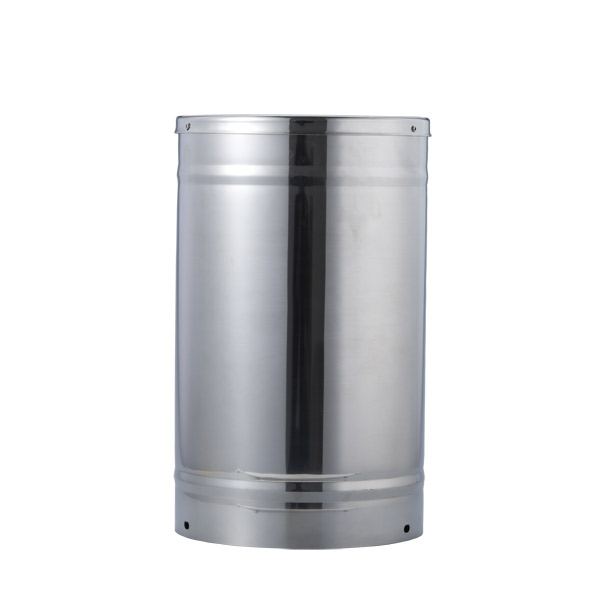
For an EU project, ask whether the declaration identifies the actual sensor and which rules it addresses. A precipitation sensor with an electronic output still needs a separate measurement specification. Regulatory conformity should not be rewritten as a claim that rainfall accuracy, installation quality or project acceptance has been independently approved by the EU.
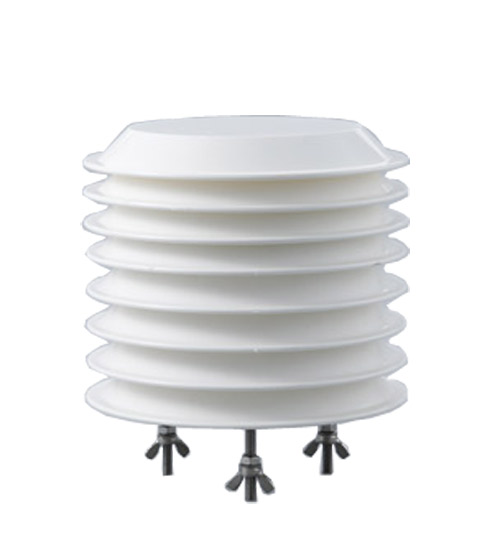
An RS485 Modbus RTU sensor and a radio gateway occupy different positions in the system. The serial protocol is a data interface, not a radio approval. For US equipment, the applicable FCC authorization route depends on the device; it is not correct to request an FCC ID from every wired probe or assume all devices use the same procedure.
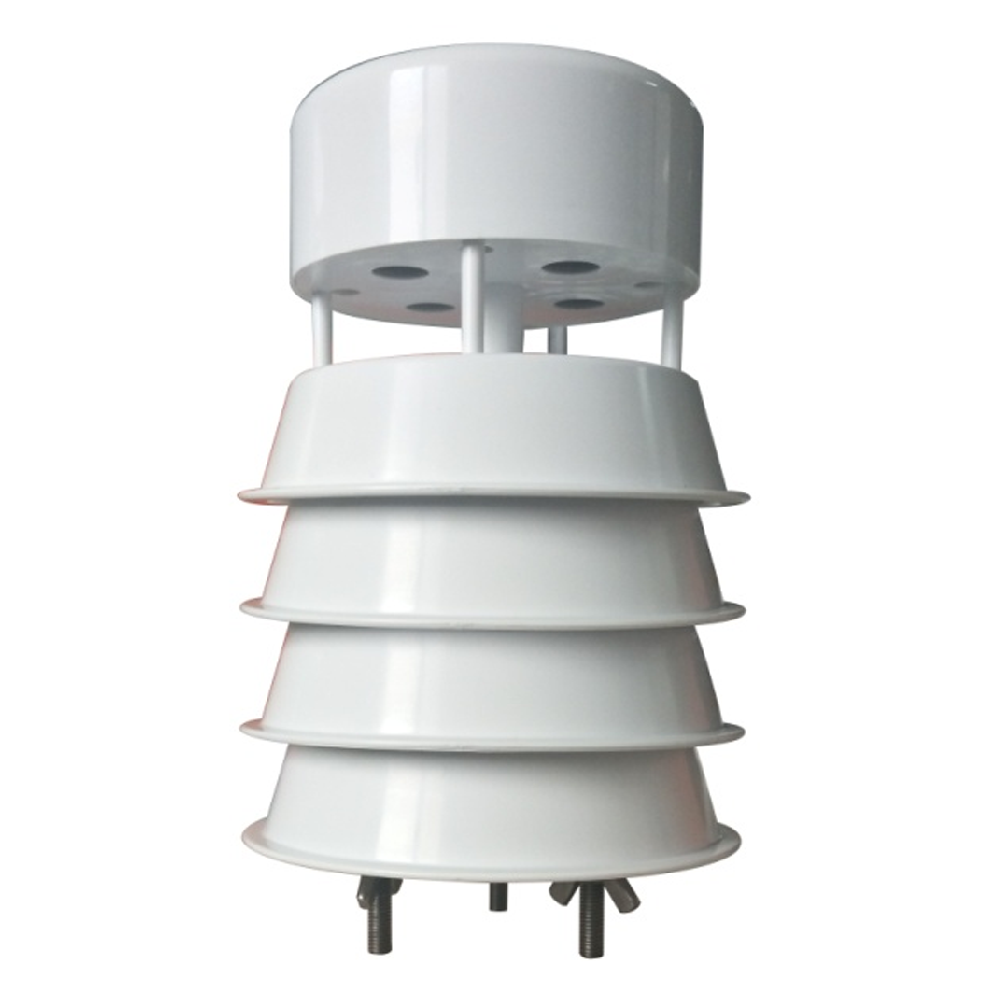
The FCC equipment authorization rules distinguish certification and Supplier's Declaration of Conformity. For radio equipment, review the authorized configuration, antenna conditions and host integration requirements where applicable. Do not assume that a module document authorizes every antenna, enclosure or assembled station. Confirm current destination requirements with the party responsible for compliance.
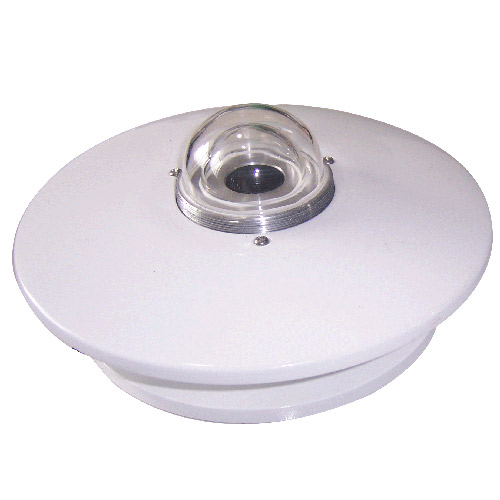
The European Commission's RoHS guidance concerns restrictions on specified hazardous substances in electrical and electronic equipment. It is not a statement that every listed substance is completely absent, nor a measurement-accuracy certificate. Review applicability, covered materials and any relevant exemptions for the actual product.
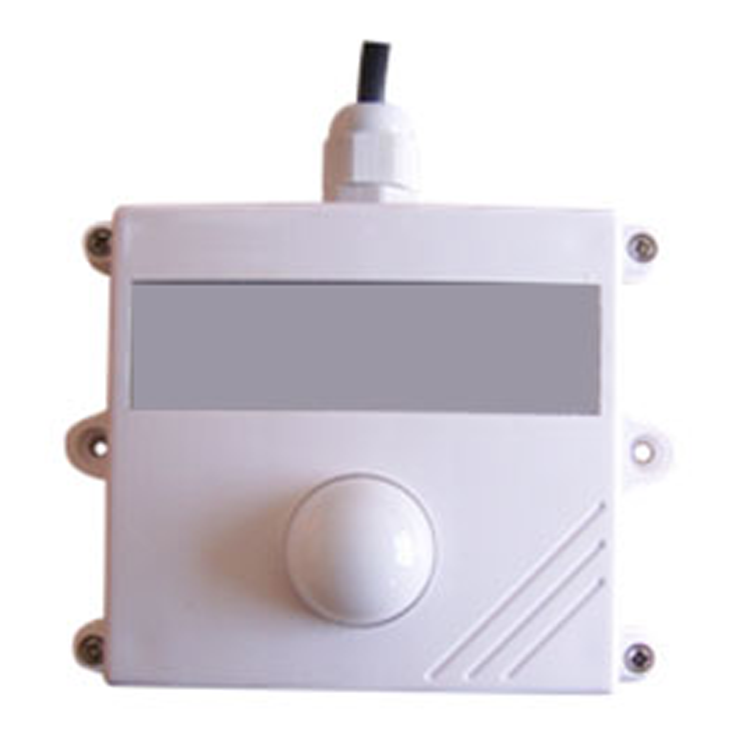
A material test should identify the sample and the parts tested. One housing sample does not, by itself, establish the composition of a cable, circuit board and all optional accessories. Ask how the technical documentation supports the assembled product being supplied, especially when a different cable or enclosure is requested.
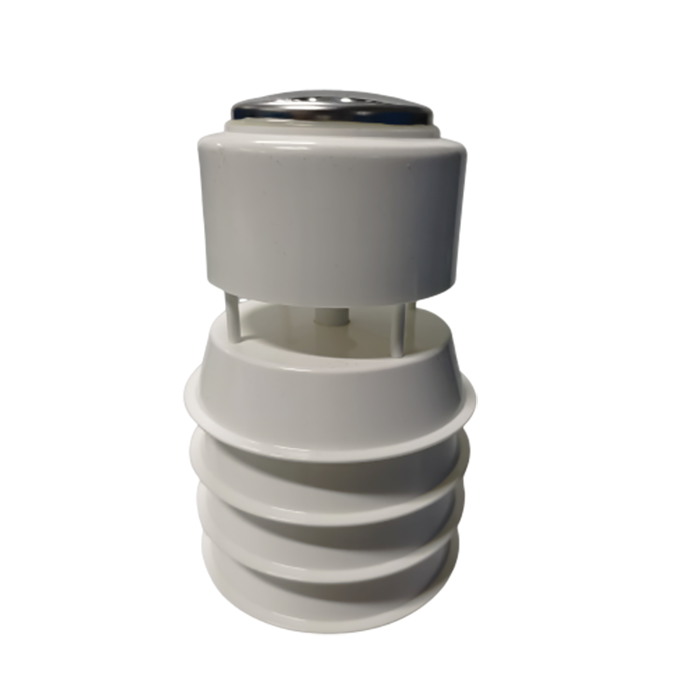
ISO 9001 addresses a quality management system; ISO 14001 addresses an environmental management system. Review the legal entity, certified site, activities and validity. A certificate for an unrelated company or a scope that excludes the relevant activity should not be accepted merely because it carries a familiar standard number.
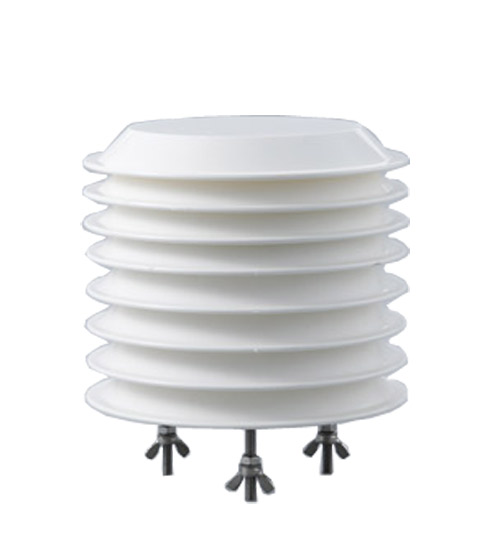
ISO's certification guidance explains that external bodies perform certification and provides verification routes. Contact the issuing or accreditation body when necessary. A management-system certificate can support supplier evaluation, but it does not replace the calibration result or electrical specification of a particular environmental sensor.
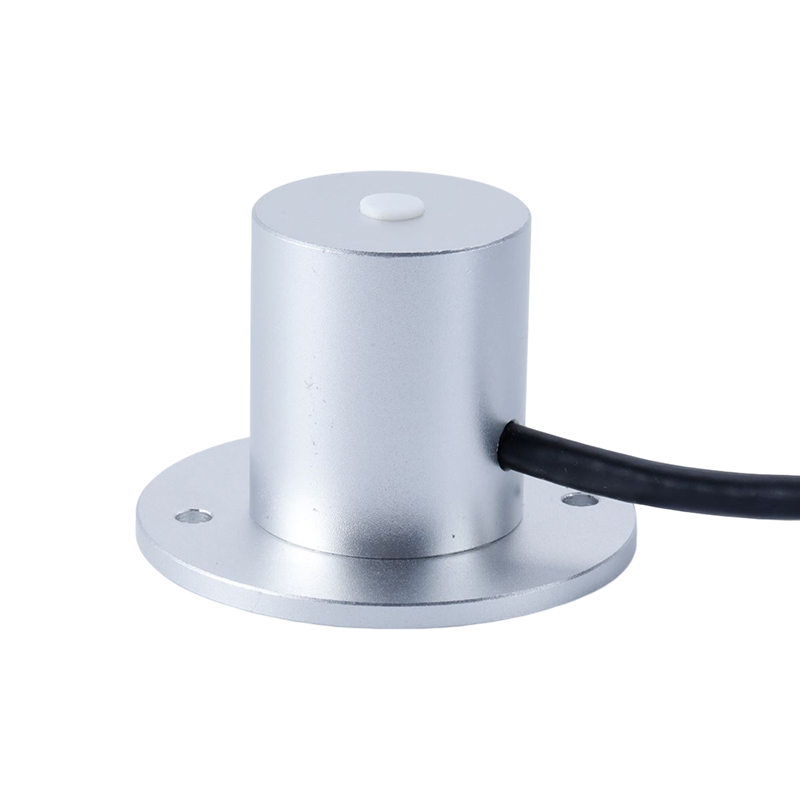
For a soil measurement, first establish what the channel means. A laboratory pH determination, a direct field pH probe and an electrical estimate of nutrients are not interchangeable methods. Calibration evidence is useful only when the quantity, method and conditions match the decision. Do not use a conductivity check as proof of nutrient-specific analytical accuracy.

A pH report should identify the electrode, reference conditions and test points relevant to the requirement. A temperature report cannot establish pH accuracy simply because the probe also records temperature. Request the evidence needed for each critical channel rather than requiring an impressive-looking but unrelated certificate for the whole package.

Soil moisture checks also depend on the medium and reference basis. Ask whether the stated result is volumetric water content and which test conditions apply. Maintain the distinction between factory calibration and field suitability: soil contact, installation disturbance and local soil characteristics can affect the measurement after installation.
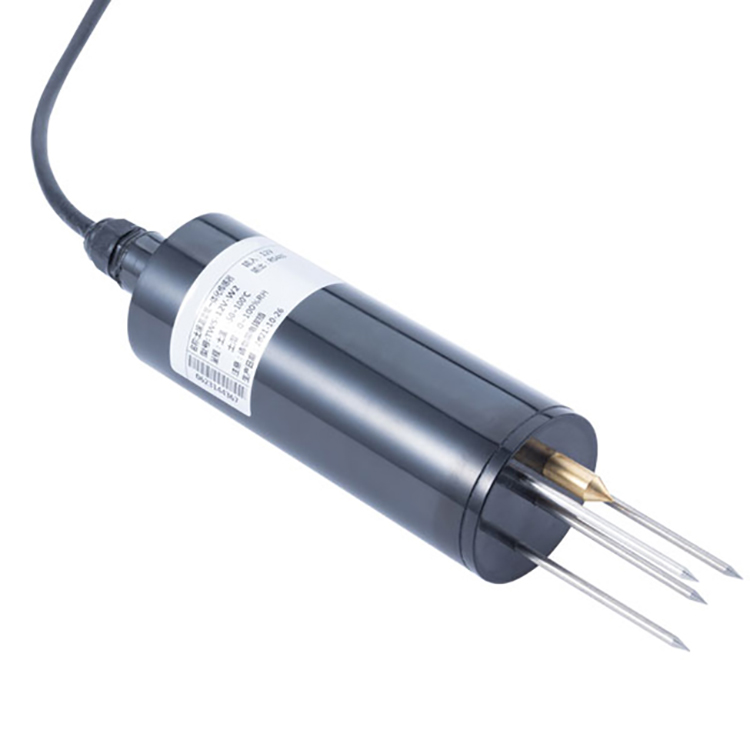
A reference to WMO guidance needs a defined observation method, exposure and performance requirement. The WMO instruments and methods programme provides observation guidance; a bare phrase such as WMO standard does not identify a model-specific certificate or prove conformity with every recommendation.
For a mixed agricultural station, identify which channels need a calibration report and which installation checks apply. Specify the required documentation in the inquiry. Do not assume that every optional probe, data service or complete assembly carries identical evidence simply because it appears in the same product range.

Keep the document review tied to the final equipment list. A change in radio option, power arrangement, enclosure or sensor model may require another scope check. Retain the accepted document versions with the order so a later substitution is not assumed to be covered automatically.
NiuBoL agriculture sensors and weather components can be reviewed against a defined project specification. Request model-specific documentation with the quotation and identify any required evidence that has not yet been provided. This avoids treating a general catalogue statement as acceptance of every contractual requirement.
No. Requirements depend on the market, equipment and contract. Determine applicable regulatory obligations, then separate supplier management-system requirements from product and calibration evidence. A universal list can request irrelevant documents while missing the ones the project actually needs.
Not by itself. Review the applicable declaration separately from the measurement specification and calibration report. Field accuracy also depends on exposure, installation and data interpretation, which a mark alone does not establish.
No. It concerns the organization's quality management system within its certified scope. An individual sensor's calibration requires its own identification, measured quantity, results and relevant uncertainty information.
Match the issuer, holder, model or scope, issue details and validity to the order. Verify with the issuing body or an appropriate official database where available. Resolve discrepancies before describing the product as certified for the customer's requirement.
Yes. A technically documented probe may have the wrong range, output, installation conditions or measurement method for the project. Documentation review must accompany technical selection rather than replace it.
Send the destination, complete model list, electrical and radio options, mandatory tender clauses and required calibration points. Ask for the applicable evidence and any exclusions to be identified for that configuration before the order is approved.
For a dedicated soil pH project, the relevant inquiry should describe the soil measurement method and required decision tolerance. For a weather station, identify the observation duty and exposure. Those details determine which evidence is useful; purchasing more certificates cannot correct an unsuitable measurement method.

Agriculture sensor certifications are useful when the evidence matches the equipment and the requirement. Review regulatory conformity, management systems, calibration and site acceptance separately. Approve the measurement configuration and the relevant documents together, without turning a logo or a general certificate into a guarantee of field performance.
Prev:Portable and Fixed Anemometers: Spot Checks or Continuous Records?
Next:Digital Humidity and Temperature Meters: Accuracy, Exposure and Data
Related recommendations
Sensors & Weather Stations Catalog
 Agriculture Sensors and Weather Stations Catalog-NiuBoL.pdf
Weather Stations Catalog-NiuBoL.pdf
Agriculture Sensors Catalog-NiuBoL.pdf
Water Quality Sensor Catalog-NiuBoL.pdf
Related products
 Combined air temperature and relative humidity sensor
 TDR Soil Moisture & Temperature Sensor for irrigation| RS485 |4-20mA| NBL-S-THR
 Soil pH sensor RS485 soil Testing instrument soil ph meter for agriculture |NBL-S-PH
 Wind Speed sensor Output Modbus/RS485/Analog/0-5V/4-20mA
 Tipping bucket rain gauge for weather monitoring auto rainfall sensor RS485/Outdoor/stainless steel
 Pyranometer Solar Radiation Sensor 4-20mA/RS485


Screenshot, WhatsApp to identify the QR code
WhatsApp number:+8615367865107
(Click on WhatsApp to copy and add friends)

