





— Blogs —
—Products—
 Consumer hotline +8618073152920
 WhatsApp:+8615367865107
Address:Room 102, District D, Houhu Industrial Park, Yuelu District, Changsha City, Hunan Province, China
Product knowledge
Time:2025-12-26 11:21:24 Popularity:737
In the promotion of “digital village” and “smart agriculture” strategies, agricultural production is undergoing a gorgeous transformation from “traditional experience” to “precise data.” As a professional smart agricultural meteorological station manufacturer, NiuBoL deeply understands farmland environment complexity, committed to providing full-chain meteorological solutions integrating monitoring, analysis, and warning.
This article will comprehensively disassemble the functional details, technical architecture, and practical application value of smart agricultural meteorological stations for you, helping you master how to use field microclimate data to achieve cost reduction and efficiency increase.
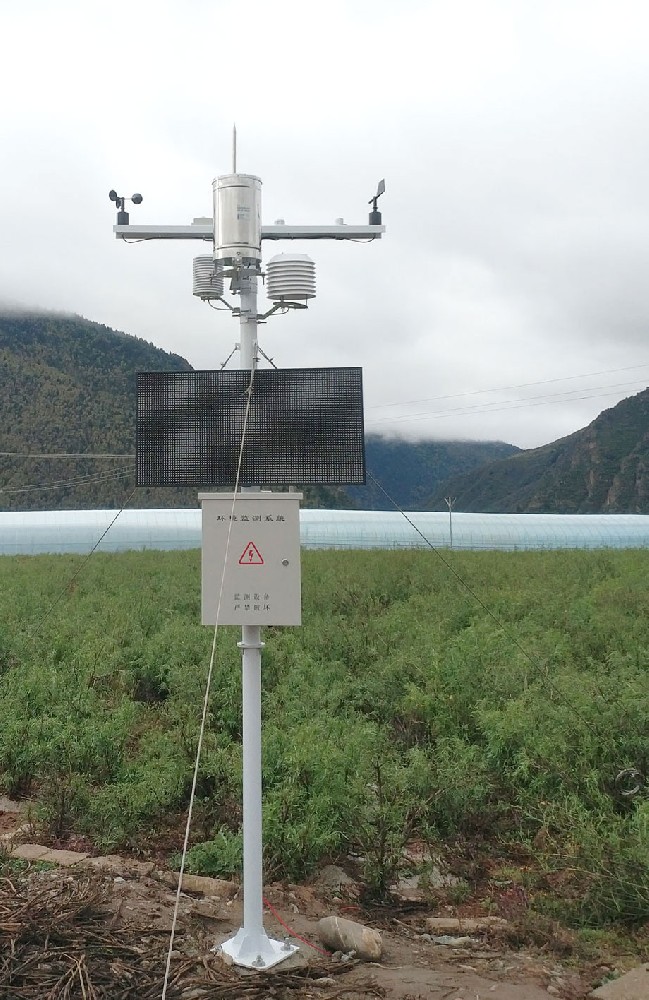
A smart agricultural meteorological station is a highly integrated, automated online monitoring system specifically designed to capture microclimate in farmland, orchards, and facility agriculture. Different from large-scale weather forecasts, it focuses on crop growth “breathing zone,” monitoring subtle fluctuations directly affecting yield.
Full-Element Monitoring: 10+ Core Indicators
NiuBoL meteorological station not only monitors conventional atmospheric parameters but also covers special data needed for agricultural production:
Basic Atmospheric Environment: Air temperature, air humidity, atmospheric pressure.
Dynamic Meteorological Elements: Wind speed, wind direction (important for analyzing disease transmission paths and spraying windows).
Water Resource Monitoring: Precipitation, evaporation.
Energy Perception: Solar radiation, photosynthetically active radiation (PAR), sunshine duration.
Soil and Environmental Quality: Carbon dioxide (CO2) concentration, PM2.5/PM10.
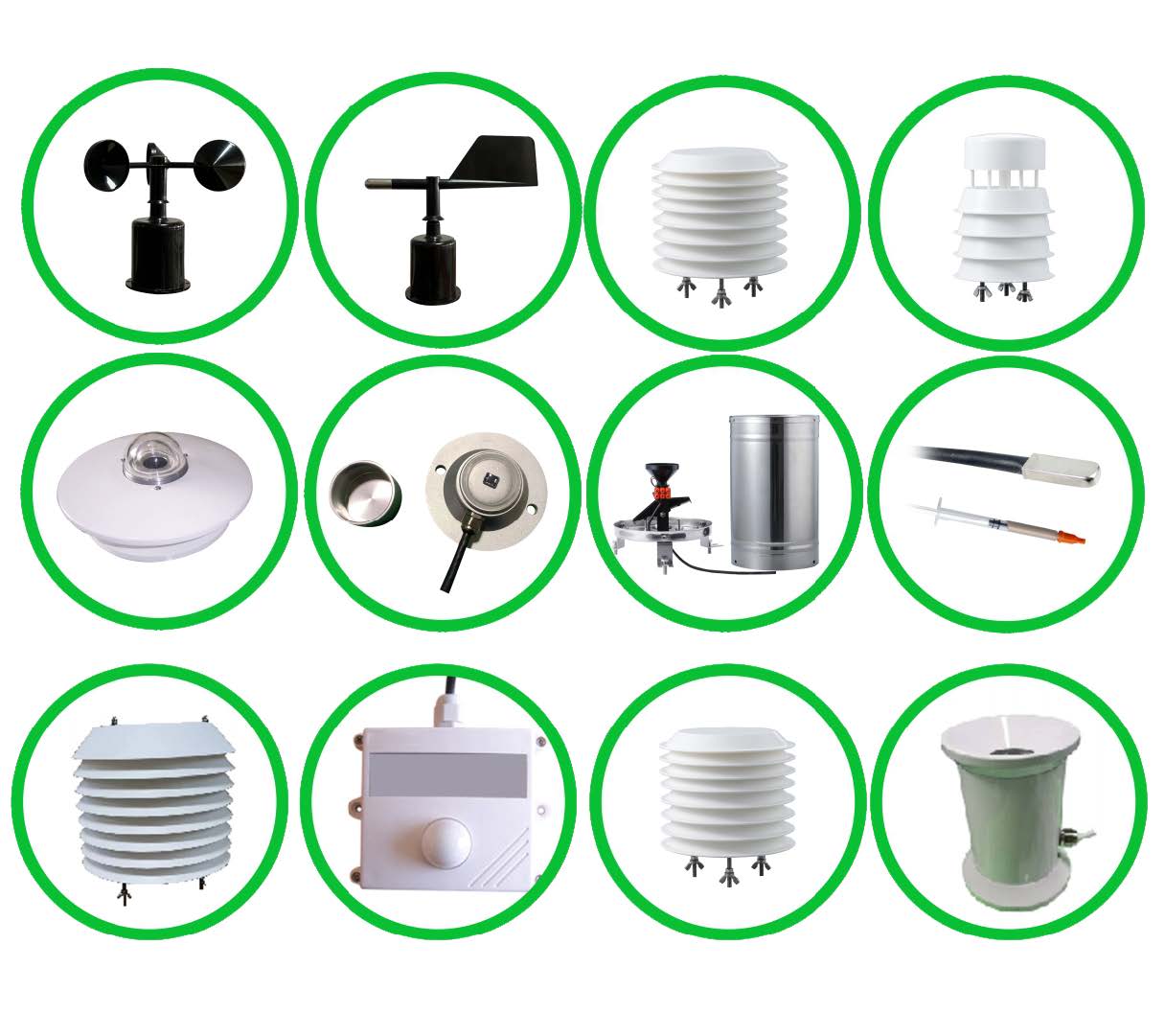
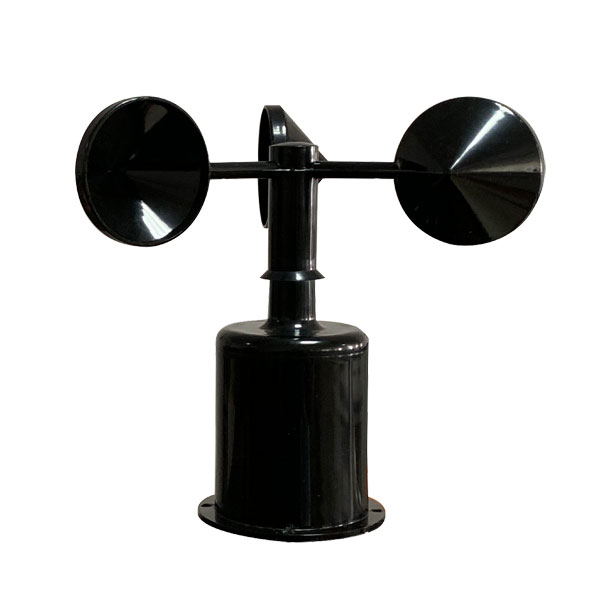 | 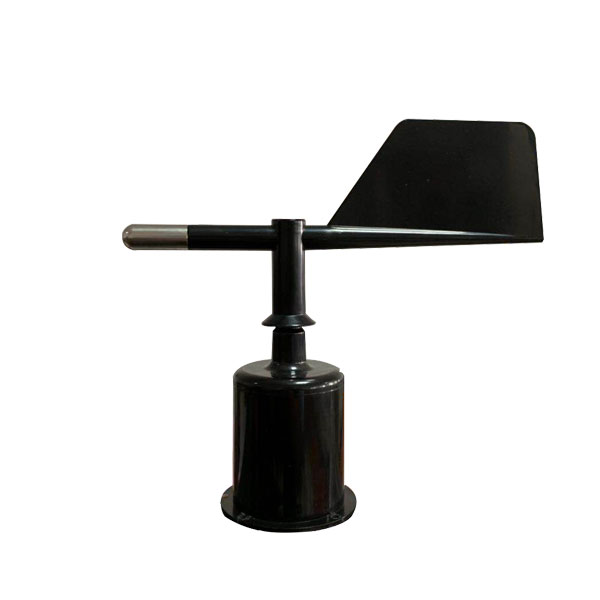 | 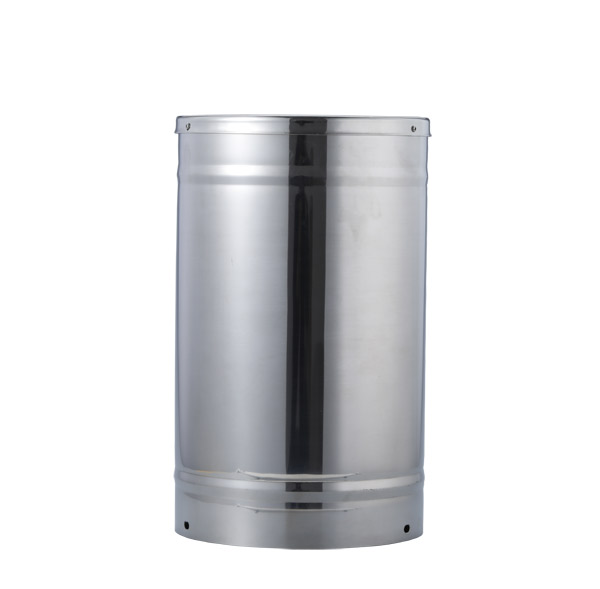 | 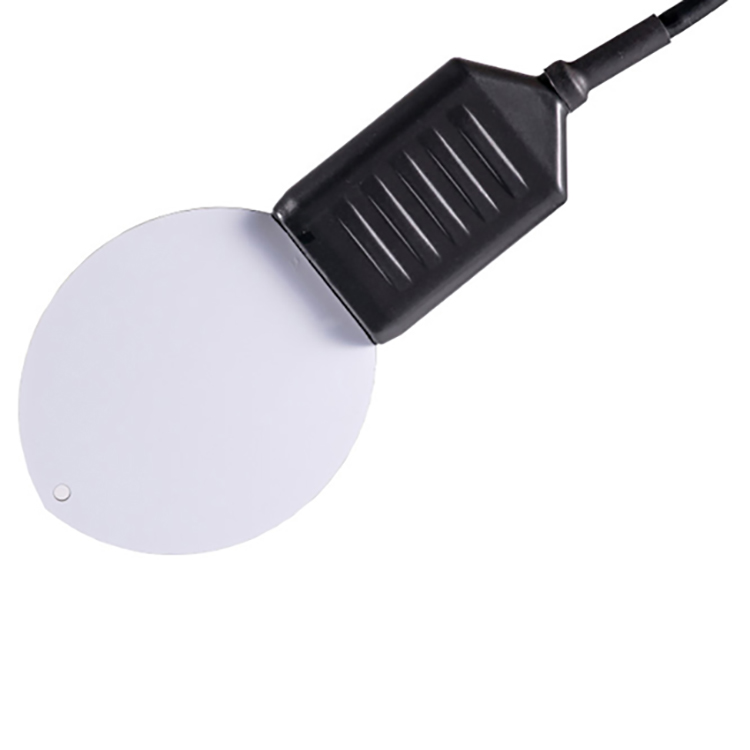 | 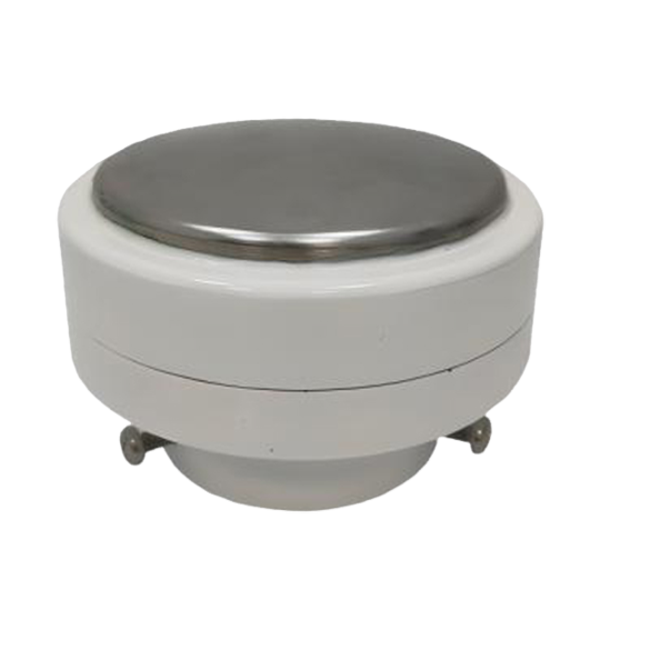 |
| Anemometer Wind Speed sensor | Wind direction sensor | Tipping bucket rain gauge sensor | Leaf Wetness Sensor | Piezoelectric Rain Gauge |
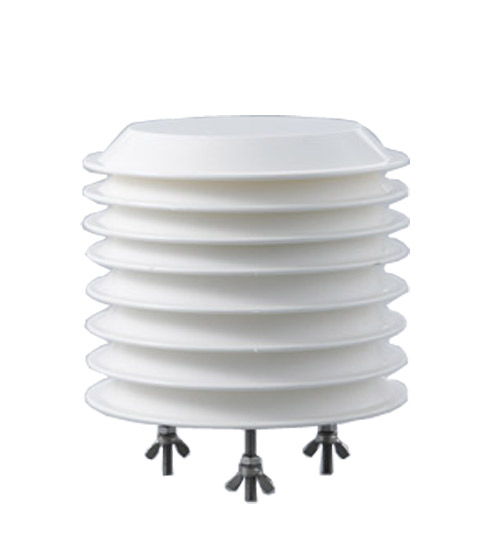 | 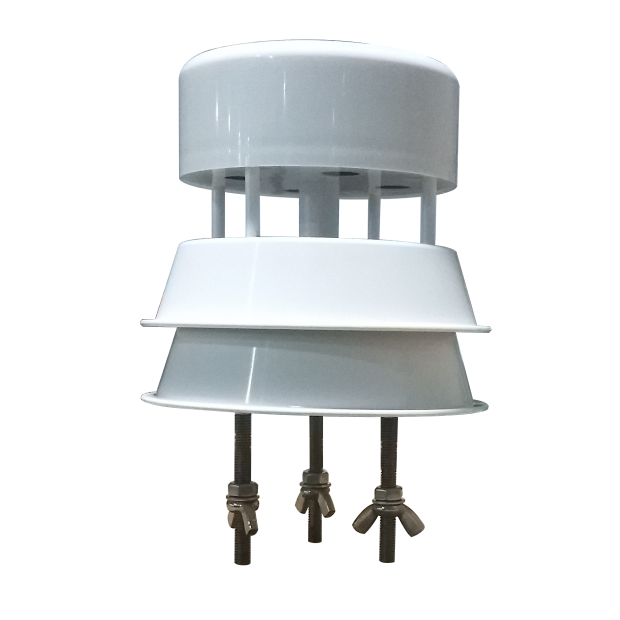 | 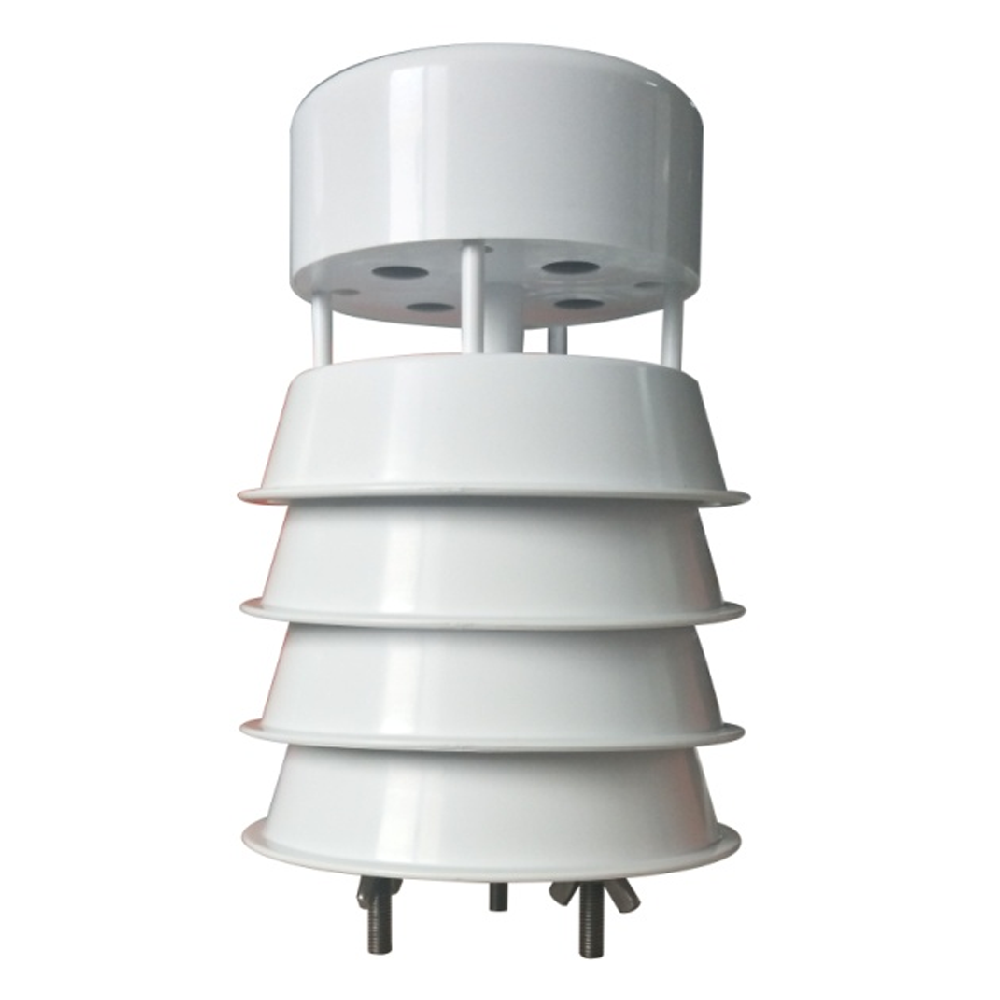 | 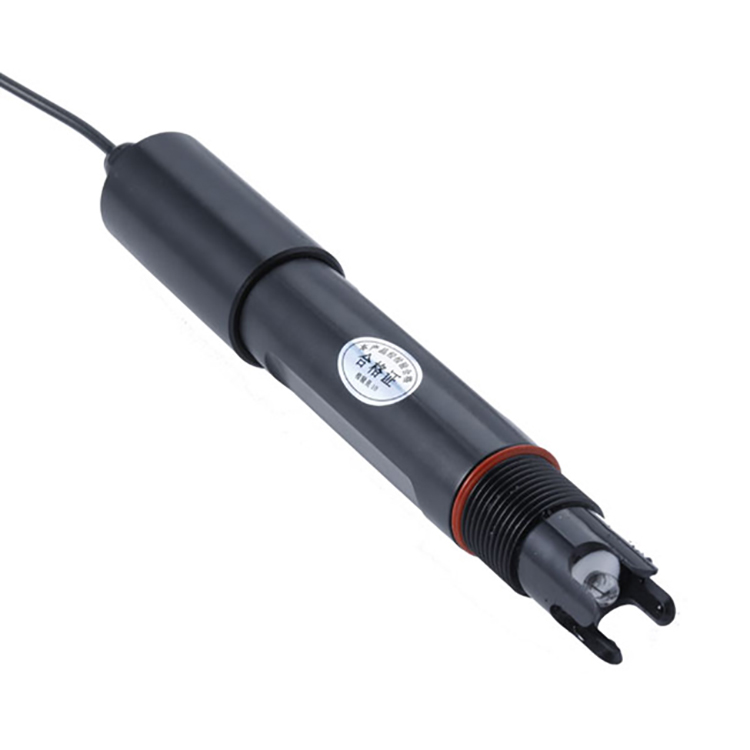 | 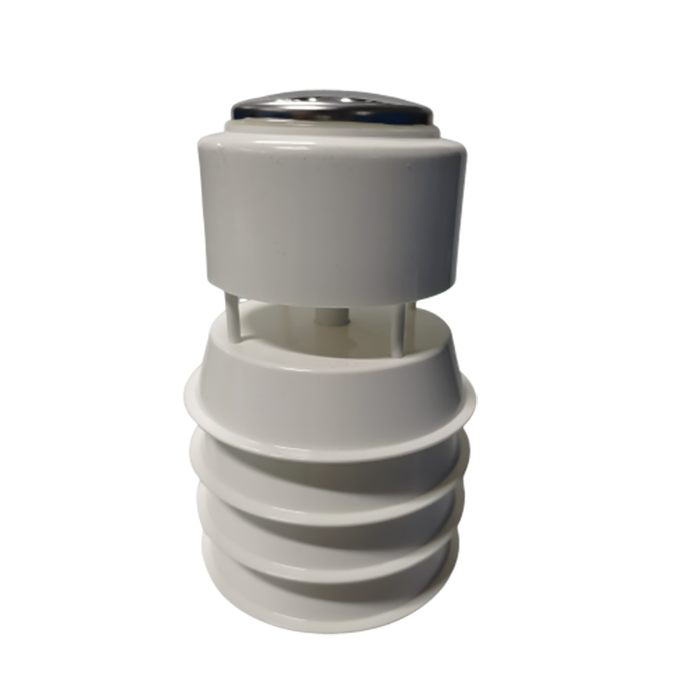 |
| Atmospheric Temperature Humidity air pressure Sensor | ultrasonic wind speed and direction sensor | 5 in1 Ultrasonic Weather Station Sensor | Soil pH sensor | 7 in1 Ultrasonic Weather Station Sensor |
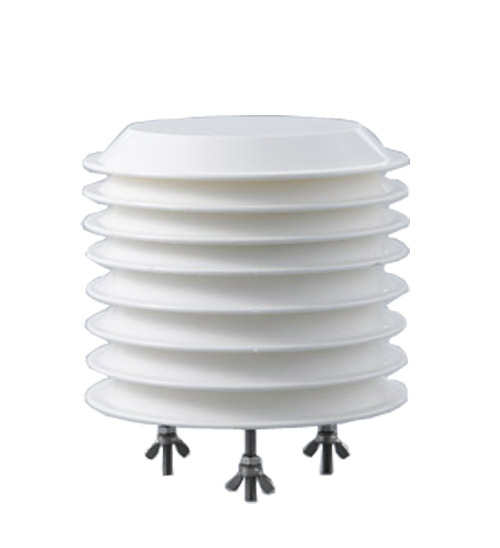 | 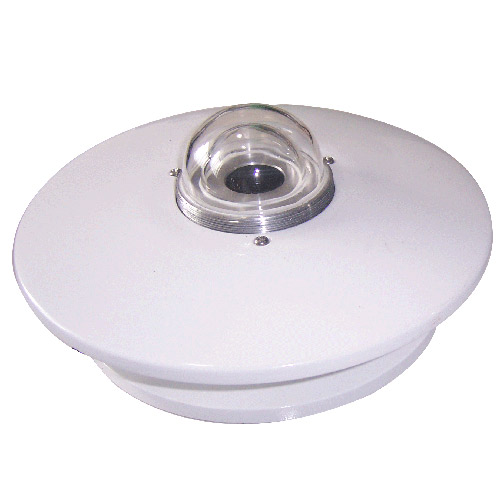 | 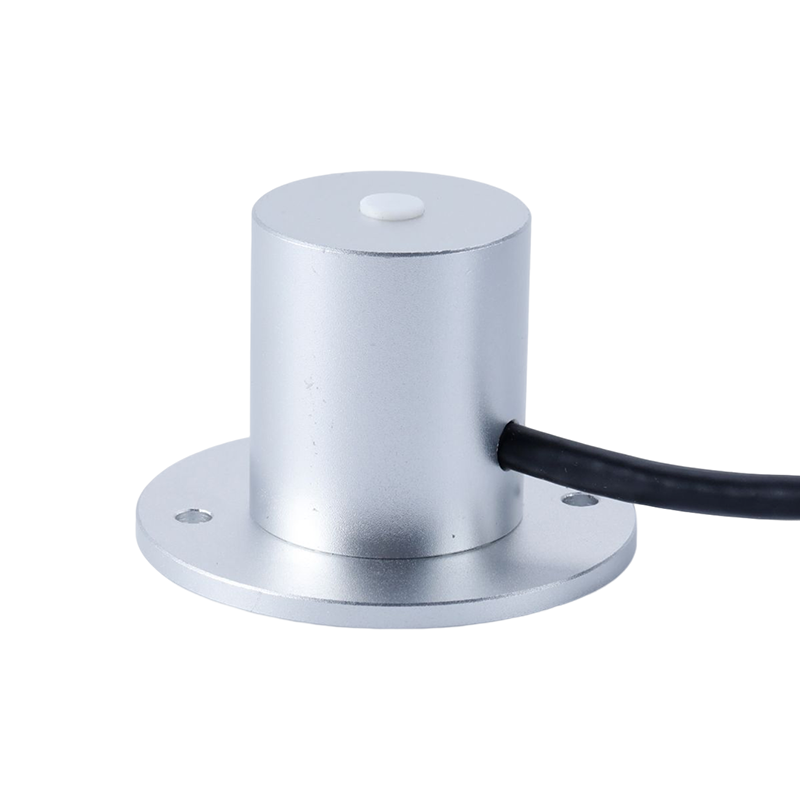 | 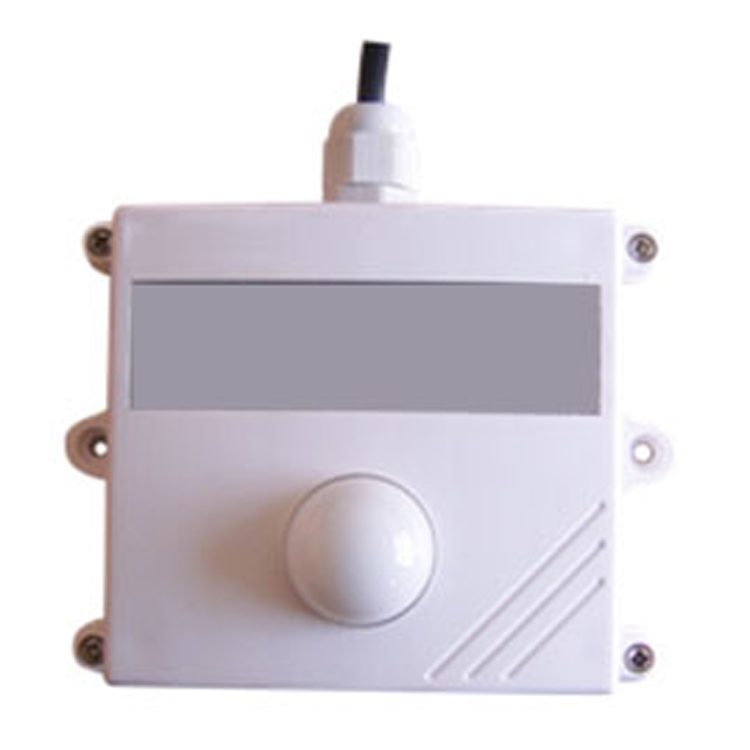 | 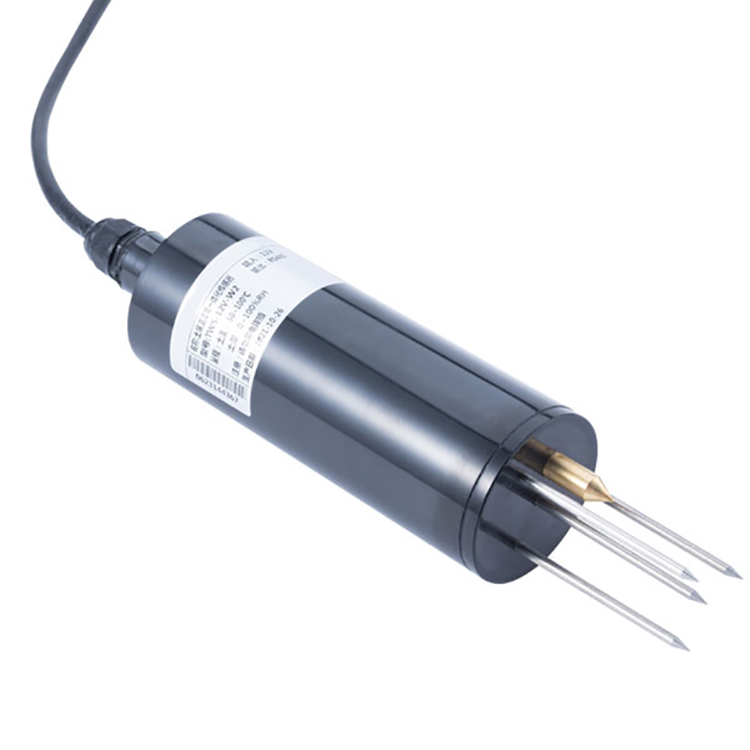 |
| Carbon dioxide sensor | Solar Radiation Sensor | Photosynthetically Active Radiation Sensor; | illumination sensor | Soil Moisture Temperature sensor |
| Measurement Element | Measurement Range | Measurement Precision | Typical Unit |
|---|---|---|---|
| Air Temperature | -40°C to 85°C | ±0.3°C | °C |
| Air Humidity | 0% to 100%RH | ±3%RH | %RH |
| Wind Speed | 0 to 60m/s | ±(0.3+0.03V)m/s | m/s |
| Wind Direction | 0 to 360° | ±3° | ° |
| Precipitation | 0 to 4mm/min | ±3% | mm |
| Soil Temperature | -40°C to 80°C | ±0.5°C | °C |
| Soil Moisture | 0% to 100% (VWC) | ±2% (0-50% Range) | % |
| Carbon Dioxide Concentration | 0 to 5000ppm | ±40ppm+3% | ppm |
Intelligent Warning: “Moat” Against Natural Disasters
System has built-in adverse weather warning logic. When monitoring sudden temperature drop (frost risk), short-term heavy precipitation (flood risk), or strong UV irradiation, system instantly pushes alarm information to farmers via cloud platform.
This forward-looking warning allows farmers to take protective measures such as covering, drainage, or shading in advance, minimizing weather risks.
As a manufacturer, NiuBoL follows industrial-grade standards in hardware selection and system design, ensuring equipment has advantages of low energy consumption, high stability, and long lifespan.
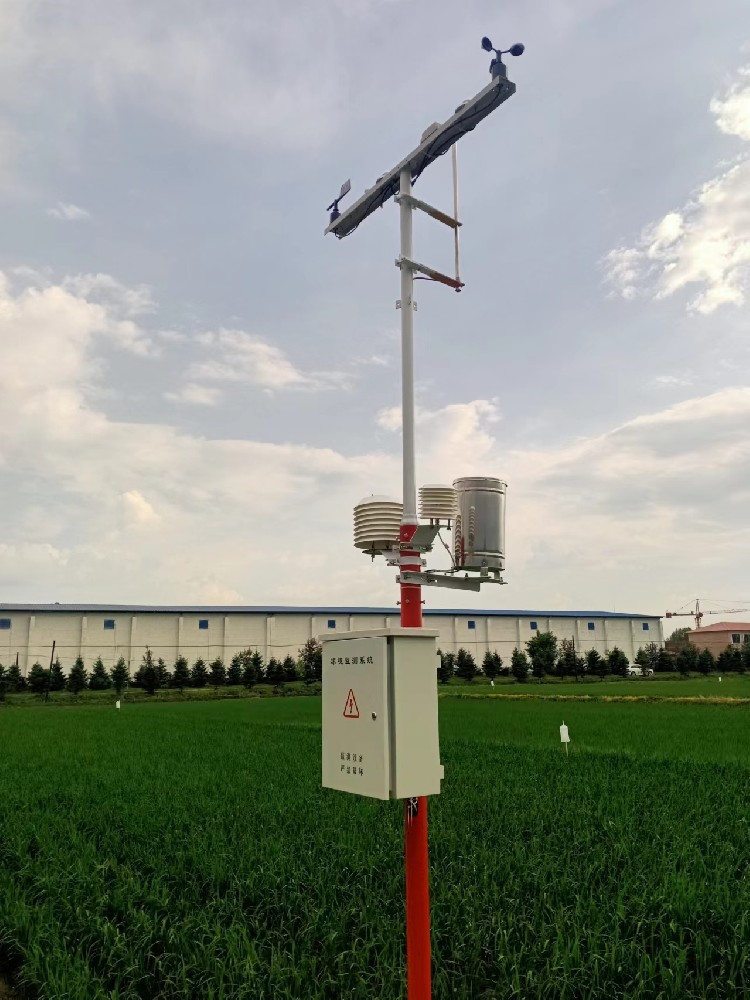
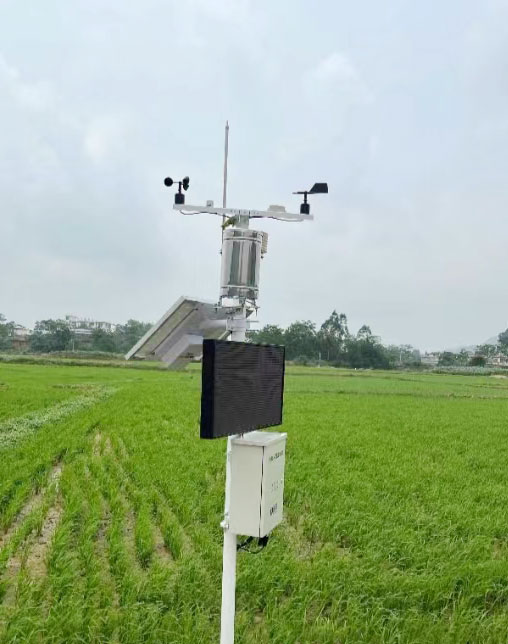
Smart Agricultural Meteorological Station Hardware Composition Modules
High-Precision Sensors: Adopt anti-UV, corrosion-resistant materials, measurement precision compliant with WMO (World Meteorological Organization) standards.
Intelligent Data Collector: The “brain” of the entire system, with powerful computing capability and data storage function, supporting breakpoint resume to ensure no historical data loss.
Wireless Transmission Module: Supports 4G/5G, GPRS, and LoRaWAN protocols, achieving real-time remote data return.
Solar Power System: Composed of monocrystalline silicon panels and large-capacity batteries, solving field power supply difficulties; even in continuous rainy days for 30 days, system remains stable operation.
Customized Bracket: Stainless steel poles or tripods, adapting to different installation terrains.
Hardware collected data produces value only through in-depth analysis. NiuBoL smart agriculture cloud platform provides users with intuitive interaction interface and decision tools.
Data Visualization and Pattern Recognition
Through intuitive line charts and heat maps, users can clearly understand farmland daily temperature difference, humidity peaks, and light patterns.
Case: By analyzing accumulated temperature, cloud platform can automatically calculate crop maturity period, guiding batch harvesting.
Precise Decision Support
System not only displays data but also provides maintenance suggestions:
Water-Fertilizer Integration Guidance: Combined with soil moisture and crop water demand model, provides scientific irrigation timing suggestions.
Pest and Disease Control: Based on temperature humidity curves (such as high humidity high temperature prone to fungal diseases), system automatically issues prevention reminders.
Meteorological disasters are the greatest threat to agricultural production. One core mission of smart agricultural meteorological station is “warning.”
Extreme Weather Warning Mechanism
Drought, flood, frost, or strong wind disasters often sudden. NiuBoL system has custom warning function; once monitoring indicators exceed safety critical points, system immediately sends alarms to farmers via SMS, APP push, etc.
From Macro Trends to Micro Prevention
This system not only monitors large-scale meteorological evolution but also captures subtle environmental fluctuations in crop growth. For example, before frost arrival, system monitors rapid near-surface temperature drop, reminding farmers to timely take greenhouse heating or covering measures. This precise risk planning effectively reduces economic losses from weather, ensuring abundant harvest.
Q1: What is the difference between agricultural meteorological station and ordinary meteorological station?
A: Ordinary meteorological stations mainly focus on regional large environment, while agricultural meteorological stations more emphasize indicators closely related to crop growth, such as photosynthetically active radiation, multi-layer soil temperature humidity, leaf wetness, and carbon dioxide concentration. Installation locations usually near crop plants, more representative of actual farmland conditions.
Q2: Can the system be used in remote mountainous areas without network signal?
A: Yes. Besides conventional wireless transmission schemes, NiuBoL also provides local storage and short-distance communication schemes, or adds relay stations, satellite communication modules to solve data return in extreme environments.
Q3: Is sensor maintenance cost high? Need frequent calibration?
A: NiuBoL sensors adopt industrial-grade design with extremely strong weather resistance and corrosion resistance. Usually only need quarterly check if sensor probes blocked or dirty, recommend annual standardization calibration to ensure highest data precision.
Q4: What is significance of monitoring PM2.5 and PM10 for agriculture?
A: Dust particles attach to crop leaves, hindering photosynthesis and respiration. Simultaneously, monitoring air quality data also helps assess impact of agricultural production (such as straw treatment or fertilization) on surrounding environment, supporting green agriculture development.
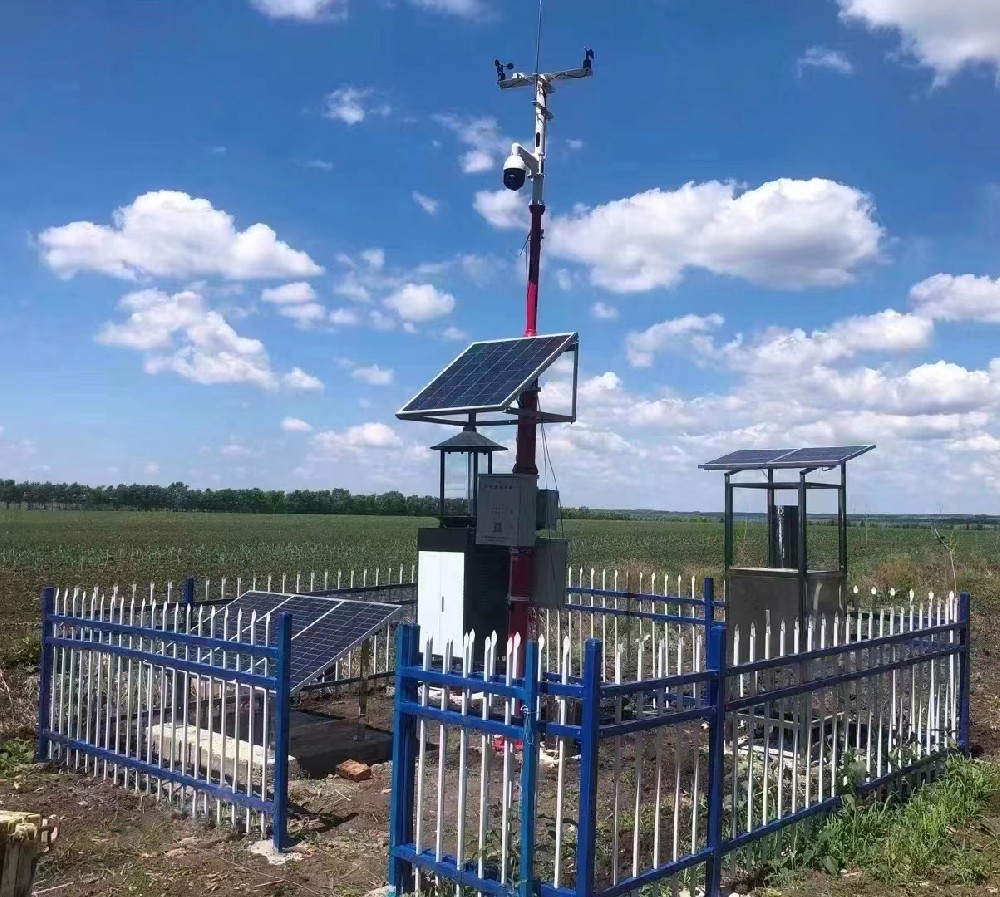
Smart agricultural meteorological station is the “digital foundation” of modern agriculture. It transforms complex farmland microclimate into visible, perceptible, controllable data assets through integrated monitoring schemes. NiuBoL empowers every inch of land with advanced IoT technology, helping farmers achieve qualitative leaps in coping with climate change, optimizing seedling, scientific irrigation, and pest control.
In today's booming smart agriculture development, choosing NiuBoL means choosing a more scientific, efficient, and resilient future agriculture.
If you are planning to upgrade your farm monitoring system or interested in NiuBoL's customized solutions, welcome to contact our technical support team anytime.
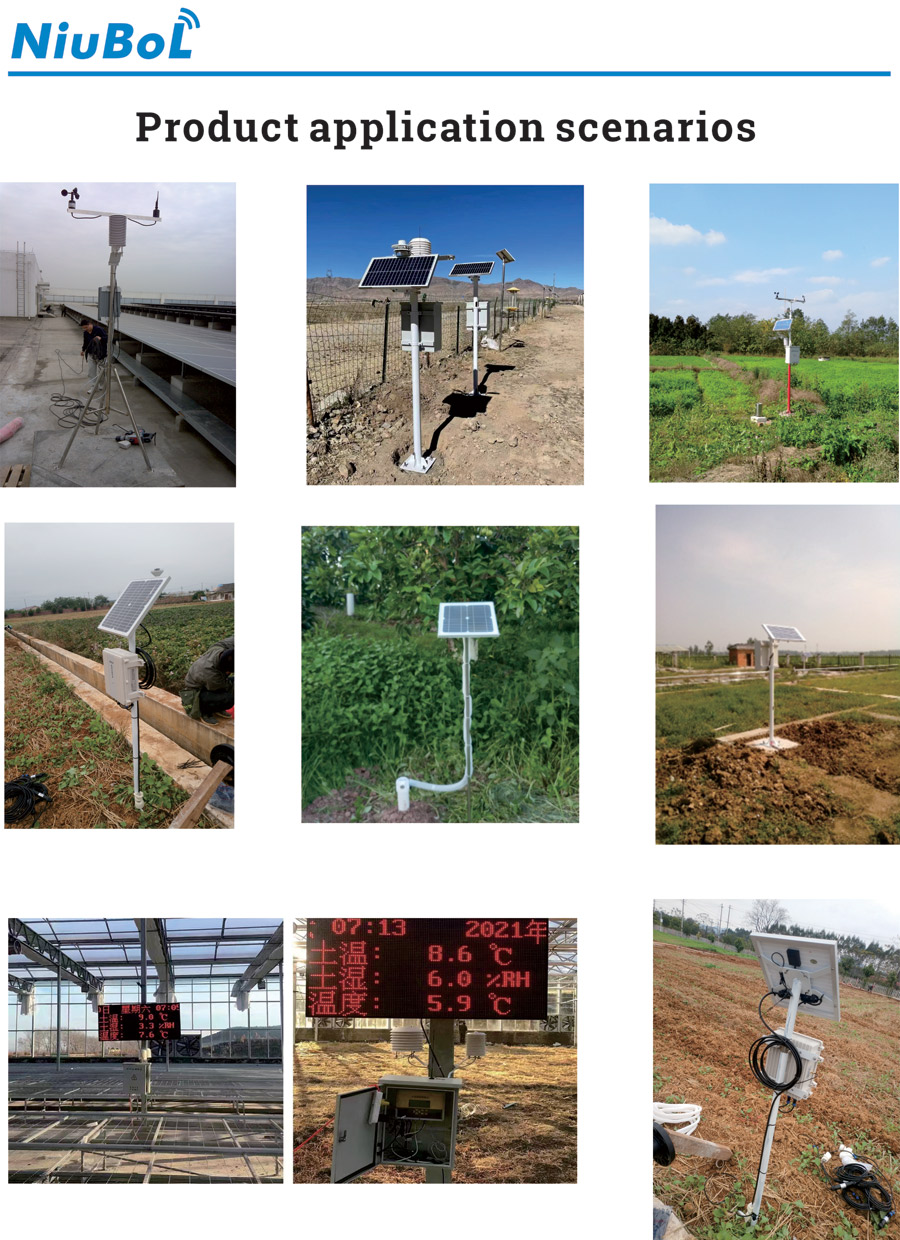
Protocol Type: Modbus RTU, MQTT, TCP/IP, LoRaWAN
Data Interface: RS485, RS232
Power Supply Power: 20W/50W/60W/100W Solar Panel (Customizable as Needed)
Protection Level: IP65 Industrial Waterproof and Dustproof Level
Are you looking for agricultural meteorological solutions for specific climate zones?
We can provide detailed site layout schemes and investment return analysis for you. Want to experience NiuBoL cloud platform's data large screen display? Please contact our technical consultants immediately to obtain test account and detailed product brochure.
Next:System Configuration and Core Advantages of NiuBoL Small Agricultural Weather Station Equipment
Related recommendations
Sensors & Weather Stations Catalog
 Agriculture Sensors and Weather Stations Catalog-NiuBoL.pdf
Weather Stations Catalog-NiuBoL.pdf
Agriculture Sensors Catalog-NiuBoL.pdf
Water Quality Sensor Catalog-NiuBoL.pdf
Related products
 Combined air temperature and relative humidity sensor
 TDR Soil Moisture & Temperature Sensor for irrigation| RS485 |4-20mA| NBL-S-THR
 Soil pH sensor RS485 soil Testing instrument soil ph meter for agriculture |NBL-S-PH
 Wind Speed sensor Output Modbus/RS485/Analog/0-5V/4-20mA
 Tipping bucket rain gauge for weather monitoring auto rainfall sensor RS485/Outdoor/stainless steel
 Pyranometer Solar Radiation Sensor 4-20mA/RS485

Screenshot, WhatsApp to identify the QR code
WhatsApp number:+8615367865107
(Click on WhatsApp to copy and add friends)

