





— Blogs —
—Products—
 Consumer hotline +8618073152920
 WhatsApp:+8615367865107
Address:Room 102, District D, Houhu Industrial Park, Yuelu District, Changsha City, Hunan Province, China
Product knowledge
Time:2024-08-11 12:14:25 Popularity:3709
Precision agriculture is a highly advanced system of agricultural practices that makes use of modern information technology, such as sensor technology, geographic information systems (GIS), global positioning systems (GPS), remote sensing technology (RS) and big data analysis, to optimize crop production management. The core of this system lies in the word "precision", i.e., personalized management of farmland through precise spatial and temporal positioning.
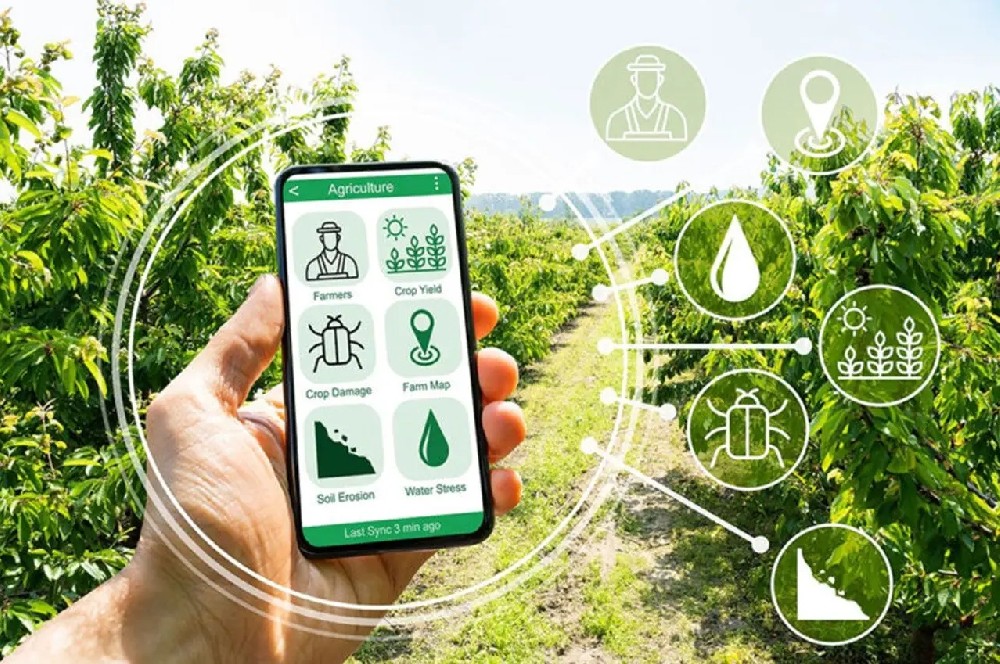
- Information technology support: Precision agriculture relies on information technology, including 3S technology (GPS, GIS, RS), and Internet of Things (IoT) equipment to realize digital monitoring of farmland.
- Spatial variation analysis: By analyzing the spatial variation of soil, water, nutrients, etc., the specific needs of crop growth are determined.
- Positioning Timing and Dosing: Implementing precise fertilization, irrigation and spraying according to the specific conditions of crops and soil to reduce resource waste.
- System Diagnosis and Optimization: Combine crop growth models and environmental data to perform system diagnosis and optimize agricultural inputs such as seed, fertilizer and water use.
- Scientific management: Through data analysis, develop scientific plans for farming operations to improve yield and quality while protecting the environment.
- Economic and environmental benefits at the same time: Pursuing sustainable development by increasing agricultural output while reducing costs.
- Orchard GIS: Establish a GIS system to integrate farmland information, support decision-making, and realize efficient use of resources.
- Intelligent equipment: using intelligent farm machinery, drones and other equipment to automate the execution of precision management measures.
Precision agriculture originated in the United States in the late 1980s, aiming to address the efficient utilization of agricultural resources and environmental challenges. It has changed the traditional "one-size-fits-all" management of agriculture to a more personalized and efficient production model. With the progress of technology, precision agriculture is gradually becoming an important part of modern agriculture, which not only improves the efficiency of agricultural production, but also promotes the sustainability of agriculture and reduces the negative impact on the environment, which is an important trend in the development of agriculture in the 21st century.
|
|
|
|
|
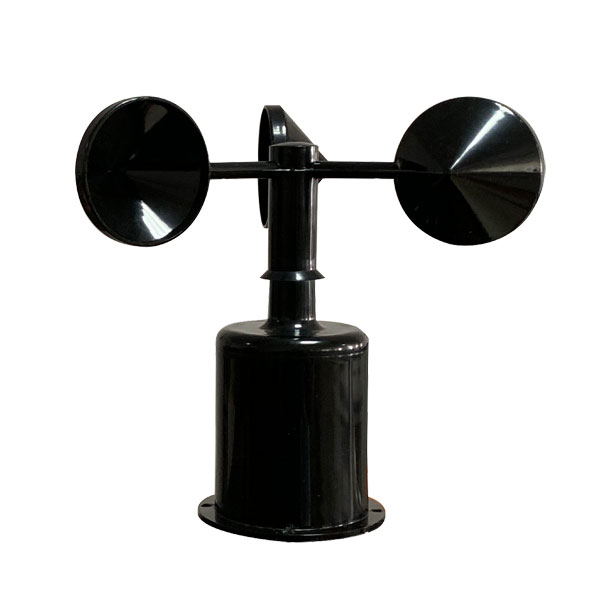
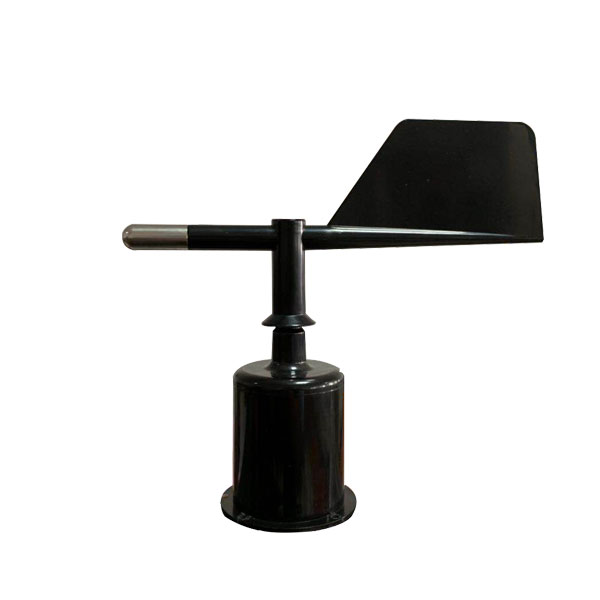
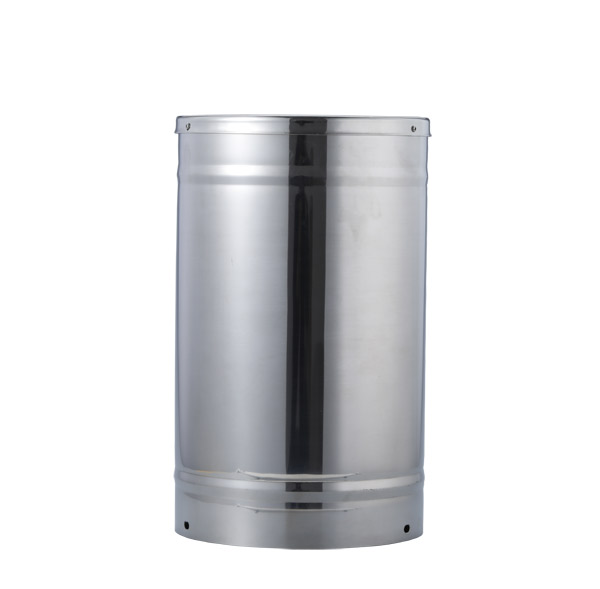
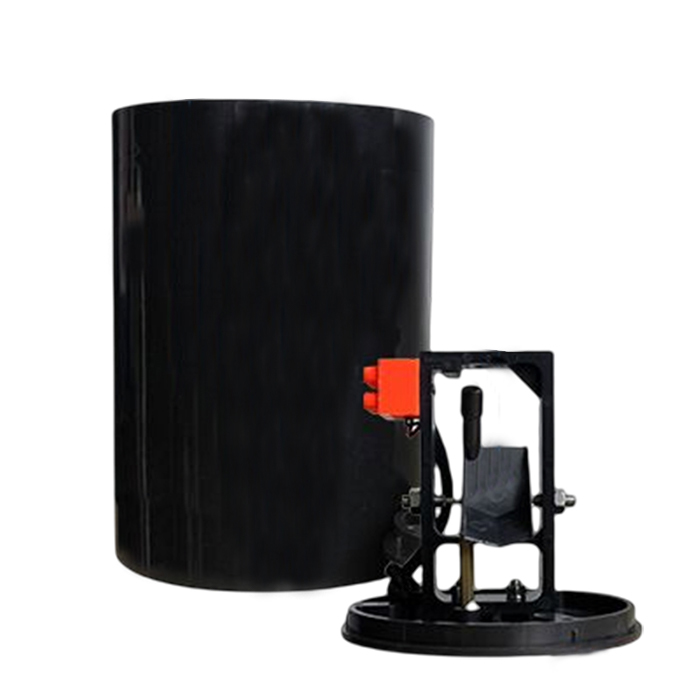
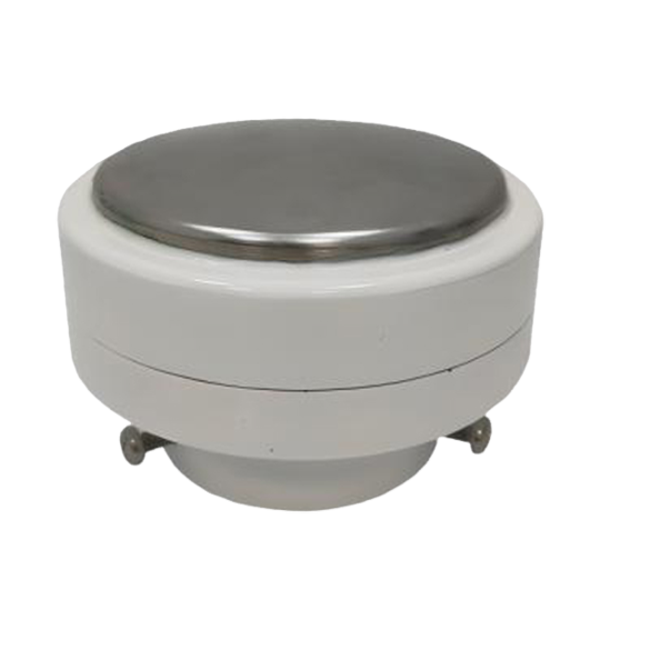
| Anemometer Wind Speed sensor | Wind direction sensor | Tipping bucket rain gauge sensor | Tipping bucket rain gauge sensor | Piezoelectric Rain Gauge |
|
|
|
|
|
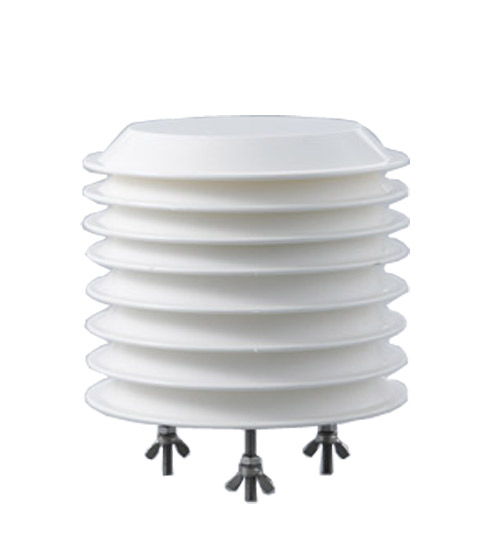
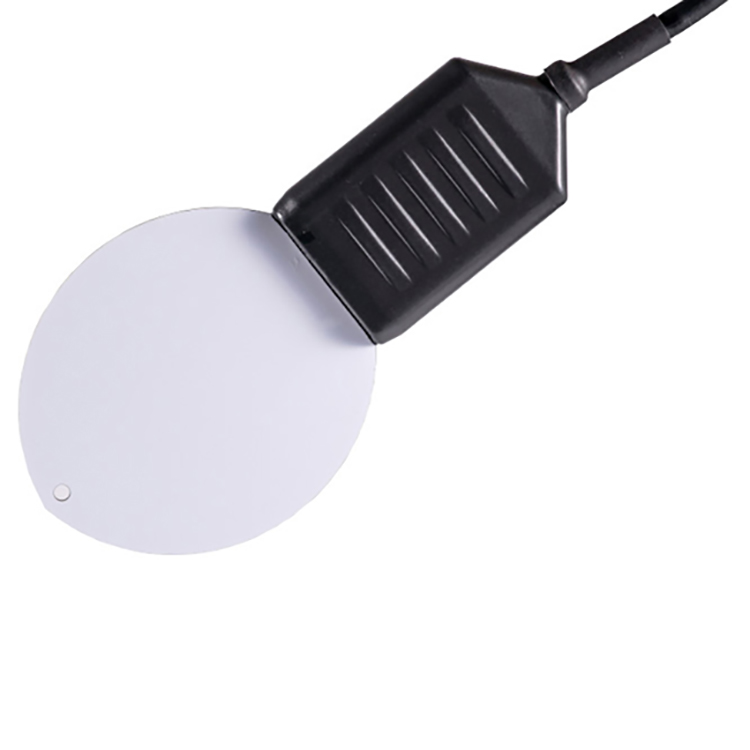
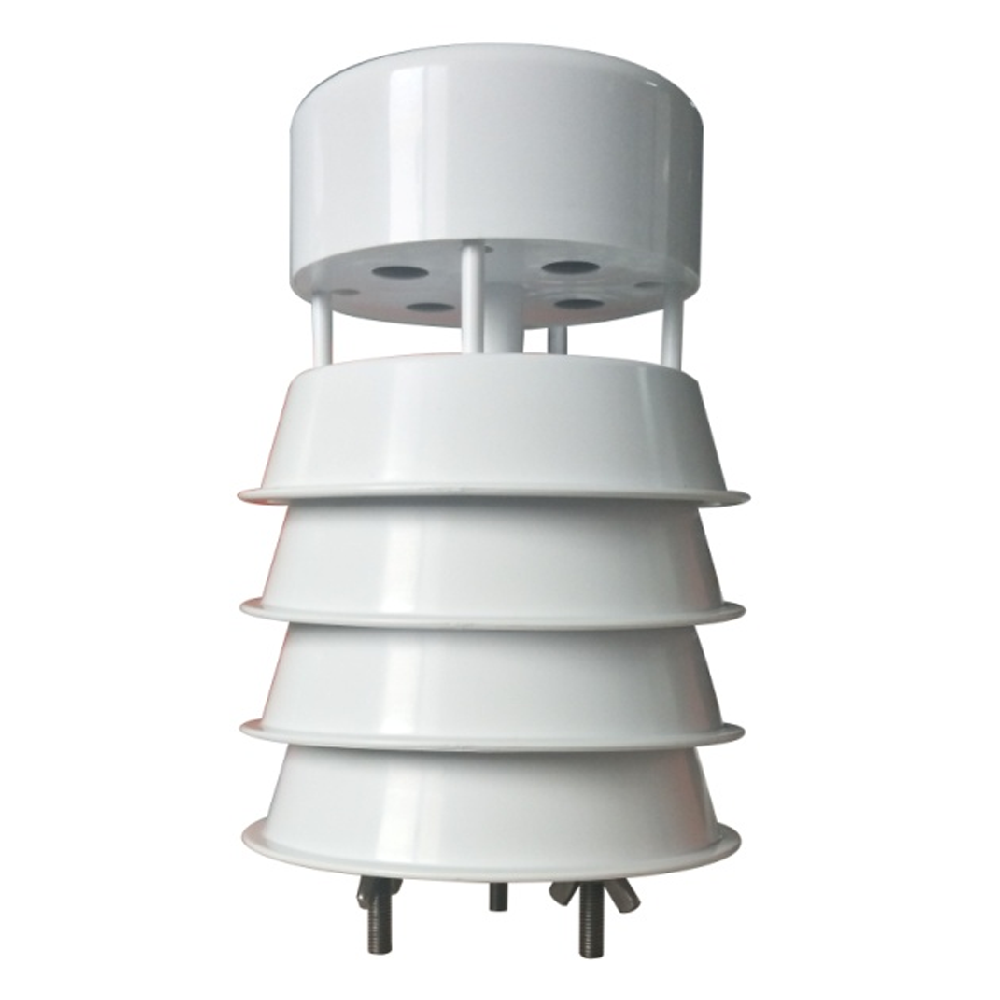
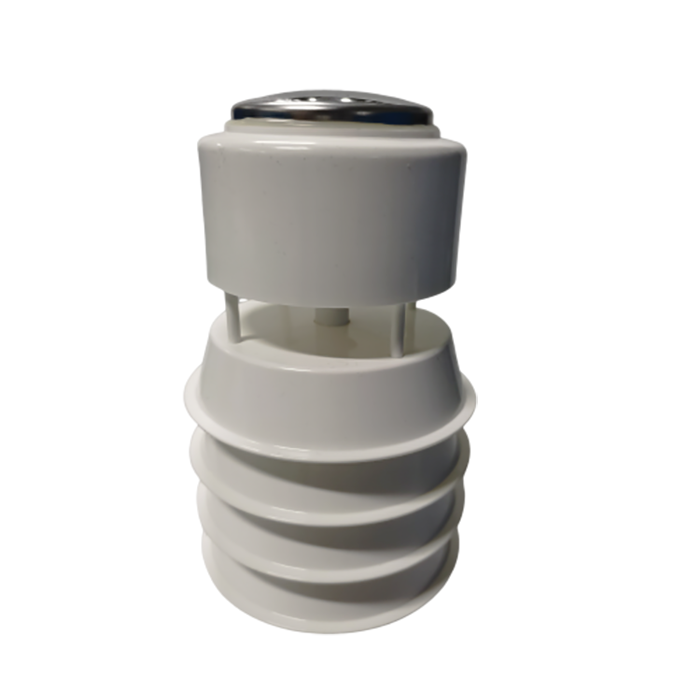
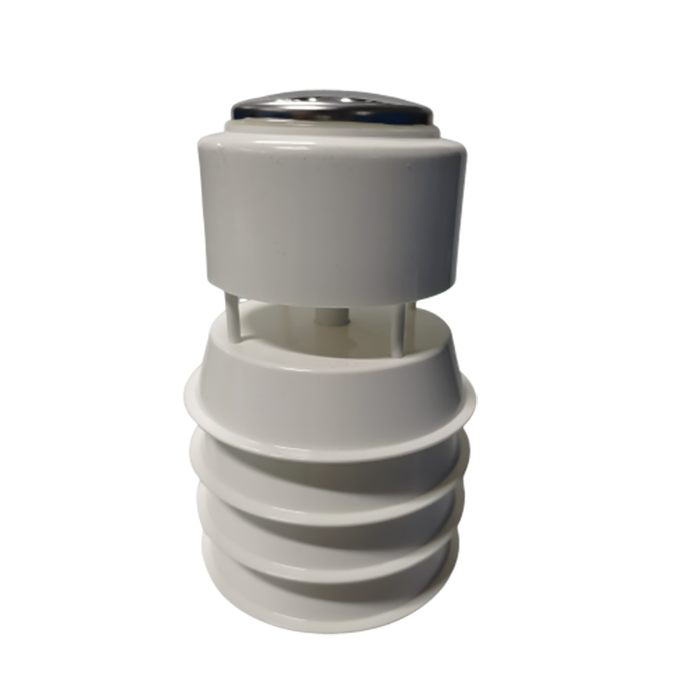
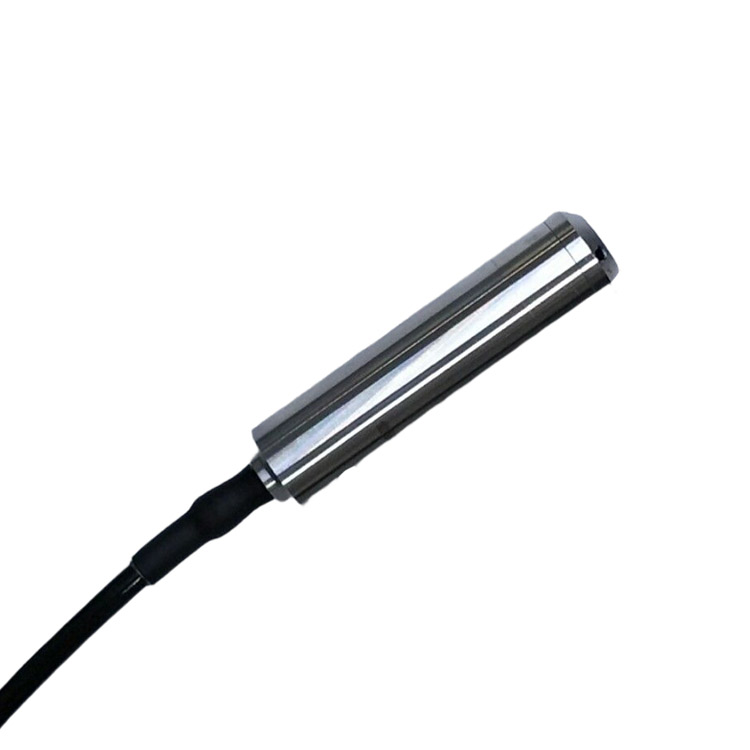
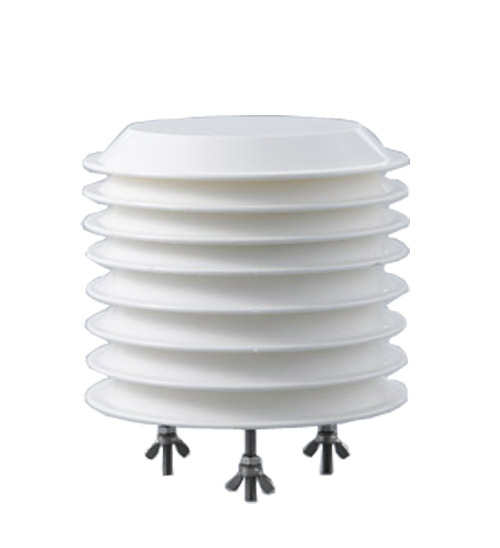
| Atmospheric Temperature Humidity air pressure Sensor | Leaf wetness sensor | 5 in1 Ultrasonic Weather Station Sensor | 6 in1 Ultrasonic Weather Station Sensor | 7 in1 Ultrasonic Weather Station Sensor |
|
|
|
|
|
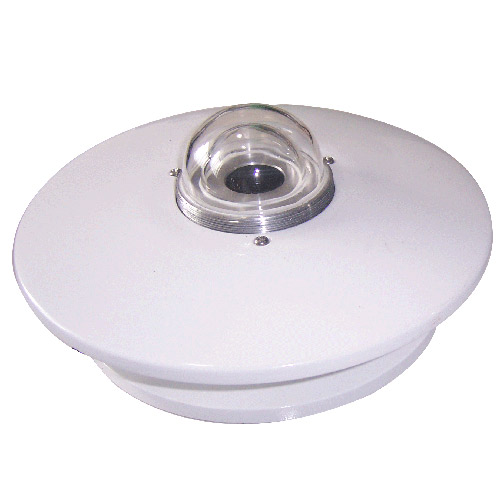
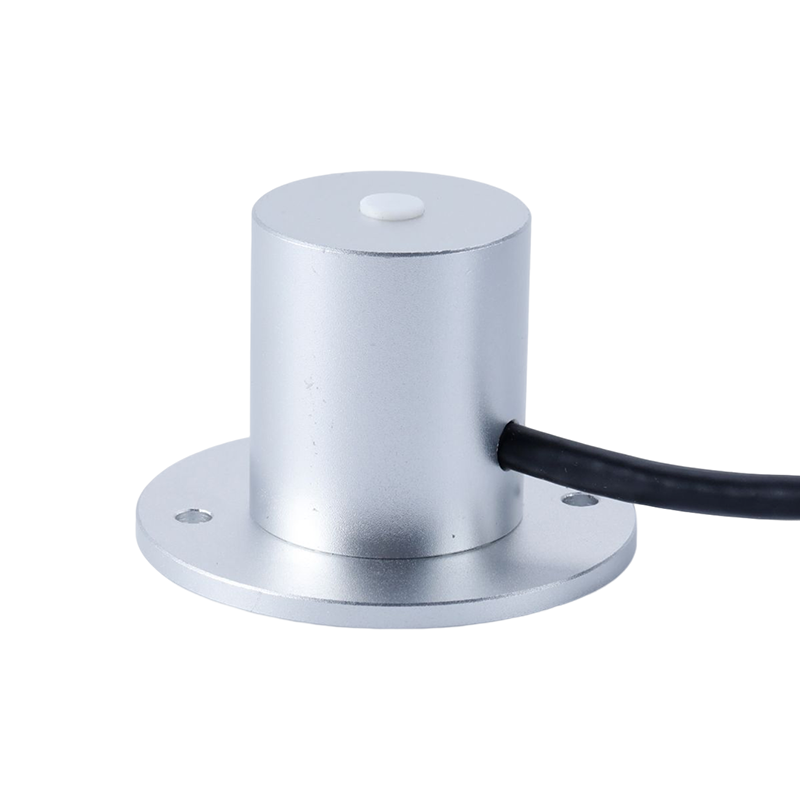
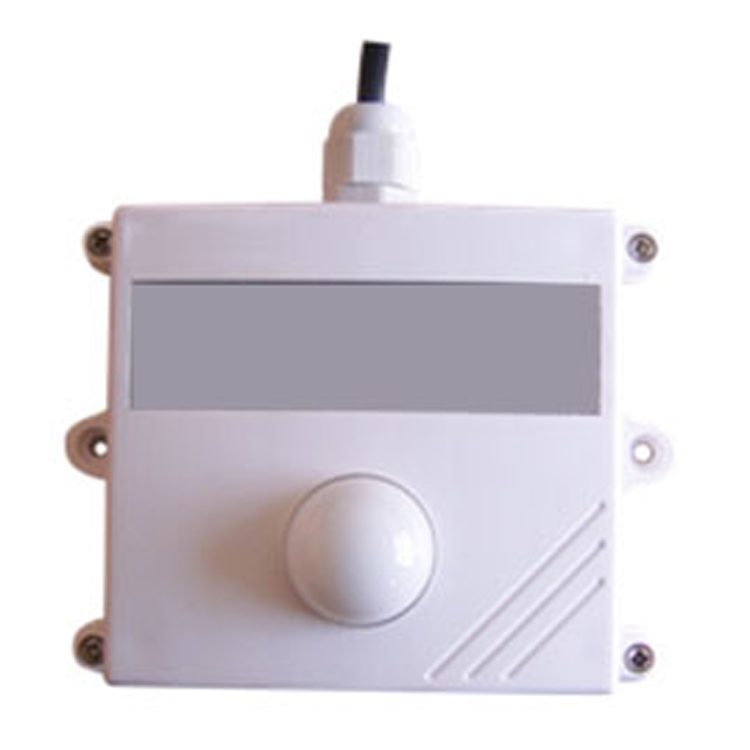
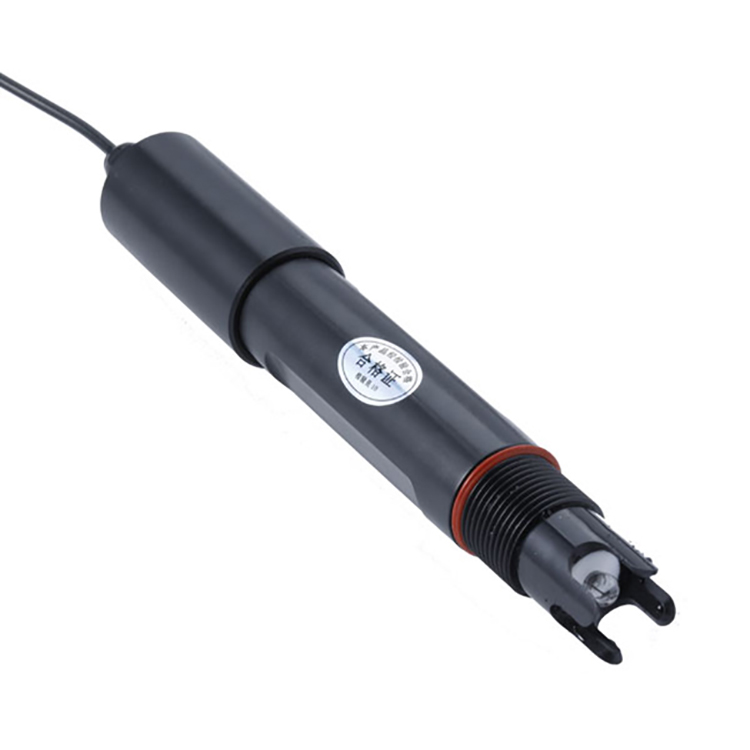
| Water level sensor | Solar Radiation Sensor | Photosynthetically Active Radiation Sensor; | illumination sensor | Soil pH sensor |
|
|
|
|
|
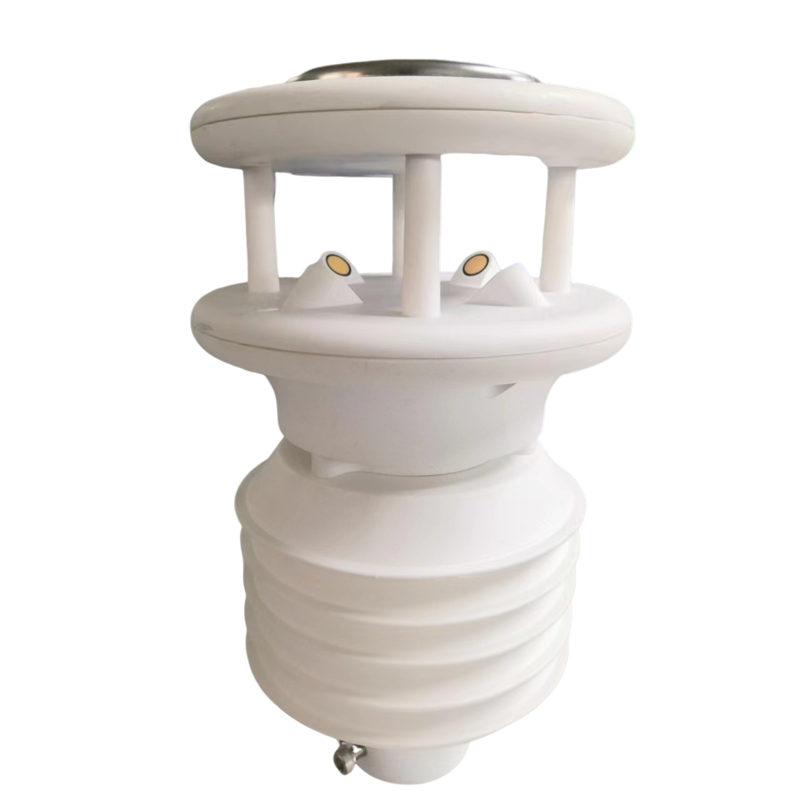
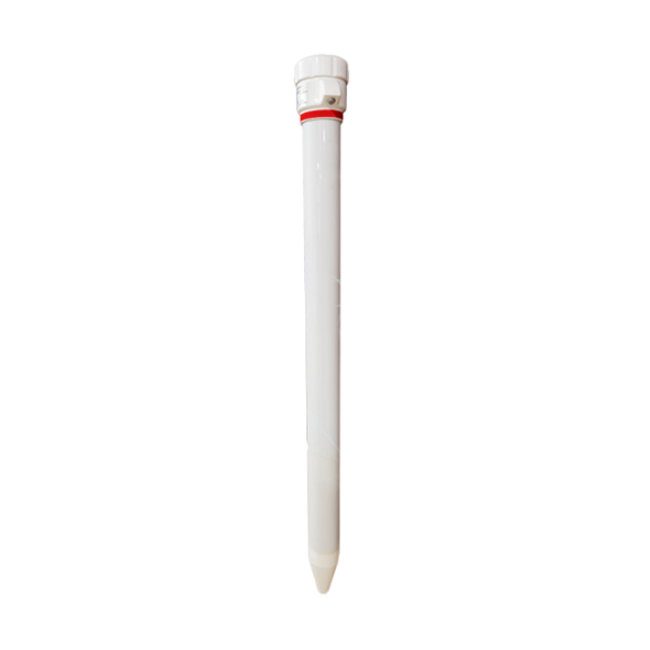
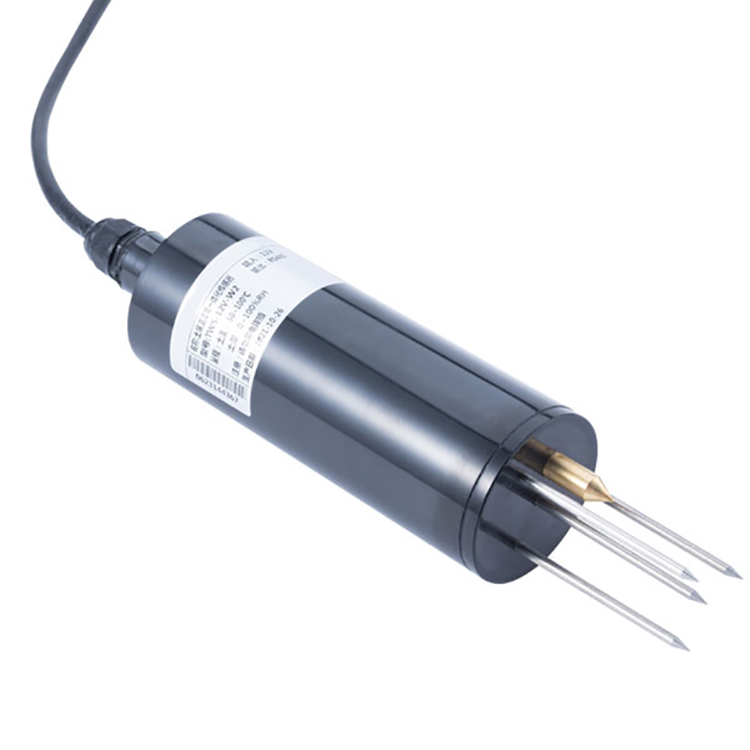
| All-in-One Ultrasonic Weather Station | Carbon dioxide sensor (CO2 sensor) | Multi depth soil moisture sensor |
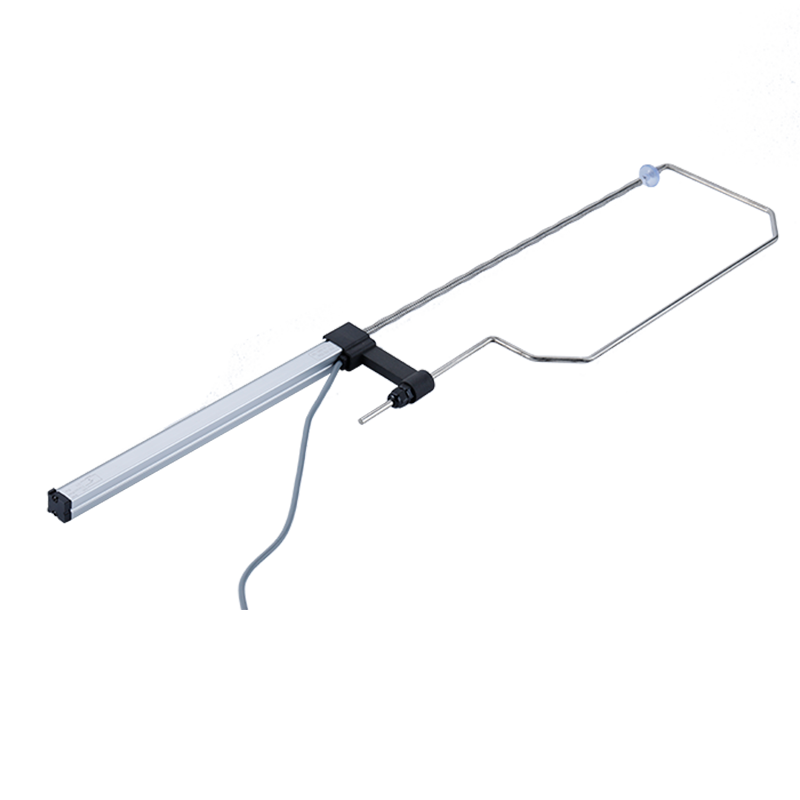
Fruit/stem growth sensor |
Soil Moisture Temperature sensor |
Sensors are widely used in precision agriculture, and they help farmers monitor and collect a variety of agriculture-related data to optimize the agricultural production process, improve productivity, reduce resource waste, and ensure the quality and safety of agricultural products. Here are some of the major types of sensors and their applications:
1. Temperature sensors: used to monitor soil and air temperature.
2. Humidity Sensors: Used to measure soil moisture and air humidity.
3. Light intensity sensors: Used to monitor light conditions. In closed environments such as greenhouses, these types of sensors can help farmers understand the light situation so that they can adjust supplemental light or shading measures to ensure the normal growth of crops.
4. CO2 Sensor: Used to monitor the concentration of carbon dioxide, by adjusting the concentration of carbon dioxide, you can promote the photosynthesis of crops and improve yield.
5. Wind Speed and Direction Sensor: Used to monitor wind conditions, which affect crop irrigation and disease transmission.
6. Rainfall Sensors: measure rainfall to help farmers adjust irrigation schedules.
1. Soil NPK Sensors: used to measure nutrients in the soil to guide fertilization.
2. Soil Temperature and Humidity Sensors: combine monitoring of soil temperature and humidity to help farmers optimize irrigation schedules.
3. Soil pH Sensors: Also used for monitoring soil pH, which is critical for crop growth.
4. Soil EC Sensors (Electrical Conductivity Sensors): assess salt content and nutrient levels in the soil.
Water quality sensors are used to monitor the quality of irrigation water, including pH, turbidity, dissolved oxygen, and harmful substances. By monitoring water quality, farmers can ensure that the water quality meets the growing needs of aquaculture.
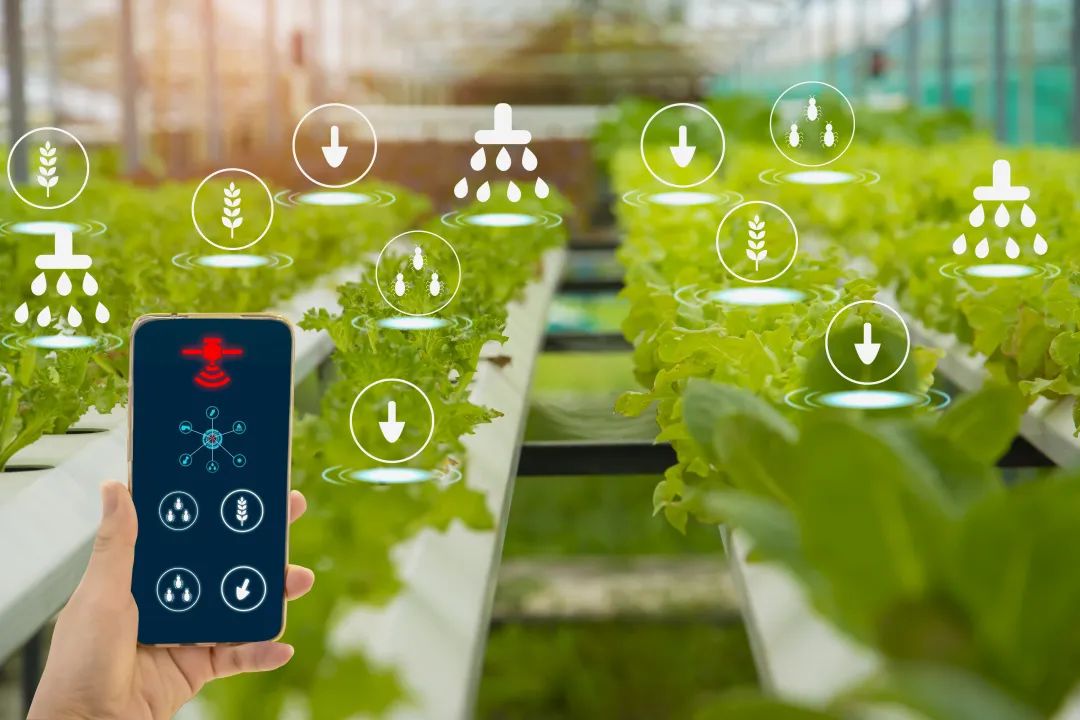
Biosensors:
Biosensors: are used to detect biomarkers such as plant hormones, such as salicylic acid.
Image-based sensors:
Image recognition technology: to detect vegetation indices (e.g. NDVI, EVI, GVI) and signs of pests and diseases through image recognition.
Other types of sensors:
GPS positioning sensors: used to pinpoint the location of farmland.
Inertial sensors: play a key role in automated driving of farm machinery.
LiDAR sensors: for forest parameter measurements and fruit tree target geometry.
Fluorescence sensors: for nitrogen fertilizer management and protein content prediction in cereal crops.
Wireless Sensor Networks:
Wireless Sensor Networks (WSN):
Used to monitor plant macronutrient content for real-time data transmission and analysis.
UAV-Borne Multispectral Sensors:
Acquire images of crop growth conditions from the air for analyzing crop health and yield.
Satellite remote sensing sensors:
Provide large-scale information on agricultural land, including crop growth conditions, soil moisture, etc.
Plant Growth Sensors:
These sensors monitor plant growth, including growth rate, height, chlorophyll content, etc. By understanding plant growth, farmers can more accurately apply fertilizer, pruning, and other management measures to improve crop yield and quality.
Insect Recognition Sensor:
Insect recognition sensors can monitor the types and numbers of insects around crops, helping farmers to detect and prevent pests and diseases in a timely manner. These sensors usually combine image recognition and machine learning technologies to enable accurate recognition of insects.
Fruit expansion sensors:
In fruit tree farming, fruit expansion sensors are used to monitor fruit growth. By recording changes in the size of the fruit, farmers can understand the growth rate and maturity of the fruit, so as to develop a reasonable harvesting plan.
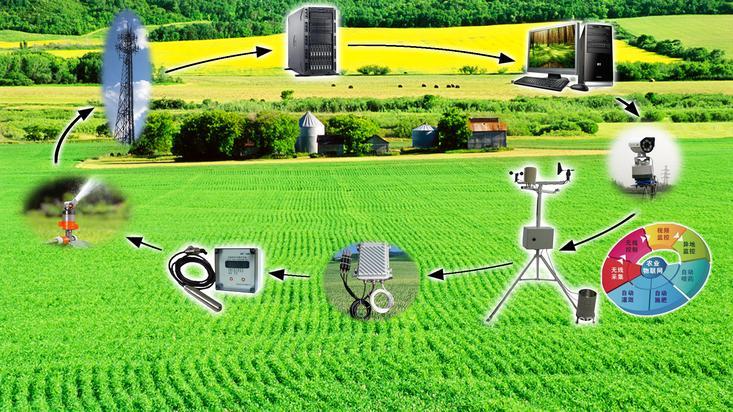
In the field of precision agriculture, sensor technology shows great potential for application, they can operate independently, but also can be seamlessly integrated into complex agricultural management system. These systems use wireless networking technology to connect sensors scattered throughout the farmland to a central control unit, building a network for real-time data monitoring and analysis. This transformation greatly improves the intelligence and refinement of agricultural production, provides farmers with immediate, scientific decision-making support, and strongly promotes the sustainable development of agricultural production.
The integration of IoT technology makes these sensors no longer isolated devices, but key nodes in the smart agricultural ecosystem. They constantly collect data on soil moisture, nutrient content, meteorological conditions, plant growth status and other aspects of data, through the cloud processing and analysis, transformed into farmers can intuitively understand the decision-making basis. This real-time data-based decision-making model not only improves resource utilization efficiency, such as precise fertilization and on-demand irrigation, but also promotes environmentally friendly agricultural management, such as early warning and precise control of pests and diseases.
Further, the integrated smart sensor system is not only limited to the ground, but also extended to the air. UAVs carrying high-precision sensors, such as multispectral cameras and thermal imagers, are capable of performing efficient aerial monitoring tasks, providing farmers with a comprehensive view of crop growth, including crop health status, growth cycle assessment, and terrain and geomorphology analysis. This three-dimensional monitoring network provides a solid data foundation for farmers to develop long-term agricultural planning, ensuring the precision and sustainability of agricultural production.
In summary, the application of sensor technology in precision agriculture not only enhances the farmers' ability to control the current farmland environment, but also points out the direction of future agricultural development, and realizes the win-win situation of agricultural productivity and ecological benefits through intelligent and refined management.
Prev:How to use soil moisture sensors?
Next:Soil EC Sensor Price: Cost Factors & Buying Guide | NiuBoL
Related recommendations
Sensors & Weather Stations Catalog
 Agriculture Sensors and Weather Stations Catalog-NiuBoL.pdf
Weather Stations Catalog-NiuBoL.pdf
Agriculture Sensors Catalog-NiuBoL.pdf
Water Quality Sensor Catalog-NiuBoL.pdf
Related products
 Combined air temperature and relative humidity sensor
 TDR Soil Moisture & Temperature Sensor for irrigation| RS485 |4-20mA| NBL-S-THR
 Soil pH sensor RS485 soil Testing instrument soil ph meter for agriculture |NBL-S-PH
 Wind Speed sensor Output Modbus/RS485/Analog/0-5V/4-20mA
 Tipping bucket rain gauge for weather monitoring auto rainfall sensor RS485/Outdoor/stainless steel
 Pyranometer Solar Radiation Sensor 4-20mA/RS485

Screenshot, WhatsApp to identify the QR code
WhatsApp number:+8615367865107
(Click on WhatsApp to copy and add friends)

